Job 17
Bibiri Kuyie Nnɑ́ɑǹtì Pɑ́tíri · Tap a verse to see its cross-references.
Bɛ̀ yetɛmɛ̀ Isɔbu koò bɔntóo
1Kɛ̀ Isɔbuu sɔɔtɛ́ kɛ́bɛ́i nkɛ dɔ̀:
N wemmu tɛ̃́nkɛ í yiɛ̀ sɛ́i,
n we yɛɛ̀ kũpɛ,
kufɔ̃ti kuù m bɑ̀ɑ.
2Mudɑɑ́ nyɛmbɛ̀ bɛɛ̀ n fitɛ́,
n yí nɔ nkɛdɔunɛ̀ bɛ kó yɛsɑ̃́ɑ̃̀mbɛ̀.
3Kuyie, nyietí ɑ yɛ̃ n cɑ̀kɛ mù kɛ́ n fĩ́ĩnko,
kɛ̀ dɛ̀ í tú fɔ̃́ nhòmɔù í bo wèè bo m pɑtɛ.
4Fɔ̃́ɔ̃̀ bɛ̀ mɔ̀ntɛ mɛyɛ̀mmɛ̀ kɛ̀ bɛ̀ í bɑntɛ́,
ɑ bɑ́ɑ́ yóu kɛ̀ bɛ̀ n nɑ.
5Bɛ̀ yɑ̀ɑ̀ bo dɔɔ̀ dinɑ́ɑǹhɑ̃ntírì mɑrì tu dɛ̀:
A yu ɑ nɛ́pobɛ̀ kɛ̀ di yo ndi ɛí dɛ̀,
kɑ̀ɑ bí ɑunɛ̀ dikònnì.
6N kpɛrɛ nɑɑ́ nfɛoǹnìfɛ̀ nfɛ,
kɛ̀ bɛ̀ nɑ́ɑǹtɛ n kpɛ́í nkutenkù,
bɛ̀ sùu n yììkɛ̀ nkɛ tinɔ́ntɔ̃ũtì.
7N nuɔ ntɛ̃́nkɛ í wúónnɛ̀ mɛsémmɛ̀,
n tùoti iì cĩ̀tiroo mɛdɛ́ɛ̀ ndèumɛ̀.
8Bɛnìtìbɛ̀ bɛ̀ɛ̀ wetí bɛ̀ n yɑ̀ kɛ̀ dɛ̀ bɛ̀ dimu,
onitisɑ̀ù ɔ̃ n yɑ̀ kòo miɛkɛ kɛɛ̀ yɛ̀nní bɛ̀ɛ̀ í dé Kuyie.
9Wèè wetí ò fìíkú teii nwe ò kèrí kùù cɛ miɛkɛ,
wèè wenni kòò yɛ̀útí omɑ́ɑ̀ muwɛ̃rímú.
10Díndi biɛ kɛ̀ di dɔ́ di nwĩɛ̃tiní,
n yí kpɑɑ́ kɛ bo yɑ̀ di miɛkɛ wèè mɔ̀kɛ mɛyɛ̀mmɛ̀.
11N we pɛ̃nkɛ́mu,
kɛ̀ n do dɔ́ kɛ́dɔɔ̀ tì kũ̀ńtɛ́ dɛndɛ,
n yɛ̀mmɛ̀ do nɑɑtinɛ̀ dɛ̀ mɛdiɛ̀ nkɛ̀ dɛ̀ pɑ̀ɑ̀.
12Kɛ̀ dɛ̀ bììtɛ n nɛ́pobɛ̀ ɔ̃ɔ̃ dɔ̀ dɛ̀ wentɛ́mu,
kɛ̀ dɛ̀ urikɛ bɛ̀ dɔ̀ dikṹnweńnì.
13N tɛ̃́nkɛ bɑɑ bɑ?
Kudɔnkù kuù tu n cĩ́ɛ̃̀tɛ̀,
m pitɛ́ n dɔ́ù dibiìnnì miɛkɛ nkɛ.
14N nɑ̀kɛ́mu n fɔ̃ti kɛ yĩ kuù tu n cicɛ,
kɛ nɑ̀kɛ́ yɛbiɛ̀ kɛ yĩ yɛɛ̀ tu n yɔ̃ nɛ̀ n tɑ̃ũ̀.
15N do bɑɑ dɛ̀ kɔ̀tɛ kɛ?
We ndɛ̀ wùó ntɛ̃́nkɛ?
16N do bɑɑ dɛ̀ dɛmɔu nɛ̀ mí ti tɑti kufɔ̃ti nku,
Mí nnɛ̀ dɛndɛ ti cuti kɛtenkɛ̀ nkɛ.
Did you know?
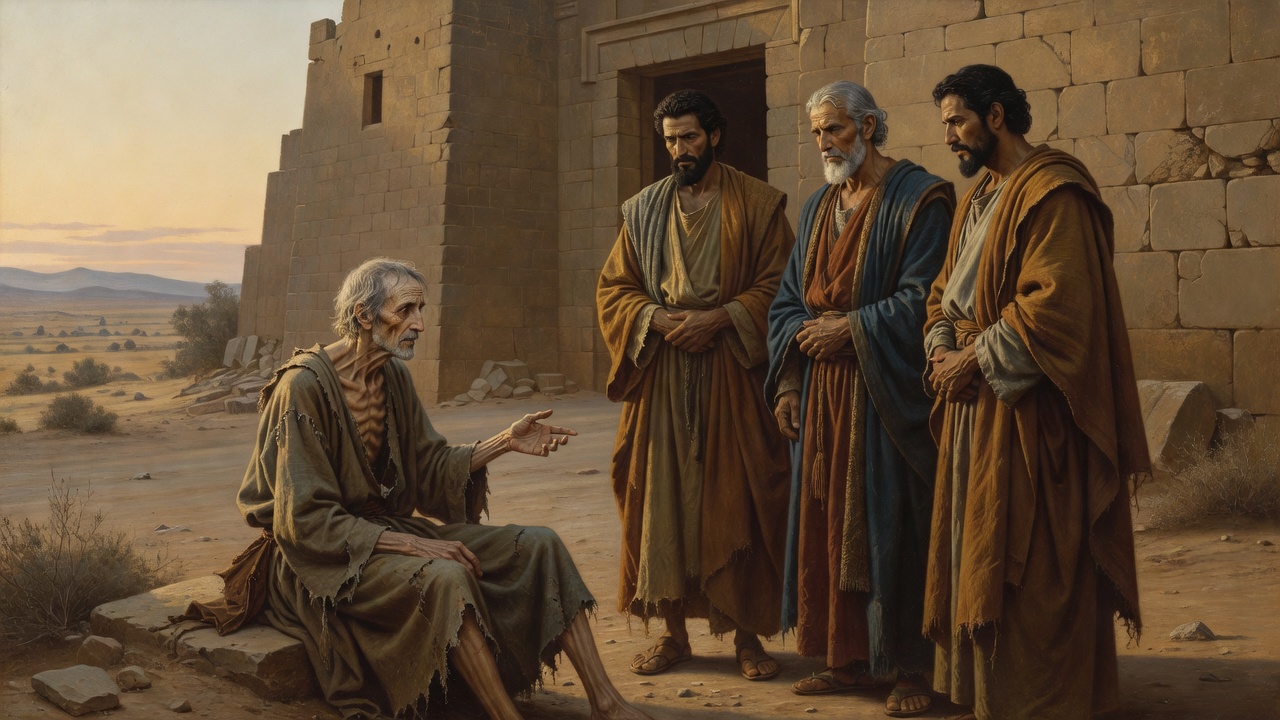
Job's Despair and the Prospect of the Grave
- Job appeals directly to God to act as his pledge or guarantor. In ancient legal practice, a guarantor assumed responsibility for someone accused or indebted, and Job found no human ally willing or able to defend him.Sources: the Bible text itself
- Job describes himself as becoming a byword among the people, a status where an individual's suffering turns into an object of public mockery, contempt, and proverb-like warning.Sources: the Bible text itself
- In his grief, Job speaks of the realm of the dead (Sheol) and the grave as his only remaining home, metaphorically adopting the pit and worms as his closest family members.Sources: the Bible text itself
Notes written with AI assistance from open sources (Theographic Bible Metadata, CC BY-SA 4.0; Easton’s Bible Dictionary, public domain) and reviewed before publishing.
Credits and license for this translation
Bibiri Kuyie Nnɑ́ɑǹtì Pɑ́tíri
The Holy Bible in the Ditammari language of Benin
copyright © 2001 SIM International
Language: Ditammari
Translation by: SIM
This translation text is made available to you under the
terms of the Creative Commons License: Attribution-Noncommercial-No Derivative Works.
( http://creativecommons.org/licenses/by-nc-nd/3.0/ )
In addition, you have permission to port the text to different file formats, as long as you
do not change any of the text or punctuation of the Bible.
You may share, copy, distribute, transmit, and extract portions
or quotations from this work, provided that you include the above copyright
information:
You must give Attribution to the work.
You do not sell this work for a profit.
You do not make any derivative works that change any of the actual words or punctuation of the Scriptures.
Permissions beyond the scope of this license may be
available if you contact
us with your request.
This translation is made available to you under the terms of the
Creative Commons Attribution-No Derivatives license 4.0.
You may share and redistribute this Bible translation or extracts from it in any format, provided that:
You include the above copyright and source information.
You do not make any derivative works that change any of the actual words or punctuation of the Scriptures.
Pictures included with Scriptures and other documents on this site are licensed just for use with those Scriptures and documents.
For other uses, please contact the respective copyright owners.
2022-05-31
Source: http://ebible.org/tbzsim/ · eBible.org