Job 14
Bibiri Kuyie Nnɑ́ɑǹtì Pɑ́tíri · Tap a verse to see its cross-references.
Onìtì í tú òmɔù
1Onìtì yie nhonìtì pɛitɛ́ wè,
o we í sũ kɛ nɛ́ tú pèmpè nkpɛyɛ.
2Onìtì dònnɛ̀ mutepóó nhɔ̃ɔ̃ titɛ mɛ̀mmɛ kɛ mɔ́tóo bɑ̀mbɑ̀,
mɛdɛ́ɛ̀ nhɔ̃ɔ̃ yɛnnímɛ̀ bɑ́ mɛ̀ bɑ́ɑ́ ɔɔtɛ.
3Dɛ kóo nìtì botí nku ɑ bo mpɑkíímɑ̀ɑ̀?
A bo nwe nyu tibeéntì kɛ̀ di bekù wenwe nɛ̀ fɔ̃́nnɑ́ɑ̀?
4We mbo nɑ kɛ́dennɛní dɛ̀ɛ̀ tu dɛsɑ̀ɑ̀rɛ̀ dɛsĩ̀nnɛ̀ miɛkɛ?
Dɛ yiɛ̀ nyí bo bɑ́ omɑ́ɑ̀.
5A mɛ nkɑ̀ɑ̀mɛ̀mu o we kɛ yɛ̃́ o tɑ̃̀ɑ̃̀bɛ̀ bo bɛ̀dɛ̀,
ɑ ò kèétɛ́mu kumɑ̀nku ò í yóó nɑ kɛ́séntɛ́ kù.
6Yĩ́ ɑ nɔ̀nfɛ̀ kɑ̃́mii kóò yóu kòo wei,
kɛ̀ dɛ̀ɛ yie nkòo yɑ̀ diwɛ̀ì otɔ̃ntì ɔ̃ɔ̃ yɑ̀ dì ò cɔutɛ́ dìì yiè o yeti.
7Mutie kpɛrɛ wɛ̃̀tɛ kɛ wenninɛ̀mu onìtì,
kɑ̀ɑ mù kɔ̃ṹ mùu puku,
mù bɑ́ɑ́ pɑɑ̀ yɛpɑ̀ɑ̀ mbo yɛ̀nnímɛ̀.
8Bɑ́ kɛ̀ mu cĩ̀ɛ̃ nkòtɛ́ kɛtenkɛ̀ miɛkɛ,
bɑ́ kɛ̀ mu kũ̀nnì dò ndì ku mutɑ̃́ɑ̃́ mmiɛkɛ,
9kɛ̀ mù kèè mɛniɛ nkó kubooku mùu wɛ̃tɛ kɛ́sɛntɛ̀,
kɛ̀ mu bɑkɛɛ siku ditepɑ̀nnì kɔ̃mɛ.
10Kɛ̀ onìtì yie mɛ nku ò bɑ́ɑ́ nɑmpɛ,
kòo wemmu kũ̀ńtɛ́ ɑ bɑ́ɑ́ yɑ̀ ò cuó nkɛ̀.
11Dɑ̀mɛ́ɛ̀rì ɔ̃ɔ̃ kṹṹmɛ̀,
ikó nhɔ̃ɔ̃ kpeímɛ̀ kɛ́pɑ́ɑ́.
12Onìtì kpɛrɛ mɛ ndò nkòò ku ò kumu, ítɛ́ í bo,
nɛ̀ kɛtenkɛ̀ bo deèmɛ̀ ò bɑ́ɑ́ entɛ o nɔndɔmmú miɛkɛ.
13Kuyie nkɑ̀ɑ do bo yie nhɑ́ n sɔnnɛ kudɔnkù,
kɛ̀ nní nsɔri kɑ̀ɑ miɛkɛ yɑ̀ɑ deènɛ̀,
kɑ̀ɑ n kéétɛ́ dimɔ̀nnì, ɑ yóó dentɛní dì n kpɛ́í.
14Kòo nìtì níí do nku kɛ́foutɛ,
n nɑ mmimmu nh ɑ́ɑ̀rìmɛ̀ miɛkɛ
kɛ kémmú n kó mɛfíè mbo deèmɛ̀ kɑ̀ɑ nh om̀pùnnɛ.
15Dɛ mɔ̀nnì kɑ̀ɑ yú kɛ̀ n yie,
ɑ bo nyɑ́ɑ́ ndìì mɔ̀nnì ɑ bo n yɑ̀mɛ̀ mí nhɑ dɔ́ wè.
16Di mmɔ̀nnì ɑ mɛ̀ nkɑ̀ɑmmɛ̀ n nɑcɛ̀fɔ̃̀tɛ̀,
dɛ mɔ̀nnì kpɑɑnímu kɑ̀ɑ tɛ̃́nkɛ í yó mpɑkíí n yɛi.
17Dɛ mɔ̀nnì kɑ̀ɑ cũɔ̃́ n yɛi nkuyɔ̀rìkù kɛ́dootóo,
mɛmmɛ ɑ yóó ũtɛ́mɛ̀ n cɑɑ̀rìmɛ̀.
18Yɛtɑ̃rɛ̀ mɔ́mmɔnyɛ yóó duómu kɛ́puɔ,
kɛ̀ dipèrìi totɛ dicónnì.
19Mɛniɛ nhɔ̃ɔ̃ pɔ̃ntɛ́mɛ̀ kɛ́kokɛ́ dipèrì,
mɛniɛ nhɔ̃ mpũɔ̃̀ nkɛ tɔumɛ̀ mutɑ̃́ɑ̃́,
mɛɛ̀ botí nku onìtì nɑ mbɑɑ dɛ̀ dèumɛ̀.
20Fɔ̃́ɔ̃̀ ɔ̃ɔ̃ ò kòtɛ kòo do sɑ̃́ɑ̃̀ kɛ bɑ́ɑ́ ítɛ́,
kɑ̀ɑ cɑɑ̀rɛ̀ o ììkɛ̀ kóò pɛ̃ɛ̃.
21Bɑ́ kɛ̀ bɛ̀ sɑ̃ntí o bí ò bɑ́ nyɛ̃́,
kɛ̀ bɛ̀ mɛ nyì sènkɛ̀rì ò bɑ́ɑ́ yɑ̀.
22Ò fɛ̃́ũ̀rì omɑ́ɑ̀ kó mɛfɛ̃́ṹtímɛ̀ mmɛ,
ò kuɔ̀ nhomɑ́ɑ̀ kó didɑbònnì ndi.
Did you know?
The Frailty of Life and the Hope of Renewal
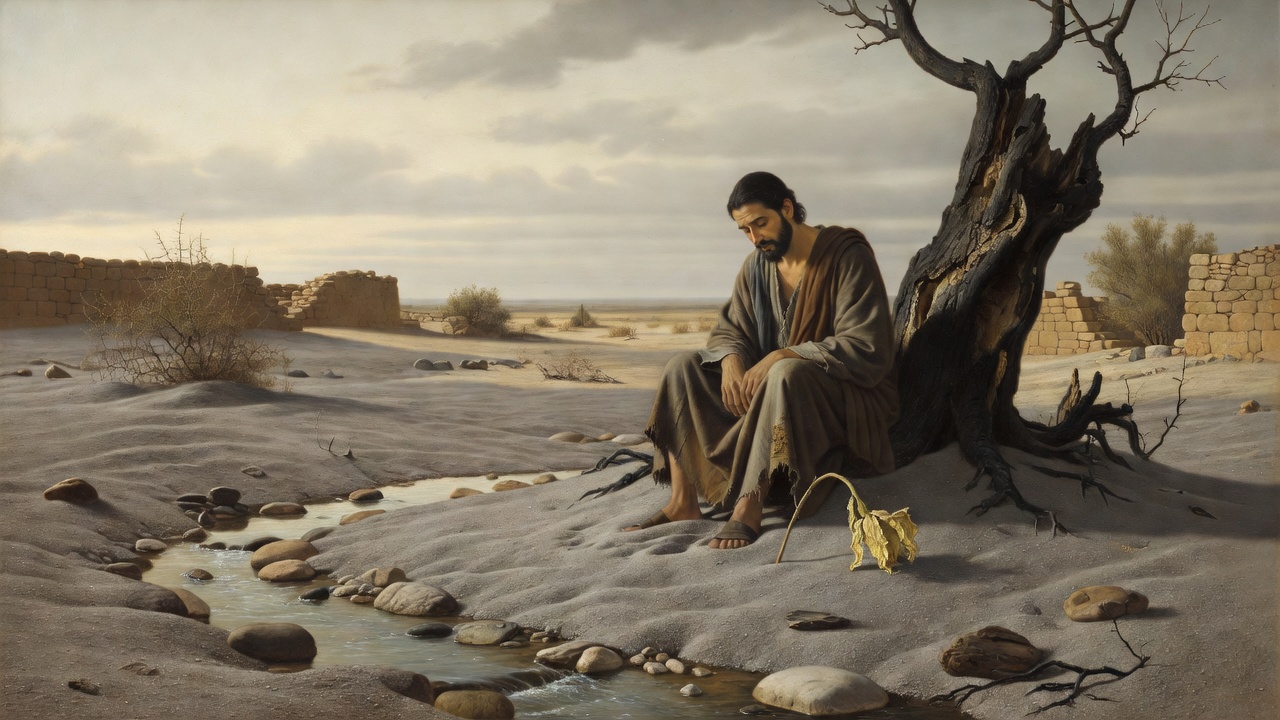
- In this speech, Job contrasts the fate of mortals with that of a tree. While a felled tree can sprout new shoots at the scent of water even after its stump seems dead, a human being dies, lies down, and does not rise again to life on earth.Sources: the Bible text itself
- Job contemplates Sheol as a potential hiding place where he might be sheltered until divine anger passes, imagining a longing in which God would seal his transgressions in a bag and call upon the work of His hands.Sources: the Bible text itself
- To capture the brevity and decay of human existence, the chapter draws upon natural metaphors of erosion and transience, comparing human life to a fleeting shadow, a withered flower, and rocks worn down by water.Sources: the Bible text itself
Notes written with AI assistance from open sources (Theographic Bible Metadata, CC BY-SA 4.0; Easton’s Bible Dictionary, public domain) and reviewed before publishing.
Credits and license for this translation
Bibiri Kuyie Nnɑ́ɑǹtì Pɑ́tíri
The Holy Bible in the Ditammari language of Benin
copyright © 2001 SIM International
Language: Ditammari
Translation by: SIM
This translation text is made available to you under the
terms of the Creative Commons License: Attribution-Noncommercial-No Derivative Works.
( http://creativecommons.org/licenses/by-nc-nd/3.0/ )
In addition, you have permission to port the text to different file formats, as long as you
do not change any of the text or punctuation of the Bible.
You may share, copy, distribute, transmit, and extract portions
or quotations from this work, provided that you include the above copyright
information:
You must give Attribution to the work.
You do not sell this work for a profit.
You do not make any derivative works that change any of the actual words or punctuation of the Scriptures.
Permissions beyond the scope of this license may be
available if you contact
us with your request.
This translation is made available to you under the terms of the
Creative Commons Attribution-No Derivatives license 4.0.
You may share and redistribute this Bible translation or extracts from it in any format, provided that:
You include the above copyright and source information.
You do not make any derivative works that change any of the actual words or punctuation of the Scriptures.
Pictures included with Scriptures and other documents on this site are licensed just for use with those Scriptures and documents.
For other uses, please contact the respective copyright owners.
2022-05-31
Source: http://ebible.org/tbzsim/ · eBible.org