Jeremiah 5
Bibiri Kuyie Nnɑ́ɑǹtì Pɑ́tíri · Tap a verse to see its cross-references.
Osɑ̀ù í kpɑɑ́ Sedisɑdɛmmu bɑ́ omɑ́ɑ̀
1Cennɛ̀ Sedisɑdɛmmu ɛì dimɔu,
kɛ́bíékɛ́ kɛ́wɑmmú yɛcɛ̃kɑ̀rɛ̀ yɛmɔu
kòò mɔù bo bɑ́ omɑ́ɑ̀ wèè dɔ̀ɔ̀ri dɛ̀ɛ̀ sìɛ́ kɛ tũ ntimɔ́mmɔnti,
n cĩ́ɛ̃́ nSedisɑdɛmmu.
2Bɛ̀ ɔ̃ nnɑ́ɑ́ ndìì mɔnnì
kɛ tú ti Yiɛ̀ nKuyie m bomu
bɛ̀ ɔ̃ mpɑrìkumu kɛ nɛ́ soú.
3Ti Yiɛ̀ nKuyie nhɑ dɔ́ wèè nɑ̀ɑ́ nwènwe timɔ́mmɔnti,
ɑ bɛ̀ potɛ́mu dɛ̀ mɛ̀ nyí bɛ̀ nɑmpɛ.
A bɛ̀ kɔ̀ùmu kɛ dɔ́ kɛ́ bɛ̀ dèè bɛmɔu
bɛ̀ mɛ nyí yie nhɑ tié,
kɛ̀ bɛ to kpenkɛ ditɑ̃́rì kɔ̃mɛ
bɛ̀ í yie nkɛ bo wɛ̃tɛní ɑ borɛ̀.
4Bɛbíkɛ́nnìtìbɛ̀ mbɛ bɛ yɛ̀mmɛ̀ í bo,
bɛ̀ í bɑntɛ́ bɛ Yiɛ̀ nKuyie ndɔ́ dɛ̀
Kuyie mbɛ̀ tũ nkù kó ikuɔ́.
5Kɛ̀ n yóu kɛ dɔ̀
m bo kɔtɛ bɛkótíbɛ̀ borɛ̀ kɛ́ bɛ̀ bɛ́innɛ̀
kɛ yɛ̃́ bɛmbɛ yɛ̃́mɛ̀mu bɛ Yiɛ̀ nKuyie nkó kucɛ
kɛ yɛ̃́ ku kó ikuɔ́.
Kɛ n sɔ̃́ mbɛ kpɛrɛ í cɑ̃́ɑ̃́, bɛ mɔu bɛ̀ dɔ́ kɛ́nte bɛmɑ́ɑ̀ ndi,
kɛ tɔ̃̀tɛ mɛtɑummɛ̀ mɛ̀ɛ̀ do bo bɛmbɛ
nɛ̀ Kuyie mbɛ cuokɛ̀.
6Nɛ̀ dɛ kpɛ́í nyɛcìrícìrɛ̀ bo yɛ̀nní
kudúókù kɛ́ bɛ̀ cɑ̀ɑ́kɛ́,
dɛsĩ̀nnɛ̀ bo yɛ̀nní kutɑ̃fuɔ nkɛ́ bɛ̀ pĩ̀ḿmú.
Yɛkpɑmɑɑ̀ mbo nhokɛ bɛ ɛkɛ̀
kɛ̀ wèè yɛ̀nní yɛ̀ɛ ò pĩ́ nkɛ́nɛ́tɛ́
kɛ yɛ̃́ bɛ̀ kù yetɛmɛ̀ kucɛ mɛ̀pɛ́u
kɛ̀ bɛ cɑɑ̀rìmɛ̀ sṹṹ.
7Sedisɑdɛmmu kɔbɛ bɑ mbo nte kɛ̀ n di cĩ́ɛ̃́?
Di n dootóomu kɛ pɑrìkunɛ̀ yɛbɔkɛ̀ yètɛ̀.
N di duɔ́ nkɛ̀ di di kɛ sɑ̀nnɛ̀mu,
kɛ buróo yɛbɔkɛ̀ borɛ̀
kɛ dòntɛnɛ̀ onitipòkù wèè yóu o dɔù
kɛ tũ̀nnɛ wèè í tú o dɔù.
8Di sɑ̃̀ɑ̃́tɛ́nɛ̀ yɛsɑ̃ndɑkɛ̀ nyɛ,
yɛ̀ɛ̀ dɔ́ mudèè bɑ́ dì kɛ̀ dì kɔnti kɛ tũ nditɛrì pokù.
9M bo nwúónko dɛ kó bɛnìtìbɛ̀ kɛ bɑ́ɑ́ bɛ̀ potɑ́ɑ̀?
M bo nwúónko dɛ kó kubotí kɔbɛ kɛ bɑ́ɑ́ pɛitɑɑ̀?
Mí ndi Yiɛ̀ nKuyie n di bekúmu.
10Dekɛnɛ̀ dihɛì kó iduotí
kɛ́tɑ kɛ́kɔ̃ṹ fínyĩ̀ tebɑkɛ,
di nɛ́ bɑ́ɑ́ ì dèè pɑ́íí.
Cíɛ́nɛ̀ ìì í tú mí ndi Yiɛ̀ nKuyie n kpɛyi.
11Isidɑyɛɛribɛ kó kuwuɔ nkɔbɛ nɛ̀ Sudɑɑ kɔku kɔbɛ,
bɛ̀ n soutɛ́mu. Mí ndi Yiɛ̀ nKuyie m míì mɛ nyɛ̃.
A bo yetɛmɛ̀ Kuyie ndɛ kó mucɔ̃́ntimu tú mù
12Sudɑɑ ɛì kɔbɛ yetɛmu mí mbɛ Yiɛ̀ nKuyie,
nkɛ nɑ́ɑ́ nkɛ tú:
Kuyie nyí bo, mɛyɛi mmɑmɛ̀ í yóó ti tuɔkɛní.
Bɛ̀ mɛ nyí ti doti mudoò.
Dikònnì mɛ nyí yóó ti pĩ́.
13Kɛ̀ bɛ̀ɛ̀ tu bɛ̀ nɑ̀ɑ́ mmí nKuyie mpɑ̃ɑ̃nɑ́ɑǹtì,
bɛ̀ nɑ̀ɑ́ ntì tu dɛtetìrɛ̀ ndɛ,
tì í boní m borɛ̀.
Bɛ̀ nɑ̀ɑ́ ntìi tuɔkɛní bɛɛ̀ ĩ́nkɛ̀.
14Kɛ̀ dɛ̀ dò mmɛmmɛ Sedemii
ntɛ mí ndi Yiɛ̀ nKuyie Mpɑkɛdɑɑ n tú mù:
Nɛ̀ tinɑ́ɑǹtì bɛ̀ nɑ̀ɑ́ ntì kpɛ́í
bɛ̀ bo yĩ́ idɛí,
kɛ̀ n nɑ́ɑǹtì n dɑ nɑ́ɑ́ ntì ntú muhɑ̃ɑ̃́ nkɛ́ bɛ̀ cɔ̀útɛ́.
15Díndi Isidɑyɛɛribɛ n yóó íinní kubotí dɛdɛ́tirɛ̀ kɔku nku di kpɛ́í,
mí ndi Yiɛ̀ nKuyie mmíì bɛ́i.
Kubotí kukperíkù nku.
Kubotí kùù do bo nɛ̀ dimɔ̀nnì.
Di í yo ku nɑ́ɑǹtì,
di í yɛ̃́ kùù nɑ́ɑ́ nyɛ̀ɛ̀ tɑnnɔ̀.
16Dɛ kó kubotí do dònnɛ̀ kufɔ̃ti kùù pòòtɛ kɛ feío kùnku,
dɛ kó kubotí kɔbɛ tú bɛ kpɑ̀rìnuɔmbɛ mɑ́ɑ̀ ndi.
17Bɛɛ̀ yóó cɑkɛ di pɑɑ nnɛ̀ di diì,
kɛ́kuɔ di bí initidɑɑì,
nɛ̀ initipòì nɛ̀ di wũɔ̃,
kɛ́cɑkɛ fínyĩ̀ kó dɛtie nnɛ̀ fìkíè kpɛrɛ.
Bɛ̀ bo puɔ ndi ɛkɛ̀ iduotí fitɛ́ yɛ̀.
Di yɛ̀mmɛ̀ nɑɑtinɛ̀ yɛ̀.
18Mí ndi Yiɛ̀ nKuyie kɛ̀ m bɛ́i nkɛ dɔ̀: Bɑ́ nɛ̀ mɛmmɛ dɛ kó yɛwe miɛkɛ n yí yóó di kuɔ kɛ́deè. 19Kɛ̀ bɛ̀ bekɛ dìì mɔ̀nnì kɛ yĩ bɑ nte kɛ̀ Kuyie nti dɔ̀ɔ̀ miɛ? Fɔ̃́ nSedemii, ɑ́ bɛ̀ nɑ̀kɛ́ kɛ dɔ̀: Di dootóo mɛ̀ɛ̀ botí ti Yiɛ̀ nKuyie, kɛ fìé iwũɔ̃ ibotí tɛì kó yɛbɔkɛ̀, di tenkɛ̀ miɛkɛ, mɛɛ̀ botí nku ibotí tɛì yóó di kònnɛ̀mɛ̀ dihɛì dìì í tú di kpɛri, kɛ̀ di mpĩ́ mbɛ tɔ̃mmú.
Bɛ̀ɛ̀ yetɛ Kuyie nkpɛti bɛ kó mucɔ̃́ntimu
20Pĩɛ̃kɛ́nɛ̀ ti Sɑkɔbu kó kuwuɔ nkɔbɛ cuokɛ̀,
kɛ́ tì yèè Sudɑɑ kó kuwuɔ nkɔbɛ cuokɛ̀ kɛ dɔ̀:
21Kéntɛ́nɛ̀ ti díndi kuwuɔ nkùù yɛi nkɛ kpɑ mɛyɛ̀mmɛ̀,
díndi bɛ̀ɛ̀ mɔ̀kɛ inuɔ ndi mɛ nyí wúó,
kɛ mɔkɛ yɛto di mɛ nyí yo.
22Di í yó n yɔtɑɑ̀?
Mí ndi Yiɛ̀ nKuyie n di bekɛmu?
Di bùɔ̀tì í nduòɑ̀?
Mí nwèè pèńnɛ́ dɑ̀mɛ́ɛ̀rì mubirímú,
kɛ̀ mù dò nku perí sɑ̃́ɑ̃̀,
kɛ̀ mɛniɛ nyí mù sei.
Kɛ̀ yɛnɛ́fĩ̀nfĩ̀rɛ̀ tɔu mɛniɛ mmɛ̀ mɛ nyí mù sei,
kɛ̀ kuyɑɑkù íinko yɛnɛ́fĩ̀nfĩ̀rɛ̀
kɛ̀ yɛ̀ ùùti, yɛ̀ mɛ nyí mu sei.
23Díndi ku nwuɔ nkɔbɛ di to yɛɛ̀ kpeńnì,
di í yie n kpɛti di m bùtínnɛ́mu kɛ ìtɛ́.
24Di í totí di yɛ̀mmɛ̀ kɛ bo n depɛ
mí ndi Yiɛ̀ nKuyie,
mí nwèè di duɔ̀ nfɛtɑɑfɛ̀ fɛ mɔ̀nnì,
fɛĩ́nkɛ̀mbóntɑɑfɛ̀ nɛ̀ fɛtɑdentifɛ̀,
kɛ di duɔ̀ nyɛdidɛ̀ì mɔ̀rɛ̀,
25Di yetɛ mɛ̀ɛ̀ kpɛ́í nte kɛ̀ dɛ̀ tɛ̃́nkɛ í tùɔ̀kùní dɛ mɔ̀nnì.
Di cɑɑ̀rìmɛ̀ mɛɛ̀ te kɛ̀ di pɑ̀ɑ̀ dɛ kó mɛsɑ̀ɑ̀.
26Bɛyɛibɛ bɛɛ̀ bo n nìtìbɛ̀ cuokɛ̀,
kɛ ɔ̃ nhokɛ wèè dìí sinɔɔ ticùɔ̀tì o kɔ̃mɛ,
bɛ̀ dii mɛ̀ɛ̀ botí kɛ pĩĩ mbɛnìtìbɛ̀.
27Bɛ̀ ɔ̃ɔ̃ pĩ́mmú sinɔɔ kɛ píɛ mmɛ̀ɛ̀ botí kunɔrìdieku,
bɛ̀ yùúkú dɛ̀ pìɛ́kɛ́ mɛɛ̀ botí bɛ cɛ̃́ĩ miɛkɛ,
bɛ̀ mɛ nhɔ̃ nkɛ kpenkɛ kɛ mɔ̀ɔ̀tɛ bɛ kpɛrɛ.
28Kɛ kpénkú kɛ cɛ̃́ɛ̃́kú
kɛ nɛ́ dɔkɛ sɔkɛ́ mɛyɛi ndɔɔ̀rìmù,
bɛ̀ í bekù tibeéntì tì dò nkɛ́mbekùmɛ̀,
bɛ̀ í pĩ́ nyiciribí bɛ̀ dò nkɛ́ nyì pĩ̀ḿmɛ̀,
nɛ̀ mɛmmɛ kɛ̀ bɛ kpɛrɛ yíé.
Bɛ̀ mɛ nyí kommu bɛcĩ̀rìbɛ̀.
29Kɛ̀ di nɛ́ yɛ̃ m miɛkɛ bɑ́ mpɛ́ì dɛ kó fɛyɑnfɛ̀ kɔbɑɑ̀?
Mí ndi Yiɛ̀ nKuyie mmíì tì ndi bekɛ?
M bo yóu m bo potɛ́mɛ̀ kubotí kùù dò mmiɛ nnɑɑ̀?
30Dɛ̀mɑrɛ̀ cɑ̀nnɛ̀ isɔkɛ kpɛrɛ dɛɛ̀ dɔ̀ɔ̀ri dihɛì miɛkɛ.
31Kɛ yɛ̃́ bɛ̀ɛ̀ nɑ̀ɑ́ m pɑ̃ɑ̃nɑ́ɑǹtì bɛ̀ nɑ̀ɑ́mmɛ̀ siyɑ́ɑ̀bìsí nsi,
kɛ̀ ikuɔ́ nìùbɛ̀ wɑnti mucɔ̃́ntimu,
kɛ̀ n nìtìbɛ̀ dɛ̀ wùó ndɛsɑ̀ɑ̀rɛ̀.
Diyiè sɔnni yiè di nɛ́ yóó yĩ́mɛ?
Did you know?
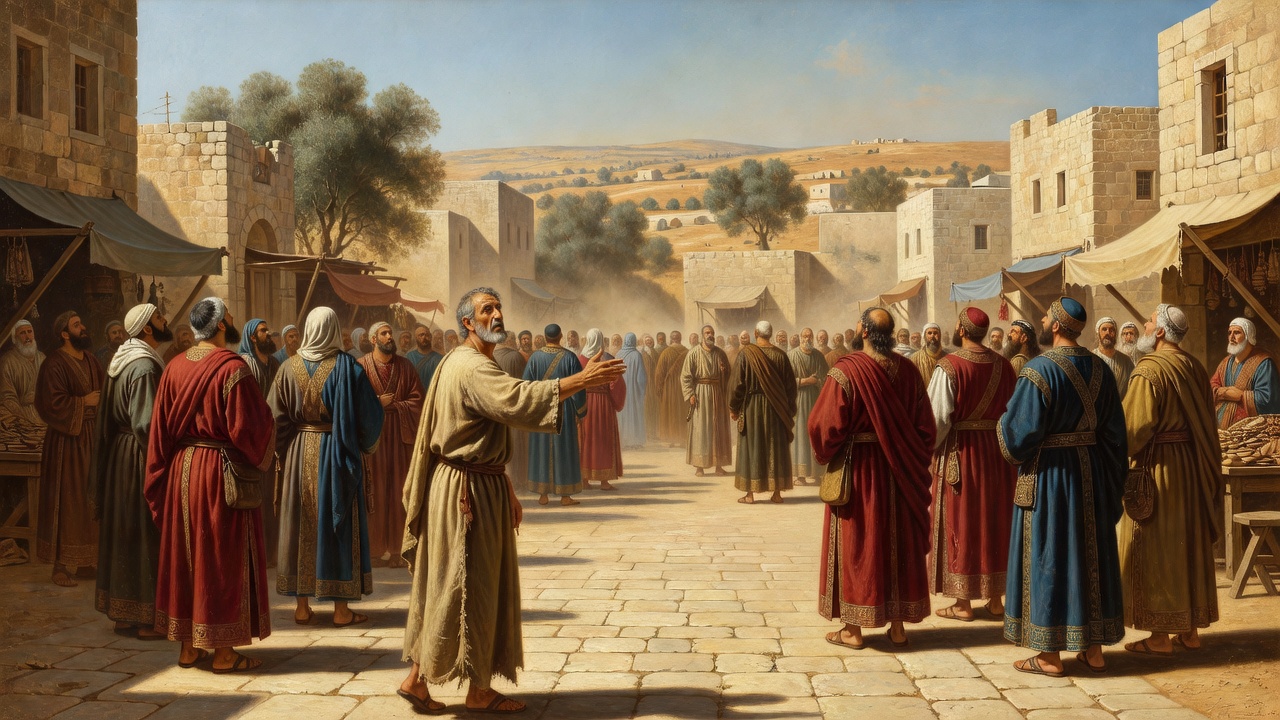
Judgment on Jerusalem's Injustice and Falsehood
- God calls for a search throughout the streets and public squares of Jerusalem to see if a single person acts justly and seeks truth, offering pardon to the city if one is found. Jeremiah observes that neither the ordinary people nor the powerful leaders know or follow the ways of the LORD.Sources: the Bible text itself · Jerusalem
- Jeremiah warns of an impending invasion by an ancient, distant nation whose language Judah does not understand. Although this invading army will ravage the land's harvests, livestock, and fortified cities, the LORD states that He will not make a complete end of His people.Sources: the Bible text itself
- The chapter condemns corrupt elites who grow wealthy through deceit, comparing their houses to cages full of trapped birds. They are rebuked for neglecting justice, particularly by failing to defend the legal rights of orphans and the poor.Sources: the Bible text itself
Notes written with AI assistance from open sources (Theographic Bible Metadata, CC BY-SA 4.0; Easton’s Bible Dictionary, public domain) and reviewed before publishing.
Places in this chapter
Only places identified with high confidence are shown (90% or more according to the scholarly sources compiled by OpenBible). Period map: DARE (Digital Atlas of the Roman Empire), CC BY 4.0; modern map: © OpenStreetMap contributors; places: OpenBible.info (CC BY 4.0).
Credits and license for this translation
Bibiri Kuyie Nnɑ́ɑǹtì Pɑ́tíri
The Holy Bible in the Ditammari language of Benin
copyright © 2001 SIM International
Language: Ditammari
Translation by: SIM
This translation text is made available to you under the
terms of the Creative Commons License: Attribution-Noncommercial-No Derivative Works.
( http://creativecommons.org/licenses/by-nc-nd/3.0/ )
In addition, you have permission to port the text to different file formats, as long as you
do not change any of the text or punctuation of the Bible.
You may share, copy, distribute, transmit, and extract portions
or quotations from this work, provided that you include the above copyright
information:
You must give Attribution to the work.
You do not sell this work for a profit.
You do not make any derivative works that change any of the actual words or punctuation of the Scriptures.
Permissions beyond the scope of this license may be
available if you contact
us with your request.
This translation is made available to you under the terms of the
Creative Commons Attribution-No Derivatives license 4.0.
You may share and redistribute this Bible translation or extracts from it in any format, provided that:
You include the above copyright and source information.
You do not make any derivative works that change any of the actual words or punctuation of the Scriptures.
Pictures included with Scriptures and other documents on this site are licensed just for use with those Scriptures and documents.
For other uses, please contact the respective copyright owners.
2022-05-31
Source: http://ebible.org/tbzsim/ · eBible.org