Jeremiah 21
Bibiri Kuyie Nnɑ́ɑǹtì Pɑ́tíri · Tap a verse to see its cross-references.
Kuyie mpɑ̃ɑ̃nɑ́ɑǹtì nɑ́ɑǹtò nɑ̀kɛ́mɛ̀ bɛ̀ yóó pɔntɛmɛ̀ Sedisɑdɛmmu
1Ntɛ ti Yiɛ̀ nKuyie ndo m bɛ́innɛ̀ tì okpɑ̀ɑ̀tì Sedesiɑ tɔ̃nní dìì mɔ̀nnì Mɑdikiɑ birɛ Pɑsuu nɛ̀ Mɑɑsesɑɑ birɛ Sofonii ikuɔ́ nìùtì m borɛ̀ kɛ̀ bɛ̀ bo n nɑ́kɛ́ kɛ dɔ̀: 2Bɑbidɔnni kóo kpɑ̀ɑ̀tì Nɛbukɑnnɛsɑɑ weè ti do mudoò. Beé nKuyie nkɛ̀ ti yɑ̀ kù bo dɔɔ̀ tidiɛtì kɛ́ wè nti dɛ́tinnɛ̀. 3Kɛ̀ m bɛ̀ tɛ̃̀ńnɛ́ kɛ dɔ̀: Dí nɑ́kɛ́ okpɑ̀ɑ̀tì Sedesiɑ kɛ tú: 4Ti Yiɛ̀ nKuyie nyIsidɑyɛɛribɛ tũ nkù tu di tɔ tìì kpɑ̀rìnɛntì kɛ cokùnɛ̀ Bɑbidɔnni kóo kpɑ̀ɑ̀tì m bo duɔ́ nkɛ̀ di kó bɛhɑ̃ɑ̃pɔ̀mbɛ̀ bɛ̀ɛ̀ yɛ̀ kɛ dokùnɛ̀ Bɑbidɔnni kóo kpɑ̀ɑ̀tì nɛ̀ o kɔbɛ bɛ̀ɛ̀ cɛ̃̀tinnɛ dihɛì kɛ̀ bɛ̀ɛ kɔ́ntɛ́, kɛ́tɑnní dihɛì miɛkɛ kɛ́ dì do. 5Kɛ̀ n cómmú kɛ́ di dokɛ́nɛ̀ m mɔ́mmuɔ kɛ̀ dí yɑ̀ n nɔnyɔ̃nnì dòmmɛ̀ nɛ̀ n kpeńnìmɛ̀ m miɛkɛ kɛɛ̀ di yɛ̀ kɛ di cɔ̀útɛ́ mɛdiɛ̀. 6M bo bɔntɛ́ mutenkṹṹ ndɛ kó dihɛì bɛnìtìbɛ̀ nɛ̀ iwũɔ̃ kɛ̀ dɛ̀ɛ kú dɛmɔu. 7Kɛ̀ Kuyie nni nsɔkɛ́ ku nɑ́ɑǹtì kɛ bɛ́i nkɛ dɔ̀: Sudɑɑ kɔbɛ kóo kpɑ̀ɑ̀tì Sedesiɑ nɛ̀ o tũ̀mbɛ̀ nɛ̀ bɛsɔmbɛ bɛ̀ɛ̀ bo yentɛ́nɛ̀ mutenkṹṹ nnɛ̀ mudoò nɛ̀ dikònnì m bo bɛ̀ ɑ̃nnɛ́ Bɑbidɔnni kóo kpɑ̀ɑ̀tì Nɛbukɑnnɛsɑɑ nɔu miɛkɛ nɛ̀ bɛ̀ dootitɔbɛ̀ bɛ̀ɛ̀ bɛ̀ dɔ́nɛ̀ mukṹṹ mbɛ nɔu miɛkɛ. Bɛ̀ bo mbɛ̀ kɔ̀ù nɛ̀ yɛse bɛ̀ bɑ́ɑ́ súɔ́ nhòmɔù. Bɛ̀ bɑ́ɑ́ kuɔ́ nhòmɔù mɛsémmɛ̀, kunɑ́ɑ́ mbɑ́ mbɛ̀ bonɛ̀ òmɔù.
8Nɑ́kɛ́ bɛ kɛ dɔ̀: Mí ndi Yiɛ̀ nKuyie n tú bɛ̀ɛ tɑ̃ɑ̃tɛ́ mufòmmu yoo mukṹṹ. 9Wèè bo mbo dihɛì miɛkɛ mudoò muù yóó ò kònnɛ̀ yoo mutenkṹṹ yoo dikònnì kɛ̀ wèè mɛ nkɔ̀tɛ kɛ duɔ́ nhomɑ́ɑ̀ Bɑbidɔnni kɔbɛ bɛ̀ɛ̀ di pi ò bɑ́ɑ́ kú dɛɛ̀ yó ntú o kó mucɔ̃́ntimu. 10N yìtɛ́ kɛ wɛ̃̀ɛ̃tɛmu dɛ kó dihɛì bíɛ́kɛ̀ kɛ bo dì dɔ̀ɔ̀ mɛyɛi dɛ̀ í tú kɛ bo di dɔ̀ɔ̀ mɛsɑ̀ɑ̀. Dɛ kó dihɛì kɔbɛ doti Bɑbidɔnni kóo kpɑ̀ɑ̀tì nɔu miɛkɛ nkɛ kòò bo bɛ̀ cɔ́u mmuhɑ̃ɑ̃́. Mí ndi Yiɛ̀ nKuyie mmíì bɛ́i.
Kuyie nnɑ̀kɛ́ tì tɛkpɑ̀ɑ̀tìcĩ́ɛ̃̀tɛ̀ kpɛ́í
11Díndi Sudɑɑ kóo kpɑ̀ɑ̀tì kɔbɛ kéntɛ́nɛ̀ di Yiɛ̀ nKuyie ntú mù.
12Díndi Dɑfiti yɑɑ̀bí ntɛnɛ̀ di Yiɛ̀ nKuyie ntú mù:
Dí mbekù bɑ́ dìì yiè kɛ̀ dɛ̀ nwenni,
kɛ́dɛɛtɛ́ bɛ̀ fɛ̃́ũnko wè,
kóò fìètɛ nɛ̀ wèè ò fɛ̃́ũnko.
Kɛ̀ mɛɛ̀ dɔkɛ m miɛkɛ bo di yɛ̀nní
di dɔ̀ɔ̀ mɛ̀ɛ̀ yɛi nkpɛ́í,
kɛ́ di cɔ́útɛ́ muhɑ̃ɑ̃́ nkɔ̃mɛ bɑ́ òmɔù bɑ́ɑ́ nɑ kɛ́ mù kùɔ.
13Díndi bɛ̀ɛ̀ bo Sedisɑdɛmmu tɑ̃rì yómmɛ̀
kɛ sĩ́ĩ́ nkubiriku,
ti tɑ titɔbɛ̀ mbɛ.
Mí ndi Yiɛ̀ nKuyie mmíì bɛ́i.
Díndi bɛ̀ɛ̀ nɑ̀ɑ́ nkɛ tú
òmɔù bɑ́ɑ́ nɑ kɛ́ ti do mudoò kɛ́tɑ ti cɛ̃kperí miɛkɛ.
14N yitoomu kɛ bo di yietí di dɔ̀ɔ̀ mɛ̀ɛ̀ yɛi,
mí ndi Yiɛ̀ nKuyie mmíì bɛ́i.
M bo bɔntɛ́ muhɑ̃ɑ̃́ ndi kó kutúúkù dɛtie mbɛ̀ tu dɛ̀ sɛ́tìrì dɛ kɔku,
kɛ̀ kùu cɔ́útɛ́ pɑ́íí kɛ́tɑunnɛ̀ dɛ̀ɛ̀ kù tɔ̀kɛ́nɛ̀.
Did you know?
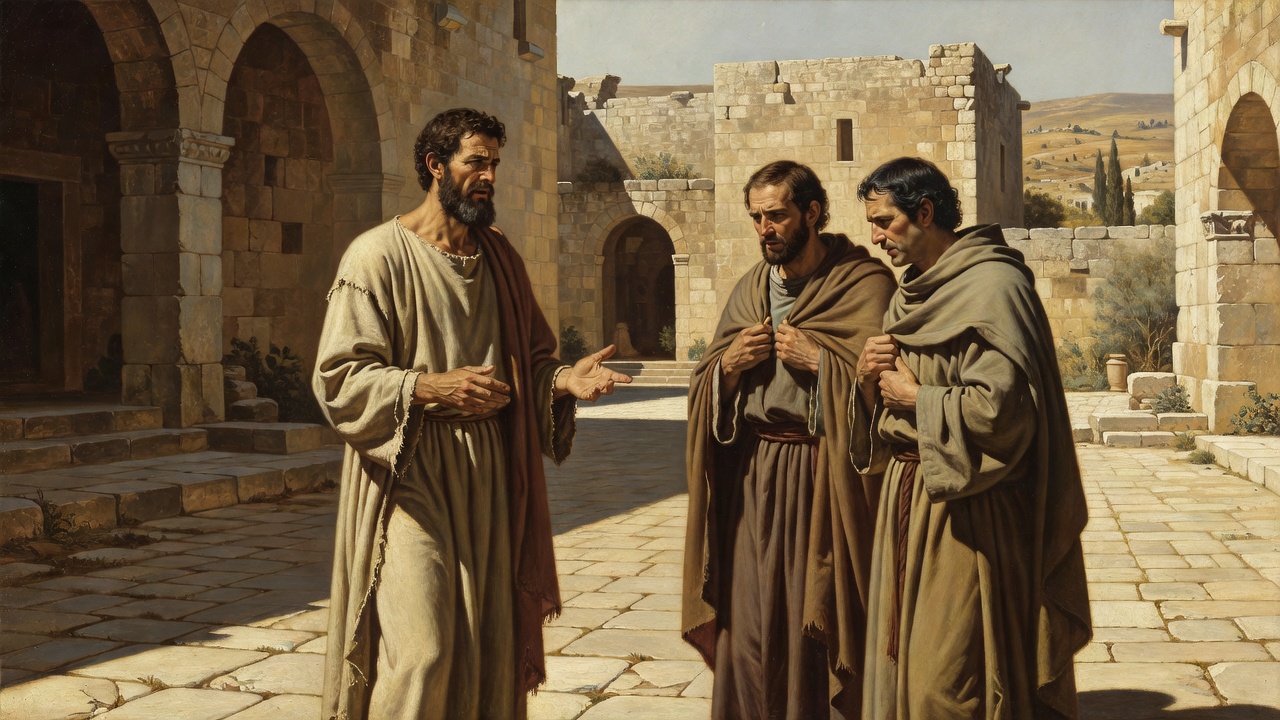
Zedekiah's Inquiry and the Coming Siege
- Facing invasion by King Nebuchadnezzar of Babylon, King Zedekiah of Judah sent a delegation to Jeremiah hoping God would perform a miraculous deliverance as in past times. Zedekiah had originally been placed on the throne by Nebuchadnezzar himself and became Judah's final king.Sources: Zedekiah · Nebuchadnezzar · the Bible text itself
- Among the royal emissaries was Zephaniah son of Maaseiah, who served as the second priest during Zedekiah's reign. Zephaniah was repeatedly sent by the king to inquire of Jeremiah regarding coming disasters and to seek the prophet's intercession.Sources: Zephaniah · Maaseiah · the Bible text itself
- Instead of promising relief, Jeremiah set before the people the choice between life and death. Those who remained inside Jerusalem would perish by sword, famine, and plague, while those who surrendered to the besieging Chaldeans would preserve their lives.Sources: the Bible text itself
Notes written with AI assistance from open sources (Theographic Bible Metadata, CC BY-SA 4.0; Easton’s Bible Dictionary, public domain) and reviewed before publishing.
Places in this chapter
- Babylon · 32.543, 44.422 · verses 2, 4, 7, 10
- Chaldea · 30.962, 46.104 · verses 4, 9
- Jerusalem · 31.777, 35.234 · verses 6, 8, 9, 13
Only places identified with high confidence are shown (90% or more according to the scholarly sources compiled by OpenBible). Period map: DARE (Digital Atlas of the Roman Empire), CC BY 4.0; modern map: © OpenStreetMap contributors; places: OpenBible.info (CC BY 4.0).
Credits and license for this translation
Bibiri Kuyie Nnɑ́ɑǹtì Pɑ́tíri
The Holy Bible in the Ditammari language of Benin
copyright © 2001 SIM International
Language: Ditammari
Translation by: SIM
This translation text is made available to you under the
terms of the Creative Commons License: Attribution-Noncommercial-No Derivative Works.
( http://creativecommons.org/licenses/by-nc-nd/3.0/ )
In addition, you have permission to port the text to different file formats, as long as you
do not change any of the text or punctuation of the Bible.
You may share, copy, distribute, transmit, and extract portions
or quotations from this work, provided that you include the above copyright
information:
You must give Attribution to the work.
You do not sell this work for a profit.
You do not make any derivative works that change any of the actual words or punctuation of the Scriptures.
Permissions beyond the scope of this license may be
available if you contact
us with your request.
This translation is made available to you under the terms of the
Creative Commons Attribution-No Derivatives license 4.0.
You may share and redistribute this Bible translation or extracts from it in any format, provided that:
You include the above copyright and source information.
You do not make any derivative works that change any of the actual words or punctuation of the Scriptures.
Pictures included with Scriptures and other documents on this site are licensed just for use with those Scriptures and documents.
For other uses, please contact the respective copyright owners.
2022-05-31
Source: http://ebible.org/tbzsim/ · eBible.org