Jeremiah 2
Bibiri Kuyie Nnɑ́ɑǹtì Pɑ́tíri · Tap a verse to see its cross-references.
Isidɑyɛɛribɛ tɛ̃́nkɛ í dɔ́mɛ̀ Kuyie mbɛ̀ do kù dɔ́ mɛ̀ɛ̀ botí
1Kɛ̀ ti Yiɛ̀ nKuyie nni mbɛ́innɛ̀ kɛ dɔ̀: 2Kɔtɛ Sedisɑdɛmmu kɔbɛ borɛ̀ kɛ́pĩɛ̃kɛ́ kɛ̀ bɛ̀ɛ keè. Mí ndi Yiɛ̀ nKuyie m míì tu:
N kpɑɑ́ kɛ yɛ̃́mu di do n tɑunnɛ̀mɛ̀
di bíkɛ́mbɛ́ntì mɔ̀nnì.
N do di puokɛ bɑ̀mbɑ̀,
kɛ̀ di nni ndɔ́mɛ̀,
kɛ̀ nní nnimɛ̀ dikpɑ́ɑ̀ tɛdɔntɛ̀ miɛkɛ kɛ di ntũ̀.
3Isidɑyɛɛribɛ di do cɑ̃́ɑ̃́mmu kɛ tú n kɔbɛ,
kɛ̀ n di te nh ɔ̃ ntemɛ̀ bɑ́ tìì diitì di ɔ̃ɔ̃ dɛitɛ tì mɛketimɛ̀,
kɛ̀ tì tu n kpɛti,
òmɔù do ɔ̃ nkòò di kɑ̀ɑ́kɛ́ wèe tuɔti icɛ nyi,
kɛ̀ mɛyɛi nhò do.
Mí ndi Yiɛ̀ nKuyie mmíì bɛ́i.
4Díndi Sɑkɔbu yɑɑ̀bí keènɛ̀ n tú mù,
Isidɑyɛɛribɛ kó iwuɔ nkémmúnɛ̀ n yɛ̃ mmù.
5M bɛ́immu kɛ tú:
n do cɑ̀ɑ̀rɛ̀ bɑ di yɛmbɛ̀
kɛ̀ dɛɛ̀ nte kɛ̀ bɛ̀ n yóu kɛ tũ̀nnɛ dɛtetìrɛ̀ kpɛrɛ?
Kɛ nɑɑ́ bɛmɔ́mmɔmbɛ dɛtetìrɛ̀.
6Bɑ́ bɛ̀ í békú bɛmɑ́ɑ̀
mí mbɛ Yiɛ̀ nKuyie nkùu bɛ̀ dènnɛní Esibiti m borɛ̀.
Mí nwèè do bɛ̀ bonɛ̀ dikpɑ́ɑ̀ tɛdɔntɛ̀ miɛkɛ yɛfɔ̃̀tɛ̀ borɛ̀.
Tɛdɔnkpetɛ̀ mufòmmu í borɛ̀.
Òmɔù í borɛ̀, onìtì í pɛ̃nkù dɛ̀.
7Míì di kɔ̀tɛnɛ̀ní kɛ di kɑ̀nnɛ kɛtennɑtikɛ̀,
kɛ̀ di bo nyo ntidisɑ̀ɑ̀tì,
kɛ̀ di nɛ́ tɑ nh ɛì kɛ dì sĩ̀nkùnnɛ,
kɛ dì cɑ̀kɛ, kɛ̀ dì nɑɑ́ nyisɔkɛ.
8Bɑ́ ikuɔ́ nìùbɛ̀ í békú bɛmɑ́ɑ̀
mí mbɛ Yiɛ̀ nKuyie mborɛ̀.
Ikuɔ́ yɛmbɛ̀ tɛ̃́nkɛ í n yɛ̃́.
Bɛ̀ɛ̀ tu bɛnìùbɛ̀ bɛ̀ tɛ̃́nkɛ í yie n kpɛti,
kɛ̀ bɛ̀ɛ̀ do nɑ́ɑ́ m pɑ̃ɑ̃nɑ́ɑǹtì
kɛ̀ bɛ̀ nɑ̀ɑ́nnɛ̀ dibɔɔ̀ Bɑɑdi kó muwɛ̃rímú,
kɛ tũ̀nnɛ dɛtetìrɛ̀ kpɛrɛ.
9Dɛɛ̀ te kɛ̀ n di bekùnɛ̀
kɛ yó ndi bekùnɛ̀ díndi nɛ̀ di yɑɑ̀bí.
Mí ndi Yiɛ̀ nKuyie mmíì bɛ́i.
10Kɔtɛnɛ̀ Kitimmu ɛkɛ̀ yɛ̀ɛ̀ sokɛ́ mɛniɛ mmiɛkɛ kɛ́yɑ̀.
Tɔ̃nnɛ̀ bɛnìtìbɛ̀ kɛ̀ bɛ̀ɛ kɔtɛ Kedɑɑ ɛì,
kɛ̀ nsɑ̀ kɛ̀ bɛ̀ dɔ̀ɔ̀ri di mɛ̀ ndɔ̀ɔ̀rimɛ̀.
11Kubotí mɑkù kɔbɛ ceeri ku bɔkɛ̀ miɛ m̀botɑ́ɑ̀?
Bɑ́ nɛ̀ yɛ̀ í mɛ ntúmɛ̀ Kuyie nnɑɑ̀?
Díndi n kó bɛnìtìbɛ̀ kɛ̀ díndi nɛ́ n tùótɛ́
mí nwèè do te kɛ̀ bɛ̀ di sɑ̃ntí,
kɛ cèètɛnɛ̀ dɛtetìrɛ̀ kpɛrɛ!
12Díndi kɛĩ́nkɛ̀ kɔbɛ dɛ̀ dò nkɛ́ dí dimu
kɛ dí pĩ́ nyisíɛ́.
Mí ndi Yiɛ̀ nKuyie míì bɛ́i.
13N nìtìbɛ̀ n cɑ̀ɑ̀rɛ̀mu kɛ̀ dɛ̀ dɛu,
bɛ̀ n dootóomu mí mbɛ Yiɛ̀ nKuyie,
mí mmɛnɛ́sɑ̀ɑ̀mɛ̀ kó dinɛ́bòrì
kɛ kɔ̀tɛ kɛ keú yɛfɔ̃̀tɛ̀,
yɛfɔ̃tìkperɛ̀ bɑ́ mɛniɛ nyí bo.
Isidɑyɛɛribɛ bo bɑntɛ́mɛ̀ kɛ dò ndɛ̀ yóù ɑ bo dootóomɛ̀ Kuyie
14Isidɑyɛɛribɛ di tú tidɑɑtɑ̀ɑ?
Yɑ́ɑ̀ di tú kudɑɑkù kó ibí nyi?
Dɛ̀ nɛ́ dòmmɛ̀ kɛ̀ bɛ̀ di pɔǹtì kɛ ɛiti di kpɛrɛ?
15Bɛ̀ kontí yɛcìrícírɛ̀ tɛ̃mɛ̀ mmɛ,
kɛ pɛ́ú mɛtɑmmɛ̀,
kɛ̀ pɔ̀ntɛ dihɛì dimɔu kɛ̀ dì dɔúnko,
kɛ nɑɑ́ ntidobontì bɑ́ òmɔù tɛ̃́nkɛ í dì bo.
16Bɑ́ nɛ̀ Esibiti kó yɛhɛkɛ̀ Nɔfu nɛ̀ Tɑpɑnɛsi kɔbɛ,
kɛ̀ bɛ̀ kuó di yùtì.
17Isidɑyɛɛribɛ di kó mɛyetímɛ̀ mɛɛ̀ te
kɛ̀ dɛ̀ di tùɔ̀kɛní,
di dootóo mí ndi Yiɛ̀ nKuyie nku,
kù do di ní dìì mɔ̀nnì kucɛ sɑ̀ɑ̀kù miɛkɛ.
18Di nɛ́ dɔɔri bɑ miɛ
di mɛ̀ ntũmmɛ̀ Esibiti kó kucɛ
kɛ bo yɑ̃̀ kukó nNiidi kó mɛniɛ
di dɔ́ɔ̀rì Asiidi kó kucɛ
di bo kɔtɛmɛ̀ mmɛ kɛ́yɑ̃̀ kukó ndiɛkù Efɑdɑti kó mɛniɛ, ndɛ bo di teennɛ̀ bɑ?
19Di dɔnniti tiì yóó di tié,
di bùtínnɛ́mɛ̀ Kuyie dɛ kó tiyɛ̃ĩti nti di yɑumɛ̀,
kɛ̀ dɛ̀ bo yie nkɛ̀ di bɑntɛ́ di bo yóumɛ̀
mí ndi Yiɛ̀ nKuyie nwèè di te,
kɛ í nní ndé, dɛ̀ n yóù mɛ̀ɛ̀ botí kɛ n tii.
Mí ndi Yiɛ̀ nKuyie Mpɑkɛdɑɑ míì bɛ́i.
Kuyie ndònnɛnɛ̀mɛ̀ Isidɑyɛɛribɛ onitipòkù wèè dɔuti dɔutinɛ̀ bɛnitidɑɑbɛ̀
20Kɛ̀ ti Yiɛ̀ nKuyie mbɛ́i nkɛ dɔ̀:
Nɛ̀ dimɔ̀nnì ndi di í yiemmɛ̀ n kpɛti,
kɛ n yɑ̀tɛnɛ̀ kɛ nɑ́ɑ́ nkɛ tú: Ti dɔ́ kɛ́nte timɑ́ɑ̀.
Kɛ nɛ́ kɔrì sitɑ̃ɑ̃́ simɔu ĩ́nkɛ̀
onitipòkù wèè dɔuti dɔutinɛ̀ bɛnitidɑɑbɛ̀ o kɔ̃mɛ,
kɛ kɔ̃nkù dɛtediɛrɛ̀ dɛmɔu yɔ.
21M mɛ ndo di fìí
nkɛ̀ di ndònnɛ̀ fínyĩ̀ tie nsɑ̀ɑ̀mù mmu.
Mutie mùù mɛ̀nkɛ wenni.
Dɛ̀ nɛ́ yĩmɛ kɛ̀ di cèetɛ kɛ nɑɑ́ mmutie dikpɑ́ɑ̀ kɔ̃mu musĩ̀mmù?
22Bɑ́ kɛ̀ di ɔ̀ú dimɑ́ɑ̀ nɛ̀ yɛfɔ̀dúɔ̀
bɑ́ kɛ̀ di ɔ̀únɛ̀ ciɛkúrɛ̀ di yɛi
mɛ̀ bɑɑ yó nkpɑɑ́ bomu kɛ̀ m mɛ̀ wùó.
Mí ndi Yiɛ̀ nKuyie mmíì bɛ́i.
23Di bo yĩ́mɛ kɛ dɔ̀ di í sɑ̃ũ ndimɑ́ɑ̀?
Di í tũ̀nnɛ yɛbɔkɛ̀ Bɑɑdibɑɑ?
Wéntɛ́nɛ̀ di do kérí sìì nɑɑ̀cɛ̀i dikpɑ́ɑ̀ dibiri miɛkɛ,
kɛ̀ nsɑ̀ kɛ̀ di bo bɑntɛ́ di dɔɔri dɛ̀.
Bɑ́ yòyó kó dɛbirɛ bɑ́ nkɔɔrí mɛmmɛ sinɑɑ̀cɛ̀i.
24Di dònnɛ̀ disɑ̃mmɑrínnɑnnì kó disɛrì ndi,
dìì mɑntɛ́nɛ̀ dikpɑ́ɑ̀ kó mucèmmu,
kɛ̀ di kɔ̃̀ntì ìtɛ́ kɛ̀ di wɑnti yɛdɑɑyɛ̀.
Kɛ fĩmmú dì í dò nhòmɔù bo nɑ kɛ́ dì còńnɛ́,
yɛdɑɑyɛ̀ yɛ̀ɛ̀ dì wɑnti yɛ̀ bɑ́ɑ́ bennɛ́ kɛ́ɔu,
kɛ̀ di kɔ̃̀ntì yɑ̀ùtɛ̀ yɛ̀ yóó dì yɑ̀mu.
25Isidɑyɛɛribɛ kɛ̀ di cokù mɛcɑ̃ɑ̃
ndi nɑɑ̀cɛ̀i bo fɑ̃́ṹtɛ́ kɛ̀ di níí kpeí.
Kɛ̀ di nɛ́ mɛ̀ ntúmɛ̀ di kpɛti í bomu,
kɛ̀ díndi dɔ́ yɛbɔkɛ̀ nyɛ kɛ yó nyɛ ntũ̀.
26Bɛ̀ ɔ̃ɔ̃ pĩ́ nhoyúókù kɛ̀ ifɛi ò kùɔ mɛ̀ɛ̀ botí,
ifɛi yóó mɛ ndi pĩ́ ndíndi Isidɑyɛɛribɛ
nɛ̀ di kó bɛkpɑ̀ɑ̀tìbɛ̀ nɛ̀ di kpɑ̀ɑ̀tìtũ̀mbɛ̀,
nɛ̀ ikuɔ́ nìùbɛ̀ nɛ̀ bɛ̀ɛ̀ nɑ̀ɑ́ mí nKuyie m pɑ̃ɑ̃nɑ́ɑǹtì.
27Díndi bɛ̀ɛ̀ ɔ̃ nwúó ntɛbɔɔtenkɑɑnìtɛ̀ kɛ tú
tɛɛ̀ tu di cicɛ,
kɛ́nwúó ndibɔɔtɑ̃́rì kɛ tú
diì di te.
Di bo ntũ̀ mmɛ̀ mí ndi Yiɛ̀ nKuyie
nkɛ̀ di m bùtínnɛ́ pɑ́í pɑ́í.
Kɛ̀ dɛ̀ di di dìì mɔ̀nnì di nɛ́ nní nyu
kɛ tú n di dɛɛtɛ́.
28Dɛ kó yɛbɔkɛ̀ borɛ di dɔ̀ɔ̀ yɛ̀?
Yɛ̀ɛ kɔtɛní kɛ̀ nsɑ̀ kɛ̀ yɛ̀ bo nɑ
kɛ́ dí dɛɛtɛ́ mɛyɛi ndi do dìì mɔ̀nnì.
Díndi Sudɑɑ kɔbɛ di bɔkɛ̀ sũmu
kɛ mɑ̀nnɛ̀ di ɛkɛ̀ mɑ̀mɛ̀.
29Dɛ̀ dòmmɛ̀ kɛ̀ di dɔ́ ti mɔɔtɛ tinɑ́ɑǹtì
mí nnɛ̀ díndi?
Dimɔu di m bùtínnɛ́mu,
mí ndi Yiɛ̀ nKuyie míì bɛ́i.
30Kɛ̀ n di puotí kɛ di puotí dɛtetìrɛ̀,
dɛ kó tiyɛ̃ĩti í di duɔ́ nyitié mmɑì,
kɛ̀ di nɛ́ pètìnkɛ kùɔ bɛ̀ɛ̀ nɑ̀ɑ́ m pɑ̃ɑ̃nɑ́ɑǹtì,
yɛkpɑmɑɑ̀ nkɔ̃mɛ.
31Díndi di mmɔ̀nnì kɔbɛ kéntɛ́nɛ̀ mɛsɑ̀ɑ̀,
mí ndi Yiɛ̀ nKuyie n nɑ́ɑ́ ntì.
Díndi Isidɑyɛɛribɛ n nɑɑ́ ndi kpɛ́í tɛdɔntɛ̀ kó dikpɑ́ɑ̀ ndi
kɛ duò tikɔ̃m̀bùɔ̀tɑ̀ɑ̀?
Yɑ́ɑ̀ n nɑɑ́ ndi kpɛ́í dihɛì dibiìnnì kpɛri ndi?
Dɛ̀ nɛ́ dòmmɛ díndi n nìtìbɛ̀
kɛ̀ di tú di yó nceǹtì
di dɔ́mɛ̀ mmɛ di í wɛ̃tiní m borɛ̀.
32Osɑpɑ̀ɑ̀ nhɔ̃ɔ̃ yɛ̃̀ nhosɑ̃tɑ̀ɑ̀?
Osɑpɑ̀ɑ̀ nwèè bo kɛ yenkú ò bo yɛ̃̀ nho yɑ̀ɑ̀tɑ̀ɑ̀?
N nìtìbɛ̀ biɛ mɛ nni nyɛ̃̀mmu bɑ́
dɛ̀ í tɔ́kɛ́ dɛ kó yɛwe í dò nkɛ́kɑɑ nkɛ́deè.
33Onitipòkù wèè nɔ nkɛ wɑɑ̀ mbɛnitidɑɑbɛ̀
ò dòmmɛ̀ di kpɛrɛ mɛ ndò
nkɛ yɛ̃́ di yɛ̃́mɛ̀ di ɔ̃mmɛ̀ kɛ wɑɑ̀ nyɛbɔkɛ̀.
Nɛ̀ dɛ kó mɛdɔɔ̀rìmɛ̀ yɛimɛ miɛkɛ
kɛ bo nɑ kɛ́tuo nyitié mbɛnitipòbɛ̀ bɛ̀ɛ̀ dɔuti dɔutinɛ̀ bɛnitidɑɑbɛ̀.
34Bɛsénnìbɛ̀ bɛ̀ɛ̀ í cɑ̀ɑ̀rɛ̀ mùmɑmù
kɛ̀ di bɛ̀ kùɔ
bɛ yĩ̀ĩ̀ nkpɑɑ́ kɛ dɑrimu di yɑɑ̀bòrɛ̀ mɑ̀nkɛ.
Di mɛ nyí bɛ̀ pĩ nkɛ̀ bɛ̀ dɔ̀ɔ̀ri mɛyɛi.
35Nɛ̀ mɛmmɛ kɛ̀ di yɛ̀mmɛ̀ dò ndi wenni
kɛ̀ di tú Kuyie mmiɛkɛ í yó nsɔkɛ́ kɛ di pɛ́ì.
Di nɑ́ɑ́ mɛ̀ɛ̀ kpɛ́í nkɛ tú di í cɑ̀ɑ̀rɛ̀ dɛɛ̀ te
kɛ̀ kù yóó di bekɛ́nɛ̀.
36Dɛ̀ yĩ́mɛ kɛ̀ di cɑ̃ɑ̃ icɛ mucɑ̃́ntímù,
di di ìì fɛi Asidii di yóó i ndi Esibiti.
37Di yó nkɛ wɛ̃tiní kɛ ceú di yɔ nyɛ,
kɛ yɛ̃́ di Yiɛ̀ nKuyie ndootóomɛ̀mu,
di do ĩkú bɛ̀ɛ̀ ĩ́nkɛ̀
dɛɛ̀ te kɛ̀ di í yóó pɛ́tɛ́ mɛteèmmɛ̀ mɑmɛ̀.
Did you know?
Israel's Forgotten Devotion
- In Jeremiah 2:10, the prophet contrasts Cyprus (Chittim) in the western Mediterranean with Kedar, representing the nomadic Arab tribes to the east in the Arabian desert. By referencing these opposite geographic horizons, the text emphasizes that not even surrounding pagan nations exchanged their traditional deities.Sources: the Bible text itself · Cyprus · Kedar
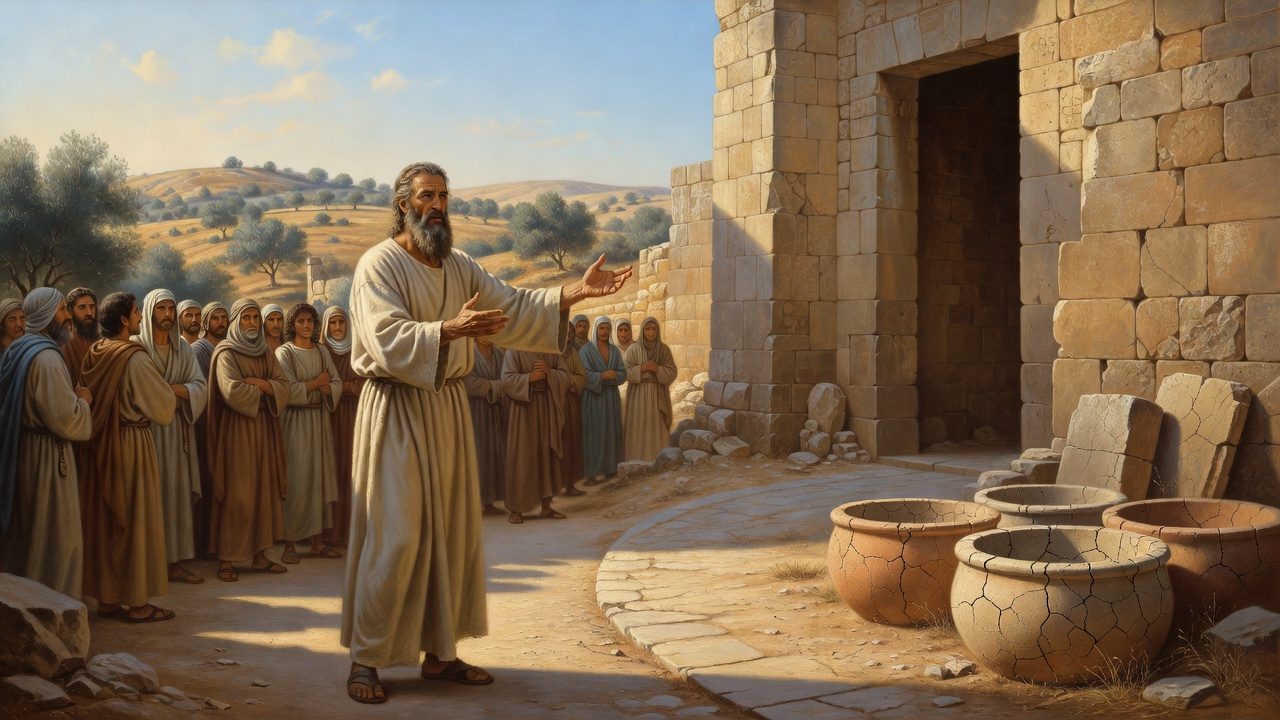
- The references to Memphis (Noph) and drinking the waters of the Nile and Euphrates highlight Judah's unstable political reliance on Egypt and Assyria. Jeremiah compares trusting foreign military powers to abandoning a fountain of fresh water in order to dig cracked, leaky cisterns.Sources: the Bible text itself · Memphis · Egypt · Assyria
- The rebuke against running after the 'Baals' uses the plural form for local cults of Baal, the chief male deity of the Phoenicians. The worship of Baal had repeatedly infiltrated Israel and Judah, frequently taking place on high hills and in sacred groves.Sources: the Bible text itself · Baal
Notes written with AI assistance from open sources (Theographic Bible Metadata, CC BY-SA 4.0; Easton’s Bible Dictionary, public domain) and reviewed before publishing.
Places in this chapter
- Jerusalem · 31.777, 35.234 · verse 2
- Egypt · 30.129, 31.308 · verses 6, 18, 36, 37
- Cyprus · 35.000, 33.000 · verse 10
- Kedar · 29.811, 39.868 · verse 10
- Memphis · 29.849, 31.253 · verse 16
- Tahpanhes · Today: Tell Defenneh · 30.861, 32.171 · verse 16
- Assyria · 36.359, 43.153 · verses 18, 36
- Euphrates · Today: Euphrates River · 31.004, 47.442 · verse 18
- Nile · Today: Nile River · 31.465, 30.367 · verse 18
- Valley of Hinnom · Today: Hinnom Valley · 31.769, 35.228 · verse 23
Only places identified with high confidence are shown (90% or more according to the scholarly sources compiled by OpenBible). Period map: DARE (Digital Atlas of the Roman Empire), CC BY 4.0; modern map: © OpenStreetMap contributors; places: OpenBible.info (CC BY 4.0).
Credits and license for this translation
Bibiri Kuyie Nnɑ́ɑǹtì Pɑ́tíri
The Holy Bible in the Ditammari language of Benin
copyright © 2001 SIM International
Language: Ditammari
Translation by: SIM
This translation text is made available to you under the
terms of the Creative Commons License: Attribution-Noncommercial-No Derivative Works.
( http://creativecommons.org/licenses/by-nc-nd/3.0/ )
In addition, you have permission to port the text to different file formats, as long as you
do not change any of the text or punctuation of the Bible.
You may share, copy, distribute, transmit, and extract portions
or quotations from this work, provided that you include the above copyright
information:
You must give Attribution to the work.
You do not sell this work for a profit.
You do not make any derivative works that change any of the actual words or punctuation of the Scriptures.
Permissions beyond the scope of this license may be
available if you contact
us with your request.
This translation is made available to you under the terms of the
Creative Commons Attribution-No Derivatives license 4.0.
You may share and redistribute this Bible translation or extracts from it in any format, provided that:
You include the above copyright and source information.
You do not make any derivative works that change any of the actual words or punctuation of the Scriptures.
Pictures included with Scriptures and other documents on this site are licensed just for use with those Scriptures and documents.
For other uses, please contact the respective copyright owners.
2022-05-31
Source: http://ebible.org/tbzsim/ · eBible.org