Judges 5
Bibiri Kuyie Nnɑ́ɑǹtì Pɑ́tíri · Tap a verse to see its cross-references.
Deborɑɑ nɛ̀ Bɑɑrɑki bɛ̀ dèntɛ̀mɛ̀ fɛyɛ̀nfɛ̀
1Dɛ yiè Deborɑɑ nɛ̀ Abinnɔɑmmu birɛ Bɑɑrɑki kɛ̀ bɛ̀ɛ dentɛ̀ fɛ nyɛ̀nfɛ̀:
2Isidɑyɛɛribɛ bɑ́ wè wɑ̃kɛ́mu mudoò kpɛ́í,
bɛ̀ duɔ́mmu bɛmɑ́ɑ̀ pɑ́íí mudoò kpɛ́í!
Sɑ̃ntɛnɛ̀ ti Yiɛ̀ nKuyie!
3Díndi bɛkpɑ̀ɑ̀tìbɛ̀, díndi bɛ̀ɛ̀ bɑkɛ́,
kéntɛ́nɛ̀ mɛsɑ̀ɑ̀!
N yóó dentɛ̀mu kɛ́sɑ̃ntɛ ti Yiɛ̀ nKuyie.
N yóó dɛ́úkùnnɛ ti Yiɛ̀ nKuyie nyIsidɑyɛɛribɛ tũ nkù nku.
4Ti Yiɛ̀ nKuyie nhɑ yɛ̀ní dìì mɔ̀nnì Edɔmmu,
kɛ cùtɛ́ní Seii tɑ̃rì,
dɛ mɔ̀nnì ndi kɛtenkɛ̀ ɑɑ́mɛ̀,
kɛ̀ yɛwɛtɛ̀ɛ cóúnní mɛniɛ,
kɛ̀ fɛtɑɑfɛ̀ diɛfɛ̀ɛ cútɛ́ní tiwɛtì.
5Kɛ̀ yɛtɑ̃rɛ̀ɛ sɑ̃ǹtɛ̀,
Ti Yiɛ̀ nKuyie nyIsidɑyɛɛribɛ tũ nkù
kuù do bɛ̀ bɛnkɛ kumɑ́ɑ̀ Sinɑii, kù tùɔ̀kɛnímɛ̀.
6Anɑti birɛ Sɑ̃nkɑɑ do bo dìì mɔ̀nnì,
nɛ̀ Yɑyɛɛri kó dimɔ̀nnì,
kɛ̀ bɛcièmbɛ̀ tɛ̃́nkɛ í nkeri dihɛì kó icɛ,
bɛ̀ do kɔ́nnìmu.
7Okpɑ̀ɑ̀tì tɛ̃́nkɛ do í bo dihɛì,
wèè bɑkɛ́ Isidɑyɛɛribɛ ò tɛ̃́nkɛ do í bo,
kɛ́nkémmúnɛ̀ mí nDeborɑɑ m bo buotɛ́mɛ̀,
kɛ́nɑɑ́ nyIsidɑyɛɛribɛ yɔ̃.
8Isidɑyɛɛribɛ do ɔ̃ nkɛ̀ bɛ̀ fìé iwũɔ̃ yɛbɔkɛ̀,
mudoò muù pɑ̃̀nkɛɛ ítɛ́.
Dɛ mɔ̀nnì kɛ̀ Isidɑyɛɛribɛ bo sikɔupísìnɑ̀ɑ̀ (4000)
ɑ bɑ́ɑ́ yɑ̀ dikpɑ̃nnì yoo disiè bɛ cuokɛ̀.
9N yɛ̀mmɛ̀ nɑɑtinɛ̀ bɛ̀ɛ̀ bɑkɛ́ bɛ̀ mbɛ Isidɑyɛɛribɛ tĩ̀rɛ̀,
nɛ̀ bɛ̀ɛ̀ duɔ́ mbɛmɑ́ɑ̀ mudoò kpɛ́í.
Sɑ̃ntɛnɛ̀ ti Yiɛ̀ nKuyie!
10Díndi bɛ̀ɛ̀ dèkɛ sɑ̃mmɑrímúbɛ̀ pɛ́íbɛ̀,
díndi bɛ̀ɛ̀ kɑ̀ri tiyɑ̀ɑ̀tì ĩ́nkɛ̀,
nɛ̀ díndi bɛ̀ɛ̀ kérí icɛ miɛkɛ piɛtɛnɛ̀ ku!
11Bɛ̀ɛ̀ do mmɛniɛ nkɛ niinko bɛ wũɔ̃,
bɛ̀ sɑ̃ntímu ti Yiɛ̀ nKuyie,
kù do dɔ̀ɔ̀ mɛ̀ɛ̀ sɑ̀ɑ̀ nyIsidɑyɛɛribɛ kɛ̀ bɛ̀ tiekɛ dihɛì.
12Deborɑɑ, entɛ, entɛ!
Ítɛ́, ítɛ́! Dentɛ̀ fɛkpɑ̀rìyɛ̀nfɛ̀.
Abinnɔɑmmu birɛ Bɑɑrɑki ítɛ́ kɛ́tɔ ɑ dɑɑtì kɛ́kònnɛ̀.
13Bɛ̀ɛ̀ kpɑɑ́ kɛ̀ bɛ̀ɛ tũnnɛ bɛkperíbɛ̀
kɛ̀ ti Yiɛ̀ nKuyie nkɔbɛɛ tíí m borɛ̀ nɛ̀ dikɔ̃m̀bùɔ̀ kɛ bo kɔtɛ mudoò.
14Kɛ̀ Efɑdɑimmu kó bɛkperíbɛ̀ bo kubiriku,
ɑ kó difɔ̃nkúò Bɛnsɑmɛɛ weè dɑ tũnko kɛ wɛ̃nnɛ̀ o kɔbɛ.
Mɑkiidi botí kɔbɛ bɛɛ̀ tu bɛkpɑ̀ɑ̀tìbɛ̀
kɛ̀ Sɑbunɔɔ kɔbɛ tɔ fɛkpɑ̀ɑ̀tìpɑ̀tìfɛ̀.
15Kɛ̀ Isɑkɑɑ kpɑ̀ɑ̀tìbɛ̀ nɛinɛ̀ Deborɑɑ,
kɛ̀ bɛsɔmbɛɛ nɛinɛ̀ Bɑɑrɑki,
kɛ bɛ̀ tũ̀nnɛ kɛ̀ bɛ̀ kɔ̀tɛ kubiriku.
Dubɛnni botí kɔbɛ biɛ í nyɑ̀ bɛ̀ bo tɑ̃ɑ̃tɛ́ tì.
16Dɛ̀ dòmmɛ kɛ̀ di kpɑɑ́ di nɑɑcɛ̃nhòò kɛ kémmú iwũɔ̃ kuɔ̀mmɛ̀?
Dubɛnni botí kɔbɛ do í yɑ̀ bɛ bo tɑ̃ɑ̃tɛ́ tì.
17Kɑdɑɑdi tempɛ̃ nkɔbɛ bɛ̀ɛ̀ bo kukó nSuditɛ̃ɛ̃ diyiè yìɛ̀ní kɛ̀ɛ̀ bíɛ́kɛ̀ bɛmbɛ í nɑmpɛ.
Dɑnni kɔbɛ í cùtɛ́ní bɛ bɑ̀tóòbɛ̀ ĩ́nkɛ̀.
Asɛɛ kɔbɛ í ìtɛ́ bɑ̀tóò commu dɛ̀,
bɛ̀ dɛ mbo.
18Sɑbunɔɔ kɔbɛ nɛ̀ Nɛfutɑdii kɔbɛ bɛɛ̀ yie nkɛ cĩ̀nnɛ bɛ bɔ
kɛ kɔ̀tɛ mudoò.
19Kɑnnɑhɑ̃ɑ̃ kó bɛkpɑ̀ɑ̀tìbɛ̀ domu Tɑnnɑki ɛì kɔbɛ mudoò,
bɛ̀ mɛ nyí nɑ kɛ́hɛí dɛ̀mɑrɛ̀ yoo bɛ̀ɛ pɛ́tɛ́ idíítí.
20Kɛ̀ siwɑ̃̀ɑ̃ bɛ wɛ̃nnɛ́nɛ̀ kɛ́mbo tiwɛtì miɛkɛ kɛ kpɑnnɛ̀nní Sisedɑɑ.
21Kukó nKisɔ̃ɔ̃ kó mɛnɛ́kperímɛ̀ mɛɛ̀ pɔ̃ntɛ́nɛ̀ ti dootitɔbɛ̀
kɛ bɛ̀ kɑ̀útɛ́.
Tí kétɛ́nɛ̀ kɛ bɑ́ nyĩɛ̃̀kù.
22Mɛm̀mɛ sisɛ̃ĩ́ potɛ́mɛ̀ yɛtɑ̀rɛ̀ kɛtenkɛ̀,
kɛ̀ si kpɛ̀ɛ̀tɛ̀ɛ kɛ̀ dɑmmú.
23Ti Yiɛ̀ nKuyie ntɔ̃nnì bɛ́immu kɛ tú:
Mɛdosi ɛì bo yɑ̀!
Bɛ̀ɛ̀ bo bɛ kó dihɛì miɛkɛ bɛ̀ bo yɑ̀!
Kɛ yɛ̃́ bɛ̀ í wɛ̃nnɛ́mmɛ̀ yɛkɔ̃m̀bɔ̀ yɛmbɛ̀ dikpɑ̀nnì.
Bɛ̀ í tee nti Yiɛ̀ nKuyie.
24Bɛnitipòbɛ̀ miɛkɛ mɛsɑ̀ɑ̀ nní mbonɛ̀ Keniibɛ botí kou Ebɛɛri pokù Yɑɛɛri.
Bɛnitipòbɛ̀ bɛ̀ɛ̀ bo titouti miɛkɛ,
bɛ miɛkɛ mɛsɑ̀ɑ̀ nní mbonɛ̀ dɛ kóo nitipòkù.
25Sisedɑɑ we mmɔɔ mɛniɛ,
nkòò ò pɑ̃ mɛnɑɑmiɛ̀ nfɛkpɑ̀ɑ̀tìbòòfɛ̀ miɛkɛ,
kòò ɑ̃nnɛ́ mɛnɑɑmiɛ̀ mboomɛ koò duɔ́.
26Dɛ kó difɔ̃nkúò tɛ nnɔ̀ùtɛ̀ fɛbɑɑfɛ,
tɛtɛtɛ̀ dimɑ̀ɑtóòrì,
kɛ́bɑɑkɛ́ Sisedɑɑ tempɑ́ɑ́kù kɛ dùùtɛ o yuu.
27Kòò doroo kɛ duɔ́ kɛ cɑ̃ɑ̃nko kɛtenkɛ̀,
ò dɛ ndo kɛ́kú.
28Kòo yɔ̃ nsíékɛ́ní tɛbòtɛ̀,
kuyɑ̀ɑ̀kù fíè nkɛ nkuɔ̀ nkɛ tú:
Bɑ nkpɛ́í nte kòo sɑ̃ntɛ̀ ɔɔtiní?
Dɛ̀ dòmmɛ kɛ̀ bɛ sɛ̃ĩ́ í konní mɛcɑ̃ɑ̃?
29Kòo pobɛ̀ bɛ̀ɛ̀ ciì kɛ̀ bɛ̀ nnɑ́ɑ́ nho yɔ̃ kɛ tú:
30Bɛ̀ bo mbɛ̀ pɔ̀ntɛmu kɛ ɛí kɛ totí tinɛntì,
bɛ̀ bo ntotí bɛsɑpɑ̀mbɛ̀ òmɔù mɔù yoo bɛ̀dɛ́bɛ̀ dɛ́bɛ̀.
Bɛ̀ bo nduɔ́ nSisedɑɑ tiyɑ̀ɑ̀tì tìì tò nkɛ kpɛ̃̀,
diyɑɑ̀bòrì dìì kpɛ̃̀ nkɛ kòńtɛ́ mɛ̀dɛ́mɛ̀
bɛ̀ yóó di nduɔ́ nwèè nɑ.
31Sisedɑɑ ku mɛ̀ɛ̀ botí,
Ti Yiɛ̀ nKuyie nhɑ yóu kɑ̀ɑ dootitɔbɛ̀ɛ mɛ nkú,
nɛ̀ bɛ̀ di nɑɑti kɛ̀ bɛ̀ mmiɛti
kɛ dònnɛ̀ diyiè ɔ̃ nyɛtìní kɛ dòmmɛ̀.
Mɛm̀mɛ kɛ̀ dihɛì ḿbo mɛom̀pùmɛ̀ miɛkɛ kɛ dɔ̀ yɛbie nsipísìnɑ̀ɑ̀.
Did you know?
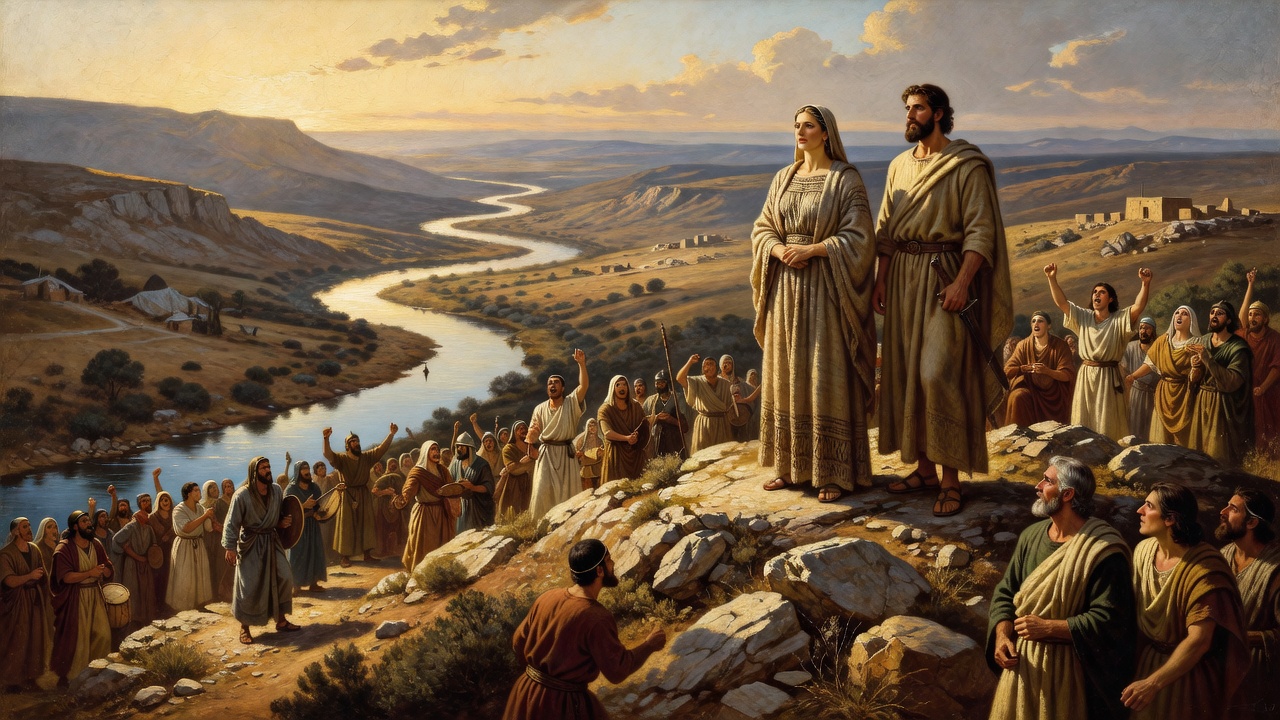
The Song of Deborah and Barak
- The poetic victory song highlights the varied responses of the Israelite tribes during the crisis. While groups like Zebulun, Naphtali, and Issachar risked their lives in the battle, others such as Reuben, Dan, Asher, and the inhabitants of Gilead stayed behind among their flocks, ships, and coastal harbors.Sources: the Bible text itself · Zebulun · Gilead
- The decisive conflict took place near Taanach by the waters of Megiddo, an area along the Jezreel plain where the overflowing torrent of the Kishon River swept away the opposing forces.Sources: the Bible text itself · Taanach · Barak
- The poem creates a vivid literary contrast between two women: Jael, the tent-dwelling Kenite who brought down the commander Sisera, and Sisera's aristocratic mother, who peered through a lattice window awaiting plunder and a son who would never return.Sources: the Bible text itself · Jael · Sisera (army captain)
Notes written with AI assistance from open sources (Theographic Bible Metadata, CC BY-SA 4.0; Easton’s Bible Dictionary, public domain) and reviewed before publishing.
Places in this chapter
- Edom · 30.746, 35.604 · verse 4
- Mount Tabor · Today: Jebel et Tur · 32.686, 35.393 · verse 13
- Amalek · 30.648, 34.422 · verse 14
- Gilead · Today: Gilead 1 · 32.187, 35.692 · verse 17
- Jordan · Today: Jordan River · 31.761, 35.558 · verse 17
- Canaan · 32.767, 35.333 · verse 19
- Megiddo · Today: Tel Megiddo · 32.585, 35.184 · verse 19
- Taanach · Today: Tell Ta’anakh · 32.522, 35.219 · verse 19
Only places identified with high confidence are shown (90% or more according to the scholarly sources compiled by OpenBible). Period map: DARE (Digital Atlas of the Roman Empire), CC BY 4.0; modern map: © OpenStreetMap contributors; places: OpenBible.info (CC BY 4.0).
Credits and license for this translation
Bibiri Kuyie Nnɑ́ɑǹtì Pɑ́tíri
The Holy Bible in the Ditammari language of Benin
copyright © 2001 SIM International
Language: Ditammari
Translation by: SIM
This translation text is made available to you under the
terms of the Creative Commons License: Attribution-Noncommercial-No Derivative Works.
( http://creativecommons.org/licenses/by-nc-nd/3.0/ )
In addition, you have permission to port the text to different file formats, as long as you
do not change any of the text or punctuation of the Bible.
You may share, copy, distribute, transmit, and extract portions
or quotations from this work, provided that you include the above copyright
information:
You must give Attribution to the work.
You do not sell this work for a profit.
You do not make any derivative works that change any of the actual words or punctuation of the Scriptures.
Permissions beyond the scope of this license may be
available if you contact
us with your request.
This translation is made available to you under the terms of the
Creative Commons Attribution-No Derivatives license 4.0.
You may share and redistribute this Bible translation or extracts from it in any format, provided that:
You include the above copyright and source information.
You do not make any derivative works that change any of the actual words or punctuation of the Scriptures.
Pictures included with Scriptures and other documents on this site are licensed just for use with those Scriptures and documents.
For other uses, please contact the respective copyright owners.
2022-05-31
Source: http://ebible.org/tbzsim/ · eBible.org