Isaiah 57
Bibiri Kuyie Nnɑ́ɑǹtì Pɑ́tíri · Tap a verse to see its cross-references.
1Bɛ̀ɛ̀ wetí bɛɛ̀ kɔ̃ mbɑ́ òmɔù í dɑkɛ,
kɛ̀ bɛnìtìbɛ̀ mɔ́mmɔmbɛ duò kɛ̀ bɛ̀ bùútóo,
bɛsɑ̀ɑ̀bɛ̀ kɔ̃ mbɑ́ òmɔù í dɑkɛ.
2Bɛ̀ tɑtimu diwɛ̀ì miɛkɛ,
bɛ̀ɛ̀ tũ timɔ́mmɔnti bɛ̀ yóó duɔ́mu kɛ́om̀pɛ̀.
Kuyie nkpɑ̀nnɛ̀mɛ̀ bɛ̀ɛ̀ feu yɛbɔkɛ̀
3Díndi onitipòkù wèè nɑ̀ɑ́ nKuyie mpɑ̃ɑ̃nɑ́ɑǹtì o kó ibí kɔtɛnɛ̀ní diɛ̀,
díndi fɛyɑnfɛ̀ fɛ̀ɛ̀ n yóu kɛ tũntì tũntì yɛbɔkɛ̀.
4Wennì nwe di dɑúmɛ̀?
We nkpɛ́í nkɛ di entímɛ̀?
Di pɛ́rímúnɛ̀ we inɔ́ndiɛ?
Di mɛ̀nkɛ tú itookperí yɛmbɛ̀ mbɛɑ̀?
Siyɑ́ɑ̀bìsí yɛmbɛ̀ kó fɛyɑnfɑ̀ɑ̀?
5Díndi bɛ̀ɛ̀ dɔunɛ̀ ditɔbɛ̀ dɛtie diɛrɛ̀ yɔ,
díndi bɛ̀ɛ̀ kɑ̀tì dɛbɔɔtie nkó mɛdɛ́ɛ̀,
díndi bɛ̀ɛ̀ feu ibí tidúótì miɛkɛ,
díndi bɛ̀ɛ̀ feu ibí titɑ̃dèntì miɛkɛ.
6Kɛ tóú ikó nkó yɛtɑ̃́ɑnniyɛ, kɛ dɔɔri yɛbɔkɛ̀,
kɛ yɛ̀ cou mɛnɑɑ̀ kɛ yɛ̀ pɑ̃ɑ̃ ntidiitì kó yɛpɑ̃rɛ̀,
dɛndɛ bo n nɑrikɑɑ̀?
7Ditɑ̃diɛrì ĩ́nkɛ̀ nkɛ di wɑɑ̀mmɛ̀ di dúɔ̀ kɛ dɔunɛ̀ ditɔbɛ̀,
kɛ dɛ ndekù kɛ feu iwũɔ̃.
8Kɛ nuu ndi bɔkɛ̀ di bòrɛ̀ kɛ diri yɛtɛyɛ̀ di ɑ́nnùduotí,
kɛ m bùtínnɛ́ kɛ dɛì di yɑ̀ɑ̀tì kɛ dekù kɛ pɛ̃kùnko di dúɔ̀,
kɛ̀ bɛ̀ di dɔunɛ̀ kɛ pɛ́u mucɔ̃́ntimu, kɛ̀ di dɔ́ bɛ̀ ndi dɔunɛ̀
kɛ̀ di yɑu bɛ fɛi.
9Kɛ tɔu mɛkùɔ̀ mpɛ́u kɛ kɔ̀tɛnɛ̀ okpɑ̀ɑ̀tì diɛwè borɛ̀,
kɛ kpèé mɛkùɔ̀ nfɔ̃ɔ̃mɛ kɛ toú mbɛnìtìbɛ̀ kɛ bɛ̀ tɔ̃nnɛ̀ dɛdɛ́tirɛ̀,
kɛ bɛ̀ tɑnnɛ́ kudɔnkù.
10Di tũ̀nnɛ dɛ kó icɛ kɛ ɔ̀u di mɛ nyí bɑntɛ́ dɛ̀ tumɛ̀ dɛtetìrɛ̀,
kɛ kpɑɑ́ mɔkɛ muwɛ̃rímú, bɑ́ di í ɔ̀u.
11Di do yĩɛ̃kù we? Di do yɔ̀tɛ we kɛ́nɑ́kɛ́ siyɑ́ɑ̀bìsí,
bɑ́ di tɛ̃́nkɛ í dèntɛní n kpɛ́í, bɑ́ di í dɑ̀ɑ̀tɛ n kpɛ́í?
N do nyuo nwe, n cĩ́ɛ̃́kɛ́ kɛ̀ dɛ̀ mɔ̀ntɛmu dɛɛ̀ te kɛ̀ di í n dé.
12Di yɛ̀mmɛ̀ dò ndi í cɑ̀kɛmu, kɛ̀ n nɛ́ yóó di dɑɑ́,
nkɛ̀ di tɔ̃mmú nɑɑ́ dɛtetìrɛ̀.
13Di bo kuɔ́ ndìì mɔ̀nnì,
di bɔkɛ̀ yɛ̀ɛ̀ di murí yɛ̀ bo di dɛɛtɑ́ɑ̀?
Kuyɑɑkù kuù yóó yɛ̀ nɛinɛ̀ yɛmɔu,
m bo yɛ̀ fùùtɛ muyɑɑ́,
bɛ̀ɛ̀ n duɔ́ mbɛmɑ́ɑ̀ bɛɛ̀ yóó tiekɛ dihɛì,
bɛɛ̀ yóó kɑri n tɑ̃sɑ̀ɑ̀rì.
Kuyie nyóó bɑ́ntɛ̀mɛ̀ bɛ̀ɛ̀ tu ku kɔbɛ
14Kɛ̀ ti Yiɛ̀ nKuyie mbɛ́i nkɛ dɔ̀:
Ɛnnɛnɛ̀ kucɛ, tũntɛnɛ̀ ku,
dɛitɛnɛ̀ mɛbétímɛ̀ mɛmɔu n nìtìbɛ̀ kó kucɛ miɛkɛ.
15Ntɛ Kuyie nkùù bɑkɛ́ kɛĩ́nkɛ̀ nɛ̀ kɛtenkɛ̀ kɛ bo sɑ̃́ɑ̃̀,
kùù yètìrì tu kpɑ mɛyɛi nhò tu mù:
N kɑ̀rì bo kɛĩ́nkɛ̀ nkɛ kɛ̀ n dò mpɑ́í pɑ́í,
kɛ nɛ́ bonɛ̀ wèè bo mɛyɛǹcɑɑ̀rìmɛ̀ miɛkɛ,
kòo yɛ̀mmɛ̀ cɑ̀ɑ̀rɛ̀ m mɛ̀ cɑ́tìnnɛ,
kɛ nɑ́ríkùnnɛ wèè bo mɛhɑ́ɑ́rìmɛ̀ miɛkɛ o kɔ̃mɛ.
16N yí yó nhɑ̃ kɛ di sɛ́í, m miɛkɛ í yó nhɑ̃ kɛ di cɔ́ú,
kɛ̀ dɛ̀ í dò mmɛmmɛ yɛnitiwɛ̃rɛ̀ bo kú, bɛmbɛ n dɔ̀ɔ̀ bɛ̀.
17Isidɑyɛɛribɛ kó mɛyetímɛ̀ mɛɛ̀ do te
kɛ̀ m miɛkɛɛ bɛ̀ yɛ̀ dimɔ̀nnì sɑ́m̀pɔ́rì miɛkɛ,
kɛ̀ m bɛ̀ potɛ́ kɛ́ bɛ̀ bùtínnɛ́
kɛ̀ bɛ̀ mɛ mbɑɑ ncĩ́ɛ̃́kɛ́ kɛ́kpénkùnnɛ bɛ to,
kɛ́ntũ bɛ̀ dɔ́ ìì cɛ.
18M bɑntɛ́mu bɛ cɛ imɔu,
n nɛ́ yóó bɛ̀ miɛkùnnɛmu, kɛ́ mbɛ̀ ni,
n yóó bɛ̀ bɑ́ntɛ̀mu bɛmbɛ nɛ̀ bɛ̀ bɛ̀ wɛ̃ ndidɑbònnì,
19kɛ́ bɛ̀ duɔ́ nyɛnɔ̀ bɛ̀ bo nni nsɑ̃ntínɛ̀ yɛ̀,
bɛ̀ɛ̀ bo mɛdɛ́timɛ̀ nɛ̀ mɛtɔ́ɔ́mmɛ̀ kɛ̀ bɛ̀ɛ pɛ́tɛ́ mɛdɛɛtímɛ̀.
N yóó di miɛkùnnɛmu mí ndi Yiɛ̀ nKuyie mmíì bɛ́i.
20Bɛnitiyɛibɛ biɛ dònnɛ̀ dɑ̀mɛ́ɛ̀rì dòmmɛ̀ mmɛ,
bɛ̀ ɔ̃ɔ̃ í nyĩ só dimɔ̀nnì mɑrì,
yɛnɛ́fĩ̀nfĩ̀rɛ̀ ɔ̃ nyiitimu kɛ kónnì,
kɛ uutoo tiyontì dɛ̀ɛ̀ tu dɛsĩ̀nnɛ̀.
21Ti Yiɛ̀ nKuyie mbɛ́immu kɛ tú:
diwɛ̀ì í mbo bɛnitiyɛibɛ kpɛ́í.
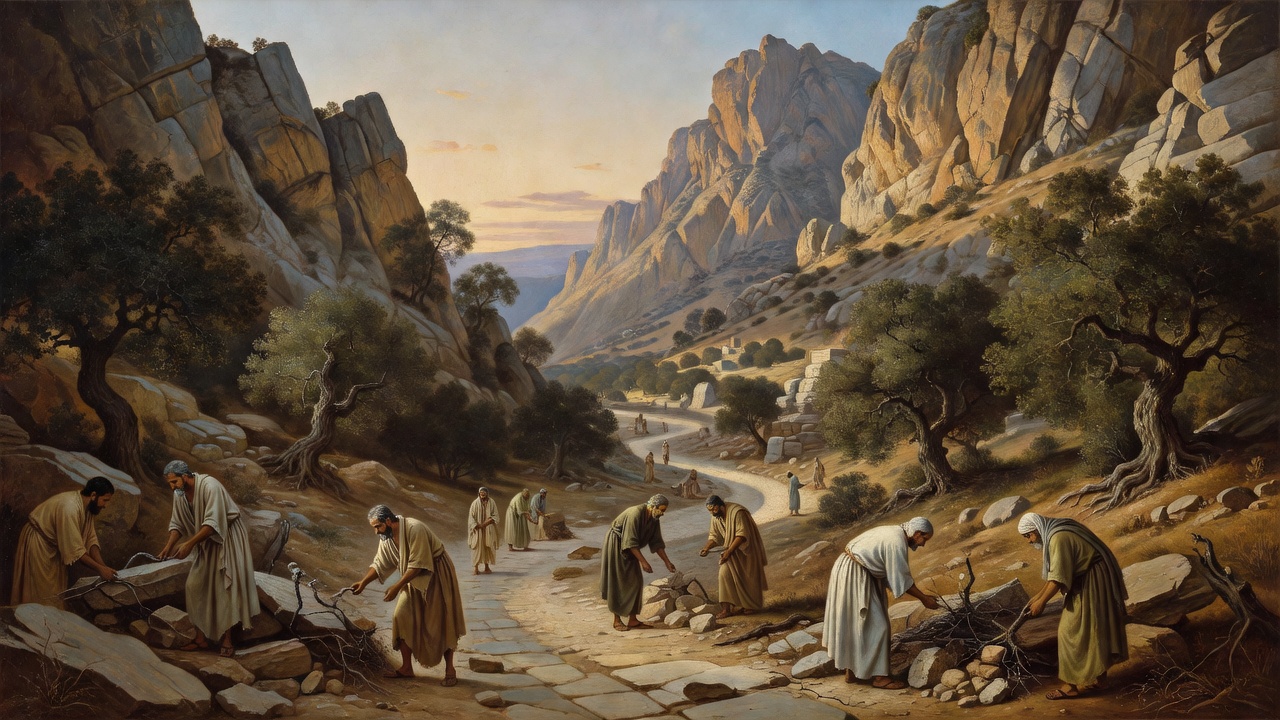
Did you know?
Idolatry Denounced and Comfort for the Contrite
- The chapter sharply rebukes specific idolatrous practices, including pagan rites beneath sacred oaks, ritual drink offerings poured out to smooth stones in valleys, and child sacrifices offered in the clefts of the rocks.Sources: the Bible text itself
- In contrast to distant deities, the text presents the eternal and holy God as choosing to dwell not only in a high and holy place, but also among the lowly, oppressed, and contrite in spirit to restore and heal them.Sources: the Bible text itself
Notes written with AI assistance from open sources (Theographic Bible Metadata, CC BY-SA 4.0; Easton’s Bible Dictionary, public domain) and reviewed before publishing.
Credits and license for this translation
Bibiri Kuyie Nnɑ́ɑǹtì Pɑ́tíri
The Holy Bible in the Ditammari language of Benin
copyright © 2001 SIM International
Language: Ditammari
Translation by: SIM
This translation text is made available to you under the
terms of the Creative Commons License: Attribution-Noncommercial-No Derivative Works.
( http://creativecommons.org/licenses/by-nc-nd/3.0/ )
In addition, you have permission to port the text to different file formats, as long as you
do not change any of the text or punctuation of the Bible.
You may share, copy, distribute, transmit, and extract portions
or quotations from this work, provided that you include the above copyright
information:
You must give Attribution to the work.
You do not sell this work for a profit.
You do not make any derivative works that change any of the actual words or punctuation of the Scriptures.
Permissions beyond the scope of this license may be
available if you contact
us with your request.
This translation is made available to you under the terms of the
Creative Commons Attribution-No Derivatives license 4.0.
You may share and redistribute this Bible translation or extracts from it in any format, provided that:
You include the above copyright and source information.
You do not make any derivative works that change any of the actual words or punctuation of the Scriptures.
Pictures included with Scriptures and other documents on this site are licensed just for use with those Scriptures and documents.
For other uses, please contact the respective copyright owners.
2022-05-31
Source: http://ebible.org/tbzsim/ · eBible.org