Isaiah 5
Bibiri Kuyie Nnɑ́ɑǹtì Pɑ́tíri · Tap a verse to see its cross-references.
Isidɑyɛɛribɛ túmɛ̀ Kuyie nkó kupɑku
1N yóó dentɛ̀ fɛyɛ̀nfɛ̀ nfɛ n nɛ́po kpɛ́í, dɛ kó fɛyɛ̀nfɛ̀ tukúnɛ̀ o pɑku nku.
N nɛ́po sɑ̀ù weè do kùútí fínyĩ̀ kó kupɑku
ditɑ̃rì ĩ́nkɛ̀ kɛtenkɛ̀ nɑɑti dɛ̀,
2kɛ́tũntɛ kɛtenkɛ̀ mɛsɑ̀ɑ̀, kɛ́dɛi yɛtɑ̃́rɛ̀,
kɛ́tɑ̃ɑ̃tɛ́ dɛtie ndɛsɑ̀ɑ̀rɛ̀ kɛ́buɔtí,
kɛ́mɑɑ́ didènnì dɛ cuokɛ̀ ò yó mbɑɑnɛ̀ dì,
kɛ́keutɛ́ difɔ̃̀tìrì ò yó nhũti dɛ̀ fínyĩ̀ bɛ,
kɛ́nyɛ̃́ kɛ dò ndɛ̀ yóó piɛ́ yɛbɛ sɑ̀ɑ̀yɛ̀,
kɛ̀ dɛ̀ nɛ́ piɛ́ yɛ̀ɛ̀ í wenni.
3Díndi Sedisɑdɛmmu kɔbɛ Sudɑɑ kó kuwuɔ nkɔbɛ tí pútɛ́nɛ̀
mí nnɛ̀ n kóo fínyĩ̀.
4Ɔ̃̀ndɛ kpɑɑ́ n yí dɔ̀ɔ̀ dɛ̀ dɛ kó dɛtie nkpɛ́í?
N do yɛ̃́ kɛ́tú dɛ̀ yóó piɛ́ yɛbɛ sɑ̀ɑ̀yɛ̀ nyɛ,
kɛ̀ dɛ̀ nɛ́ piɛ́ yɛbɛ sĩ̀nyɛ̀, bɑ nte?
5Ntɛnɛ̀ n dò nkɛ́dɔɔ̀mɛ̀ dɛ kó dɛtie,
n yóó dɛitɛmu kuperí kɛ̀ iwũɔ̃ dɛ̀ cɑ̀ɑ́kɛ́.
M bo pétɛ́ kuperí kɛ̀ bɛ̀ ndɛ̀ nɑ̀ù.
6Dɛ kó kupɑku bo kpɑ́nnɛ́,
òmɔù tɛ̃́nkɛ bɑ́ nkù kɔ̃ũ òmɔù tɛ̃́nkɛ bɑ́ ndɛ̀ kɛ́í,
tipotì nɛ̀ tisɑ̃mpotì dɛ̀ borɛ̀ ɛ̃̀ṹtɛ́.
Kɛ̀ n nɑ́kɛ́ yɛwɛtɛ̀ kɛ̀ yɛ̀ bɑ́ɑ́ yóu kɛ̀ fɛtɑɑfɛ̀ɛ dɛ̀ dùótɛ́.
7Ti Yiɛ̀ nKuyie Mpɑkɛdɑɑ kóo fínyĩ̀ tie ntú
Isidɑyɛɛribɛ kó kuwuɔ.
Ò tɑ̃ɑ̃tɛ́ dɛ̀ɛ̀ tie kɛ fìí ndɛɛ̀ tu Sudɑɑ kó kubotí,
Kuyie ndo yɛ̃́ kɛ tú bɛɛ̀ yó ndɔɔri dɛ̀ɛ̀ wetí,
kɛ̀ bɛ̀ nɛ́ dɔɔri dɛ̀ɛ̀ í dò nkɛ́dɔɔ̀.
Bɛɛ̀ do dò nkɛ́ndɔɔri mɛsɑ̀ɑ̀,
kɛ̀ bɛnìtìbɛ̀ nɛ́ kuɔ̀nnɛ̀ bɛɛ̀ kó kuyonku,
tipíìtì timɔu kɛ bo mɛyɛǹcɑɑ̀rìmɛ̀ miɛkɛ.
Kuyie nkpɑnnɛ̀ tì bɛ̀ɛ̀ fèkù bɛtɔbɛ̀ kpɛrɛ
8Di bo yɑ̀ díndi bɛ̀ɛ̀ mɑɑ́ kɛ mɑɑ́ sicɛ̃́ĩ
kɛ do nkɛ do ndɛpɑɑ nkɛ dèè mɛfíè mmɛmɔu,
kɛ̀ dɛ̀ bo mboní kɛ̀ dí tiekɛ dihɛì dimɔu.
9Ntɛ mí ndi Yiɛ̀ nKuyie Mpɑkɛdɑɑ n tú mù:
Dɛ kó sicɛ̃́ĩ bo dɔúnko,
dɛ kó sicɛ̃sɑ̀ɑ̀sì í yó mmɔkɛ bɛ̀ɛ̀ sì ɑ̃.
10Kupɑku kùù bo ibɑɑkɛ́ tɛpíítɛ̀ nɛ̀ ìdɛ́ì,
kɛ̀ bɛ̀ buɔtí fínyĩ̀ kó dɛtie,
kɛ̀ bɛ̀ tɔ̃̀ũ dɛ bɛ kɛ niu mɛnɑɑ̀
mɛ̀ bɑ́ɑ́ píɛ ndítìrìbɛ̀ sipísìnùmmù,
kɑ̀ɑ buɔtí tidibotì kuyɔ̀rìkù,
ɑ dɛitɛ tɛmɑ́mbòòtɛ̀ mɛmɑ́ɑ̀.
11Di bo yɑ̀! Díndi dɛ̀ ɔ̃ nwenníní,
kɛ̀ bɛ̀ɛ̀ cokòo mɛnɑɑ̀ nkperímɛ̀ borɛ̀,
kɛ́ nkɛ ntṹṹnko nɛ̀ kɛyènkòo kɛ́muɔ́.
12Bɛ̀ɛ̀ ɔ̃ mbɑɑ̀ nkɛ ɑu kɛ bie ntikùtìdùùtì
nɛ̀ yɛbɑ̀rɛ̀ kɛ eu itɑ̃rí, kɛ yɔ̃̀ nkɛ yɔ̃̀ mmɛnɑɑ̀.
Bɑ́ bɛ̀ í wéí mí ndi Yiɛ̀ nKuyie mpĩ mmùù tɔ̃mmú,
n dɔ̀ɔ̀ dɛ̀ nɛ̀ n nɔu.
13N nìtìbɛ̀ í bɑntɛ́mu, dɛɛ̀ te
kɛ̀ bɛ̀ yóó bɛ̀ pĩ̀ḿmú kɛ́kònnɛ̀
Sikpɑ̀ɑ̀tìbìí bo kú dikònnì
kɛ̀ sinɛ́yɛ̃ĩĩ kuɔ bɛnìtìbɛ̀.
14Mukṹṹ nhɑ̀ɑ̀tɛmu mu nùù kɛ onnɛ́ mu níí
kɛ bo mɑɑ́nko sikpɑ̀ɑ̀tìbìí nɛ̀ bɛnìtìbɛ̀ tɔbɛ̀
diwɛ̀ì bo bɛ̀ kɛ̀ bɛ̀ yɑ̃̀nku kɛ úú.
15Onìtì bo nínkú kɛ́sĩ́nnɛ́ Kuyie nyììkɛ̀
sipɔɔ yɛmbɛ̀ pɔ̀ɔ bo deè kɛ̀ bɛ̀ɛ sĩ́nnɛ́.
16Ti Yiɛ̀ nKuyie Mpɑkɛdɑɑ dɔ̀ɔ̀ri dɛ̀ɛ̀ sìɛ́ dɛ̀ndɛ,
kɛ bɛnkú kù dɛumɛ̀,
kɛ bekùnɛ̀ ku nìtìbɛ̀ kɛ̀ dɛ̀ sìɛ́ kɛ bɛnkú kù wetímɛ̀.
17Dihɛì bo nɑɑ́ ntidobontì kɛ̀ bɛ̀ ndɛ̀ cɛ̃mmù ipe,
iwũɔ̃ bɛ̀ dùnnɛ ì do borɛ̀,
ibɔbí bo ndɛ̀ cèntì kɛ diiti timútì.
18Di bo yɑ̀ díndi bɛ̀ɛ̀ dɛri di yɛi nkó mucɔ̃́ntimu,
nyinɑ̀ɑ̀kɛ ɔ̃ ndɛrimɛ̀ tɛnɑɑsɑ̃ntɛ̀.
19Díndi bɛ̀ɛ̀ nɑ̀ɑ́ nkɛ tú: Kuyie mmɔ́nnɛ́
kɛ́dɔɔ̀ ku tɔ̃mmú kɛ̀ ti mù yɑ̀.
Kuyie nyIsidɑyɛɛribɛ tũ nkùu dɔɔ̀ ku tɔ̃mmú
mɛcɑ̃ɑ̃ nkɛ̀ tí kù bɑntɛ́.
20Di bo yɑ̀! Díndi bɛ̀ɛ̀ yu mɛyɛi nkɛ tú mɛsɑ̀ɑ̀,
nkɛ yu mɛsɑ̀ɑ̀ nkɛ tú mɛyɛi,
nkɛ yu kuwenniku kɛ tú dibiìnnì,
kɛ yu dibiìnnì kɛ tú kuwenniku,
kɛ yu dɛtiirɛ kɛ tú dɛwɛɛ̀tìrɛ̀,
kɛ yu dɛwɛɛ̀tìrɛ̀ kɛ tú dɛtiirɛ.
21Di bo yɑ̀ díndi bɛ̀ɛ̀ yɛ̀mmɛ̀ dò ndi ciì
díndi bɛ̀ɛ̀ yɛ̀mmɛ̀ dò ndi mɔkɛ mɛyɛ̀mmɛ̀.
22Di bo yɑ̀ díndi bɛ̀ɛ̀ yètɛ̀ feí munɑɑ̀yɑ̃̀ɑ̃̀ miɛkɛ,
díndi bɛ̀ɛ̀ mɔ̀kɛ mɛnɑɑ̀ kperímɛ̀ kó yɛkɔ̃m̀bɔ̀.
23Díndi bɛ̀ɛ̀ kommu bɛcɑɑ̀rìbɛ̀ ticuuti kpɛ́í,
kɛ yetírí di bo nkommumɛ̀ bɛ̀ɛ̀ nɑɑti.
24Dɛɛ̀ kpɛ́í nte kɛ̀ di yóó cɔ́útɛ́ timúkpetì kɔ̃mɛ,
muhɑ̃ɑ̃́ nhɔ̃ɔ̃ cɔ́útɛ́mɛ̀ tiyonkɑ̃̀ɑ̃̀tì,
di cĩɛ̃̀ mbo pɑ̃ɑ̃kɛ kɛ̀ di pórímùu yotɛ,
di yetɛ mɛ̀ɛ̀ kpɛ́í mí ndi Yiɛ̀ nKuyie Mpɑkɛdɑɑ n kuɔ́.
Di sènkɛ̀rìmɛ̀ mí ndi Yiɛ̀ nKuyie,
díndi Isidɑyɛɛribɛ di í tũ n nɑ́ɑǹtì nti.
Kuyie nyóó duɔ́mmɛ̀ kɛ̀ Asidii kɔbɛɛ do Sudɑɑ kɔbɛ
25Dɛɛ̀ te mí ndi Yiɛ̀ nKuyie nkɛ̀ m miɛkɛ di yɛ̀,
kɛ̀ ǹ yòùtɛ n nɔ̀ùtɛ̀ kɛ dì potɛ́.
Kɛ̀ yɛtɑ̃rɛ̀ sɑ̃̀ntɛ̀ kɛ̀ bɛnìtìbɛ̀ ku kɛ cóú cóú icɛ miɛkɛ.
Nɛ̀ mɛmmɛ m miɛkɛ í do,
n nɔ̀ùtɛ̀ kpɑɑ́ yuomu di ĩ́nkɛ̀.
26Mí ndi Yiɛ̀ nKuyie n còńnɛ́ mɛcɑnnimɛ̀ mmɛ
yɛbotɛ̀ yɛ̀ɛ̀ bo mɛdɛ́timɛ̀ yɛ kpɛ́í.
N yɛ̀ yu nɛ̀ fɛfontìfɛ̀ nfɛ, kɛ yɛ̀ ìtɛ́ní itemmɑ̀nkɛ
kɛ cokùní mɛcɑ̃ɑ̃.
27Bɛ miɛkɛ òmɔù í yo tihɔ̀ùtì,
bɛ miɛkɛ òmɔù í bètɛ́ bɑ́ omɑ́ɑ̀.
Munɔndɔmmú í bo bɛ̀ kóò mɔù,
bɛ kóò mɔù í yɛ̃̀ nkɛ duɔ́.
Bɛ̀ boú bɛ nɑɑ̀kũ̀ɔ̃ nyi tei tei,
bɛ nɛùtì kó iwɛ̃ĩ í ɔkɛ.
28Bɛ̀ sũ̀ɔ̃́tɛ́mu bɛ̀ pie, kɛ fĩnnɛ́ bɛ tɑ̃nnɛ̀,
kɛ̀ bɛ sɛ̃ĩ́ kpɛ̀ɛ̀tɛ̀ dònnɛ̀ yɛtɑ̃́rɛ̀
kɛ̀ bɛ nɑɑsɛ̃ĩ́ cɛ̃̀ɛ̃̀tiyɛ̀ cokù tɛfɔ̀dɔ́ntɛ̀ kɔ̃mɛ.
29Kɛ̀ bɛ̀ kontí kucìrícìrìyɔ̃kù kɔ̃mɛ,
kɛ̀ bɛ dɑbùò ndònnɛ̀ yɛcìrícìrìpɑ̀ɑ̀ kpɛyɛ,
kɛ̀ bɛ ũntí, kɛ̀ bɛ̀ pĩ dɛ̀mɑrɛ̀ òmɔù ɔ̃ɔ̃ í nfìètɛ.
30Dɛ yiè Asidii kɔbɛ bo do Isidɑyɛɛribɛ
kɛ̀ bɛ uutoo ndònnɛ̀ dɑ̀mɛ́ɛ̀rì kɔku ɔ̃ ndòmmɛ̀ kuyɑɑkù fùùtɛ̀ dìì mɔ̀nnì.
Dɛ yiè yɛwɛtɛ̀ bo sɔutɛ kɛ̀ dibiìnnìi dɑ́tínnɛ́ kɛtenkɛ̀,
kɛ̀ mɛyɛǹcɑɑ̀rìmɛ̀ mbo.
Did you know?
The Song of the Vineyard and the Six Woes
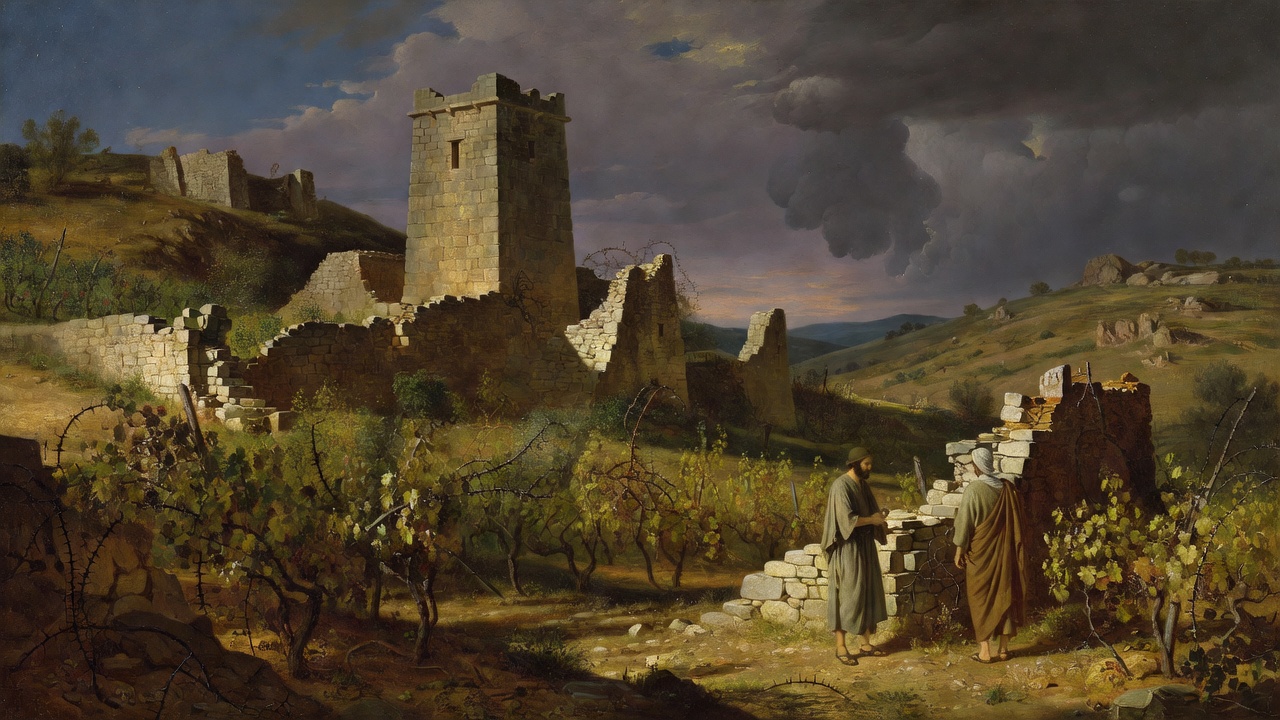
- The opening song in Isaiah 5 describes the elaborate labor of ancient Judean viticulture: clearing rocky hillsides of stones, building a protective stone watchtower, digging out a winepress in the bedrock, and planting prime vines surrounded by a protective hedge and wall. The poem turns into a legal parable where the vineyard represents the house of Israel and the people of Judah, from whom justice was expected instead of bloodshed.Sources: the Bible text itself
- The chapter delivers a series of six prophetic laments or woes, condemning specific social and moral abuses in Judah. These include wealthy landowners consolidating real estate by adding house to house and field to field, judges taking bribes to acquit the guilty while denying justice to the innocent, and leaders indulging in lavish feasting while ignoring divine instruction.Sources: the Bible text itself
- Isaiah's prophetic ministry in Jerusalem addressed the people of Judah over an extended period beginning in the mid-eighth century BC. The chapter concludes with a warning that the Lord would signal distant, disciplined foreign armies equipped with chariots, bows, and swift horses to execute judgment on the land.Sources: Jerusalem · Prophecies of Isaiah · the Bible text itself
Notes written with AI assistance from open sources (Theographic Bible Metadata, CC BY-SA 4.0; Easton’s Bible Dictionary, public domain) and reviewed before publishing.
Places in this chapter
Only places identified with high confidence are shown (90% or more according to the scholarly sources compiled by OpenBible). Period map: DARE (Digital Atlas of the Roman Empire), CC BY 4.0; modern map: © OpenStreetMap contributors; places: OpenBible.info (CC BY 4.0).
Credits and license for this translation
Bibiri Kuyie Nnɑ́ɑǹtì Pɑ́tíri
The Holy Bible in the Ditammari language of Benin
copyright © 2001 SIM International
Language: Ditammari
Translation by: SIM
This translation text is made available to you under the
terms of the Creative Commons License: Attribution-Noncommercial-No Derivative Works.
( http://creativecommons.org/licenses/by-nc-nd/3.0/ )
In addition, you have permission to port the text to different file formats, as long as you
do not change any of the text or punctuation of the Bible.
You may share, copy, distribute, transmit, and extract portions
or quotations from this work, provided that you include the above copyright
information:
You must give Attribution to the work.
You do not sell this work for a profit.
You do not make any derivative works that change any of the actual words or punctuation of the Scriptures.
Permissions beyond the scope of this license may be
available if you contact
us with your request.
This translation is made available to you under the terms of the
Creative Commons Attribution-No Derivatives license 4.0.
You may share and redistribute this Bible translation or extracts from it in any format, provided that:
You include the above copyright and source information.
You do not make any derivative works that change any of the actual words or punctuation of the Scriptures.
Pictures included with Scriptures and other documents on this site are licensed just for use with those Scriptures and documents.
For other uses, please contact the respective copyright owners.
2022-05-31
Source: http://ebible.org/tbzsim/ · eBible.org