Isaiah 45
Bibiri Kuyie Nnɑ́ɑǹtì Pɑ́tíri · Tap a verse to see its cross-references.
Kuyie ntɑ̃ɑ̃tɛ́mɛ̀ Siduusi kɛ bo ò pĩ̀ńnɛ̀ ku tɔ̃mmú
1Kɛ̀ ti Yiɛ̀ nKuyie mbɛ́innɛ̀ Siduusi kù tɑ̃ɑ̃tɛ́ wè kɛ dɔ̀:
Mí nhɑ Yiɛ̀ nKuyie mmíì dɑ tɑ̃ɑ̃tɛ́
kɛ dɑ pĩ́ n nɔ̀ùtɛ̀ youtɛ,
kɛ̀ yɛbotɛ̀ bo dɑ bɔ́útɛ́,
fɔ̃́ɔ̃̀ yóó tɔ̃ũ bɛkpɑ̀ɑ̀tìbɛ̀ doobɑɑtí,
n yóó dɑ kpetɛ́mu yɛbòrɛ̀ kɛ́feínko,
yɛbòrɛ̀ yó nfeíomu ɑ ììkɛ̀.
2Míì mɔ́mmuɔ n yó nni ɑ ììkɛ̀ kɛ ɛnnìnko yɛterɛ̀,
kɛ puɔ̀ ndisɔɔwũɔ̃̀ kó yɛcɑ̀kɛ̀,
kɛ keku imɑ́tìferí ìì pɑ̀kɛ́ yɛbòrɛ̀.
3N yóó dɑ duɔ́ tikpɑ̀tì tìì sɔ̀ri tìnti,
dɛ̀ɛ̀ bo disɔ̀rì miɛkɛ, n yóó dɛ̀ ndɑ duɔ́mmu,
kɑ̀ɑ bɑntɛ́ míì tumɛ̀ ɑ Yiɛ̀ nKuyie
kɛ dɑ tɑ̃ɑ̃tɛ́ kɑ̀ɑ bo mpĩ́ n tɔ̃mmú,
mí nKuyie Isidɑyɛɛribɛ tũ̀ nkù.
4N kó bɛtɔ̃mbɛ̀ Sɑkɔbu yɑɑ̀bí kpɛ́í nkɛ̀
bɛmbɛ Isidɑyɛɛribɛ n tɑ̃ɑ̃tɛ́ bɛ̀,
bɛɛ̀ te kɛ̀ n dɑ yu kɑ̀ɑ bo mpĩ́ n tɔ̃mmú
kɛ́fei nhɑ yètìrì bɑ́ ɑ í nyɛ̃́.
5Míì tu di Yiɛ̀ nKuyie
n kó difɔ̃nkúò otɔù mɔù í bo
kɛ̀ dɛ̀ í tú mí nKuyie, kutɛkù mɑkù í bo.
N yóó dɑ duɔ́ mmuwɛ̃rímú kɑ̀ɑ í nyɛ̃́.
6M mɛ̀ dɔ̀ɔ̀ kɛ̀ dɛ̀ bo yie nkɛ̀ diyiè yìɛ̀ní kɛ̀ɛ̀ bíɛ́kɛ̀
nɛ̀ dì tɑɑ̀ kɛ̀ɛ̀ bíɛ́kɛ̀ kɔbɛɛ bɑntɛ́ míì tumɛ̀ di Yiɛ̀ nKuyie
nkɛ̀ kutɛkù mɑkù í bo n kó difɔ̃nkúò.
7Míì dɔ̀ɔ̀ kuwenniku, míì ɑ̃nnɛ́ dibiìnnì.
Míì ɑ̃ɑ̃̀ diwɛ̀ì kɛ̀ míì ɔ̃ nte kɛ̀ mɛyɛi ntuɔkɛní.
Mí ndi Yiɛ̀ nKuyie mmíì dɛ̀ dɔ̀ɔ̀ri dɛmɔu.
8Kɛĩ́nkɛ̀, ɑ kpetɛ́ kɛ̀ kubookuu cútɛ́ní,
yɛwɛtɛ̀ cṹũnnɛ̀nní mɛdɛɛtímɛ̀ fɛtɑɑfɛ̀ ɔ̃ɔ̃ cútɛ́nímɛ̀,
kɛtenkɛ̀ ɑ kpetɛ́!
Kɛ̀ mɛdɛɛtímɛ̀ kó kuyee yɛnní, kɛ̀ mɛwetímmɛ̀ɛ kótɛ́.
Mí ndi Yiɛ̀ nKuyie míì dɛ̀ dɔ̀ɔ̀ dɛmɔu.
Tiyɑɑtì ɔ̃ɔ̃ í nsɛi nhoyɑɑmɑrì
9Kɛ̀ Kuyie mbɛ́i nkɛ dɔ̀:
Wèè sɛi nwèè ò dɔ̀ɔ̀, dɛ yiɛ̀ mbo yɑ̀!
Tiyɑɑmɑtì bèkú wèè tì mɑɑ́ kɛ tú:
A dɔɔri bɑ? Yɑ́ɑ̀ tì ɔ̃ɔ̃ yĩ́ o tɔ̃mmú í wenni?
10Wèè bèkú o cicɛ yoo o yɔ̃ kɛ tú:
Bɑ nte kɑ̀ɑ m pɛitɛ́? Dɛ yiɛ̀ mbo yɑ̀!
11Mí ndi Yiɛ̀ nKuyie mí nwèè yètìrì tu kpɑ mɛyɛi,
mí nwèè pìítɛ́ n nìtìbɛ̀ Isidɑyɛɛribɛ di bo m bekɛ ɔ̃̀nti?
Di bo n nɑ́kɛ́ ɔ̃̀nti m bí ĩ́nkɛ̀?
Yɑ́ɑ̀ díì bo n nɑ́kɛ́ n dò nkɛ́dɔɔ̀ tì?
12Míì dɔ̀ɔ̀ kɛtenkɛ̀ kɛ ɑ̃nnɛ́ bɛnìtìbɛ̀,
míì pitɛ́ tiwɛtì nɛ̀ n nɔu,
míì nɑ̀ɑ́ nsiwɑ̃̀ɑ̃ sì dò nkɛ́ncentìmɛ̀.
13Míì tɑ̃ɑ̃tɛ́ Siduusi kòò ɑ̃nnɛ́ kɛ bo di dɛɛtɛ́.
N yóó tũntɛmu o cɛ imɔu,
weè yóó wɛ̃tɛ kɛ́mɑɑ́ nh ɛì kɛ́kpɛ̃nnɛ́ní bɛ̀ɛ̀ cìɛ́tɛ́
ò í yóó bekɛ ticuuti yoo tiyeti.
Mí ndi Yiɛ̀ nKuyie mmíì bɛ́i!
Ibotí ìì í yɛ̃́ Kuyie nyì kɔ̀rinímɛ̀ Isidɑyɛɛribɛ borɛ̀
14Kɛ̀ ti Yiɛ̀ nKuyie mbɛ́i nkɛ dɔ̀:
Esibiti kɔbɛ kó mucɔ̃́ntimu
nɛ̀ Kuusi kɔbɛ dɔ̀ɔ̀ kupotɑɑ́ nkɛ pɛ̀tɛ́ dɛ̀ kũntiní di borɛ̀ ndɛ,
Sebɑɑ ɛì kó tidɑdiɛtì kɔ̀riní di borɛ̀ ndɛ,
kɛ̀ di bo tì tiekɛ, kɛ̀ tì ndi tũ̀ nkɛ píítí mɛfĩmmɛ.
Bɛ̀ bo nínkú di ììkɛ̀, bɛ̀ bo ndi bɑ́ɑ́ nkɛ tú:
Díì mɑ́ɑ̀ borɛ̀ ndɛ Kuyie mbomɛ̀,
Kuyie ntɛkù mɑkù í bo kupíkù mɑkù.
15Mɔ́mmuɔ nhɑ tú Kuyie nku ɑ nɛ́ í fei nhɑmɑ́ɑ̀.
Fɔ̃́ nKuyie nyIsidɑyɛɛribɛ tũ̀ nkù, fɔ̃́ nhOdɛɛtíwè.
16Bɛ̀ɛ̀ dɔ̀ɔ̀ri sitenkɑɑnìi ifɛi yóó bɛ̀ pĩ̀ḿmu, kɛ̀ bɛ̀ɛ sĩ́nnɛ́,
dɛ̀ bo bɛ̀ di kɛ̀ bɛ̀ɛ cíɛ́tɛ́.
17Díndi Isidɑyɛɛribɛ biɛ ti Yiɛ̀ nKuyie ndi dɛɛtɛ́mu sɑ̃́ɑ̃̀
ifɛi í kpɑɑ́ bo di pĩ́ ndɛ̀ í kpɑɑ́ bo di di nɛ̀ di bo mbomɛ̀.
Kuyie nyí nɑ̀kɛ́ Sɑkɔbu yɑɑ̀bí kɛ sɔ̀nnɛ
18Ntɛ ti Yiɛ̀ nKuyie ntu mù:
Míì dɔ̀ɔ̀ kɛĩ́nkɛ̀,
míì pìítɛ́ kɛtenkɛ̀, míì kɛ̀ fìí,
n yí kɛ̀ dɔ̀ɔ̀ kɛ feínko
n kɛ̀ dɔ̀ɔ̀ kɛ̀ bɛnìtìbɛ̀ bɛɛ̀ bo nkɛ̀ ɑ̃,
míì bɛ́i nkɛ tú:
Míì tu di Yiɛ̀ nKuyie, n kó difɔ̃nkúò kutɛkù mɑkù í bo.
19Kɛ̀ Kuyie mbɛ́i nkɛ dɔ̀:
Mí ndi Yiɛ̀ nKuyie n yí nɑ́ɑ́ ndisɔ̀rì
n yí nɑ̀kɛ́ tìmɑtì kufɑ̃́ɑ̃́ ndibiìnnì miɛkɛ.
N yí sɔ̃̀ńtɛ́ kɛ nɑ̀kɛ́ Sɑkɔbu yɑɑ̀bí, kɛ̀ n tú bɛ̀ n wɑmmú dɛtetìrɛ̀.
Mí ndi Yiɛ̀ nKuyie nh ɔ̃ɔ̃ nɑ́kɛ́ dɛ̀ɛ̀ wetí dɛ̀ndɛ
dɛ̀ɛ̀ tu dɛmɔ́mmɔnnɛ n dɛ nnɑ́ɑ́.
Yɛbotɛ̀ yóó ceetɛmɛ̀
20Díndi iwuɔ nyìì kpɑɑ́ kɛ fòù tíínnɛ̀ kɛ́kɔtɛní.
Kɔtɛnɛ̀ní dimɔu.
Bɛ̀ɛ̀ tɔuti sitenkɑɑnìi idɛí kpɛsi kɛ sì bɑ̀ɑ́ ndi í bɑntɛ́.
21Sɛnninɛ̀ kɛ́nɑ́kɛ́ di yɛ̃́ tì,
tíínnɛ̀ kɛ́bɛnkɛ mɛbɛnkùmɛ̀ kɛ̀ bɛ̀ di pútɛ́.
Bɛ miɛkɛ we m pɑ̃ɑ̃́ kɛ nɑ̀kɛ́?
We ntì nɑ̀kɛ́ nɛ̀ dimɔ̀nnì?
Dɛ̀ í tú mí ndi Yiɛ̀ nKuyie nɑɑ̀?
N kó difɔ̃nkúò Kuyie mmɑkù í bo
kɛ wetí, kɛ dɛɛrí.
Kɛ̀ dɛ̀ í tú mí nkutɛkù mɑkù í bo.
22Díndi itemmɑ̀nkɛ imɔu kɔbɛ
wɛ̃ɛ̃tɛnɛ̀ní m borɛ̀ kɛ̀ n di dɛɛtɛ́.
Míì tu Kuyie
n kó difɔ̃nkúò kutɛkù mɑkù í bo.
23Mí nKuyie míì pɑ̀rìkɛ̀
míì tì bɛ́i nnɛ̀ n nùù,
tì tu timɔ́mmɔnti nti,
tì í yóó pɑɑ̀,
bɑ́ wèè nìtì bo nínkú n yììkɛ̀
bɑ kùù botí kɛ̀ kùù bɛ́i nkɛ dɔ̀:
Ti bo nyíé nhɑ kpɛti
24Bɛ̀ bo nnɑ́ɑ́ nkɛ tú:
Ti Yiɛ̀ nKuyie nkuù dɔ̀ɔ̀ri dɛ̀ɛ̀ wetí kɛ kpeńnì,
bɛ̀ɛ̀ miɛkɛ do m pɛ́ì
kɛ̀ bɛ̀ɛ kɔtɛní m borɛ̀ nɛ̀ ifɛi, kɛ́nsĩ́ĩ́.
25Dɛ̀ mɔ̀nnì mí ndi Yiɛ̀ nKuyie nkɛ̀ n duɔ́ nkɛ̀ di nɑ di dootitɔbɛ̀,
díndi Isidɑyɛɛribɛ kó kuwuɔ nkɛ̀ di mpɔtì n kpɛ́í.
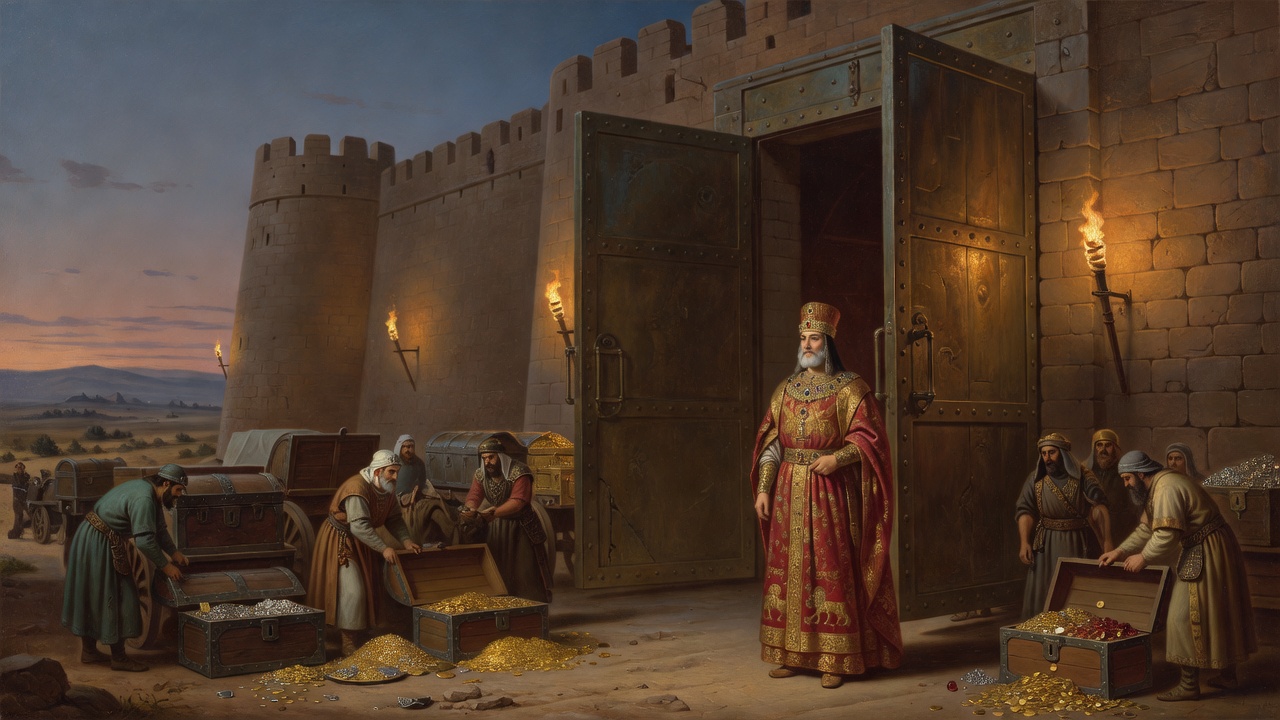
Did you know?
The Commission of Cyrus and God's Sovereignty
- Isaiah 45 explicitly names Cyrus, the Persian ruler who conquered Babylon in 538 BC. Although Cyrus was a foreign monarch, the text refers to him as God's anointed whose mission includes subduing nations and setting the exiles free without payment or reward.Sources: the Bible text itself · Cyrus
- The chapter employs the metaphor of a potter and clay to address those who question God's methods and sovereignty. The passage emphasizes that just as clay cannot dispute the work of the artisan's hands, creation cannot question the Creator's governance.Sources: the Bible text itself
- The chapter also references the goods and merchandise of Egypt and Cush submitting and acknowledging the God of Israel. In biblical geography, Cush referred to the regions located south of Egypt.Sources: the Bible text itself · Cush · Egypt
Notes written with AI assistance from open sources (Theographic Bible Metadata, CC BY-SA 4.0; Easton’s Bible Dictionary, public domain) and reviewed before publishing.
Places in this chapter
Only places identified with high confidence are shown (90% or more according to the scholarly sources compiled by OpenBible). Period map: DARE (Digital Atlas of the Roman Empire), CC BY 4.0; modern map: © OpenStreetMap contributors; places: OpenBible.info (CC BY 4.0).
Credits and license for this translation
Bibiri Kuyie Nnɑ́ɑǹtì Pɑ́tíri
The Holy Bible in the Ditammari language of Benin
copyright © 2001 SIM International
Language: Ditammari
Translation by: SIM
This translation text is made available to you under the
terms of the Creative Commons License: Attribution-Noncommercial-No Derivative Works.
( http://creativecommons.org/licenses/by-nc-nd/3.0/ )
In addition, you have permission to port the text to different file formats, as long as you
do not change any of the text or punctuation of the Bible.
You may share, copy, distribute, transmit, and extract portions
or quotations from this work, provided that you include the above copyright
information:
You must give Attribution to the work.
You do not sell this work for a profit.
You do not make any derivative works that change any of the actual words or punctuation of the Scriptures.
Permissions beyond the scope of this license may be
available if you contact
us with your request.
This translation is made available to you under the terms of the
Creative Commons Attribution-No Derivatives license 4.0.
You may share and redistribute this Bible translation or extracts from it in any format, provided that:
You include the above copyright and source information.
You do not make any derivative works that change any of the actual words or punctuation of the Scriptures.
Pictures included with Scriptures and other documents on this site are licensed just for use with those Scriptures and documents.
For other uses, please contact the respective copyright owners.
2022-05-31
Source: http://ebible.org/tbzsim/ · eBible.org