Isaiah 42
Bibiri Kuyie Nnɑ́ɑǹtì Pɑ́tíri · Tap a verse to see its cross-references.
Kuyie ntɑ̃ɑ̃tɛ́mɛ̀ ku kóo tɔ̃ntì
1Kɛ̀ Kuyie mbɛ́i nkɛ dɔ̀:
Ntɛnɛ̀ n kóo tɔ̃ntì m bo wèè kó difɔ̃nkúò
míì ò tɑ̃ɑ̃tɛ́
koò dɔ́ mɛsɑ̀ɑ̀
koò duɔ́ n kó muyɑɑ́,
kòò bo bɛnkɛ yɛbotɛ̀
dɛ̀ɛ̀ wenni, dɛ̀ɛ̀ tu kucɛ.
2Ò í yó nwékutɛ,
o tɑmmɛ̀ í yó nkpeńnì
bɛ̀ í yóó keè o tɑmmɛ̀ icɛ miɛkɛ.
3Ò í yóó bɔ́ɔ́tɛ́ dipènnì dìì kɔ̀ḿmú
ò í yóó kuɔ dɛfìtírɛ̀ dɛ̀ɛ̀ kó muhɑ̃ɑ̃́ ndɔ́ kɛ́kú,
weè yóó niitɛ́ yɛbotɛ̀ timɔ́mmɔnti kó kucɛ.
4Ò í yóó yóu o tɔ̃mmú, ò í yóó ɔu,
kɛ̀ yɑ̀ɑ niitɛ́nɛ̀ kutenkù timɔ́mmɔnti kó kucɛ,
kɛ̀ yɛhɛkɛ̀ yɛ̀ɛ̀ sokɛ́ dɑ̀mɛ́ɛ̀rì cuokɛ̀ kɛ̀ yɛ kɔbɛɛ keè o tié.
Kuyie nnɑ̀kɛ́ tì kù tɑ̃ɑ̃tɛ́ wè kòò bo ntú yɛbotɛ̀ kó kuwenniku
5Ntɛ mí ndi Yiɛ̀ nKuyie n tú mù,
mí nwèè dɔ̀ɔ̀ tiwɛtì kɛ tì pitɛ́,
míì ɑ̃nnɛ́ kɛtenkɛ̀ nɛ̀ dɛ̀ɛ̀ kó dimɑ̀ɑ̀ bo kɛĩ́nkɛ̀
míì duɔ́ mmufòmmu bɛnìtìbɛ̀ bɛ̀ɛ̀ fòù kɛtenkɛ̀,
míì te kɛ̀ bɛ̀ weí kɛ ceǹtì.
6Mí nhɑ Yiɛ̀ nKuyie mmíì dɑ yùní fɔ̃́ nkóo tɔ̃̀ntì,
kɛ dɑ duɔ́ mmuwɛ̃rímú kɑ̀ɑ bo bɛnkɛ kutenkù timɔ́mmɔnti.
Míì dɑ tɑ̃ɑ̃tɛ́ kɛ dɑ kɑ̃nkɛ́ kɑ̀ɑ bo ɑ̃nnɛ́ mɛtɑummɛ̀,
mí nnɛ̀ bɛnìtìbɛ̀ ti cuokɛ̀.
A yó ndò nkuwenniku nku yɛbotɛ̀ cuokɛ̀,
7kɛ́wéi ntiyũ̀ɔ̃̀ntì,
kɛ́kpetɛ́ tikpetíntì,
kɛ́dennɛní bɛ̀ɛ̀ bo dibiìnnì kɛ́ bɛ̀ tɑnnɛ́ kuwenniku miɛkɛ.
8Míì tu di Yiɛ̀ nKuyie, n yètìrì ndi mɛmmɛ.
N yí yóó duɔ́ n kó tikpetì otɔù mɔù.
M bɑ́ɑ́ duɔ́ nsitenkɑɑnìi n kó disɑ̃nni.
9Mɛdɔɔ̀rìmɛ̀ ketimɛ̀ dɔ̀ɔ̀mu kɛ dèè.
Kɛ̀ n di nɑ́ɑ́ mmɛtɛ̃mɛ̀ mɛ̀ɛ̀ kpɑɑní kɛ bo dɔɔ̀,
mɛ̀ kpɑɑnímu kɛ̀ n di nɑ́ɑ́ nkɛ mɛ̀ mu nyí tùɔ̀kɛní.
Disɑ̃nni kó fɛyɛ̀nfɛ̀
10Deǹtɛ̀nɛ̀ fɛyɛmpɑ̀nfɛ̀ ti Yiɛ̀ nKuyie nkpɛ́í,
nsɑ̃ntínɛ̀ Kuyie!
Díndi bɛ̀ɛ̀ cèntì dɑ̀mɛ́ɛ̀rì ĩ́nkɛ̀ nɛ̀ dɛ̀ɛ̀ kó dimɑ̀ɑ̀ bo o miɛkɛ
díndi bɛ̀ɛ̀ ìtɛ́ní itemmɑ̀nkɛ.
11Díndi bɛ̀ɛ̀ bo dikpɑ́ɑ̀ miɛkɛ kó yɛhɛkɛ̀ nsɑ̃ntínɛ̀ Kuyie.
Kedɑɑ kó sihɛkɛsí kɔbɛ ndɛ́úkùnkonɛ̀ Kuyie nyètìrì.
Sedɑɑ tɑ̃rì kɔbɛ nyíúnɛ̀ kɛ̀ diwɛ̀ì ndi bo.
12Nsɑ̃ntínɛ̀ ti Yiɛ̀ nKuyie ndíndi yɛhɛkɛ̀ dɛ́tiyɛ̀ kɔbɛ,
pĩɛ̃kɛ́nɛ̀ ku sɑ̃nni!
13Ti Yiɛ̀ nKuyie nkèrínímu okpɑ̀rìteu kɔ̃mɛ,
kɛ toǹnì okpɑ̀rìnuɔnti kɔ̃mɛ,
kɛ úú kɛ pĩɛ̃kù,
kɛ buɔ̀ nku dootitɔbɛ̀ fɛúùfɛ̀.
Kuyie ndɔ́ kɛ́dɔɔ̀ tì í yóó pɑɑ̀
14Kɛ̀ ti Yiɛ̀ nKuyie mbɛ́i nkɛ dɔ̀:
Mí ndi Yiɛ̀ nKuyie ndò nyúóó kɛ̀ dɛ̀ mɔ̀ntɛmu,
n yí buɔ̀, m pĩ mmɑ́ɑ̀ nɛ̀ dimɔ̀nnì ndi.
M mítìrìmu onitipòkù wèè kuɔ̀ ndɛbirɛ o kɔ̃mɛ,
ǹ fìumu kɛ̀ n wemmu ɛ̃̀kɛ́.
15M bo dɑ́tɛ́ yɛtɑ̃rɛ̀ nɛ̀ sitɑ̃ɑ̃́ kɛ́feinko,
timútì nɛ̀ dɛtie ndɛ̀ bo kpeí,
kɛ̀ ikó nkṹṹ kɛ́nɑɑ́ nkɛtenkɛ̀,
kɛ̀ yɛbirɛɛ kpeí.
16M bo niitɛ́ tiyũ̀ɔ̃̀ntì kucɛ tì í yɛ̃́ kù,
m bo tì kètɛ́nɛ̀ kucɛ tì í yɑ̀ kù,
m bo ceetɛ dibiìnnì kɛ̀ dìì nɑɑ́ nkuwenniku,
kɛ̀ n yĩ́ĩ́tí yɛfɔ̃̀tɛ̀ kɛ̀ dɛ̀ɛ ɛnnɛ.
Dɛǹdɛ n dɔ́ kɛ́dɔɔ̀mɛ̀ dɛ̀ í yóó pɑɑ̀ n yóó dɛ̀ dɔ̀ɔ̀mu.
17Bɛ̀ɛ̀ duɔ́ mbɛmɑ́ɑ̀ sitenkɑɑnìi,
bɛ̀ɛ̀ ɔ̃ nnɑ́ɑ́ ntimɑ́tì bɛ̀ yìɛ ntì, kɛ utɛ́,
kɛ tú dɛ̀ tu bɛ kó kuyie,
bɛ̀ yóó bótímu kɛ́di ifɛi.
Kuwuɔ nkùù ɔ̃̀ nkɛ yɛ̃̀ĩ
18Dɛ mɔ̀nnì kɛ̀ Kuyie mbɛ́i nkɛ dɔ̀:
Díndi yɛwũ̀ɔ̃̀ kéntɛ́nɛ̀ kɛ́keè,
díndi tiyũ̀ɔ̃̀ntì wéntɛ́nɛ̀ kɛ́yɑ̀.
19N tú we kuyũɔ̃̀nkù kɛ̀ dɛ̀ í tú díndi n kó bɛtɔ̃mbɛ̀?
We nhɔ̃ nkɛ̀ dɛ̀ í tú n kó bɛtɔ̃mbɛ̀
n tɔ̃ mbɛ̀ kɛ tú bɛ̀ɛ nɑ́kɛ́ n nɑ́ɑǹtì.
20Di yɑ̀ kɛ̀ dɛ̀ sũmu di mɛ nyí kpɑɑ́ yɛ̃́ dɛ̀mɑrɛ̀,
kɛ̀ n nɑ̀ɑ́ nkɛ̀ di kémmú di mɛ nyí kèè tìmɑtì.
21Mí ndi Yiɛ̀ nKuyie míì tu timɔ́mmɔnti
n dɔ́ kɛ dí dɛɛtɛ́mu,
dɛɛ̀ kpɛ́í nte kɛ̀ n di duɔ́ n kó ikuɔ́ ìì kpeńnì,
kɛ wenni kɛ pɛ̃ɛ̃tɛ́ dɛmɔu.
22Ntɛ díndi kɛ̀ bɛ̀ ɛí di kpɛrɛ kɛ dì còńnɔ́ɔ,
bɛ̀ di dií nyɛfɔ̃̀tɛ̀ nyɛ,
kɛ̀ di duó yɛ miɛkɛ,
kɛ̀ bɛ̀ di pĩ nkɛ kpetínnɛ́,
bɛ̀ di do mudoò mmu kɛ fekù di kpɛrɛ
òmɔù mɛ nyí di dɛɛrí,
kɛ̀ bɛ̀ ɛí di kpɛrɛ
bɑ́ òmɔù í bo wèè bo yĩ́ tɛ̃́nnɛ́nɛ̀ bɛ bɛ kpɛrɛ.
23Di miɛkɛ òmɔù mɛ nyí totí o yɛ̀mmɛ̀ ti ĩ́nkɛ̀.
We nnɛ́ yóó totí o yɛ̀mmɛ̀ tìì kpɑɑní ti kpɛ́í.
24We nduɔ́ nkɛ̀ di tɑ mɛhɑ́ɑ́rìmɛ̀ miɛkɛ díndi Sɑkɔbu yɑɑ̀bí,
we nduɔ́ nkɛ̀ bɛ ɛí di kpɛrɛ kɛ dɛ̀ fèkù?
Dɛ̀ í tú mí ndi Yiɛ̀ nKuyie nnɑɑ̀?
Di í yie n kpɛti díndi Isidɑyɛɛribɛ
di í tũ̀nnɛ mí ndi Yiɛ̀ nKuyie n di bɛnkɛ kùù cɛ,
di í tũ̀nnɛ n kuɔ́.
25Dɛɛ̀ te mí ndi Yiɛ̀ nKuyie
nkɛ̀ n còúnní m miɛkɛ kó muhɑ̃ɑ̃́ ndi ĩ́nkɛ̀,
kɛ̀ mudoò yonkumu tɑnní
kɛ dì fitɛ́ muhɑ̃ɑ̃́ nkɔ̃mɛ tipíìtì timɔu,
di mɛ nyí bɑntɛ́ kɛ̀ mudoò di kùɔ
di mɛ nyí totí di yɛ̀mmɛ̀.
Did you know?
The Servant of the LORD and the Global Song of Praise
- Isaiah 42 introduces God's chosen Servant, appointed to bring justice quietly to the nations and serve as a light to prisoners without breaking a bruised reed. Later in the same chapter, Israel is also addressed as a servant, though portrayed as blind, deaf, and plundered for not obeying God's law.Sources: the Bible text itself
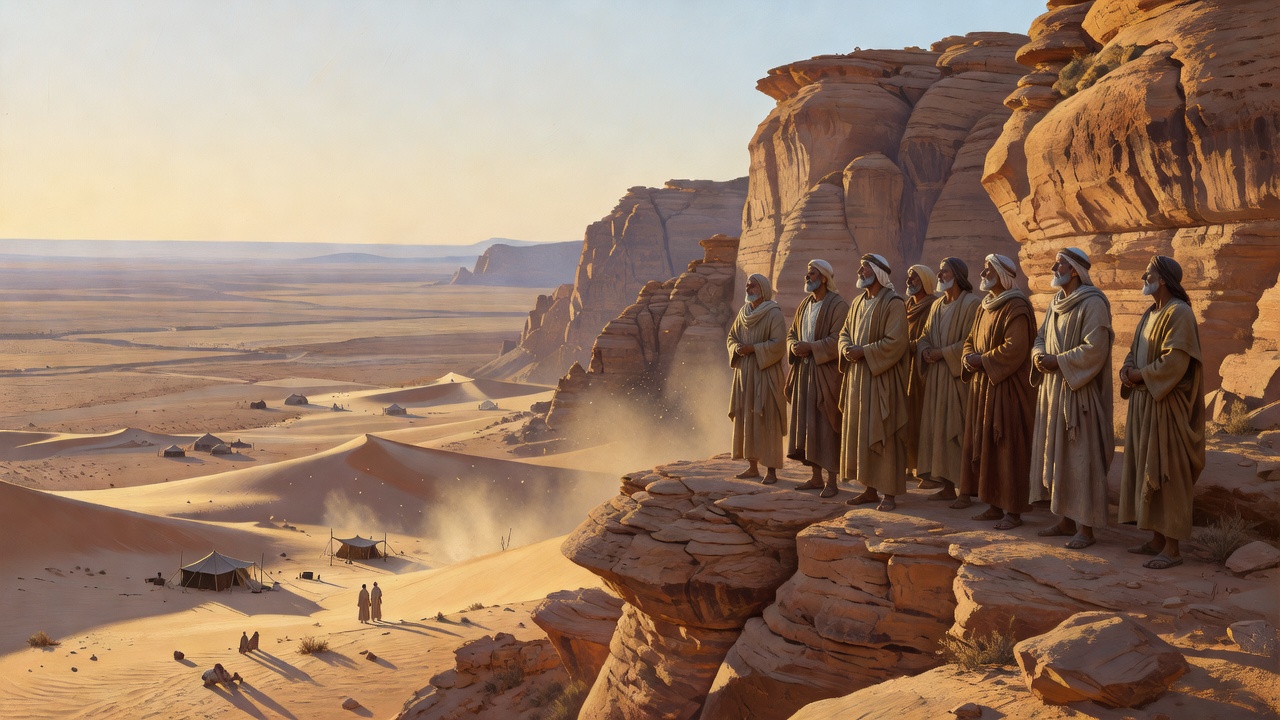
- The prophetic call to praise extends to remote desert regions, specifically naming the settlements of Kedar and the cliffs of Sela. Kedar designates nomadic Arab tribes who dwelled in black hair-tents in northwestern Arabia, while Sela, meaning rock, was a capital stronghold in Edom, later known in history as Petra.Sources: the Bible text itself · Kedar · Sela
Notes written with AI assistance from open sources (Theographic Bible Metadata, CC BY-SA 4.0; Easton’s Bible Dictionary, public domain) and reviewed before publishing.
Places in this chapter
- Kedar · 29.811, 39.868 · verse 11
Only places identified with high confidence are shown (90% or more according to the scholarly sources compiled by OpenBible). Period map: DARE (Digital Atlas of the Roman Empire), CC BY 4.0; modern map: © OpenStreetMap contributors; places: OpenBible.info (CC BY 4.0).
Credits and license for this translation
Bibiri Kuyie Nnɑ́ɑǹtì Pɑ́tíri
The Holy Bible in the Ditammari language of Benin
copyright © 2001 SIM International
Language: Ditammari
Translation by: SIM
This translation text is made available to you under the
terms of the Creative Commons License: Attribution-Noncommercial-No Derivative Works.
( http://creativecommons.org/licenses/by-nc-nd/3.0/ )
In addition, you have permission to port the text to different file formats, as long as you
do not change any of the text or punctuation of the Bible.
You may share, copy, distribute, transmit, and extract portions
or quotations from this work, provided that you include the above copyright
information:
You must give Attribution to the work.
You do not sell this work for a profit.
You do not make any derivative works that change any of the actual words or punctuation of the Scriptures.
Permissions beyond the scope of this license may be
available if you contact
us with your request.
This translation is made available to you under the terms of the
Creative Commons Attribution-No Derivatives license 4.0.
You may share and redistribute this Bible translation or extracts from it in any format, provided that:
You include the above copyright and source information.
You do not make any derivative works that change any of the actual words or punctuation of the Scriptures.
Pictures included with Scriptures and other documents on this site are licensed just for use with those Scriptures and documents.
For other uses, please contact the respective copyright owners.
2022-05-31
Source: http://ebible.org/tbzsim/ · eBible.org