Isaiah 37
Bibiri Kuyie Nnɑ́ɑǹtì Pɑ́tíri · Tap a verse to see its cross-references.
Esekiɑsi beémmɛ̀ Kuyie mpɑ̃ɑ̃nɑ́ɑǹtì nɑ́ɑǹtò Esɑii
1Okpɑ̀ɑ̀tì Esekiɑsi tì kèè dìì mɔ̀nnì kòo yɛ̀mmɛ̀ɛ cɑɑ̀rɛ̀, kòo kɛ̃rí o yɑ̀ɑ̀tì kɛ́dɑ́ɑ́tí kufɔ̀ɔ̀tɔ̃̀nkù kɛ́ntɑti ti Yiɛ̀ nKuyie ncĩ́ɛ̃̀tɛ̀, 2kɛ́tɔ̃ Ediɑkimmu wèè kòtí tɛkpɑ̀ɑ̀tìcĩ́ɛ̃̀tɛ̀, nɛ̀ opɑ́tíwɑ̃ɑ̃̀tì Sebunɑ nɛ̀ ikuɔ́ nìùbɛ̀ bɛ̀ɛ̀ tu bɛkótíbɛ̀ kɛ dɔ̀ bɛ̀ ndɑ́ɑ́tí tifɔ̀ɔ̀tɔ̃̀ntì kɛ́kɔtɛ Amɔti birɛ Esɑii Kuyie mpɑ̃ɑ̃nɑ́ɑǹtì nɑ́ɑǹtò borɛ̀, 3kóò nɑ̀kɛ́ kɛ dɔ̀: Okpɑ̀ɑ̀tì Esekiɑsi tu ti dɑ nɑ́kɛ́ kɛ dɔ̀: Yíe nkó diyiè tu mɛyɛǹcɑɑ̀rìmɛ̀ kpɛri ndi, ti pɑ̀kɛ́mu, Kuyie nkuù ti potɛ́ kɛ̀ ti di ifɛi. Ti kpɛrɛ dònnɛ̀ kupɛitɛ́yonku ɔ̃ɔ̃ ítɛ́mɛ̀ mmɛ onitipòkù, kɛ̀ muwɛ̃rímú nɛ́ ò dòńtɛ́ ò bo nɔrímɛ̀ kɛ̀ dɛbirɛɛ yɛ̀nní. 4Kɛ̀ dɛ̀ nɑɑti ti Yiɛ̀ nKuyie nhɑ tũ nkù bo nkeè Asidii kóo kpɑ̀ɑ̀tì tɔ̃nní wèè ni o ɑ̃ɑ̃pɔ̀mbɛ̀ kòo kù sɑ̃̀ḿmú mɛ̀ɛ̀ botí kɛ bo ò potɛ́ yɛsɑ̃́ɑ̃̀mbɛ̀ ò kù sɑ̃̀ḿmú yɛ̀ kpɛ́í. A nɛ́ kù bɑ̀ńtɛ̀ ku kɔbɛ bɛ̀ɛ̀ kpɑɑ́ bɛ kpɛ́í.
5Kòo kpɑ̀ɑ̀tì Esekiɑsi kó yɛtɔ̃rɛ̀ tuɔkoo Esɑii borɛ̀, 6kòo bɛ̀ nɑ̀kɛ́ kɛ dɔ̀: Ti Yiɛ̀ nKuyie ntu di nɑ́kɛ́ okpɑ̀ɑ̀tì Esekiɑsi kɛ dɔ̀ o kɔ̃m̀bùɔ̀tì bɑ́ nduò ò kèè tìì nɑ́ɑǹtì nɛ̀ yɛ̀ɛ̀ sɑ̃́ɑ̃m̀bɛ̀ okpɑ̀ɑ̀tì Asidii kou tɔ̃ nkɛ̀ bɛ̀ ò sɑ̃̀ḿmú yɛ̀ kpɛ́í. 7Ti Yiɛ̀ nKuyie ntu kuù mɔ́mmɔnku yóó ò ɑ̃nnɛ́ mɛyɛ̀mmɛ̀ mɛ̀ɛ̀ bo nte kòo keè tinɑ́ɑǹtì mɑtì kɛ́kò nho ciɛ kɛ̀ kùu duɔ́ nkɛ̀ bɛ̀ɛ kɛ̀ nhò kùɔ.
Asidii kóo kpɑ̀ɑ̀tì wɑ̃̀rimɛ̀ dipɑ́tíri kɛ bo donnɛ́ Esekiɑsi kɔ̃m̀bùɔ̀tì
8Mɛm̀mɛ wèè ni Asidii kó bɛhɑ̃ɑ̃pɔ̀mbɛ̀, ò kèèmɛ̀ Asidii kóo kpɑ̀ɑ̀tì ìtɛ́mɛ̀ Dɑkiisi kɛ kɔ̀tɛ kɛ do Dibunɑ mudoò, kòo kɛ̀ nhò sɔ̃̀ńtóo. 9Asidii kóo kpɑ̀ɑ̀tì do kèè Etiopii kóo kpɑ̀ɑ̀tì Tidɑkɑɑ kɔ̀riní mɛ̀mmɛ kɛ bo ò do mudoò, kɛ yíɛ́ kɛ́tɔ̃ nkɛ dɔ̀: 10Nɑ́kɛ́nɛ̀ Esekiɑsi kɛ dɔ̀: Asidii kóo kpɑ̀ɑ̀tì tu: A bɑ́ɑ́ yóu kɛ̀ Kuyie nhɑ duɔ́ nkù ɑmɑ́ɑ̀, kɛ̀ kù dɑ soutɛ́ kɑ̀ɑ yɛ̀mmɛ̀ ndò mí nhAsidii kóo kpɑ̀ɑ̀tì n yí yóó pɔntɛ Sedisɑdɛmmu. 11A mɔ́mmuɔ nhɑ kèèmu wenwe nhAsidii kóo kpɑ̀ɑ̀tì ò dɔ̀ɔ̀ dɛ̀ yɛhɛkɛ̀ tɛyɛ̀, ò yɛ̀ kùɔmɛ̀ pɑ́íí, kɛ̀ fɔ̃́ nyɛ̀mmɛ̀ nɛ́ dò nhɑ bo cootɑ́ɑ̀? 12Kosɑ̃ɑ̃ ɛì nɛ̀ Anɑɑ kpɛri nɛ̀ Desɛfu ɛì nɛ̀ Edeniibɛ bɛ̀ɛ̀ do bo Tedɑsɑɑ ɛì dɛ kó ibotí n yɛmbɛ̀ do kuɔ̀ ì, i bɔkɛ̀ nɑ kɛ ì dɛɛtɑ́ɑ̀? 13Amɑti nɛ̀ Adipɑdi nɛ̀ Dɑii Sefɑdifɑimmu nɛ̀ Enɑɑ nɛ̀ Iwɑ, dɛ kó yɛhɛkɛ̀ kó bɛkpɑ̀ɑ̀tìbɛ̀ borɛ?
Esekiɑsi bɑ́ntɛ̀mɛ̀ Kuyie
14Kɛ̀ Esekiɑsi cɔutɛ́ dipɑ́tíri yɛtɔ̃rɛ̀ nɔu miɛkɛ kɛ́kɑɑ nkɛ́deè, kɛ́tɑ Kuyie ncĩ́ɛ̃̀tɛ̀ kɛ́ dì pĩ̀ntɛ ti Yiɛ̀ nKuyie nyììkɛ̀, 15kɛ́ kù bɑ̀ńtɛ̀ kɛ dɔ̀:
16Ti Yiɛ̀ nKuyie Mpɑkɛdɑɑ Isidɑyɛɛribɛ tũ nkù, fɔ̃́ nwèè kɑ̀ri ɑ tɑummɛ̀ tɔu bɛĩ́nkɛ̀mbɑ̀rìbɛ̀ fèntì ĩ́nkɛ̀, fɔ̃́ nwèè bɑkɛ́ yɛkpɑ̀ɑ̀tìyɔ yɛmɔu yɛ̀ɛ̀ bo kɛtenkɛ̀. Fɔ̃́ nwèè dɔ̀ɔ̀ kɛtenkɛ̀ nɛ̀ kɛĩ́nkɛ̀. 17Ti Yiɛ̀ nKuyie nhɑ bomu, kéntɛ́ kɛ́keè, sĩ́nnɛ́ní kɛ́yɑ̀! Keè Sennɑkedibu dɑ sɑ̃́ɑ̃́mmɛ̀. 18Ti Yiɛ̀ nKuyie, mɔ́mmuɔ nwe yie Asidii kó bɛkpɑ̀ɑ̀tìbɛ̀ dèèmɛ̀ ibotí tɛì kó yɛhɛkɛ̀ yɛmɔu. 19Kɛ cɔ́u mbɛ bɔɔtenkɑɑnìi, kɛ̀ sì cɔ̀útɛ́, bɛnìtìbɛ̀ bɛɛ̀ sì dɔ̀ɔ̀ nɛ̀ idɛí nɛ̀ yɛtɑ̃́rɛ̀, sì í tú Kuyie. 20Ti Yiɛ̀ nKuyie tí dɛɛtɛ́ nɛ̀ Sennɑkedibu, kɛ̀ kɛtenkɛ̀ kó yɛkpɑ̀ɑ̀tìyɔ yɛmɔuu bɑntɛ́ fɔ̃́ɔ̃̀ tumɛ̀ ti Yiɛ̀ nKuyie nhɑmɑ́ɑ̀.
Kuyie ndɑɑ́mmɛ̀ Asidii kóo kpɑ̀ɑ̀tì
21Mɛm̀mɛ Amɔti birɛ Esɑii tɔ̃mmɛ̀ kɛ̀ bɛ̀ɛ nɑ́kɛ́ Esekiɑsi kɛ dɔ̀: Ti Yiɛ̀ nKuyie nyIsidɑyɛɛribɛ tũ nkù tu kù kèèmu ɑ kù kuɔ̀nnɛ̀mɛ̀ Asidii kóo kpɑ̀ɑ̀tì Sennɑkedibu kpɛ́í.
22Ntɛ ti Yiɛ̀ nKuyie nnɑ̀kɛ́ tì o kpɛ́í:
Siyɔ̃ɔ̃ kó dɛsɑpùmbirɛ dɑ sènkɛ̀rìmu,
kɛ dɑ dɑú,
kɑ̀ɑ cokù kɛ̀ Sedisɑdɛmmu kó dɛsɑpùmbirɛ dɑ cɔ̃́ṹ.
23Mí ndi nYiɛ̀ nKuyie ntu: Wennì nwe ɑ sɑ̃̀ḿmúmɛ̀?
Wennì nwe ɑ ommúmɛ̀ yɛsɑ̃́ɑ̃̀mbɛ̀?
Wennì nwe ɑ sèémmɛ̀ fɛnɔ̀nfɛ̀?
Mí nKuyie nkùù dò mpɑ́í pɑ́í Isidɑyɛɛribɛ tũ kùɑ̀?
24A bɑɑ tɔ̃nní ɑ tɔ̃rɛ̀ kɛ̀ yɛ̀ sɑ̃̀ḿmú mí ndi Yiɛ̀ nKuyie nkuɑ̀?
Kɛ nɑ̀kɛ́ kɛ tú ɑ nɑɑsɛ̃ĩ́ kpeńnì mɛ̀ɛ̀ kpɛ́í nte,
kɑ̀ɑ dèkɛ Dimɑɑ tɑ̃rì yómmɛ̀,
kɛ tɑ Dimɑɑ túúkù cuokɛ̀,
kɛ kɔ̃ṹ dɛtekperɛ̀ bɛ̀ tu dɛ̀ sɛ́tìrì nɛ̀ sìpɛrɛ́sì?
Kɛ tùɔ̀kɛ ditɑ̃rì yontɛ́nyómmɛ̀ dɛtie nsũ dɛɑ̀?
25Kɛ bɛ́i nkɛ tú ɑ keúmu sibií bɛtɔbɛ̀ ciɛ,
kɛ yɑ̃̀ bɛtɔbɛ̀ tenkɛ̀ kó mɛniɛ
nkɛ nɑ ɑ nɑɑ̀cɛ̀tɛ̀ mɛ̀mɑ́ɑ̀,
kɛ ĩ̀tínnɛ́ Esibiti kó ikó nyìì tukúnɛ̀ kukó ndiɛkù Niidi.
26A nɛ́ í yɛ̃́ kɛ dò mmí nKuyie mmíì pĩ ndɛ kó mutɔ̃mmú,
nɛ̀ dimɔ̀nnì kòtírì miɛkɛ nkɛ,
n tɑ̃ɑ̃tɛ́mɛ̀ kɛ yɛ̃́ n dò nkɛ́dɔɔ̀mɛ̀,
kɛ yóó mɛ dɔ̀ɔ̀ di mmɔ̀nnì.
Míì do dɑ tɑ̃ɑ̃tɛ́,
kɑ̀ɑ bo puɔ nyɛhɛkɛ̀ iduotí fitɛ́ yɛ̀ kɛ́ yɛ̀ dɛ̀ítɛ́.
27Kɛ̀ dɛ kó yɛhɛkɛ̀ kɔbɛɛ dóntɛ́ muwɛ̃rímú kɛ̀ dɛ̀ɛ bɛ̀ kpeí,
kɛ̀ bɛ̀ɛ di ifɛi, kɛ́sɑ̃́ɑ̃́tɛ́nɛ̀ timútì,
bɛ̀ í yóó ncɑ̃́ɑ̃́nnɛ̀ mɛmúyɔɔ̀mmɛ̀, bɛ̀ yóó dontɛnɛ̀ tiyòyiɛnti,
nɛ̀ timútì tìì ɔ̃ɔ̃ yɛ̀ tɛcɑdopòtɛ̀ ĩ́nkɛ̀
kɛ́kpeío bɑ́ ti mɔ̀nnì í tùɔ̀kɛ.
28A kpɛti mɑtì í bo tìì m bìinnìnɛ̀,
mí nKuyie! Kɑ̀ɑ kɑ̀ri n yɛ̃́mu,
kɑ̀ɑ yɛ̀tì n yɛ̃́mu,
kɑ̀ɑ mɛ n tɑti n yɛ̃́mu,
kɑ̀ɑ miɛkɛ m pɛikɛ n yɛ̃́mu.
29A n yɛ̀ mɛ̀ɛ̀ kpɛ́í nkɛmiɛkɛ, kɛ̀ tɛpɔ̀tɛ̀ dɑ dɛutɛ́
dɛɛ̀ te, kɛ̀ n yóó tɔ̃nnɛ́ ɑ ɔ̃nnì mumɑ́mɑ́ɑ́,
kɛ́ɑ̃nnɛ́ ɑ nùù tisɑ̃ndɑ́ntì kɛ dɑ dɛtɛ,
kɛ́poonnɛ̀ ɑ nɑcɛ̀fɔ̃̀tɛ̀ kɛ́kpɛ̃nnɛ́ ɑ ciɛ.
30Esekiɑsi, ntɛ dɛ̀ɛ̀ yó ntú mɛbɛnkùmɛ̀: Di mbenni di yóó di tidiitì tìì ɛ̃nkɛ́ tì nti, dibenni tɛrì kɛ́di tididenti, dibenni tɑ̃ɑ̃́nnì kɛ́buɔtí kɛ́kɔ̃ṹ, kɛ́fííkú dɛtie mbɛ̀ tu dɛ̀ fínyĩ̀ kɛ́tɔ̃ũ dɛ bɛ. 31Dɛ mɔ̀nnì Sudɑɑ kɔbɛ bɛ̀ɛ̀ bo nkpɑɑ́, bɛ cĩɛ̃̀ mbo tɑ kɛtenkɛ̀ kɛ̀ bɛ bɑkɛɛ pɛitɛ́ yɛbɛ. 32Sedisɑdɛmmu nwe, bɛ̀ɛ̀ bo yentɛ́ bɛ̀ yɛ̀tìnímɛ̀, Siyɔ̃ɔ̃ tɑ̃rì ndi bɛ̀ yɛ̀tìnímɛ̀.
Ti Yiɛ̀ nKuyie Mpɑkɛdɑɑ ti dɔ́ mɛ̀ɛ̀ kpɛ́í nkɛ̀ dɛ̀ dɛu te kòò yóó mɛ̀ dɔɔ̀. 33Kɛ̀ tìì tukúnɛ̀ Asidii kóo kpɑ̀ɑ̀tì, ntɛ ti Yiɛ̀ nKuyie nnɑ̀kɛ́ tì o kpɛ́í: Mí ndi Yiɛ̀ nKuyie mmíì tu ò í tɑti di nhɛì, ò bɑ́ɑ́ di tɑ̃ũ ipie, nhò mɛ̀ mbɑ́ɑ́ di donɛ̀ tidɔpììtì, yoo wèe ɔnnɛ́ di duotí mutɑ̃́ɑ̃́ nkɛ́nɑ kɛ́tɑ. 34Mí ndi Yiɛ̀ nKuyie m bɛ́immu kɛ tú ò í tɑti di nhɛì. Ò wɛ̃ti kɛ bo poo nhò kètɛ́ní kùù cɛ nku kɛ́konnɛ̀. 35N yó nkɑ̃nkɛ́mu di nhɛì kɛ di dɛɛtɛ́ n yètìrì kpɛ́í, nɛ̀ n kóo tɔ̃ntì Dɑfiti kpɛ́í.
Asidii kɔbɛ cokɛ́mɛ̀ kɛ̀ bɛ̀ɛ kuɔ Sennɑkedibu
36Dɛ kó kɛyènkɛ̀ kɛ̀ ti Yiɛ̀ nKuyie nkó ditɔ̃nnìi kɔtɛní Asidii kɔbɛ kó dihɑ̃ɑ̃pɔ̀nkɑrì, kɛ́kuɔ bɛnitidɑɑbɛ̀ tɛkɔùpíkɔ̀ùtɛ̀ nɛ̀ sikɔùpípísìni nɛ̀ sikɔùpísìnùmmù (185000). Kɛ̀ dɛ̀ɛ wentɛ́ kɛ̀ bɛ̀ nsɔ̃́ mbɛcíríbɛ̀ bɛɛ̀ mɑ́ɑ̀ duɔ́ duɔ́. 37Dɛ mɔ̀nnì kɛ̀ Asidii kó okpɑ̀ɑ̀tì Sennɑkedibuu uutɛ́ o ɑ̃ɑ̃pɔ̀nkɑrì kɛ́ítɛ́ kɛ́kò nkɛ́mbo Ninifu, 38kɛ́tɑ diyiè mɑrì o bɔɔ̀ Nisidɔki tou kɛ́nnínkú di ììkɛ̀ kòo bí Adɑmɛdɛki nɛ̀ Sɑdetisɛɛ kɛ̀ bɛ̀ɛ ò kɔ̃ṹ disiè kɛ́kuɔ, kɛ́cokɛ́, kɛ́kɔtɛ Adɑdɑti ɛì, kòo birɛ Ɛdɑ-Adonni sɔɔtɛ́ o kpɑ̀tì.
Did you know?
Hezekiah's Prayer and the Deliverance of Jerusalem
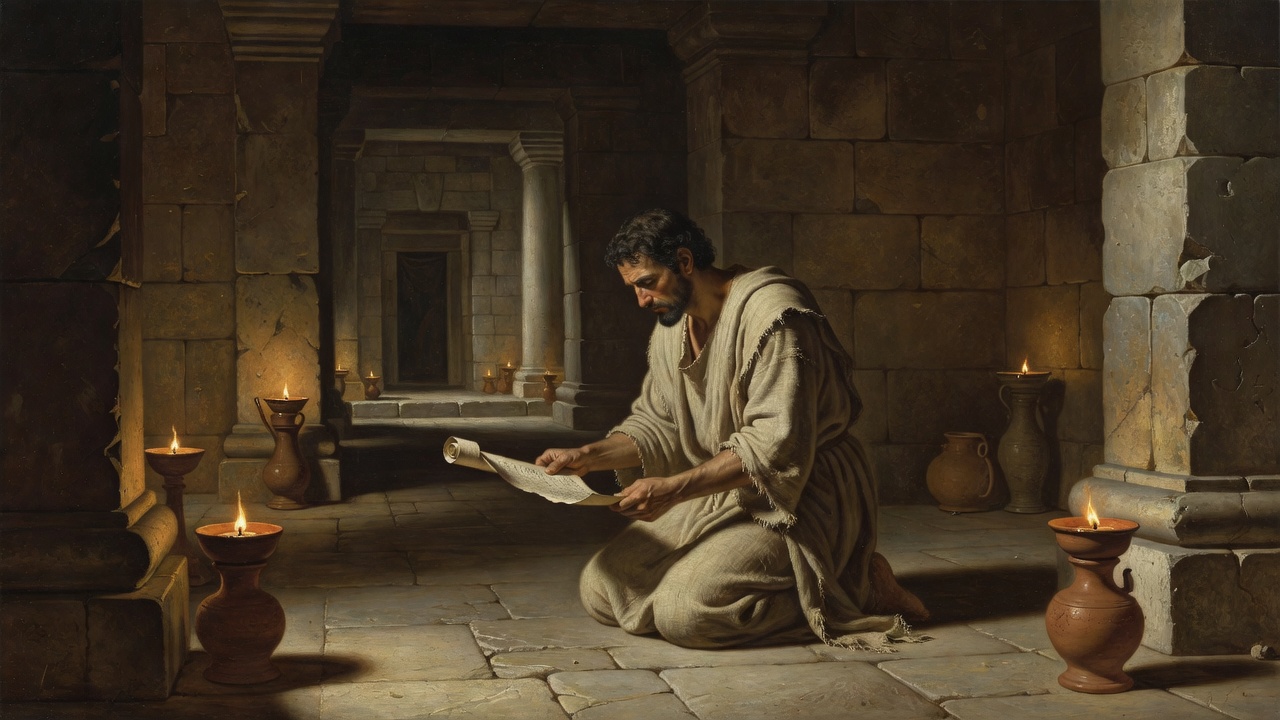
- When King Hezekiah received the threatening letter from the Assyrian king Sennacherib, he went up to the temple in Jerusalem and spread the document out before God in prayer. He emphasized that the deities of other conquered nations had fallen because they were merely human handiwork made of wood and stone, unlike the living God.Sources: the Bible text itself · Hezekiah
- The chapter mentions Tirhakah, king of Cush, who advanced to fight against Sennacherib. Cush and Egypt were unified under Ethiopian rulers during this period, presenting a substantial southern military power that contested Assyrian expansion.Sources: Tirhakah · Cush · the Bible text itself
- After the disaster that decimated his army outside Jerusalem, Sennacherib withdrew to his capital at Nineveh. While he was worshipping in the temple of his god Nisroch, his sons Adrammelech and Sharezer assassinated him.Sources: the Bible text itself · Sennacherib · Adrammelech
Notes written with AI assistance from open sources (Theographic Bible Metadata, CC BY-SA 4.0; Easton’s Bible Dictionary, public domain) and reviewed before publishing.
Places in this chapter
- Assyria · 36.359, 43.153 · verses 4, 6, 8, 10, 11, 18, 21, 33, 37, 38
- Jerusalem · 31.777, 35.234 · verses 8, 9, 10, 22, 32, 33
- Lachish · Today: Tell ed Duweir · 31.565, 34.849 · verse 8
- Cush · Today: Cush 1 · 16.935, 33.751 · verse 9
- Eden · Today: Beth-eden · 36.701, 38.087 · verse 12
- Haran · Today: Harran · 36.864, 39.033 · verse 12
- Hamath · Today: Hama · 35.136, 36.750 · verse 13
- Zion · Today: Jerusalem · 31.777, 35.234 · verse 22
- Lebanon · 33.540, 35.584 · verse 24
- Mount Carmel · 32.672, 35.023 · verse 24
- Egypt · 30.129, 31.308 · verse 25
- Mount Zion · 31.772, 35.229 · verse 32
- Nineveh · 36.359, 43.153 · verse 37
- Ararat · Today: Urartu · 39.703, 44.300 · verse 38
Only places identified with high confidence are shown (90% or more according to the scholarly sources compiled by OpenBible). Period map: DARE (Digital Atlas of the Roman Empire), CC BY 4.0; modern map: © OpenStreetMap contributors; places: OpenBible.info (CC BY 4.0).
Credits and license for this translation
Bibiri Kuyie Nnɑ́ɑǹtì Pɑ́tíri
The Holy Bible in the Ditammari language of Benin
copyright © 2001 SIM International
Language: Ditammari
Translation by: SIM
This translation text is made available to you under the
terms of the Creative Commons License: Attribution-Noncommercial-No Derivative Works.
( http://creativecommons.org/licenses/by-nc-nd/3.0/ )
In addition, you have permission to port the text to different file formats, as long as you
do not change any of the text or punctuation of the Bible.
You may share, copy, distribute, transmit, and extract portions
or quotations from this work, provided that you include the above copyright
information:
You must give Attribution to the work.
You do not sell this work for a profit.
You do not make any derivative works that change any of the actual words or punctuation of the Scriptures.
Permissions beyond the scope of this license may be
available if you contact
us with your request.
This translation is made available to you under the terms of the
Creative Commons Attribution-No Derivatives license 4.0.
You may share and redistribute this Bible translation or extracts from it in any format, provided that:
You include the above copyright and source information.
You do not make any derivative works that change any of the actual words or punctuation of the Scriptures.
Pictures included with Scriptures and other documents on this site are licensed just for use with those Scriptures and documents.
For other uses, please contact the respective copyright owners.
2022-05-31
Source: http://ebible.org/tbzsim/ · eBible.org