Isaiah 24
Bibiri Kuyie Nnɑ́ɑǹtì Pɑ́tíri · Tap a verse to see its cross-references.
Kuyie nyóó pɔntɛmɛ̀ kutenkù
1Ti Yiɛ̀ nKuyie nyóó pɔntɛmu kɛtenkɛ̀, kɛ̀ kɛ̀ɛ̀ dɔúnko,
kutenkù bo kóntɛ́ kɛ̀ bɛnìtìbɛ̀ɛ cíɛ́tɛ́ bɛ̀ɛ̀ tu:
2Ikuɔ́ nìùbɛ̀ nɛ̀ cɛ̃́nkoo kɔbɛ.
Kudɑɑkù yiɛ̀ nnɛ̀ kudɑɑkù,
Tɛcĩ́ɛ̃̀tɛ̀ yɔ̃ nɛ̀ o kóo tɔ̃ntì,
wèè fiiti nɛ̀ wèè do,
wèè pènni nɛ̀ bɛ̀ pènni wè.
Dibɑ̀nnì yiɛ̀ nnɛ̀ ò bɑnnɛ̀ wè.
3Ti Yiɛ̀ nKuyie nyóó pɔntɛmu kɛtenkɛ̀ pɑ́íí,
kɛ́hɛí di kpɛrɛ, kɛ̀ di tenkɛ̀ɛ dɔúnkoo.
Ti Yiɛ̀ nKuyie nkuù tì bɛ́i.
4Kɛtenkɛ̀ kuɔ̀mmu kɛ cĩ̀tɛ,
kutenkù cɑ̀kɛmu kɛ nɑɑ́ ntidobontì kɛ wɛ̃nnɛ́nɛ̀ kɛĩ́nkɛ̀.
5Bɛ̀ɛ̀ bo kɛtenkɛ̀ ĩ́nkɛ̀ bɛɛ̀ kɛ̀ sɑ̃ũ,
kɛ yɛ̃́ bɛ̀ bùtínnɛ́mɛ̀ Kuyie nkuɔ́,
bɛ̀ sèńtɛ́ Kuyie ntié nyi,
kɛ tɔ̃̀tɛ mɛtɑummɛ̀ mɛ̀ɛ̀ do bo sɑ̃́ɑ̃̀,
bɛmbɛ nɛ̀ Kuyie mbɛ cuokɛ̀.
6Dɛɛ̀ te kɛ̀ Kuyie ncɔ̃ɔ̃ kɛtenkɛ̀,
bɛ̀ɛ̀ bo kɛtenkɛ̀ kɛ̀ bɛ̀ yɑ̀u bɛ yɛi nkó mucɔ̃́ntimu,
kɛ dèè bɑ́ bɛ̀ɛ̀ kpɑɑ́ bɛ̀ tɛ̃́nkɛ í tùɔ̀kɛ dɛ̀mɑrɛ̀.
Mɛnɑɑ̀ ndèèmɛ̀ dihɛì kɛ̀ diwɛ̀ì dèè
7Fínyĩ̀ kó dɛtie mmɔ̀tɛ́mu,
mɛnɑɑ̀ pɑ̀mmɛ̀ tɛ̃́nkɛ í kpɑɑ́.
Bɛ̀ɛ̀ yɛ̀mmɛ̀ do dò ncɑ́tírɛ́
kɛ̀ bɛ̀ tɑ mɛyɛǹcɑɑ̀rìmɛ̀ miɛkɛ.
8Yɛbɑ̀rɛ̀ kó yɛdɑbùò ncĩ̀ɛ̃́kɛ́mu
kɛ̀ siyíkpèi yɛ̃ nyúóó,
kɛ̀ tibómbonti yɛ̃ nkɑ́rɛ́.
9Inɑɑyɑ̃̀ɑ̃̀yìɛ ntɛ̃́nkɛ í bo.
Mɛnɑɑ̀ kperímɛ̀ tiikɛmu, bɛnɑɑyɑ̃̀ɑ̃̀bɛ̀ kpɛ́í.
10Dihɛì dimɔu dɔúnkomu kɛ pùɔ,
kɛ̀ sicɛ̃́ĩ yɑ̃̀ɑ̃̀ nyɑ̃̀ɑ̃ mbɑ́ òmɔù tɛ̃́nkɛ í nɔ nkɛ tɑɑ̀.
11Kɛ̀ bɛnìtìbɛ̀ kuɔ̀ ndihɛì miɛkɛ.
Mɛnɑɑ̀ ndòńtɛ́ mɛ̀ɛ̀ kpɛ́í,
diwɛ̀ì tɛ̃́nkɛ í kpɑɑ́,
kɛ̀ tiyɑ̃ǹkùtì dèè dihɛì.
12Dihɛì dimɔu nɑɑ́ ntidobontì nti,
kɛ̀ yɛcɑ̀kɛ̀ pɛ̀ítɛ́ pɛ́ítɛ́ kɛ cóú.
13Ibotí imɔu kutenkù
dɛ̀ bo ndònnɛ̀ bɛ̀ ɔ̃ɔ̃ tɔ̃ũ odìfíè kó yɛbɛ kɛ íntɛ́ yɛ̀,
bɛ̀ ɔ̃ɔ̃ tɔ̃ũ fínyĩ̀ bɛ kɛ́yɑ́kɛ́ yɛ̀.
Bɛ̀ɛ̀ nɑntɛ́ kɛ yɑ̃nku
14Bɛ̀ pĩɛ̃kù mɛtɑmmɛ̀ mmɛ,
kɛ dɛ́úkùnko ti Yiɛ̀ nKuyie nyètìrì,
kɛ̀ diyiè tɑɑ̀ kɛ̀ɛ̀ bíɛ́kɛ̀ kɔbɛ yɑ̃nku.
15Díndi diyiè yìɛ̀ní kɛ̀ɛ̀ bíɛ́kɛ̀ kɔbɛ,
dɛ́úkùnnɛ ti Yiɛ̀ nKuyie nyètìrì.
Díndi dɑ̀mɛ́ɛ̀rì bíɛ́kɛ̀ kɔbɛ
sɑ̃ntɛnɛ̀ ti Yiɛ̀ nKuyie kùù ti te tínti Isidɑyɛɛribɛ.
16Ti kèèmu bɛ̀ dìèmmɛ̀ fɛ nyɛ̀nfɛ̀:
Ti Yiɛ̀ nKuyie nkùù wetí ku yètìrì ndɛu!
Kɛ̀ mí nnɛ́ kuɔ́nko kɛ dɔ̀:
Ń fetimu, ǹ fetimu!
Mɛyɛi mmɛɛ̀ ti do,
bɛ̀ ǹ fìtɛ́mu, nɛ̀ bɛ̀ ti do nɑɑti bɛɛ̀ kòńtɛ́ kɛ n fìtɛ́.
17Díndi bɛ̀ɛ̀ bo kɛtenkɛ̀ ĩ́nkɛ̀
Difɔ̃̀tìrì nɛ̀ ticùɔ̀tì,
dɛɛ̀ bo di ììkɛ̀.
18Wèè bo keè iúu kɛ́cokɛ́nɛ̀ kufɔ̃wɑɑ́,
nhò doti difɔ̃̀tìrì ndi,
kɛ̀ wèè yɛ̀tìní difɔ̃̀tìrì kòo tɑ ticùɔ̀tì miɛkɛ.
Yɛwɛtibòrɛ̀ yɛɛ̀ kpetɛ́,
kɛ̀ kɛtenkɛ̀ kó dipũũ sɑ̃̀ntɛ̀.
19Kɛtenkɛ̀ kɛɛ̀ sɑ̃̀nti,
kɛ yɑú kɛ wɛ́ú yɛwɛ́tiyɛ̀.
20Kɛtenkɛ̀ ɑ̃̀ntimu kunɑɑ̀yɑ̃̀kɛ́muɔ́nkù tɛ̃mɛ̀.
Kɛ sɑ̃nti dipɑɑkɔ̃tɛ́fii kɔ̃mɛ,
mɛyɛi mmɛɛ̀ kɛ̀ yɔ̃̀ntɛ,
kɛ̀ domu kɛ tɛ̃́nkɛ í yóó ítɛ́.
Bɛkpɑ̀ɑ̀tìbɛ̀ yóó domɛ̀ kɛ̀ Kuyie mbɑɑtɛ́
21Dɛ yiè ti Yiɛ̀ nKuyie mbo ɑ̃nnɛ́ tɛnɔ̀ùtɛ̀ kɛĩ́nkɛ̀ kó bɛkperíbɛ̀, kɛ́potɛ́ kɛtenkɛ̀ kó bɛkpɑ̀ɑ̀tìbɛ̀, 22kɛ́ bɛ̀ tìí mbɛmɔu bɛ̀ ɔ̃ɔ̃ tíímmɛ̀ tikpetíntì kɛ́ tì tɑnnɛ́ difɔ̃̀tìrì, kɛ́kpetínnɛ́ kɛ̀ bɛ̀ nkpetí, kɛ̀ dɛ̀ɛ mɔntɛ kɛ̀ bɛ̀ nɛ́ bɛ̀ dɔ̀ɔ̀ bɛ̀ dò mbɛ̀ɛ bɛ̀ dɔ̀ɔ̀ tì.
23Otɑ̃̀nkù bo sĩ́nnɛ́
kɛ̀ ifɛii pĩ́ ndiyiè.
Dɛ yiè ti Yiɛ̀ nKuyie Mpɑkɛdɑɑ weè yó mbɑkɛ́
kɛ́mbo Sedisɑdɛmmu Siyɔ̃ɔ̃ tɑ̃rì ĩ́nkɛ̀,
nɛ̀ o kpetì kɛ̀ bɛkótíbɛ̀ ntì wùó.
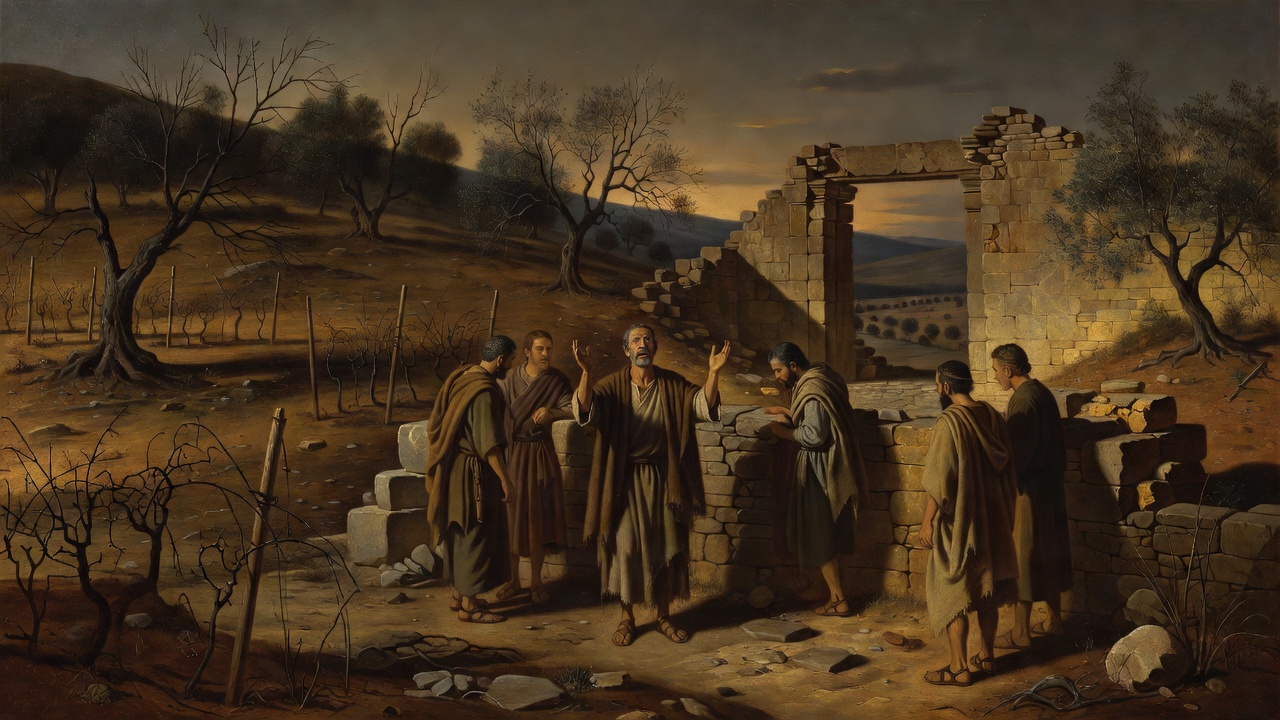
Did you know?
Universal Judgment and the Reign on Mount Zion
- The judgment depicted in this chapter reaches across all social distinctions equally, falling alike upon priest and people, master and servant, buyer and seller, and creditor and debtor. The devastation also silences everyday music, ending the sounds of the harp and tambourine as well as wine celebrations.Sources: the Bible text itself
- The scattered survivors are compared to the few olives left on a tree after harvest or the gleanings left behind after grapes are gathered. Despite the widespread ruins, voices of praise to God are described as rising from distant coasts and islands.Sources: the Bible text itself
- The vision concludes with the Lord reigning in glory before his elders on Mount Zion and in Jerusalem, outshining the sun and the moon. Mount Zion was the southeastern hill of Jerusalem where King David had earlier built his citadel.Sources: the Bible text itself · Mount Zion · Jerusalem
Notes written with AI assistance from open sources (Theographic Bible Metadata, CC BY-SA 4.0; Easton’s Bible Dictionary, public domain) and reviewed before publishing.
Places in this chapter
Only places identified with high confidence are shown (90% or more according to the scholarly sources compiled by OpenBible). Period map: DARE (Digital Atlas of the Roman Empire), CC BY 4.0; modern map: © OpenStreetMap contributors; places: OpenBible.info (CC BY 4.0).
Credits and license for this translation
Bibiri Kuyie Nnɑ́ɑǹtì Pɑ́tíri
The Holy Bible in the Ditammari language of Benin
copyright © 2001 SIM International
Language: Ditammari
Translation by: SIM
This translation text is made available to you under the
terms of the Creative Commons License: Attribution-Noncommercial-No Derivative Works.
( http://creativecommons.org/licenses/by-nc-nd/3.0/ )
In addition, you have permission to port the text to different file formats, as long as you
do not change any of the text or punctuation of the Bible.
You may share, copy, distribute, transmit, and extract portions
or quotations from this work, provided that you include the above copyright
information:
You must give Attribution to the work.
You do not sell this work for a profit.
You do not make any derivative works that change any of the actual words or punctuation of the Scriptures.
Permissions beyond the scope of this license may be
available if you contact
us with your request.
This translation is made available to you under the terms of the
Creative Commons Attribution-No Derivatives license 4.0.
You may share and redistribute this Bible translation or extracts from it in any format, provided that:
You include the above copyright and source information.
You do not make any derivative works that change any of the actual words or punctuation of the Scriptures.
Pictures included with Scriptures and other documents on this site are licensed just for use with those Scriptures and documents.
For other uses, please contact the respective copyright owners.
2022-05-31
Source: http://ebible.org/tbzsim/ · eBible.org