Isaiah 14
Bibiri Kuyie Nnɑ́ɑǹtì Pɑ́tíri · Tap a verse to see its cross-references.
Isidɑyɛɛribɛ yóó wɛ̃tɛ kɛ́kɑrimɛ̀ bɛ ɛì
1Ti Yiɛ̀ nKuyie nyóó kuɔ́mmu Sɑkɔbu yɑɑ̀bí mɛsémmɛ̀. Kuyie nyóó wɛ̃tɛ kɛ́tɑ̃ɑ̃tɛ́mu Isidɑyɛɛribɛ, kù yóó bɛ̀ kɑ̀nnɛmu bɛ tenkɛ̀. Bɛpɔ̀ɔ̀bɛ̀ yóó kɔtoomu kɛ́ bɛ̀ wɛ̃nnɛ́nɛ̀, bɛ̀ yóó munnɛ́nɛ̀mu Sɑkɔbu yɑɑ̀bí.
2Yɛbotɛ̀ bo túótɛ́ Isidɑyɛɛribɛ kɛ́ bɛ̀ kpɛ̃nnɛ́ bɛ tenkɛ̀. Isidɑyɛɛribɛ yóó bɛ̀ tiekɛmu ti Yiɛ̀ nKuyie mbɛ̀ duɔ́ nkɛ̀ɛ̀ tenkɛ̀ miɛkɛ, kɛ́ bɛ̀ dɔ̀ɔ̀ tidɑɑtì bɛnitidɑɑbɛ̀ nɛ̀ bɛnitipòbɛ̀, kɛ́tiekɛ bɛ̀ɛ̀ do bɛ̀ te, kɛ́bɑɑtɛ́ bɛ̀ɛ̀ do bɛ̀ bɑkɛ́.
Kuyie nnɑ̀kɛ́mɛ̀ Bɑbidɔnni kóo kpɑ̀ɑ̀tì yóó kúmɛ̀
3Isidɑyɛɛribɛ ti Yiɛ̀ nKuyie nyóó di om̀pùnɛmu nɛ̀ mɛfɛ̃́ṹtímɛ̀ di fɛ̃̀ṹtɛ́mɛ̀ nɛ̀ bɛ̀ di dií mmɛ̀ɛ̀ sémmɛ̀ nɛ̀ mudɑɑtɔ̃mmú bɛ̀ di pĩ̀ńnɛ́ mù. 4Dɛ mɔ̀nnì di bo onni Bɑbidɔnni kóo kpɑ̀ɑ̀tì kɛ dɔ̀:
Wèè do ti fɛ̃́ũnko ò kɔ̀tɛ kɛ?
Wèè do ti diimmu mɛsémmɛ̀ ò borɛ?
5Ti Yiɛ̀ nKuyie nfɛ̃̀tɛmu bɛnitidɔnnibɛ̀ dùɔ̀,
bɛ̀ɛ̀ do ti bɑkɛ́ bɛ pɑ̀ɑ̀ti kèkɛ́mu.
6Wèè do puotì yɛbotɛ̀ nɛ̀ kɛmiɛkɛ kɛ í ompu,
wèè do bɑkɛ́ yɛbotɛ̀ nɛ̀ kɛmiɛkɛ kɛ yɛ̀ fɛ̃́ũnko sɑ̃́ɑ̃̀.
7Diwɛ̀ì pĩ̀ḿmu dihɛì dimɔu,
kɛ̀ dì pɛ̀tɛ́ mɛom̀pùmɛ̀,
diwɛ̀ì kó siyíkpèi siì kuɔ̀.
8Bɑ́ nɛ̀ dɛtie mbɛ̀ tu dɛ̀ sìpɛ̀rɛ́sì nɛ̀ sɛ́tìrì Dimɑɑ kpɛrɛ,
diwɛ̀ì diì dɛ̀ bo ɑ domɛ̀.
Nɛ̀ ɑ duɔ́ dìì yiè kɛtenkɛ̀
odɑkɔ̃ũtì tɛ̃́nkɛ í kɔrìní ti kɔ̃ũ̀.
9Bɛ̀ɛ̀ duɔ́ kudɔnkù bɛ̀ bɑ̀ɑ́tímu ɑ kũntoomɛ̀ kɛ bo dɑ co.
Kɛ enni bɛcíríbɛ̀ ɑ kpɛ́í,
bɛmbɛ bɛ̀ɛ̀ do tú bɛkpɑ̀ɑ̀tìbɛ̀ kɛtenkɛ̀ ĩ́nkɛ̀,
kɛ̀ íinko yɛbotɛ̀ kó bɛkpɑ̀ɑ̀tìbɛ̀ bɛ kpɑ̀ɑ̀tìkɑ̀rì ĩ́nkɛ̀.
10Bɛmɔu bɛ̀ nɑ̀ɑ́mmu ɑ kpɛ́í nkɛ tú:
Fɔ̃́ mmúnkɛ, ɑ tɛ̃́nkɛ í mɔkɛ muwɛ̃rímú,
ɑ ti dòntɛnɛ̀mu, ɑ í ti cɑ̃́ɑ̃́nnɛ̀.
11Bɛ̀ do bie ntikùtìdùùtì kɛ dɑ sɑ̃ntí
nɛ́ ntɛ fɔ̃́ di mmɔ̀nnì kudɔnkù miɛkɛ,
kɛ̀ yɛbiɛ̀ dɑ̀ɑ́tí ɑ dɔ́ù
kɛ̀ ibiɛ́ píɛ́kɛ́ ɑ yɑɑ̀dɑ́ndɑ́tínkù miɛkɛ.
12Fɔ̃́ nwèè do bo tiwɛtì, yé ɑ yĩmɛ kɛ donní?
Fɔ̃́ nwèè do tú tɛwɑ̃̀tɛ̀ tɛ̀ɛ̀ pĩ̀nti,
fɔ̃́ nwèè do tú tɛkṹnwentɛ́wɑ̃̀tɛ̀,
fɔ̃́ nwèè do pɔntì yɛbotɛ̀, yé ɑ yĩmɛ kɛ donní?
13Fɔ̃́ nwèè do nɑ́ɑ́ nhɑmɑ́ɑ̀ kɛ tú:
M bo dekɛ kɛ́tuɔkɛ tiwɛtì,
m bo pɛ̃ɛ̃tóo Kuyie nhɑ̃nnɛ́ sìì wɑ̃̀ɑ̃
kɛ́fíí n kpɑ̀ɑ̀tìkɑ̀rì.
M bo dekoo kubɑkù yoú bíɛ́kɛ̀ kó ditɑ̃rì
kɛĩ́nkɛ̀ kó bɛkperíbɛ̀ tiku dɛ̀ kɛ́kɑri.
14M bo dekoo tiwɛtì yómmɛ̀,
n yóó mɑɑtɛnɛ̀ Kuyie nku kùù bɑkɛ́ kɛĩ́nkɛ̀ nɛ̀ kɛtenkɛ̀.
15Nɛ́ ntɛ fɔ̃́ nkɛ̀ bɛ̀ dɑ yèètoo kudɔnkù,
kɑ̀ɑ cùtoo difɔ̃̀tìrì cũmpuri miɛkɛ.
16Bɛ̀ɛ̀ dɑ yɑ̀ kɛ̀ bɛ̀ dɑ dò mmɛnɔmbii nkɑ̃.
Kɛ dɑ dò nfù, kɛ békú bɛmɑ́ɑ̀ kɛ tú:
Dɛ̀ í dò nwèè do ɔ̃ɔ̃ nɑmpɛ wènwe kɛ̀ kɛtenkɛ̀ɛ sɑ̃ntɑ̀ɑ̀?
Kɛ̀ yɛkpɑ̀ɑ̀tìyɔ nkpeutɑ́ɑ̀?
17Wèè do ceeri kutenkù kɛ̀ kù nɑɑ̀ ndikpɑ́ɑ̀,
kɛ pɔntì yɛhɛkɛ̀ bɑ́ ò í fĩ́ĩnko tikpetíntɑ̀ɑ̀?
18Yɛbotɛ̀ kó bɛkpɑ̀ɑ̀tìbɛ̀ bɛmɔu òmpɛ̀mu,
kɛ duɔ́ bɑ̀mmùù bɛ fɔ̃ti sɑ̀ɑ̀yì miɛkɛ.
19Fɔ̃́ mbɛ̀ nɛ́ dɑ dootóomu, bɛ̀ í dɑ kũnnɛ́,
bɛ̀ dɑ ùtóomu bɛ̀ pɛitɛ́ dɛ̀ɛ̀ birɛ dɛcírì dɛ kɔ̃mɛ,
bɛ̀ dɑ yɑ̃̀ɑ̃mmu bɛcíríbɛ̀ bɛ̀ kùɔ bɛ̀ mudoò miɛkɛ.
Bɛ̀ bɛ̀ ndɑ wɛ̃nnɛ́nɛ̀mu kɛ ùtóo difɔ̃̀tìrì yɛtɑ̃́rɛ̀ kpɛri kɛ nɑù.
20Bɛ̀ í dɑ wɛ̃nnɛ́nɛ̀ ibotí tɛì kó bɛkpɑ̀ɑ̀tìbɛ̀ kufɔ̃ti
kɛ yɛ̃́ ɑ pɔ̀ntɛmɛ̀ ɑ ɛì ndi,
ɑ kùɔ̀mu ɑ kó kubotí,
ɑ botí tú kuyɛiku nku.
Ku yètìrì tɛ̃́nkɛ bɑ́ɑ́ yú.
21Bɑ́ɑ́tínɛ̀ kɛ́kuɔ dɛ kóo kpɑ̀ɑ̀tì bí i cicɛ yɛi nkpɛ́í,
kɛ̀ bɛ̀ bɑ́ɑ́ ítɛ́ kɛ́fietɛ dihɛì kɛ́píɛ nkuyonku kutenkù.
22N yóó bɑ́ɑ́tímu bɛ kpɛ́í, mí ndi Yiɛ̀ nKuyie Mpɑkɛdɑɑ, míì bɛ́i. N yóó pɔntɛmu Bɑbidɔnni sɔnwe, o yètìrì í yó nkpɑɑ́. Bɛ yɑɑ̀bí nɛ̀ bɛ yɑɑ̀bíyúó bɑ́ nkpɑɑ́. Mí ndi Yiɛ̀ nKuyie míì bɛ́i. 23Bɛ ɛì bo nɑɑ́ tinɛ́pɛ̃ɛ̃̀tì, tiyĩǹwuotì kó diɑ̃rì. M bo kɑ́útɛ́ Bɑbidɔnni ɛì pɑ́íí nɛ̀ kuɑɑ. Mí ndi Yiɛ̀ nKuyie Mpɑkɛdɑɑ míì bɛ́i.
Kuyie nyóó potɛ́mɛ̀ Asidii ɛì kɔbɛ
24Kɛ̀ ti Yiɛ̀ nKuyie Mpɑkɛdɑɑ dɔ̀:
M bɛ́immu kɛ̀ tì yóó dɔɔ̀,
n tɑ̃ɑ̃tɛ́ tì í yóó pɑɑ̀.
25N yóó pɔntɛmu Asidii ɛì kɔbɛ,
n yó mbɛ̀ nɑ̀ùmu n tɑ̃rɛ̀ ĩ́nkɛ̀.
Bɛ̀ do buú mbɛ̀ kunɑɑ̀dɔ̀dɔ̀rìdɔú,
n yóó kù buutɛ́mu,
bɛ̀ do toú mbɛ̀ ditɔu m bo dì mbɛ̀ toutɛ́.
26N tɑ̃ɑ̃tɛ́ tìnti kutenkù kpɛ́í.
N yòutɛ n nɔ̀ùtɛ̀ ntɛ kɛ bo potɛ́ yɛbotɛ̀.
27Ti Yiɛ̀ nKuyie Mpɑkɛdɑɑ tɑ̃ɑ̃tɛ́ tì, we mbo tì pɑ̀ɑ?
Kù yòùtɛ ku nɔ̀ùtɛ̀ ntɛ we mbo tɛ̀ pĩ.
Kuyie ncɑummɛ̀ Fidisitɛ̃ɛ̃bɛ
28Okpɑ̀ɑ̀tì Aɑsi ku dìì benni ndi Kuyie mbɛ̀ cɑummɛ̀.
29Fidisii tenkɛ̀ kɔbɛ dimɔu diwɛ̀ì bɑ́ ndi bo.
Bɛ̀ do di puotìnɛ̀ dìì dùɔ̀ fɛ̃̀tɛmɛ̀,
fɛwɑ̀ɑ̀fɛ̀ ɔ̃ nkɔ̃ nkɛ̀ didɑutiri diì yɛ̀tìní,
kɛ̀ didɑutiri nkɔ̃ nkɛ̀ kuwɑɑ̀cɛ̀kɔ̀nkù yɛ̀tìní.
30Bɛcĩ̀rìbɛ̀ kó ibí bo pɛ́tɛ́ mudiì.
Bɛsénnìbɛ̀ bo mbo kɛ̀ dɛ̀ bɛ̀ nɑɑti,
kɛ̀ n nɛ́ duɔ́ nkɑ̀ɑ kɔbɛɛ kúnɛ̀ dikònnì.
A kɔbɛ bɛ̀ɛ̀ bo yentɛ́ kɛ̀ m̀ bɛ̀ kùɔ.
31Díndi Fidisii tenkɛ̀ kɔbɛ tiitɛ́nɛ̀ yɛkúdɑbùò.
Fidisii tenkɛ̀ kɛmɔu kɔbɛ di kpeutínɛ̀ kufɔ̃wɑɑ́ nku.
Kuyukú kuù fĩnní kubɑkù yoú bíɛ́kɛ̀.
Di dootitɔbɛ̀ urinímu.
32Ti yóó tɛ̃́nnɛ́ ɔ̃̀nti Fidisii ɛì kɔbɛ kó yɛtɔ̃rɛ̀?
Ti bo yĩ́:
Ti Yiɛ̀ nKuyie nfìímmu Siyɔ̃ɔ̃,
kɛ̀ ku nìtìbɛ̀ bɛ̀ɛ̀ tu bɛcĩ̀rìbɛ̀ kɛ̀ bɛ̀ pɛ̀tɛ́ disɔ̀rì.
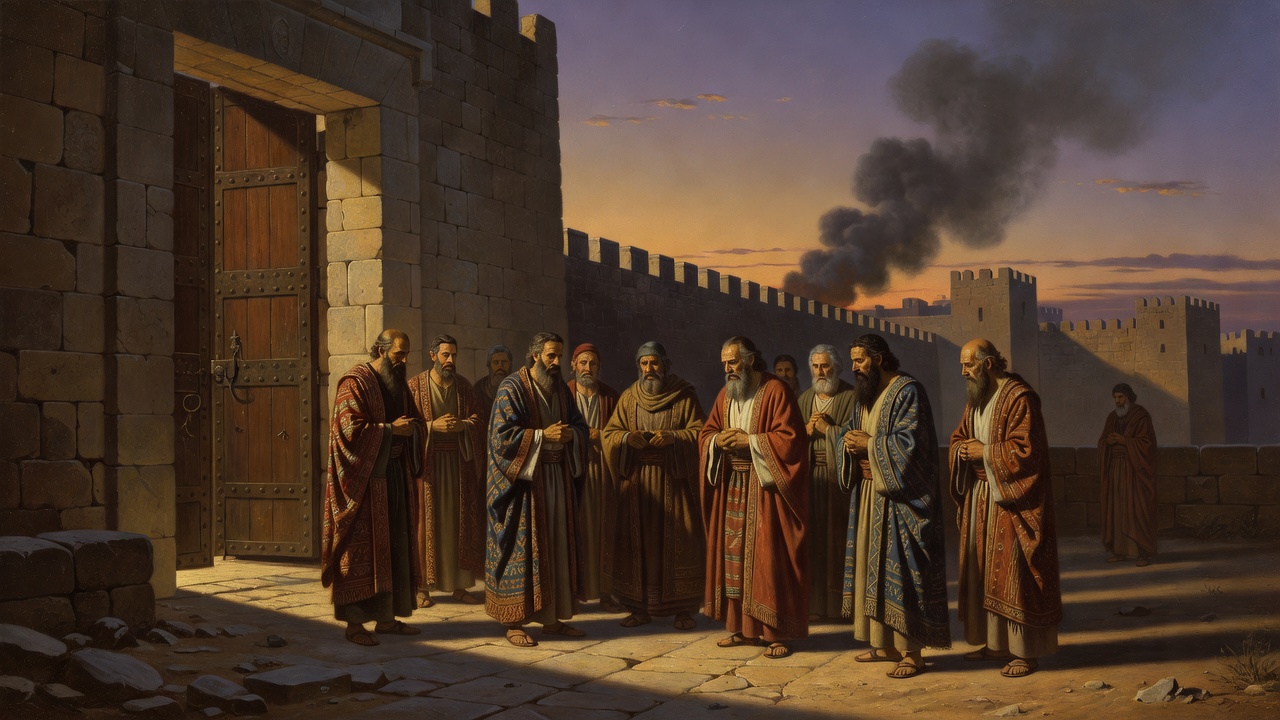
Did you know?
The Fall of Babylon and Oracle Against Philistia
- The title Lucifer, meaning brilliant star, is applied in Isaiah 14:12 to the proud king of Babylon within a poem mocking his sudden fall from grandeur into the depths of Sheol.Sources: Lucifer · the Bible text itself
- The poem personifies the ancient forests, describing the majestic cedars and cypresses of Lebanon rejoicing over the tyrant's defeat because no woodcutter would come to fell them anymore.Sources: Lebanon · the Bible text itself
- The closing oracle was delivered in the year King Ahaz of Judah died, warning the neighboring land of Philistia that their relief at a broken rod would be short-lived against impending destruction from the north.Sources: Ahaz · Philistia · the Bible text itself
Notes written with AI assistance from open sources (Theographic Bible Metadata, CC BY-SA 4.0; Easton’s Bible Dictionary, public domain) and reviewed before publishing.
Places in this chapter
- Babylon · 32.543, 44.422 · verses 4, 22, 23
- Lebanon · 33.540, 35.584 · verse 8
- Zaphon · Today: Jebel Aqra · 35.953, 35.969 · verse 13
- Assyria · 36.359, 43.153 · verse 25
- Philistia · 31.664, 34.546 · verses 29, 31
- Zion · Today: Jerusalem · 31.777, 35.234 · verse 32
Only places identified with high confidence are shown (90% or more according to the scholarly sources compiled by OpenBible). Period map: DARE (Digital Atlas of the Roman Empire), CC BY 4.0; modern map: © OpenStreetMap contributors; places: OpenBible.info (CC BY 4.0).
Credits and license for this translation
Bibiri Kuyie Nnɑ́ɑǹtì Pɑ́tíri
The Holy Bible in the Ditammari language of Benin
copyright © 2001 SIM International
Language: Ditammari
Translation by: SIM
This translation text is made available to you under the
terms of the Creative Commons License: Attribution-Noncommercial-No Derivative Works.
( http://creativecommons.org/licenses/by-nc-nd/3.0/ )
In addition, you have permission to port the text to different file formats, as long as you
do not change any of the text or punctuation of the Bible.
You may share, copy, distribute, transmit, and extract portions
or quotations from this work, provided that you include the above copyright
information:
You must give Attribution to the work.
You do not sell this work for a profit.
You do not make any derivative works that change any of the actual words or punctuation of the Scriptures.
Permissions beyond the scope of this license may be
available if you contact
us with your request.
This translation is made available to you under the terms of the
Creative Commons Attribution-No Derivatives license 4.0.
You may share and redistribute this Bible translation or extracts from it in any format, provided that:
You include the above copyright and source information.
You do not make any derivative works that change any of the actual words or punctuation of the Scriptures.
Pictures included with Scriptures and other documents on this site are licensed just for use with those Scriptures and documents.
For other uses, please contact the respective copyright owners.
2022-05-31
Source: http://ebible.org/tbzsim/ · eBible.org