Hosea 5
Bibiri Kuyie Nnɑ́ɑǹtì Pɑ́tíri · Tap a verse to see its cross-references.
Kuyie nkpɑ̀nnɛ̀ tì ikuɔ́ nìùbɛ̀ nɛ̀ bɛkpɑ̀ɑ̀tìbɛ̀
1Kɛ̀ Kuyie mbɛ́innɛ̀ ikuɔ́ nìùbɛ̀ nɛ̀ Isidɑyɛɛribɛ kpɑ̀ɑ̀tìbɛ̀ kɛ dɔ̀:
Díndi ikuɔ́ nìùbɛ̀, kéntɛ́nɛ̀ kɛ́keè!
Dɔɔ̀nɛ̀ mɛyɔɔ̀mmɛ̀ díndi Isidɑyɛɛribɛ kpɑ̀ɑ̀tìbɛ̀,
keènɛ̀ n yóó di nɑ́kɛ́ tì.
Díì do dò nkɛ́bɛnkɛ bɛnìtìbɛ̀ dɛ̀ɛ̀ sìɛ́.
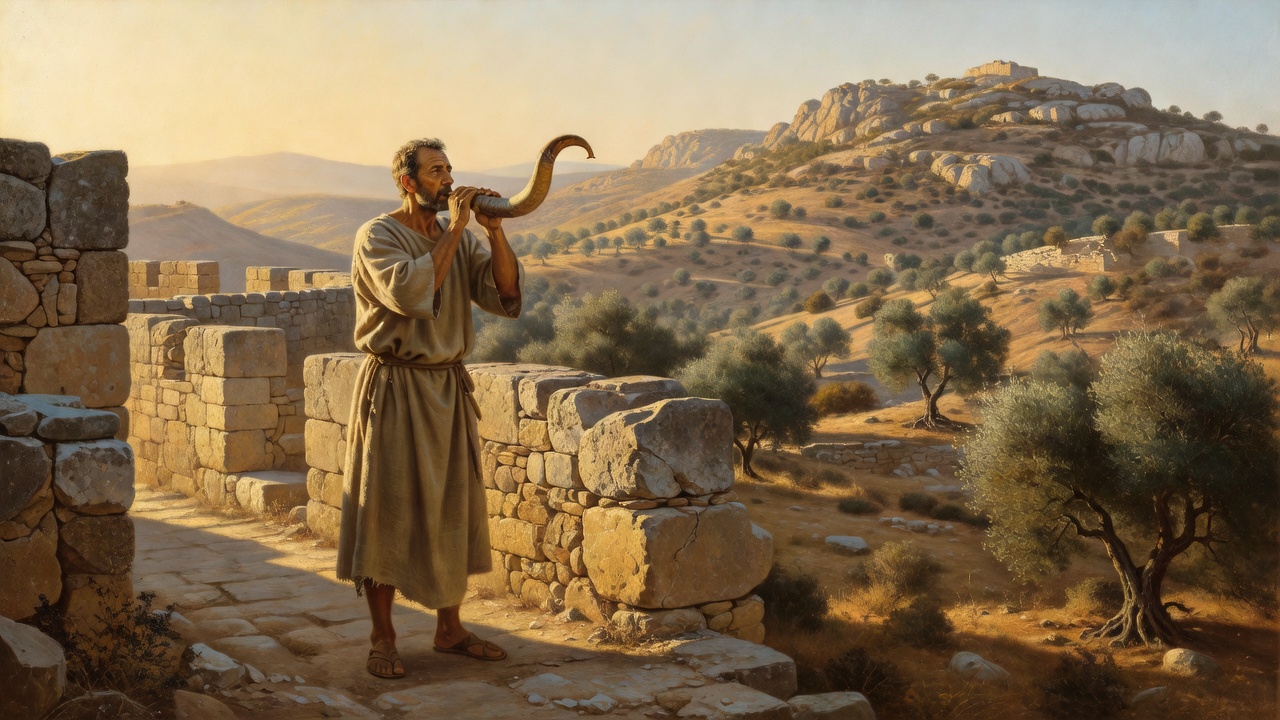
Kɛ̀ díì nɛ́ nɑɑ́ mbɛ kpɛ́í timɑ́tì dindííntì Misipɑɑ ɛì miɛkɛ,
kɛ nɑɑ́ nticùɔ̀tì Tɑbɔɔ tɑ̃rì.
2Di keù difɔ̃̀tìrì cũmpuri ndi Sitimmu ɛì miɛkɛ
kɛ̀ n yóó di potɛ́ dimɔu.
Mí ndi Yiɛ̀ nKuyie mmíì bɛ́i.
3Díndi Isidɑyɛɛribɛ n di yɛ̃́mu.
Isidɑyɛɛribɛ n yí di biinninɛ̀,
Isidɑyɛɛribɛ di tũ̀nnɛ yɛbɔkɛ̀ nyɛ,
Isidɑyɛɛribɛ di sɑ̃ũ dimɑ́ɑ̀ ndi.
4Isidɑyɛɛribɛ di dɔɔ̀rìmɛ̀ í yie
kɛ di bo wɛ̃tɛní m borɛ̀,
di bo ndɔutinɛ̀mɛ̀ ditɔbɛ̀ dɛ kó mɛyɛ̀mmɛ̀ mɛɛ̀ di tɔ,
kɛ̀ di í nɑ kɛ m bɑntɛ́ mí ndi Yiɛ̀ nKuyie.
5Isidɑyɛɛribɛ di kó tɛfentɛ̀ tɛɛ̀ nɑ̀kɛ́ di kpɛ́í
Efɑdɑimmu kɔbɛ nɛ̀ Isidɑyɛɛribɛ di yɛi mɛɛ̀ di bɔ.
Kɛ̀ Sudɑɑ kɔbɛ múnkɛ di tũ̀nnɛ kɛ do.
6Di bo n wɑmmú kɛ fíé ipe nɛ̀ inɑ̀ɑ̀kɛ
kɛ́ m mɔ́ntɛ́ kɛ yɛ̃́ n yìtɛ́mɛ̀ di cuokɛ̀.
7Di n ciitɛ́mu mí ndi Yiɛ̀ nKuyie nkɛ dɔutinɛ̀ ditɔbɛ̀ nkɛ piɛ́ dɛ kó ibí,
nɛ̀ dɛ kpɛ́í otɑ̃̀nkù pɑ̀nwè kó dibɑnni bo di nɛinɛ̀,
díndi nɛ̀ di kpɛrɛ.
Kuyie n nɑ̀kɛ́mɛ̀ Isidɑyɛɛri kɔbɛ nɛ̀ Sudɑɑ kɔbɛ mudoò kpɛ́í
8Kɛ̀ ti Yiɛ̀ nKuyie nni mbɛ́innɛ̀ kɛ dɔ̀:
Eénɛ̀ ditɑ̃tɛheù Kibeɑ ɛì miɛkɛ!
Eénɛ̀ tɛkpɑ̀rìheutɛ̀ Dɑmɑɑ ɛì!
Potɛ́nɛ̀ tɛíkòntɛ̀ Bɛti-Afɛnni ɛì.
Bɛnsɑmɛɛ kɔbɛ! Nɛ̀ di ĩ́nkɛ̀ nkɛ.
9M bo potɛ́ dìì yiè Efɑdɑimmu botí kɔbɛ,
bɛ ɛì bo dɔúnko.
N nɑ́ɑ́ ntì Isidɑyɛɛribɛ tì tu timɔ́mmɔnti nti.
10Sudɑɑ kpɑ̀ɑ̀tìbɛ̀ tu bɛ̀ɛ̀ tɑɑ̀ bɛ̀mbɛ bɛtɔbɛ̀ kó sibɑɑ miɛkɛ,
Nɛ̀ dɛ kpɛ́í m miɛkɛ bo bɛ̀ dɑ̀tínnɛ́ mɛniɛ nhɔ̃ɔ̃ tɑmɛ̀ kukó.
11Isidɑyɛɛribɛ díndi bɛ̀ɛ̀ do fɛ̃́ũnko bɛtɔbɛ̀,
di mmɔ̀nnì di fɛ̃́ṹrì mɛ̀ɛ̀ fɛ̃́ṹtímɛ̀ di mɛ̀ mɑ̀nnɛ̀mu,
di tũ ndɛtetìrɛ̀ kpɛrɛ ndɛ sɑ̃́ɑ̃̀.
12N yóó nɑɑ́ ndimɔnsĩ̀nnì ndi
Isidɑyɛɛribɛ kpɛ́í,
Sudɑɑ kɔbɛ bo yɑ̀, kùù yonku bo ndònnɛ̀ kuninyonku ɔ̃ ndòmmɛ̀,
13Isidɑyɛɛribɛ bɑntɛ́mu bɛ mɔmmú,
kɛ̀ Sudɑɑ kɔbɛ yɑ̀ bɛ yonku.
Isidɑyɛɛribɛ biɛ nɛ́ kɔ̀tɛ Asidii nwe
okpɑ̀ɑ̀tì diɛwè borɛ̀, ò mɛ mbɑ́ɑ́ nɑ kɛ́tɑɑ mbɛ mɔnni
ò bɑ́ɑ́ nɑ kɛ́dɛitɛ bɛ yonku.
14Mí nKuyie mmíì di do
díndi Isidɑyɛɛribɛ dimɑnnì tɛ̃mɛ̀,
míì do Sudɑɑ kɔbɛ dicìrícìrìbii kɔ̃mɛ
kɛ̀ m pĩ nkɛ ɑɑkɛ́ kɛ kérí,
we mbo nɑ kɛ́fietɛ?
15N yóó bɛ̀ yóumu kɛ́kò nkɛ́nkémmú
bɛ̀ bo bɑntɛ́mɛ̀ bɛ cɑɑ̀rìmɛ̀, kɛ́ n wɑmmú.
Bɛ̀ bo tɑ dìì mɔ̀nnì mɛyɛǹcɑɑ̀rìmɛ̀ miɛkɛ bɛ̀ bo n wɑmmú.
Did you know?
Judgment on the Leaders of Israel and Judah
- Hosea denounces the priests and the royal house as a snare at Mizpah and a net spread out on Mount Tabor. Mount Tabor is a prominent, cone-like mountain west of the Sea of Galilee, and Mizpah was a historic site in Gilead, both serving as notable geographic high points where corrupt leadership misled the nation.Sources: the Bible text itself · Tabor (Mountain) · Mizpah
- The alarm sounded in verse 8 names towns along the border ridge of Benjamin: Gibeah, Ramah, and Beth-aven. Beth-aven, meaning house of idols or nothingness, was a derogatory prophetic term for Bethel, mocking the golden calf worship established there.Sources: the Bible text itself · Beth-aven · Gibeah · Ramah
- The prophet faults Ephraim for turning to the great king of Assyria to cure its national afflictions instead of seeking God. Centered along the Tigris River, the expanding Assyrian Empire subdued Northern Syria and exacted tribute across the region under rulers like Tiglath-pileser.Sources: the Bible text itself · Assyria · Tilgath-pilneser
Notes written with AI assistance from open sources (Theographic Bible Metadata, CC BY-SA 4.0; Easton’s Bible Dictionary, public domain) and reviewed before publishing.
Places in this chapter
- Mount Tabor · Today: Jebel et Tur · 32.686, 35.393 · verse 1
- Beth-aven · Today: Beitin · 31.923, 35.241 · verse 8
- Assyria · 36.359, 43.153 · verse 13
Only places identified with high confidence are shown (90% or more according to the scholarly sources compiled by OpenBible). Period map: DARE (Digital Atlas of the Roman Empire), CC BY 4.0; modern map: © OpenStreetMap contributors; places: OpenBible.info (CC BY 4.0).
Credits and license for this translation
Bibiri Kuyie Nnɑ́ɑǹtì Pɑ́tíri
The Holy Bible in the Ditammari language of Benin
copyright © 2001 SIM International
Language: Ditammari
Translation by: SIM
This translation text is made available to you under the
terms of the Creative Commons License: Attribution-Noncommercial-No Derivative Works.
( http://creativecommons.org/licenses/by-nc-nd/3.0/ )
In addition, you have permission to port the text to different file formats, as long as you
do not change any of the text or punctuation of the Bible.
You may share, copy, distribute, transmit, and extract portions
or quotations from this work, provided that you include the above copyright
information:
You must give Attribution to the work.
You do not sell this work for a profit.
You do not make any derivative works that change any of the actual words or punctuation of the Scriptures.
Permissions beyond the scope of this license may be
available if you contact
us with your request.
This translation is made available to you under the terms of the
Creative Commons Attribution-No Derivatives license 4.0.
You may share and redistribute this Bible translation or extracts from it in any format, provided that:
You include the above copyright and source information.
You do not make any derivative works that change any of the actual words or punctuation of the Scriptures.
Pictures included with Scriptures and other documents on this site are licensed just for use with those Scriptures and documents.
For other uses, please contact the respective copyright owners.
2022-05-31
Source: http://ebible.org/tbzsim/ · eBible.org