Hosea 10
Bibiri Kuyie Nnɑ́ɑǹtì Pɑ́tíri · Tap a verse to see its cross-references.
Kuyie ncónnɛ́mɛ̀ Isidɑyɛɛribɛ kó mubɔɔféù kɛ pɔ̀ntɛ bɛ kpɑ̀ɑ̀tìyuu
1Isidɑyɛɛribɛ do dònnɛ̀ fínyĩ̀ kó mutie sɑ̀ɑ̀mù mmu,
kɛ pɛí mɛsɑ̀ɑ̀, bɛ̀ pɛitɛ́ dìì mɔ̀nnì kɛ sṹṹ,
nkɛ mɑɑ́ yɛwũɔ̃tɔ̀rɛ̀ pɛ́u,
bɛ̀ mɔ̀ɔ̀tɛ dìì mɔ̀nnì bɛ kpɛrɛ,
kɛ fííkú yɛbɔɔtɑ̃́rɛ̀ kɛ́ nyɛ̀ sɑ̃̀rì.
2Bɛ̀ tu mɛyɛ̀mmɛ̀ mɛ̀dɛ́mɛ̀ yɛmbɛ̀ mbɛ,
bɛ̀ mɛ nyóó yɑ̀mu bɑ̀mbɑ̀ mbɛ yɛi nkó tiyeti,
mí mbɛ Yiɛ̀ nKuyie míì mɔ́mmuɔ nyóó puɔ mbɛ bɔɔwũɔ̃tɔ̀rɛ̀
kɛ́bɔ́kɛ́ bɛ bɔɔtɑ̃́rɛ̀.
3Dɛ mɔ̀nnì bɛ̀ bo yĩ́: Ti í mɔkɛ okpɑ̀ɑ̀tì,
kɛ yɛ̃́ ti í mɔkɛmɛ̀ ti Yiɛ̀ nKuyie nkó kufɔ̃wɑɑ́.
Bɑ́ kɛ̀ ti do mɔkɛ okpɑ̀ɑ̀tì ò bo ti dɔɔ̀ bɑ?
4Bɛ̀ nɑ̀ɑ́ ndɛtetìrɛ̀ ndɛ kɛ pɑrìku kɛ nɛ́ soú,
kɛ dɔɔ̀rinɛ̀ bɛtɔbɛ̀ mɛtɑummɛ̀.
Kɛ̀ tiyɑ́ɑ̀bìsíbeéntì sũ̀ṹ kɛ kɔù
fɛtùɔ̀rìfɛ̀ ɔ̃ɔ̃ yɛ̀mɛ̀ kupɛ̃ nyĩ́nkɛ̀
kɛ̀ fɛ dɔ̀mmɛ̀ɛ kuɔ mɛ̀ɛ̀ botí tidiitì.
5Sɑmmɑrii ɛì kɔbɛ yĩ̀ɛ̃̀kù fɛsɔɔmɑ́tìnɑ̀ɑ̀fɛ̀,
fɛ̀ɛ̀ bo Bɛti-Afɛnni fɛ kpɛ́í,
kòo nìtìbɛ̀ kuɔ́ nyɛkúdɑbùò
kɛ̀ ikuɔ́ nìùbɛ̀ɛ kuɔ́ ntinɔnniɛti.
Fɛsɔɔmɑ́tìnɑ̀ɑ̀fɛ̀ wɛ̃rímú dɛ̀itɛmu kɛ̀ bɛ̀ fɛ̀ ìtɛ́nɛ̀.
6Bɛ̀ bo fɛ̀ kònnɛ̀ Asidii kɛ́ fɛ̀ pɑ̃ okpɑ̀ɑ̀tì diɛwè.
Ifɛi bo pĩ́ nhEfɑdɑimmu kɔbɛ dɛ mɔ̀nnì.
Bɛmbɛ Isidɑyɛɛribɛ bɛ̀ bo demmu bɛ̀ borɛ̀ kɛ tũ̀nnɛ dɛ kó kucɛ.
7Sɑmmɑrii ɛì kpɛrɛ dèèmu nɛ̀ di kóo kpɑ̀ɑ̀tì,
o kpɛrɛ dònnɛ̀ ticɑ́dɛ̀ncɑ́útì ɔ̃ɔ̃ yɛntɛ́mɛ̀ mmɛ dibinni miɛkɛ.
8Bɛti-Afɛnni kó yɛbɔɔwũɔ̃tɔ̀rɛ̀ yɛ̀ɛ̀ do te kɛ̀ bɛ̀ dɔ̀ɔ̀ri mɛyɛi,
yɛ̀ bo puɔ ntipotì nɛ̀ tisɑ̃mpotì kɛ̀ dɛ̀ɛ yɛ̀ dɑ̀tínnɛ́,
dɛ yiè bɛ̀ bo nnɑ́ɑ́ nyɛtɑ̃rɛ̀ kɛ tú:
Ti kɑ̃ɑ̃́nnɛ̀, kɛ nnɑ́ɑ́ sitɑ̃ɑ̃́ kɛ tú:
Donnɛ̀nní ti ĩ́nkɛ̀ kɛ tí yɑ̃kɛ.
Isidɑyɛɛribɛ buɔtí dɛ̀, bɛ̀ yóó dɛ nkɔ̃ṹ
9Mɛm̀mɛ kɛ̀ Kuyie nni mbɛ́innɛ̀ kɛ dɔ̀:
Isidɑyɛɛribɛ do bo Kibeɑ nwe kɛ́dɔɔ̀ mɛyɛi.
Nɛ̀ yíenní kɛ sɔkɛ́ kɛ mɛ̀ dɔ̀ɔ̀ri,
dɛ̀ wennimu kɛ dò mbɛ̀ɛ̀ bɛ̀ do mudoò weè Kibeɑ miɛkɛ bɑkɛ.
10N yìtɛ́ kɛ còḿmúmu kɛ bo bɛ̀ kpɑnnɛ̀.
Ibotí imɔu bo wɛ̃nnɛ́ kɛ́ bɛ̀ tié mmɛyɛi mmɛdɛ́ bɛ̀ dɔ̀ɔ̀ mɛ̀ kpɛ́í.
11Isidɑyɛɛribɛ dònnɛ̀ dinɑɑsɛrì ndi bɛ̀ tũ̀ntɛ di,
kɛ di nɔ ndi tɔ̃mmú mɛsɑ̀ɑ̀ nkɛ puotì tidiitì,
kɛ̀ n yɑ̀ dɛ kó dinɑɑsɛrì fɔ̃̀níí wennimɛ̀,
kɛ̀ dì buú nyɛnɑɑkɑ̃ kó kudɔú,
kɛ̀ Sudɑɑ kɔbɛ bo nduɔ̀
kɛ̀ Isidɑyɛɛribɛ pùɔ̀ nyɛdombiɛ.
12Buɔtínɛ̀ dɛ̀ɛ̀ tu mɛwetímmɛ̀ kpɛrɛ,
kɛ́kɔ̃ṹ yɛbɛ yɛ̀ɛ̀ tu n kó mɛsɑ̀ɑ̀.
Sɛ̃ĩ́nɛ̀ kupɑku pɑ̀nkù,
dɛ̀ tùɔ̀kɛmu kɛ dò di n wɑmmú mí ndi Yiɛ̀ nKuyie,
kɛ́nkémmúnɛ̀ m bo cṹũnkomɛ̀ n kó mɛsɑ̀ɑ̀ ndi ĩ́nkɛ̀.
13Di buɔtí kuyonku nku kɛ kɔ̃ṹ mɛyɛi,
di yɑ́ɑ̀bìsí di pɛitɛ́ dɛ̀ di dɛ nyo.
Di do tɑ̃́ di mɔ́mmɔmbɛ di kó muwɛ̃rímú mmu
nɛ̀ di ɑ̃ɑ̃pɔ̀mbɛ̀ sũmɛ̀.
14Nɛ̀ dɛ kpɛ́í nkunɔɔ̀ròo bo ɑ̃nnɛ́ di nìtìbɛ̀ cuokɛ̀.
Kɛ̀ di ɛkɛ̀ yɛkperɛ̀ iduotí fitɛ́ yɛ̀ɛ puɔ.
Sɑdimɑnni do pɔ̀ntɛ mɛ̀ɛ̀ botí Bɛti-Adibɛnni mudoò miɛkɛ,
kɛ́kuɔ tibíyɔ̃tì nɛ̀ ti bí, di kpɛrɛ yó mmɛ ndò.
15Dɛɛ̀ yóó di tuɔkɛní díndi Isidɑyɛɛribɛ,
di yonku diɛkù di dɔ̀ɔ̀ dɛ̀ Betɛɛdi dɛ kpɛ́í nkɛ,
dɛ̀ bo nyóó wentɛ́ kɛ di kóo kpɑ̀ɑ̀tì kpɛrɛ dèèmu.
Did you know?
Judgment on Idols and Broken Altars
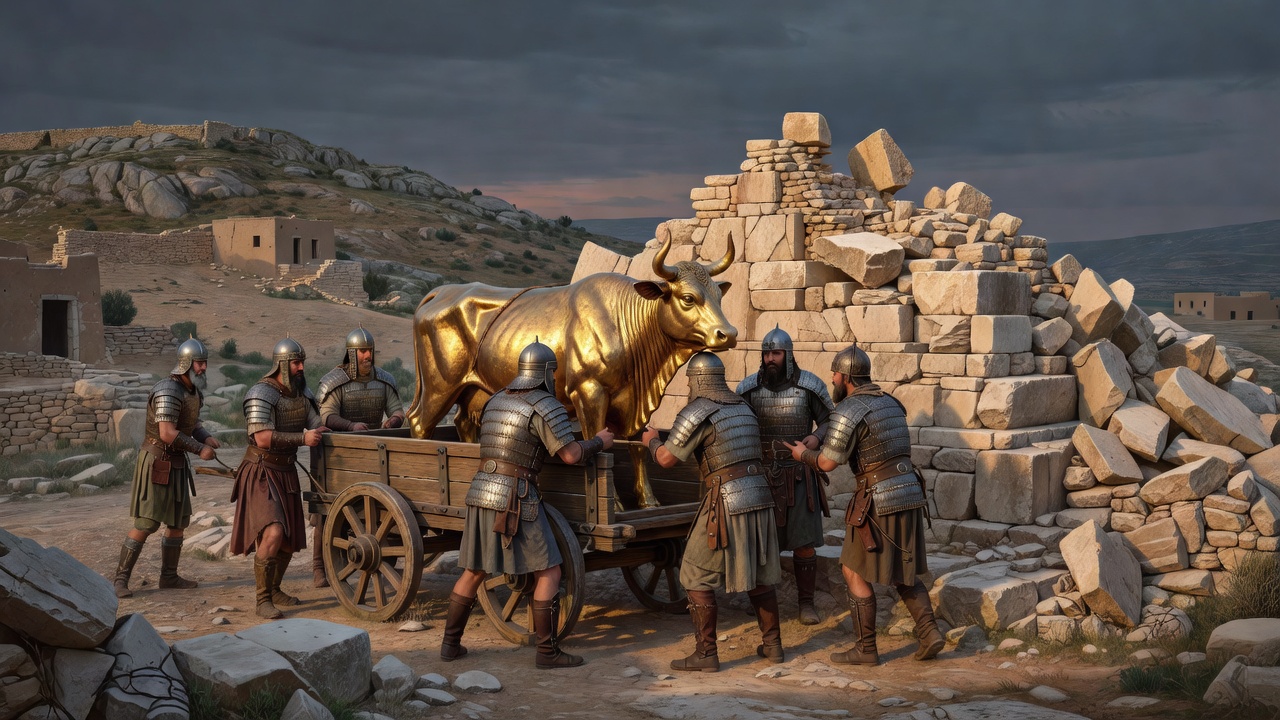
- The prophet refers to Bethel, which means house of God, by the derogatory name Beth-aven, meaning house of nothingness or house of idols. This wordplay highlights how the calf shrine erected there transformed a sacred site into a center of idolatry, whose revered calf would eventually be carried away to Assyria.Sources: Beth-aven · the Bible text itself
- Hosea evokes the days of Gibeah to remind Israel of a historic moral catastrophe recorded in Judges 19 and 20, where horrific violence in the town of Gibeah led to a disastrous civil war against the tribe of Benjamin.Sources: Gibeah · the Bible text itself
- The text warns of devastating military defeat by citing the ruin of Beth-arbel by Shalman. Scholars generally identify Shalman with the Assyrian monarch Shalmaneser, whose brutal conquests served as a vivid warning to Israel.Sources: Beth-arbel · Shalmaneser · the Bible text itself
Notes written with AI assistance from open sources (Theographic Bible Metadata, CC BY-SA 4.0; Easton’s Bible Dictionary, public domain) and reviewed before publishing.
Places in this chapter
- Beth-aven · Today: Beitin · 31.923, 35.241 · verse 5
- Samaria · 32.276, 35.195 · verses 5, 7
- Assyria · 36.359, 43.153 · verse 6
Only places identified with high confidence are shown (90% or more according to the scholarly sources compiled by OpenBible). Period map: DARE (Digital Atlas of the Roman Empire), CC BY 4.0; modern map: © OpenStreetMap contributors; places: OpenBible.info (CC BY 4.0).
Credits and license for this translation
Bibiri Kuyie Nnɑ́ɑǹtì Pɑ́tíri
The Holy Bible in the Ditammari language of Benin
copyright © 2001 SIM International
Language: Ditammari
Translation by: SIM
This translation text is made available to you under the
terms of the Creative Commons License: Attribution-Noncommercial-No Derivative Works.
( http://creativecommons.org/licenses/by-nc-nd/3.0/ )
In addition, you have permission to port the text to different file formats, as long as you
do not change any of the text or punctuation of the Bible.
You may share, copy, distribute, transmit, and extract portions
or quotations from this work, provided that you include the above copyright
information:
You must give Attribution to the work.
You do not sell this work for a profit.
You do not make any derivative works that change any of the actual words or punctuation of the Scriptures.
Permissions beyond the scope of this license may be
available if you contact
us with your request.
This translation is made available to you under the terms of the
Creative Commons Attribution-No Derivatives license 4.0.
You may share and redistribute this Bible translation or extracts from it in any format, provided that:
You include the above copyright and source information.
You do not make any derivative works that change any of the actual words or punctuation of the Scriptures.
Pictures included with Scriptures and other documents on this site are licensed just for use with those Scriptures and documents.
For other uses, please contact the respective copyright owners.
2022-05-31
Source: http://ebible.org/tbzsim/ · eBible.org