Ezekiel 47
Bibiri Kuyie Nnɑ́ɑǹtì Pɑ́tíri · Tap a verse to see its cross-references.
Mɛniɛ mmɛ̀ɛ̀ yìɛ̀ní Kuyie ncĩ́ɛ̃̀tɛ̀
1Kòo n tɔ kɛ̀ ti wɛ̃tɛní Kuyie ncĩ́ɛ̃̀tɛ̀ bòrì borɛ̀, kɛ̀ n yɑ̀ mɛniɛ mpourinímɛ̀ Kuyie ncĩ́ɛ̃̀tɛ̀ bòrì diyiè yìɛ̀ní kɛ̀ɛ̀ bíɛ́kɛ̀, kɛ yɛ̃́ tɛ bòrì do kɛ nwetímɛ̀. Kɛ̀ mɛ yìɛ̀ kɛ pũɔ̃̀nní ku cĩ́ɛ̃̀tɛ̀ bɑkù yoú diwũɔ̃tɔ̀nnì bɑkù cɑ̃̀nku. 2Kòo n dennɛ Kuyie ncĩ́ɛ̃̀tɛ̀ bɑkù yoú bíɛ́kɛ̀ kó dibòrì kɛ̀ tí tɛ̀ fitɛ́ kɛ́tuɔkɛ dibòrì diyìè yìɛ̀ní kɛ̀ɛ̀ bíɛ́kɛ̀ kpɛri, kɛ̀ n yɑ̀ mɛniɛ mpũɔ̃̀mmɛ̀ Kuyie ncĩ́ɛ̃̀tɛ̀ bɑkù yoú. 3Kòo kétɛ́ kɛ́dɛ́tóo diyiè yìɛ̀ní kɛ̀ɛ̀ bíɛ́kɛ̀ kɛ́bennɛ́ kuhɔ̃ũ ò do pikú kù, kɛ̀ dɛ̀ mbo mɛ́tìrì sikɔusìnùmmù (500) kɛ́duɔ́ nkɛ̀ n nɑ mɛniɛ nkɛ́séntóo kɛ̀ mɛ̀ nkɑ̃́ɑ̃́kɛ́ n nɑcɛ̀kpɑ́ɑ̀. 4Kòo yíɛ́ kɛ́bennɛ́ kɛ̀ dɛ̀ mbo mɛ́tìrì sikɔusìnùmmù (500), kòò duɔ́ nkɛ̀ n nɑ mɛniɛ kɛ́séntóo kɛ̀ mɛ̀ nni nkɑ̃́ɑ̃́kɛ́ n núù. Kòò yíɛ́ kɛ́bennɛ́ mɛ́tìrì sikɔusìnùmmù (500) kɛ́duɔ́ nkɛ̀ n nɑ mɛniɛ nkɛ́séntóo kɛ̀ mɛ nni nkɑ̃́ɑ̃́kɛ́ n kɑ. 5Kòo yíɛ́ kɛ́bennɛ́ kɛ̀ dɛ̀ mbo mɛ́tìrì sikɔusìnùmmù (500) dɛ mɔ̀nnì kɛ̀ dɛ̀ɛ nɑɑ́ nkukó mbɑ́ n yí nnɑ kɛ́séntɛ́ kɛ yɛ̃́ mɛniɛ nsũ̀ṹmmɛ̀ kɛ̀ dɛ̀ cũmpɛ mɛdiɛ̀, mbɑ́ dɛ̀ í ndò nkɛ́nɑ kɛ́séntɛ́. 6Dɛ mɔ̀nnì kòò m bekɛ kɛ dɔ̀: Onìtì fɔ̃́! nhɑ yɑ̀ɑ̀? Kɛ́ n túótɛ́ kɛ̀ ti nwɛ̃tiní kukó mbɛ̀nnì. 7Kɛ sɔ̃́ ndɛtie nyɛ̀ kukó nyɑ́kɛ̀ yɛdɛ́ bɑ́ dɛ̀ í sénní. 8Kòo n nɑ́kɛ́ kɛ dɔ̀: Mɛniɛ mmiɛ mpũɔ̃̀ kɛ kɔrì diyiè yìɛ̀ní kɛ̀ɛ̀ bíɛ́kɛ̀ kó kutempɛ̃ nku, kɛ pɛ̃nkù kɛ kɔrì Suditɛ̃ɛ̃ biriku, kɛ tɑɑ̀ dɑ̀mɛ́ɛ̀rì mukɔ́kúɔ́ nkou, kòo niɛ mbo wenkɛ. 9Kɛ̀ dɛ kó mɛniɛ ketɛ́ kùù píkù mɛniɛ nkpɛrɛ bo foutɛ, kɛ̀ siyĩĩ píɛ nkɛ yɛ̃́ dɛ kó mɛniɛ nhɔ̃ nkɛ̀ mɛ̀ tɑ dɛ̀, dɛ̀ ɔ̃ɔ̃ wenkɛmu kɛ̀ mufòmmuu buotɛ́. 10Bɛyĩmpĩ́mbɛ̀ bo buotɛ́ dɛ kó kukó mpɛɛ́mmɛ̀, kɛ́túótɛ́ Ã-kedii kɛ́ntɔ kɛ́tuɔkɛnɛ̀ Ã-Ekɑdɑimmu, kɛ́nye mbɛ yĩndìtìrɛ̀ ku pɛɛ́mmɛ̀, siyĩĩ sìì bo dɑ̀mɛ́ɛ̀rì siì yó ndɛ̀ bo kɛ sũ mɛdiɛ̀. 11Tibinkɛ̀nkɛnti nɛ̀ ikondɛí dɛndɛ kó mɛniɛ miɛ í yóó wenkɛ, mɛ̀ yó nkpɑɑ́ píɛ́kɛ́ mukɔ́kúɔ́ mmu. 12Dɛ kó kukó mpɛɛ́mmɛ̀ yɛyɑ́kɛ̀ yɛdɛ́, dɛtie ndɛ̀ɛ̀ pɛí titebiiti dɛ̀ bo mpíɛ́kɛ́ dɛbotí dɛbotí, dɛ̀ɛ̀ fɑ̃ɑ̃̀tì í yotìri, dɛ̀ɛ̀ ɔ̃ɔ̃ í nkuotɛ́, kɛ́mpɛí yɛbɛ bɑ́ wèè tɑ̃̀nkù kɛ yɛ̃́ dɛ kó mɛniɛ bonnímɛ̀ Kuyie ncĩ́ɛ̃̀tɛ̀ ntɛ. Bɛ̀ bo nyo ndɛ bɛ, kɛ tɑɑ̀nnɛ̀ dɛ fɑ̃ɑ̃̀tì.
Kuyie nkèétɛ́mɛ̀ Isidɑyɛɛribɛ tenkɛ̀ mɑ̀nkɛ
13Dɛ kó difɔ̃nkúò kɛ̀ ti Yiɛ̀ nKuyie nní nnɑ́kɛ́ kɛ dɔ̀: Ntɛ di yóó totí mɛ̀ɛ̀ botí Isidɑyɛɛribɛ botí tɛpíítɛ̀ nɛ̀ ìdɛ́ì kɛtenkɛ̀, di duɔ́ nSosɛfu kó kubotí di duɔ́ nkɛ̀ bɛtɔbɛ̀ kucɛ mɛ̀dɛ́mɛ̀. 14Di totí kɛ̀ kɛ̀ mmɑ̀, kɛ yɛ̃́ míì do nɑ̀kɛ́mɛ̀ di yɛmbɛ̀ kɛ dɔ̀: N yóó bɛ̀ duɔ́ ndɛ kó kɛtenkɛ̀, di yɛmbɛ̀ kɔkɛ nkɛ kɛ̀ di dò nkɛ kɛ̀ tiekɛ. 15Ntɛ di tenkɛ̀ mɑ̀nku yó mberí ndɛ̀: Kubɑkù yoú bíɛ́kɛ̀ kó kumɑ̀nku yóó dítɛ́ dɑ̀mɛ́ɛ̀rì diɛwè nwe, kɛ́ntɔ kɛ́yɛ Etinɔɔ kó kucɛ, kɛ́tuɔkɛnɛ̀ Dɑmɑti nɛ̀ Sedɑdi, 16nɛ̀ Bedotɑ Sibɑdɑimmu dihɛì dìì bo Dɑmɑɑsi tempɛ̃ nnɛ̀ Amɑti kɔku dɛ cuokɛ̀ nɛ̀ Asɛɛ-Atikɔnni, kɛ́pɛ̃ɛ̃tɛ́ kɛ́nwetí Adɑnni tempɛ̃. 17Di tenkɛ̀ mɑ̀nku yóó ketɛ́ dɑ̀mɛ́ɛ̀rì nwe kɛ́ntɔ kɛ́tuɔkɛnɛ̀ Asɑɑ-Enɔnni, kɛ̀ kubɑkù yoú kó kumɑ̀nku ntú Dɑmɑɑsi nɛ̀ Amɑti, kubɑkù yoú bíɛ́kɛ̀ kó kumɑ̀nku nku. 18Kɛ̀ diyiè yìɛ̀ní kɛ̀ɛ̀ bíɛ́kɛ̀ kó kumɑ̀nku ntú Adɑnni nɛ̀ Dɑmɑɑsi nɛ̀ Isidɑyɛɛribɛ tenkɛ̀ nɛ̀ Kɑdɑɑdi kɔkɛ dɛ mɑ̀nku, Suditɛ̃ɛ̃ weè yó ntú kumɑ̀nku, kɛ́ntɔ kɛ́tuɔkɛ dɑ̀mɛ́ɛ̀rì diyiè yìɛ̀ní kɛ̀ɛ̀ bíɛ́kɛ̀ kɛ́tuɔkɛnɛ̀ Tɑmɑɑ. Diyiè yìɛ̀ní kɛ̀ɛ̀ bíɛ́kɛ̀ kó kumɑ̀nku nku. 19Kubɑkù yoú diyiè yìɛ̀ní kɛ̀ɛ̀ bíɛ́kɛ̀, kɛ́túótɛ́ Tɑmɑɑ kɛ́ntɔ kɛ́tuɔkɛnɛ̀ Mɛdibɑ Kɑdɛɛsi kó mɛniɛ, kɛ́dítɛ́nní kukó ndiɛkù kɛ́ntɔ kɛ́tuɔkɛ dɑ̀mɛ́ɛ̀rì diɛwè. Kubɑkù yoú kó kumɑ̀nku nku. 20Dɑ̀mɛ́ɛ̀rì diɛwè weè yó ntú diyiè tɑɑ̀ kɛ̀ɛ̀ bíɛ́kɛ̀ kó kumɑ̀nku kɛ́ntɔ kɛ́tuɔkɛnɛ̀ Amɑti. Diyiè tɑɑ̀ kɛ̀ kó kumɑ̀nku nku.
21Díndi Isidɑyɛɛribɛ díì yóó totí dɛ kó kɛtenkɛ̀ di botí miɛkɛ. 22Di yɛmbɛ̀ kɔkɛ nkɛ kɛ̀ bɛ̀ kɛ̀ ndi yóunɛ̀ kɛ̀ di dò nkɛ́ kɛ̀ totí. Kɛ̀ di yóó tɑ̃ɑ̃́ tɛ́tɛ́ kɛ́ kɛ̀ totí dí wɛ̃nnɛ́nɛ̀ bɛpɔ̀ɔ̀bɛ̀ bɛ̀ɛ̀ di bonɛ̀ kɛ́piɛ́ ibí, kɛ yɛ̃́ di yó mbɛ̀ pĩ̀ḿmɛ̀ kɛ dònnɛ̀ di pĩ́ mmɛ̀mmɛ Isidɑyɛɛribɛ. Bɛ̀ yóó di wɛ̃nnɛ́nɛ̀mu kɛ̀ di totí di yɛmbɛ̀ kpɛrɛ. 23Kòo pɔɔ̀ bo kùù botí miɛkɛ di dɛ̀ nhò duɔ́ nkɛtenkɛ̀, mí nKuyie mmíì bɛ́i.
Did you know?
The Healing River and the Land's Borders
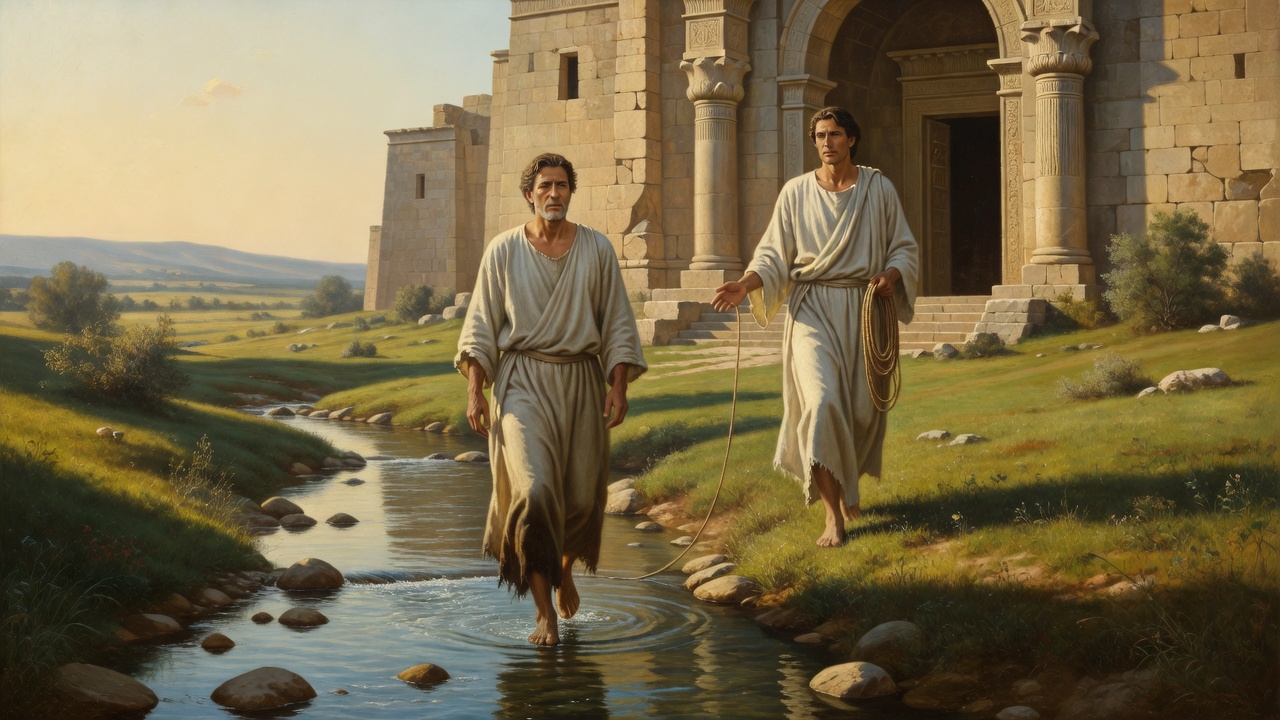
- Ezekiel's vision depicts a stream trickling from beneath the temple threshold that rapidly grows into a deep river flowing east into the Arabah, making the salty waters fresh and sustaining lush fruit trees and thriving fisheries from En-gedi to En-eglaim.Sources: the Bible text itself · Engedi
- In a significant legal and social development within the division of the land, resident foreigners who raise families among the tribes are allotted land inheritances on equal terms with native-born Israelites.Sources: the Bible text itself
- The northern and eastern boundaries of the restored territory encompass ancient Syrian and Levantine landmarks, including Hamath, Damascus, and the fertile region of Hauran, while Joseph receives a double portion among the twelve tribes.Sources: the Bible text itself · Hauran · Hamath · Joseph (son of Jacob)
Notes written with AI assistance from open sources (Theographic Bible Metadata, CC BY-SA 4.0; Easton’s Bible Dictionary, public domain) and reviewed before publishing.
Places in this chapter
- Arabah · 30.417, 35.151 · verse 8
- Salt Sea · Today: Dead Sea · 31.500, 35.500 · verses 8, 9, 10, 18
- Engedi · Today: Ein Gedi · 31.450, 35.383 · verse 10
- Great Sea · Today: Mediterranean Sea · 31.805, 34.170 · verses 10, 15, 17, 19, 20
- Damascus · 33.511, 36.306 · verses 16, 17, 18
- Hamath · Today: Hama · 35.136, 36.750 · verses 16, 17
- Hauran · 32.730, 36.368 · verses 16, 18
- Sibraim · Today: in the region between Damascus and Hamath · 34.401, 36.636 · verse 16
- Gilead · Today: Gilead 1 · 32.187, 35.692 · verse 18
- Jordan · Today: Jordan River · 31.761, 35.558 · verse 18
- Meribah · Today: Ain el Qudeirat · 30.648, 34.422 · verse 19
- Negeb · 31.245, 34.841 · verse 19
Only places identified with high confidence are shown (90% or more according to the scholarly sources compiled by OpenBible). Period map: DARE (Digital Atlas of the Roman Empire), CC BY 4.0; modern map: © OpenStreetMap contributors; places: OpenBible.info (CC BY 4.0).
Credits and license for this translation
Bibiri Kuyie Nnɑ́ɑǹtì Pɑ́tíri
The Holy Bible in the Ditammari language of Benin
copyright © 2001 SIM International
Language: Ditammari
Translation by: SIM
This translation text is made available to you under the
terms of the Creative Commons License: Attribution-Noncommercial-No Derivative Works.
( http://creativecommons.org/licenses/by-nc-nd/3.0/ )
In addition, you have permission to port the text to different file formats, as long as you
do not change any of the text or punctuation of the Bible.
You may share, copy, distribute, transmit, and extract portions
or quotations from this work, provided that you include the above copyright
information:
You must give Attribution to the work.
You do not sell this work for a profit.
You do not make any derivative works that change any of the actual words or punctuation of the Scriptures.
Permissions beyond the scope of this license may be
available if you contact
us with your request.
This translation is made available to you under the terms of the
Creative Commons Attribution-No Derivatives license 4.0.
You may share and redistribute this Bible translation or extracts from it in any format, provided that:
You include the above copyright and source information.
You do not make any derivative works that change any of the actual words or punctuation of the Scriptures.
Pictures included with Scriptures and other documents on this site are licensed just for use with those Scriptures and documents.
For other uses, please contact the respective copyright owners.
2022-05-31
Source: http://ebible.org/tbzsim/ · eBible.org