Ezekiel 45
Bibiri Kuyie Nnɑ́ɑǹtì Pɑ́tíri · Tap a verse to see its cross-references.
Kuyie nnɑ̀kɛ́mɛ̀ bɛ̀ yóó totí mɛ̀ɛ̀ botí kɛtenkɛ̀
1Kɛ̀ ti Yiɛ̀ nKuyie nní nnɑ́kɛ́ kɛ dɔ̀: Kɛ̀ di tɑ̃ɑ̃́ dìì mɔ̀nnì tɛ́tɛ́ kɛ bo totí kɛtenkɛ̀ di tɑ̃ɑ̃tɛ́ n kɔkɛ kɛ̀ kɛ̀ ncɑ̃́ɑ̃́ nkɛ́mbo mɛokùmɛ̀ cìdòmɛ́tìrì tɛpíítɛ̀ nɛ̀ mɛ̀dɛ́ nɛ̀ dikéè mɛpɛ̃kùmɛ̀ cìdòmɛ́tìrì tɛpíítɛ̀. 2Dɛ kó kɛtenkɛ̀ miɛkɛ di yóó dɛ mbennɛ́ n cĩ́ɛ̃̀tɛ̀ kó kɛtenkɛ̀ okùmɛ̀ nɛ̀ kɛ pɛ̃kùmɛ̀ kɛ̀ dɛ̀ mmɑ̀, kɛ́mbo mɛ́tìrì sikɔusìnùmmù nɛ̀ sipísìnùmmù (550) kɛ́soó mmɛfíè mmɑmɛ̀ kɛ́fitɛ́ kɛ̀ mɛpɛ̃kùmɛ̀ mbo mɛ́tìrì sipísìdɛ́ nɛ̀ mɛ̀nùmmù. 3Kɛ̀ di yíɛ́ kɛ́bennɛ́ dɛ kó kɛtenkɛ̀ miɛkɛ cìdòmɛ́tìrì tɛpíítɛ̀ nɛ̀ mɛ̀dɛ́ nɛ̀ dikéè kɛ̀ mɛpɛ̃kùmɛ̀ mbo cìdòmɛ́tìrì mɛ̀nùmmù n cĩ́ɛ̃̀tɛ̀ yó ndɛ mbo nɛ̀ ikuɔ́ nɛntì dieku. 4Dɛ kó kɛtenkɛ̀ yó ntú n kɔkɛ nkɛ, ikuɔ́ nìùbɛ̀ bɛ̀ɛ̀ pĩ n tɔ̃mmú bɛ̀ cɛ̃́ĩ yó ndɛ mbo. N tenkɛ̀ miɛkɛ nkɛ bɛ kɔkɛ yó mbomɛ̀. 5Kɛ̀ di bennɛ́ kɛtenkɛ̀ mɛokùmɛ̀ cìdòmɛ́tìrì tɛpíítɛ̀ nɛ̀ mɛ̀dɛ́ nɛ̀ dikéè mɛpɛ̃kùmɛ̀ cìdòmɛ́tìrì mɛ̀nùmmù kɛ̀ kɛ̀ ntú Defiibɛ bɛ̀ɛ̀ pĩ n cĩ́ɛ̃̀tɛ̀ mutɔ̃mmú bɛ kɔkɛ nɛ̀ yɛhɛkɛ̀ bɛ̀ yó mbo yɛ̀. 6Kɑ̀ɑ bennɛ́ dɛ kó kɛtenkɛ̀ miɛkɛ bɑkɛ mɛpɛ̃kùmɛ̀ cìdòmɛ́tìrì mɛ̀dɛ́mɛ̀ nɛ̀ dikéè mɛokùmɛ̀ cìdòmɛ́tìrì tɛpíítɛ̀ nɛ̀ mɛ̀dɛ́mɛ̀ nɛ̀ dikéè kɛ̀ kɛ̀ ntɔ́kɛ́nɛ̀ n cĩ́ɛ̃̀tɛ̀ kɔkɛ Isidɑyɛɛribɛ bɛmɔu kɔkɛ. 7Tɛkpɑ̀ɑ̀tìbitɛ tɛɛ̀ kó kɛtenkɛ̀ yó mbo n cĩ́ɛ̃̀tɛ̀ nɛ̀ dihɛì dɛ mɑ̀nku, ku mpíkù nɛ̀ kutɛkù diyiè yìɛ̀ní kɛ̀ɛ̀ bíɛ́kɛ̀ nɛ̀ diyiè tɑɑ̀ kɛ̀ɛ̀ bíɛ́kɛ̀, kɛ̀ kɛ okùmɛ̀ nhɛri nɛ̀ n cĩ́ɛ̃̀tɛ̀ kɔkɛ nɛ̀ dihɛì kɔkɛ dɛ kó mɛokùmɛ̀. 8Isidɑyɛɛribɛ tenkɛ̀ miɛkɛ kɛ̀ɛ yó ntú n cĩ́ɛ̃̀tɛ̀ kɔkɛ, kɛ̀ dɛ̀ɛ yie nkɛ̀ sikpɑ̀ɑ̀tìbìí bɑ́ nfɛ̃́ũnko n nìtìbɛ̀, kɛ̀ɛ̀ kpɑɑ́ kɛ̀ kɛ̀ ntú Isidɑyɛɛribɛ botí imɔu kɔkɛ.
Kuyie nkpɑnnɛ̀ tì sikpɑ̀ɑ̀tìbìí
9Kɛ̀ ti Yiɛ̀ nKuyie nní mbɛ́innɛ̀ Isidɑyɛɛribɛ kó sikpɑ̀ɑ̀tìbìí kpɛ́í nkɛ dɔ̀: Mí ndi Yiɛ̀ nKuyie mmíì tu: Dɛ̀ sɑ̀nnɛ̀mu mɛmmɛ díndi sikpɑ̀ɑ̀tìbìí yóunɛ̀ kuyonku nɛ̀ di bo nfèkùmɛ̀ n nìtìbɛ̀ kpɛrɛ, dɔɔ̀nɛ̀ dɛ̀ɛ̀ sìɛ́ nɛ̀ dɛ̀ɛ̀ wenni kɛ yóu di bo nfɛ̃́ũnkomɛ̀ n nìtìbɛ̀. Mí ndi Yiɛ̀ nKuyie mmíì bɛ́i.
10Di beúnɛ̀ dɛ̀ nɛ̀ dibièpeé nɛ̀ di bɔ di beúnɛ̀ yɛ̀, dɛ̀ ntú dɛ̀ɛ̀ wenni. 11Di yó mbeúnɛ̀ dɛ̀ tidiitì nɛ̀ dɛ̀ɛ̀ yó ncũɔ̃̀ dɛ̀ɛ̀ tu mɛniɛ nkpɛrɛ dɛ̀ ḿmɑ̀. Bɛ̀ ɔ̃ɔ̃ ketɛ́nɛ̀ tɛ̀ɛ̀ bièpetɛ do ɔ̃ mbo kucɛ tɛpíítɛ̀ ntɛ kɛ́tɑ bɛ̀ tu dɛ̀ òmɛ́ɛ̀. 12Kɛ̀ timɑ́tì pɛ́ítì mɛ nni nti kɛ̀ di yĩ ti cɛ̃́ɛ̃́kù bo cìdóòbɛ̀ bɛ̀nùmmù tì mɛ̀nkɛ mmɛ mbo, kɛ̀ cìdóòbɛ̀ tɛpíítɛ̀ mɛ nni ntɛ tì mɛ̀nkɛ mmɛ mbo.
13Ntɛ di níí yóó dɛitɛ mɛ̀ɛ̀ botí yɛpɑ̃rɛ̀ di yó m pɑ̃ yɛ̀, kɛ̀ di kɔ̃ũ tidiitì kɛ beri simɑ́mbòo yoo tiyɔ̀tì kɛ̀ dɛ̀ bo sipísìkuɔ̀ di dɛitɛ dɛ̀mɑ́ɑ̀ kɛ́ m pɑ̃. 14Kɛ̀ mɛkùɔ̀ mɛ nni mmɛ̀ kɛ̀ di cũɔ̃́ yɛdíè ntɛkɔ̀ùtɛ̀ (100), dí dɛitɛ dìmɑ́ɑ̀ kɛ́ m pɑ̃. Bɛ̀ do ɔ̃ɔ̃ bennɛ́nɛ̀ tɛ̀ɛ̀ déntɛ̀ do ɔ̃ mbo tɛpíítɛ̀ ntɛ kɛ́tɑ bɛ̀ tu dɛ̀ òmɛ́ɛ̀ yoo kɔ́ɔ̀. 15Kɛ̀ ipe mɛ nni nyi yoo sibɔɔ́, kɛ̀ sì bo sikɔusìdɛ́ (200) dí dɛitɛ dɛ̀mɑ́ɑ̀ kɛ́ n féútɛ́. Di m pɑ̃ɑ̃ ndɛ̀ɛ̀ kó dimɑ̀ɑ̀ dɛ̀ yóó wɛ̃nnɛ́ nɛ̀ tidiitì nti kɛ tuɔ̀ mmɛtɑummɛ̀ pɑ̃nnì ndi, nɛ̀ mɛyɛi ncĩ́ɛ̃́mmɛ̀ kpɛ́í.
16Isidɑyɛɛribɛ bɛmɔu ndi dihɛì, bɛɛ̀ yó ndɛ̀ duɔ̀ ntɛkpɑ̀ɑ̀tìbitɛ. 17Tɛkpɑ̀ɑ̀tìbitɛ tɛɛ̀ níí yóó wɑɑ́ nyiwũɔ̃ bɛ̀ yó n fíé ì yɛbɑɑ mmiɛkɛ, kɛ́cɔ̃nnɛ́ muyuo nnɛ̀ mɛnɑɑ̀ mmɛ̀ɛ̀ ɔ̃ɔ̃ yɔɔrɛ kɛ nɛ́ nɑ kɛ́tuɔ. Yɛbɑɑ mmiɛkɛ nɛ̀ otɑ̃̀nkù pɑ̀nwè kó dibɑnni nɛ̀ tɛom̀pùtɛ̀ yiè nɛ̀ Isidɑyɛɛribɛ kó mɛtíímmɛ̀ wèè níí yóó wɑɑ́ nyiwũɔ̃ bɛ̀ yó n kuɔ ì mɛyɛi ncĩ́ɛ̃́mmɛ̀ kpɛ́í, nnɛ̀ dɛ kó tidiitì nɛ̀ ìì yóó tuɔ mmɛtɑummɛ̀ kpɛ́í Isidɑyɛɛribɛ bɛmɔu yɛi ntũntimù kpɛ́í nkɛ.
Diyentɛ́bɑnni kó ikuɔ́
18Kɛ̀ ti Yiɛ̀ nKuyie nyíɛ́ kɛ́ m bɛ́innɛ̀ kɛ dɔ̀: Dibenni kóo tɑ̃̀nkù ketiwè diyiè ketirì yiè ɑ́ wɑɑ́ ndinɑɑdɑpɑ̀nnì kɛ́wénkùnnɛ n cĩ́ɛ̃̀tɛ̀. 19Kɛ̀ ikuɔ́ nìùtìi wɑɑ́ ndɛ kó dinɑɑdɑɑ̀ mɛyɛi ncĩ́ɛ̃́mmɛ̀ kpɛri kó mɛyĩ̀ĩ̀, nkɛ́fɛtɛ́ n cĩ́ɛ̃̀tɛ̀ bòrì kó idɛí nɛ̀ diwũɔ̃tɔ̀nnì kó kukɑ̃kú mɛkpɛ̃ɛ̃́mmɛ̀ mɛ̀nɑ̀ɑ̀, nɛ̀ n cĩ́ɛ̃̀tɛ̀ dɑ̀nkù dɛ miɛkɛ kɔku kó dibòrì kó idɛí. 20A yóó mɛ nyĩ otɑ̃̀nkù yiè yiénnì bɛ̀ɛ̀ kó dimɑ̀ɑ̀ dɔ̀ɔ̀ mɛyɛi kɛ í dɑkɛ bɛ kpɛ́í, mɛmmɛ ɑ yóó wénkùnnɛmɛ̀ n cĩ́ɛ̃̀tɛ̀.
21Dibenni tɑ̃̀nkù ketiwè diyiè tɛpíítɛ̀ nɛ̀ dinɑɑnnì diyentɛ́bɑnni yóó ketɛ́ dìì yiè kɛ́ntɔ kɛ́tuɔkɛnɛ̀ yɛwe yɛ̀yiekɛ̀. Dɛ kó yɛwe miɛkɛ di yó nyo mpɛ̃́ɛ̃̀ wèè í kɔɔrɛnɛ̀ mutie mùù muuti wenwe. 22Dɛ kó diyiè kɛ̀ tɛkpɑ̀ɑ̀tìbitɛ n féútɛ́ dinɑɑdɑɑ̀ o mɔ́mmuɔ nho yɛi ncĩ́ɛ̃́mmɛ̀ kpɛ́í nnɛ̀ kubotí kumɔu kɔ̃mɛ kpɛ́í. 23Dibɑnni kó yɛwe yɛ̀yiekɛ̀ yɛnyɛ miɛkɛ, ò níí kuɔ bɑ́ dìì yiè yɛnɑɑdɑkɛ̀ yɛ̀yiekɛ̀ nɛ̀ yɛpedɑkɛ̀ yɛ̀yiekɛ̀ dɛ̀ɛ̀ kpɑ kuyɛ̀nkù nɛ̀ dibɔdɑɑ̀ bɑ́ dìì yiè mɛyɛi ncĩ́ɛ̃́mmɛ̀ kpɛ́í. 24Dɛ̀ɛ̀ tu tidiitì kó dipɑ̃nnì bɛ̀ níí wɑɑ́ mmuyuo ncìdóòbɛ̀ tɛpíítɛ̀ nɛ̀ bɛ̀nùmmù nɛ̀ mɛkùɔ̀ ndítìrìbɛ̀ bɛ̀kuɔ̀, dɛɛ̀ yóó wɛ̃nnɛ́ nɛ̀ dinɑɑdɑɑ̀ kɛ́tuɔ nkɛ̀ dipedɑɑ̀ kpɛrɛ múnkɛ mmɛ mmɑ̀.
25Dɛ kó difɔ̃nkúò otɑ̃̀nkù yiénwè kó diyiè tɛpíítɛ̀ nɛ̀ dinummurì, dibɑnni bɛ̀ tu dì tifiiti kpɛri yiè wèè mɛ ndɔ̀ɔ̀ kɛ́ n feutɛ́ ò sòò ǹ fèútɛ́ dɛ̀ mɛyɛi ncĩ́ɛ̃́mmɛ̀ kpɛ́í nnɛ̀ ò sòò ǹ tuɔ̀ ndɛ̀, tidiitì nɛ̀ mɛkùɔ̀ nkɛ̀ dɛ̀ mmɑ̀ dɛ̀ bɑɑ sòò mɑ̀mɛ̀, kɛ́ mmɛ nhɔ̃ nkɛ dɔ̀ yɛwe yɛ̀yiekɛ̀.
Did you know?
Holy Land Allotment and Just Leadership
- The vision outlines a sacred district dedicated to the sanctuary, with designated land for the priests, Levites, and the city, flanked by hereditary estates for the prince so future rulers would not dispossess or oppress the people.Sources: the Bible text itself
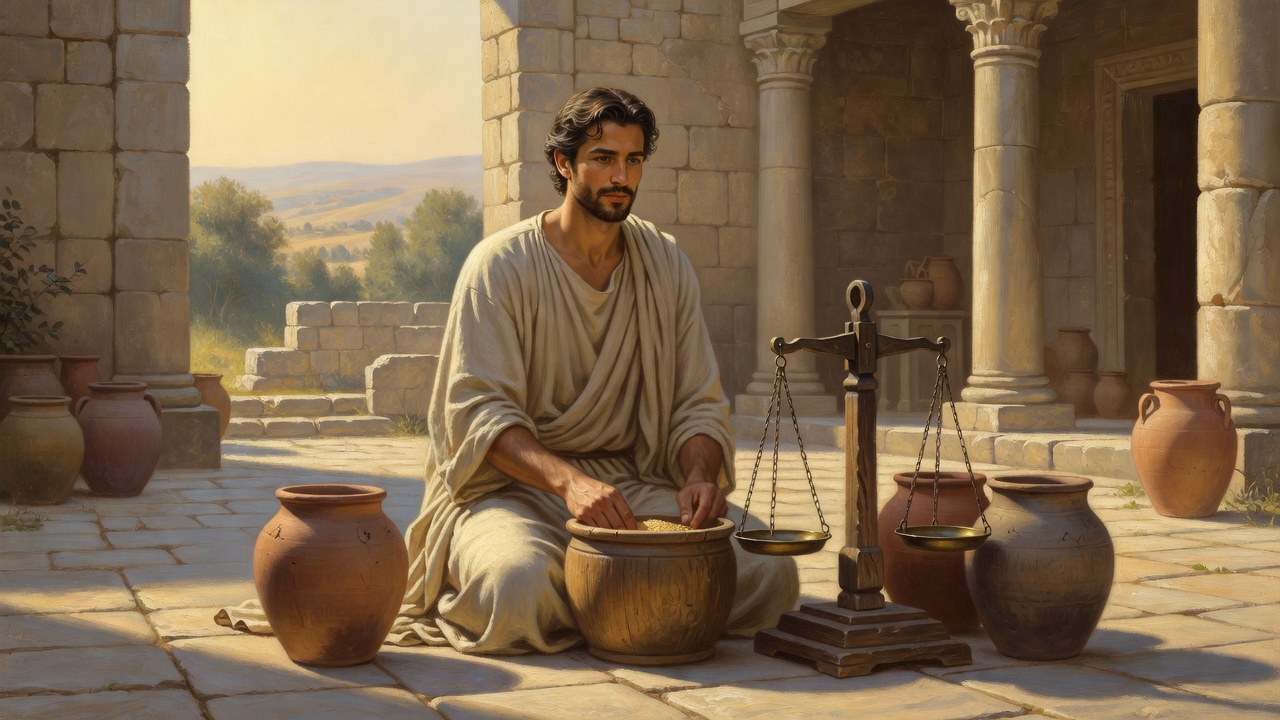
- The text demands honest economic practices by standardizing commercial measures, fixing both the liquid bath and dry ephah at one-tenth of a homer, and defining a mina as sixty shekels.Sources: the Bible text itself
- Rather than demanding sacrifices for private status, the prince is commissioned to supply the community's communal offerings of grain, oil, and animals for the appointed feasts, Sabbaths, and the Passover.Sources: the Bible text itself
Notes written with AI assistance from open sources (Theographic Bible Metadata, CC BY-SA 4.0; Easton’s Bible Dictionary, public domain) and reviewed before publishing.
Places in this chapter
- Most Holy Place · Today: on Mount Moriah · 31.778, 35.236 · verse 3
Only places identified with high confidence are shown (90% or more according to the scholarly sources compiled by OpenBible). Period map: DARE (Digital Atlas of the Roman Empire), CC BY 4.0; modern map: © OpenStreetMap contributors; places: OpenBible.info (CC BY 4.0).
Credits and license for this translation
Bibiri Kuyie Nnɑ́ɑǹtì Pɑ́tíri
The Holy Bible in the Ditammari language of Benin
copyright © 2001 SIM International
Language: Ditammari
Translation by: SIM
This translation text is made available to you under the
terms of the Creative Commons License: Attribution-Noncommercial-No Derivative Works.
( http://creativecommons.org/licenses/by-nc-nd/3.0/ )
In addition, you have permission to port the text to different file formats, as long as you
do not change any of the text or punctuation of the Bible.
You may share, copy, distribute, transmit, and extract portions
or quotations from this work, provided that you include the above copyright
information:
You must give Attribution to the work.
You do not sell this work for a profit.
You do not make any derivative works that change any of the actual words or punctuation of the Scriptures.
Permissions beyond the scope of this license may be
available if you contact
us with your request.
This translation is made available to you under the terms of the
Creative Commons Attribution-No Derivatives license 4.0.
You may share and redistribute this Bible translation or extracts from it in any format, provided that:
You include the above copyright and source information.
You do not make any derivative works that change any of the actual words or punctuation of the Scriptures.
Pictures included with Scriptures and other documents on this site are licensed just for use with those Scriptures and documents.
For other uses, please contact the respective copyright owners.
2022-05-31
Source: http://ebible.org/tbzsim/ · eBible.org