Ezekiel 39
Bibiri Kuyie Nnɑ́ɑǹtì Pɑ́tíri · Tap a verse to see its cross-references.
Kuyie nyíɛ́ kɛ kpɑnnɛ̀mɛ̀ Kɔku
1Kɛ̀ ti Yiɛ̀ nKuyie nyíɛ́ kɛ́ m bɛ́innɛ̀ kɛ dɔ̀: Onìtì fɔ̃́, nɑ́kɛ́ Kɔku m pɑ̃ɑ̃nɑ́ɑǹtì. Nɑ́kɛ́ we kɛ dɔ̀: Mí ndi Yiɛ̀ nKuyie n tú: N yìtɛ́ kɛ còḿmúmu wenwe Kɔku wèè tu Mɛsɛki nɛ̀ Tubɑɑdi bɛ kóo kpɑ̀ɑ̀tì diɛwè o kpɛ́í. 2N yóó ò íimmu o ɛì kubɑkù yoú kɛ́ nhò ni kóò kɔ̀tɛnɛ̀ kòo do Isidɑyɛɛribɛ ɛkɛ̀ yɛtɑ̃rɛ̀ ĩ́nkɛ̀ kpɛyɛ. 3N yóó dɛ nkéétɛ́ o tɑ̃mmù o nɔ̀ùtɛ̀ cɑ̃̀nkutɛ̀ miɛkɛ, kòo pie nfítɛ́ tɛyoutɛ miɛkɛ kɛ́do. 4Ò yóó dɛ nkú Isidɑyɛɛribɛ tɑ̃rɛ̀ ĩ́nkɛ̀ wenwe nɛ̀ o ɑ̃ɑ̃pɔ̀mbɛ̀ nɛ̀ o nìtìbɛ̀ bɛ̀ɛ̀ ò bonɛ̀. Timɑncòntì nɛ̀ tikpɑsĩ̀ntì dɛɛ̀ yóó ò di. 5Ò yóó kú dikpɑ́ɑ̀ miɛkɛ nkɛ, mí di Yiɛ̀ nKuyie mmíì bɛ́i. 6M bo bɔntɛ́ muhɑ̃ɑ̃́ Mɑkɔku tenkɛ̀ nɛ̀ kɛtenkɛ̀ kɛ̀ɛ̀ sokɛ́ dɑ̀mɛ́ɛ̀rì cuokɛ̀ kɛ̀ɛ̀ kó yɛhɛkɛ̀ kɔbɛ kɑri fɛ̃̀ɛ̃̀, kɛ̀ bɛ̀ɛ bɑntɛ́ n túmɛ̀ di Yiɛ̀ nKuyie. 7M bo bɛnkɛ n nìtìbɛ̀ Isidɑyɛɛribɛ n yètìrì tumɛ̀: Kpɑ mɛyɛi. Dɛ mɔ̀nnì bɛ̀ tɛ̃́nkɛ bɑ́ ndì cɑɑ̀ri, kɛ̀ yɛbotɛ̀ɛ bɑntɛ́ kɛ do mmí ndi Yiɛ̀ nKuyie nyIsidɑyɛɛribɛ tũ nkù n kpɑ mɛyɛi. 8Mí ndi Yiɛ̀ nKuyie n nɑ̀kɛ́ dìì yiè kpɛ́í tùɔ̀kɛnímu kɛ dèè, dɛ̀ yóó dɔɔ̀mu, mí ndi Yiɛ̀ nKuyie mmíì bɛ́i. 9Dɛ mɔ̀nnì Isidɑyɛɛribɛ ɛkɛ̀ kɔbɛ bo yɛ̀nní kɛ́cɔ́u mbɛ dootitɔbɛ̀ kpɑ̀rìnɛntì nɛ̀ tidɔpììtì nɛ̀ dɛtɑ̃nnɛ̀ nɛ̀ ipie nnɛ̀ yɛkpɑ̃ɑ̃̀ nnɛ̀ tikpɑ̃nseuti, bɛ̀ bo ntuɔtìnɛ̀ dɛ kó idɛí kɛ dɔ̀ yɛbie nyɛ̀yiekɛ̀. 10Bɛ̀ tɛ̃́nkɛ bɑ́ ntɑɑ̀ dikpɑ́ɑ̀ mudɑkɑ́ù, bɛ̀ tɛ̃́nkɛ bɑ́ nkɔ̃ũ idɛí titúútì miɛkɛ, tikpɑ̀rìnɛntì nti bɛ̀ yó ntuɔ̀tìmɛ̀. Dɛ mɔ̀nnì bɛ̀ɛ̀ do bɛ̀ pùɔ nkɛ́hɛí bɛ kpɛrɛ, bɛ̀ múnkɛ bo bɛ̀ pùɔ kɛ́hɛí bɛ kpɛrɛ. Mí nKuyie mmíì bɛ́i.
11Dɛ yiè Kɔku fɔ̃ti bo mbo Isidɑyɛɛribɛ tenkɛ̀ dibòrì dìì yètìrì feí, kupotɑncɛ yiɛ̀ kùù biriku, mukɔ́kúɔ́ nkóo dɑ̀mɛ́ɛ̀rì, diyiè kɛ̀ yìɛ̀ní kɛ̀ɛ̀ bíɛ́kɛ̀. Dɛ yiè dɛ kó kucɛ bo ĩ́tínnɛ́, bɛ̀ bo dɛ̀ kũnnɛ́ Kɔku, kɛ́yú dɛborɛ̀ kɛ dɔ̀: Kɔku nɛ̀ o ɑ̃ɑ̃pɔ̀mbɛ̀ bɛ biriku. 12Isidɑyɛɛribɛ bo mbɛ̀ kũrì kɛ bo wénkùnnɛ bɛ ɛì, bɛ̀ bo mbɛ̀ kũrì kɛ dɔ̀ bɛtɑ̃̀ɑ̃̀bɛ̀ bɛ̀yiekɛ̀. 13Isidɑyɛɛribɛ tenkɛ̀ kɛmɔu miɛkɛ, òmɔù í yó nkpɑ, bɛ kũnnímù, dɛ yó ndò ntɛpɔ̀tɛ̀ ntɛ bɛ kpɛ́í. M bo bɛ̀ bɛnkɛ dɛ yiè n dɛumɛ̀, mí ndi Yiɛ̀ nKuyie mmíì bɛ́i. 14Dɛ kó difɔ̃nkúò bɛ̀ bo tɑ̃nkɛ́ bɛnìtìbɛ̀ kɛ̀ bɛ kó mutɔ̃mmú ntú bɛ̀ bo nfirìmɛ̀ bɛ tenkɛ̀ kɛmɔu miɛkɛ kɛ kũrì bɛ̀ɛ̀ kpɑɑ́ kpɑɑ́ kɛ bo wénkùnnɛ bɛ tenkɛ̀. 15Kɛ̀ bɛ̀ nfirì, kòò mɔù yɑ̀ yɛnitikṹɔ̃̀, wèe tíí nyɛtɑ̃́rɛ̀ dɛborɛ̀ kɛ́cóú nkɛ̀ bɛfɔ̃tikeubɛ̀ɛ yɛ̀ tùótɛ́ kɛ́kũnnɛ́ kubiriku bɛ̀ tu kù: Kɔku nɛ̀ o ɑ̃ɑ̃pɔ̀mbɛ̀ biriku. 16Kɛ̀ bɛ̀ɛ yú dihɛì tɛrì mɑrì kɛ dɔ̀: Kunitisṹkù, bɛ̀ kũnnɛ́ kùu nitisṹkù kpɛ́í. Mɛm̀mɛ kɛ̀ dihɛìi wenkɛ.
17Dɛ kó difɔ̃nkúò kɛ̀ ti Yiɛ̀ nKuyie nyíɛ́ kɛ́ m bɛ́innɛ̀ kɛ dɔ̀: Onìtì fɔ̃́, nɑ́kɛ́ tinɔ̀tì timɔu botí tipíìtì timɔu kpɛti nɛ̀ dɛsĩ̀nnɛ̀ dɛmɔu kɛ dɔ̀: Mí ndi Yiɛ̀ nKuyie n tú dɛ̀ɛ tíí nyIsidɑyɛɛribɛ tɑ̃rɛ̀ ĩ́nkɛ̀ kɛ̀ n dɔ́ kɛ dɛ̀ pɑ̃ dipɑ̃nnì diɛrì ndi. Dɛ̀ bo di initimɑ̀ɑ nkɛ́yɑ̃̀ mmɛnitiyĩ̀ĩ̀. 18Dɛ̀ yóó cɑ́ɑ́kɛ́mu bɛkpɑ̀rìtiebɛ kɛ́yɑ̃̀ bɛkpɑ̀ɑ̀tìbɛ̀ yĩ̀ĩ̀. M bɛ̀ ndɛ̀ pɑ̃mu, Bɑsɑ̃ɑ̃ tenkɛ̀ kó yɛpedɑkɛ̀ nyɛ nɛ̀ ipeni nɛ̀ sibɔɔ́ nɛ̀ inɑ̀ɑ̀kɛ dɛ̀ɛ̀ ɑ̃ mɛkùɔ̀. 19M bɛ̀ ndɛ̀ pɑ̃mu kɛ̀ dɛ̀ bo bɛ̀ cɑ̀ɑ́kɛ́ nɛ̀ bɛ kùɔ̀ nkɛ́nsɑ̀nnɛ̀, kɛ́yɑ̃̀ bɛ yĩ̀ĩ̀ nkɛ́muɔ́. 20N dɛ̀ ɑ̃nnɛ́ dibɑnni ndi kɛ̀ dɛ̀ bo cɑ́ɑ́kɛ́ sikpɑ̀rìsɛ̃ĩ́ nɛ̀ si dèèbɛ̀, bɛkpɑ̀rìnuɔmbɛ nɛ̀ bɛ ɑ̃ɑ̃pɔ̀mbɛ̀, mí ndi Yiɛ̀ nKuyie mmíì bɛ́i.
21M bo bɛnkɛ yɛbotɛ̀ n dɛumɛ̀, m bo yɛ̀ ɑ̃nnɛ́ dìì mɔ̀nnì tɛnɔ̀ùtɛ̀ yɛ̀ bo yɑ̀ n dòmmɛ̀. 22Kɛ túótɛ́ dɛ kó diyiè nɛ̀ dɛ ììkòo Isidɑyɛɛribɛ bo bɑntɛ́ kɛ dò mmí ndi Yiɛ̀ nKuyie mmíì bɛ̀ te.
Esekiɛri wɛ̃̀tɛ kɛ kòńtɛ́mɛ̀ o pɑ̃ɑ̃nɑ́ɑǹtì
23Dɛ yiè yɛbotɛ̀ bo bɑntɛ́ kɛ dò nyIsidɑyɛɛribɛ yɛi nkpɛ́í nte kɛ̀ bɛ̀ cìɛ́tɛ́ bɛ ciɛ kɛ tɑ bɛtɔbɛ̀ tenkɛ̀, kɛ bɑntɛ́ kɛ dò mbɛ̀ yetɛ n kpɛti nti kɛ̀ m bɛ̀ bùtínnɛ́, kɛ̀ bɛ̀ tɑ bɛ dootitɔbɛ̀ nɔu miɛkɛ kɛ̀ bɛ̀ bɛ̀ kɔ̀ù. 24Bɛ̀ yetɛ mɛ̀ɛ̀ kpɛ́í n kpɛti kɛ sĩ̀ntɛ, dɛɛ̀ te kɛ̀ m bɛ̀ bùtínnɛ́. Bɛ̀ bo bɑntɛ́ kɛ dò m bɛ̀ dɔ̀ɔ̀ bɛ̀ mɑ̀nnɛ̀ dɛ̀ndɛ.
25Mí ndi Yiɛ̀ nKuyie mmíì bɛ́i nkɛ tú: M bo wɛ̃tɛ kɛ́tɛ̃́nnɛ́ní Sɑkɔbu yɑɑ̀bí ìì tu tidɑɑtì bɛtɔbɛ̀ tenkɛ̀. Mɛsémmɛ̀ mɛɛ̀ bɛ̀ nni mbonɛ̀ kɛ̀ dɛ̀ n yóù n yetìsɑ̀ɑ̀rì cɑ̀ɑ̀ri mɛ̀ɛ̀ kpɛ́í. 26Bɛ̀ bo mbo dìì mɔ̀nnì bɛ ɛì miɛkɛ bɑ̀mmùù bɑ́ òmɔù í bɛ̀ kɔɔ́nnɛ̀ bɛ̀ bo yɛ̃̀ nyifɛi kpɛrɛ bɛ̀ do dɔɔri dɛ̀ n yììkɛ̀ nɛ̀ bɛ̀ do yetírímɛ̀ n kpɛti. 27M bo bɛ̀ dènnɛní dìì mɔ̀nnì bɛ dootitɔbɛ̀ ɛkɛ̀ kɛ́wɛ̃tɛ kɛ́ bɛ̀ tìí mbɛ tenkɛ̀. Nɛ̀ bɛ borɛ̀ ndɛ n yóó bɛnkɛmɛ̀ yɛbotɛ̀ n kpɑmɛ̀ mɛyɛi, 28kɛ̀ yɛ̀ɛ bɑntɛ́ mí ndi Yiɛ̀ nKuyie mmíì bɛ̀ temɛ̀, kɛ yɛ̃́ n yóó bɛ̀ dènnɛnímɛ̀ ibotí tɛì miɛkɛ, kɛ́wɛ̃tɛ kɛ́ bɛ̀ tìí mbɛ tenkɛ̀ miɛkɛ. Bɛ kóò mɔù tɛ̃́nkɛ bɑ́ nkpɑɑní dɛ bíɛ́kɛ̀. 29Dɛ mɔ̀nnì n tɛ̃́nkɛ bɑ́ɑ́ bɛ̀ bùtínnɛ́, kɛ yɛ̃́ n yóó cṹũnnímɛ̀ n Yɑɑ́ mbɛ ĩ́nkɛ̀. Mí ndi Yiɛ̀ nKuyie mmíì bɛ́i.
Did you know?
The Defeat of Gog and Restoration of Israel
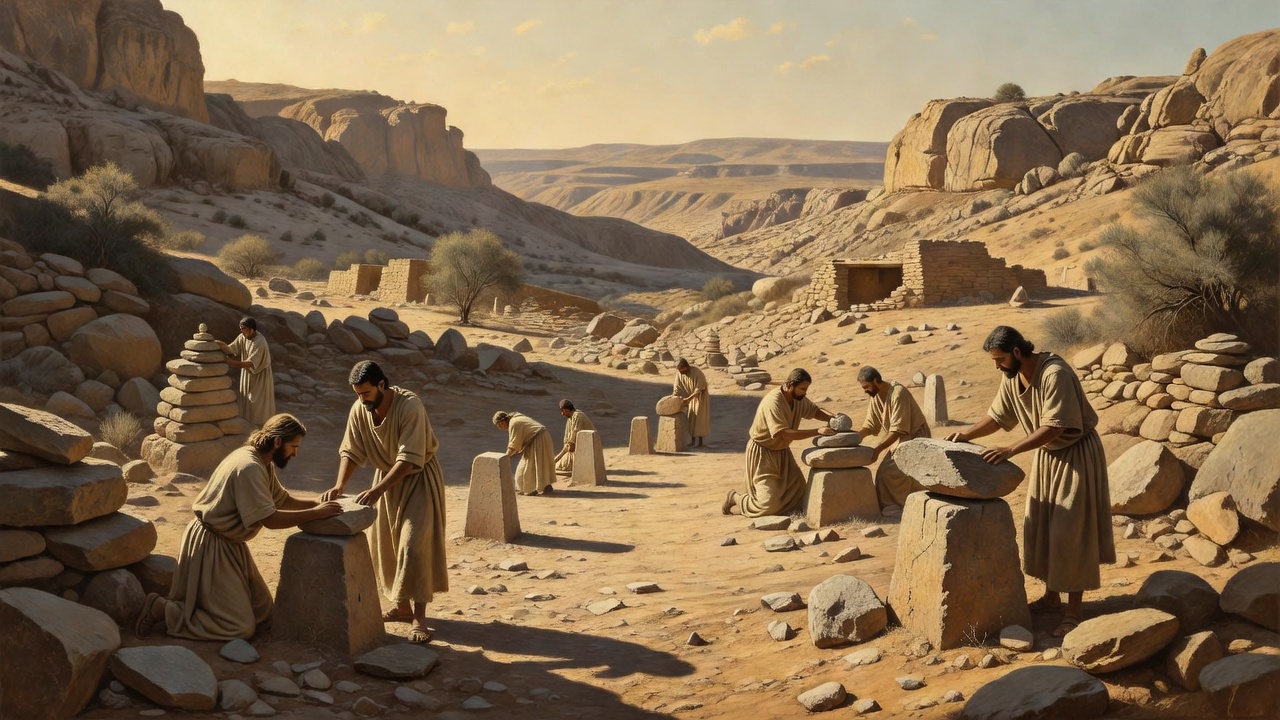
- The burial of Gog's fallen horde is described as taking seven months to cleanse the land. It takes place east of the Sea in the Valley of the Travelers, which is given the symbolic name the Valley of Hamon-gog, meaning the multitude of Gog, alongside a city named Hamonah.Sources: the Bible text itself · Hamonah · Valley of Hamongog
- Ezekiel addresses Gog as the chief prince of Meshech and Tubal from the land of Magog. Ancient traditions often linked Meshech with the Moschi between the Black and Caspian Seas, while early writers such as Jerome associated Magog with northern steppe peoples.Sources: the Bible text itself · Meshech · Magog
- The text depicts the inhabitants of Israel gathering abandoned wooden weapons—including shields, bows, arrows, and spears—to use as fuel for seven years, removing the need to harvest timber from the forests.Sources: the Bible text itself
Notes written with AI assistance from open sources (Theographic Bible Metadata, CC BY-SA 4.0; Easton’s Bible Dictionary, public domain) and reviewed before publishing.
Places in this chapter
- Meshech · Today: about 200 km around Gordion · 39.655, 31.994 · verse 1
- Tubal · Today: Tabal · 37.296, 36.254 · verse 1
- Salt Sea · Today: Dead Sea · 31.500, 35.500 · verse 11
- Hamonah · Today: in Abarim · 31.754, 35.715 · verse 16
- Bashan · 32.781, 35.935 · verse 18
Only places identified with high confidence are shown (90% or more according to the scholarly sources compiled by OpenBible). Period map: DARE (Digital Atlas of the Roman Empire), CC BY 4.0; modern map: © OpenStreetMap contributors; places: OpenBible.info (CC BY 4.0).
Credits and license for this translation
Bibiri Kuyie Nnɑ́ɑǹtì Pɑ́tíri
The Holy Bible in the Ditammari language of Benin
copyright © 2001 SIM International
Language: Ditammari
Translation by: SIM
This translation text is made available to you under the
terms of the Creative Commons License: Attribution-Noncommercial-No Derivative Works.
( http://creativecommons.org/licenses/by-nc-nd/3.0/ )
In addition, you have permission to port the text to different file formats, as long as you
do not change any of the text or punctuation of the Bible.
You may share, copy, distribute, transmit, and extract portions
or quotations from this work, provided that you include the above copyright
information:
You must give Attribution to the work.
You do not sell this work for a profit.
You do not make any derivative works that change any of the actual words or punctuation of the Scriptures.
Permissions beyond the scope of this license may be
available if you contact
us with your request.
This translation is made available to you under the terms of the
Creative Commons Attribution-No Derivatives license 4.0.
You may share and redistribute this Bible translation or extracts from it in any format, provided that:
You include the above copyright and source information.
You do not make any derivative works that change any of the actual words or punctuation of the Scriptures.
Pictures included with Scriptures and other documents on this site are licensed just for use with those Scriptures and documents.
For other uses, please contact the respective copyright owners.
2022-05-31
Source: http://ebible.org/tbzsim/ · eBible.org