Ezekiel 17
Bibiri Kuyie Nnɑ́ɑǹtì Pɑ́tíri · Tap a verse to see its cross-references.
Kuyie nhɑ̃ntɛ́mɛ̀ Isidɑyɛɛribɛ kɛ dònnɛnɛ̀ fɛtúúfɛ̀
1Kɛ̀ ti Yiɛ̀ nKuyie nní mbɛ́innɛ̀ kɛ dɔ̀: 2Onìtì fɔ̃́! Wɑɑ́ dinɑ́ɑǹhɑ̃ntírì Isidɑyɛɛribɛ kpɛ́í nkɛ dì mbɛ̀ ɑ̃ntɛ́. 3Nɑ́kɛ́ bɛ kɛ dɔ̀: Mí ndi Yiɛ̀ nKuyie n tú fɛtúúfɛ̀ diɛfɛ̀ mɑfɛ̀ fɛɛ̀ kɔ̀tɛní Dimɑɑ kɛ̀ fɛ fìɛ̀ti dɛu kɛ̀ fɛ fɛ̀tì òkù, kɛ̀ fɛ̀ dɑ̀ɑ́tí ticìtì kɛ ɑ̃ yɛyɔ̃̀rɛ̀, kɛ bɔ̀ɔ́tɛ́ Dimɑɑ túúkù kó mutie sɛ́tìrì kó kubɑkù mɛyómmɛ̀ kɔku. 4Kɛ kèétɛ́ mu bɑkɛ mɛyómmɛ̀ kpɛyi kó dimɑ̀ɑ̀ kɛ ìtɛ́nɛ̀, kɛ kònnɛ̀ bɛpotɑmbɛ̀ ciɛ, kɛ ì dɔú mbɛpotɑmbɛ̀ kó dihɛì miɛkɛ. 5Kɛ dèè kɛ wɑɑ́ ntitieti dɛ kó dihɛì kpɛti kɛ tì buɔtí kupɑku kùù duɔ̀, kɛ tì fìí mmɛniɛ ntɑkɛ́, mutie mùù nɔnnɛ̀ mɛniɛ mmu kɔ̃mɛ. 6Kɛ̀ ì pũ̀ntɛ kɛ nɑɑ́ nfínyĩ̀ kó mutie mùù pɛí mɛsɑ̀ɑ̀ kɛ wùɔ nkɛ̀ mu fɑ̃ɑ̃̀tì wetí fɛɛ̀ túúfɛ̀ kɛ̀ mu cĩ̀ɛ̃ ntɑti kɛtenkɛ̀, kɛ̀ mù yɛ̀ ibɑkɛ. 7Kɛ̀ fɛtúúfɛ̀ diɛfɛ̀ tɛfɛ̀ yɛ̀nní kɛ̀ fɛ fìɛ̀ti dɛu kɛ̀ fɛ fɛ̀tì òkù kɛ í sénní. Kɛ̀ fínyĩ̀ kó mutie cĩɛ̃ nyɛ̀ kɛ fɛ̀ wetí. Kɛ̀ mu bɑkɛ fɛ wetí kɛ̀ mu yɛ̀mmɛ̀ dò mmù bo pɛ́tɛ́ mɛniɛ nfɛ bíɛ́kɛ̀, kɛ̀ dɛ̀ɛ pɛ̃ɛ̃tɛ́ mù fìíkú dɛ̀. 8Mù mɛ nnɛ́ do fííkú kɛtensɑ̀ɑ̀kɛ̀ nkɛ kukó mpɛɛ́mmɛ̀ kɛ̀ dɛ̀ bo yie nkɛ̀ mùu yɛ̀ ibɑkɛ kɛ́pɛitɛ́ yɛbɛ, kɛ́ntú fínyĩ̀ kó mutie sɑ̀ɑ̀mù.
9Mí ndi Yiɛ̀ nKuyie n tú: Mù bo nɑ kɛ́kótɑ́ɑ̀? Fɛtúúfɛ̀ bɑ́ɑ́ uutɛ́ mu cĩɛ̃ nkɛ́tɔ̃ũ mu bɛ, mu fɑ̃ɑ̃̀tì tìì bitɛ́ kɛ̀ tìi kpeíɑ̀? Dɛ̀ í yó mbékú onitikperì yoo kubotí kùù sũ kù bo mù uutɛ́mɛ̀. 10Ntɛ mu, bɛ̀ mù fìímmɛ̀ mù bo nɑ kɛ́kótɑ́ɑ̀? Kɛ̀ diyiè yìɛ̀ kɛ̀ɛ̀ bíɛ́kɛ̀ kó kuyɑɑkù tùɔ̀kɛní mù bɑ́ɑ́ kpeí mù fìíkú dɑ̀ɑ̀?
Kuyie mbɛ̀ wèńkùnnɛmɛ̀ kù bɛ̀ nɑ̀kɛ́ tìì nɑ́ɑǹtì
11Kɛ̀ ti Yiɛ̀ nKuyie nyíɛ́ kɛ́ m bɛ́innɛ̀ kɛ dɔ̀: 12Nɑ́kɛ́ dɛ kó itookperí yɛmbɛ̀ kɛ dɔ̀: Di í bɑntɛ́ dɛ kó tinɑ́ɑǹtì bɛnkú dɑ̀ɑ̀? Tì bɛnkú Bɑbidɔnni kóo kpɑ̀ɑ̀tì nwe wèè kɔ̀tɛní Sedisɑdɛmmu, kɛ pĩ̀ḿmú bɛkpɑ̀ɑ̀tìbɛ̀ nɛ̀ sikpɑ̀ɑ̀tìbìí kɛ kònnɛ̀ o ciɛ Bɑbidɔnni, 13kɛ pĩ ntɛkpɑ̀ɑ̀tìcĩ́ɛ̃̀tɛ̀ yuu kou, kɛ duɔ́ nkòò ò dɔúnnɛ̀ dinùù kɛ bo nyíé nho kpɛti, kɛ pĩmmú bɛ̀ɛ̀ tu bɛkótíbɛ̀ dihɛì kɛ kònnɛ̀. 14Kɛ̀ dɛ̀ bo yie nkɛ̀ bɛ kpɑ̀ɑ̀tìyuu mberí kɛ bɑ́ nwɑnti kɛ́dɛukɛ, kɛ́mpĩ́ nhò bɛ̀ dɔúnnɛ̀ dìì nùù. 15Kɛ̀ tɛ̀ɛ̀ kpɑ̀ɑ̀tìbitɛ mɛ nyetɛ o kpɛti kɛ dɛitɛ yɛtɔ̃rɛ̀ kɛ tɔ̃ nhEsibiti kɛ̀ bɛ̀ bo duɔnní sisɛ̃ĩ́ nɛ̀ sinɑɑsɛ̃ĩ́, nɛ̀ bɛhɑ̃ɑ̃pɔ̀mbɛ̀. Ò bo nɑɑ̀? Wèè dɔ̀ɔ̀ mɛmmɛ ò bo nɑ kɛ́dɛɛtɛ́ omɑ́ɑ̀? Ò tɔ̃̀tɛ mɛtɑummɛ̀ kɛ nɛ́ bo nɑ kɛ́dɛɛtɛ́ omɑ́ɑ̀?
16Mí ndi Yiɛ̀ nKuyie m bomu! Kɛ̀ míì bɛ́i. Okpɑ̀ɑ̀tì wèè ò pĩ ntikpɑ̀tì, ò sènkɛ̀rì weè kó dinùù ò do ò dɔúnnɛ̀ dì kɛ tɔ̃̀tɛ mɛtɑummɛ̀ ò do ò dɔ̀ɔ̀nɛ̀ mɛ̀, weè kpɑ̀ɑ̀tì kó dihɛì Bɑbidɔnni miɛkɛ nkɛ ò yóó kúmɛ̀. 17Bɑbidɔnni kóo kpɑ̀ɑ̀tì bo bɛ̀ do dìì mɔ̀nnì mudoò kɛ́pénnɛ́ kuperí nɛ̀ kudookɔti kɛ bo kuɔ bɛnìtìbɛ̀ pɛ́u. Esibiti kóo kpɑ̀ɑ̀tì bɑ́ɑ́ nɑ kɛ́ bɛ̀ dɛɛtɛ́ bɑ́ nɛ̀ o ɑ̃ɑ̃pɔ̀mbɛ̀ mɛ nsũmɛ̀ nɛ̀ o nìtìbɛ̀. 18Sedisɑdɛmmu kóo kpɑ̀ɑ̀tì sènkɛ̀rì dinùù ò do ò dɔúnnɛ̀ dì ndi, kɛ tɔ̃̀tɛ mɛtɑummɛ̀. Weè mɛ ndo yié nkɛ dɔ̀ ò yó nyíé nho kpɛti, kɛ nɛ́ wɛ̃̀tɛ kɛ dɔ̀ɔ̀ dɛndɛ, ò bɑ́ɑ́ nɑ kɛ́dennɛ omɑ́ɑ̀ dɛ miɛkɛ.
19Dɛɛ̀ te mí ndi Yiɛ̀ nKuyie kɛ̀ m bɛ́i nkɛ tú, ò mɛ̀ nyetɛnɛ̀mɛ̀ nh ò dɔúnnɛ̀ dìì nùù kɛ tɔ̃̀tɛ mɛtɑummɛ̀ n do ò dɔ̀ɔ̀nɛ̀ mɛ̀ dɛ̀ doti o yuu ĩ́nkɛ̀ nkɛ. 20N yóó ò dìí nticùɔ̀tì nti kòo tɑ n dìtɛ̀ miɛkɛ kɛ̀ nh ò kònnɛ̀ Bɑbidɔnni, kóò bekɛ́nɛ̀ ò n yetɛ mɛ̀ɛ̀ kpɛ́í. 21O kó bɛkpɑ̀rìnuɔmbɛ bɛmɔu nɛ̀ bɛhɑ̃ɑ̃pɔ̀mbɛ̀ bɛmɔu bɛ̀ yóó bɛ̀ kùɔnɛ̀ disiè ndi, bɛ̀ɛ̀ bo yentɛ́ kɛ̀ bɛ̀ɛ cíɛ́tɛ́ tipíìtì timɔu, kɛ̀ di bɑntɛ́ kɛ dò mmí ndi Yiɛ̀ nKuyie mmíì bɛ́i.
Kuyie nyɛ̃mmɛ̀ kù bo wɛ̃tɛ kɛ́íi nyIsidɑyɛɛribɛ
22Kɛ̀ ti Yiɛ̀ nKuyie nyíɛ́ kɛ́bɛ́i nkɛ dɔ̀: Mí ndi Yiɛ̀ nKuyie mmíì mɔ́mmuɔ nyóó bɔ́ɔ́tɛ́ mutie diɛmù sɛ́tìrì yómmɛ̀ kɛ́dɛitɛ o kó dipɑ̀nnì dìì pũ̀ntɛ o bɑku yómmɛ̀ kɛ́dekɛ kɛ́ mù fìí nditɑ̃rì diɛrì yómmɛ̀. 23Isidɑyɛɛribɛ tɑ̃rì diɛrì dìì bɛ̀ sĩ̀ĩ́ ndi yómmɛ̀ mmɛ n yóó mù fìímmɛ̀ kɛ̀ mùu yɛ̀nní ibɑkɛ kɛ́pɛitɛ́ yɛbɛ, kɛ́nɑɑ́ nsɛ́tìrì kó mutie sɑ̀ɑ̀mù, kɛ̀ tinɔ̀tì timɔu botí nhɑ̃ mu bɑkɛ ĩ́nkɛ̀, kɛ diɛku mu dɛ́ɛ̀. 24Kɛ̀ dɛtie ndɛmɔuu bɑntɛ́ kɛ dò n tú di Yiɛ̀ nKuyie nkɛ̀ míì kɔ̃ũ dɛtie ndiɛrɛ̀ kɛ duɔ́ nkɛ̀ dɛsɑ́m̀pɔ́rɛ̀ kòtírí. Míì ɔ̃ɔ̃ duɔ́ nkɛ̀ dɛ̀ɛ̀ sũ̀ kɛ̀ dɛ̀ɛ kpeí, dɛ̀ɛ̀ kpeí kɛ̀ dɛ̀ɛ pórí. Mí ndi Yiɛ̀ nKuyie míì bɛ́i nkɛ yóó tì dɔ̀ɔ̀.
Did you know?
The Parable of the Eagles and the Cedar
- Ezekiel presents a political allegory where the first great eagle represents the king of Babylon, who captured Jerusalem's royal leadership and established a vassal king under a solemn covenant. The second eagle represents Egypt and its Pharaoh, to whom the Judean ruler turned for cavalry and military assistance in defiance of his sworn allegiance.Sources: the Bible text itself · Babylon · Egypt · Pharaoh
- In the prophetic message, breaking a political vassal oath made under Babylon was treated not merely as diplomatic rebellion, but as spiritual treason against God, who regarded the sworn pledge as His own oath.Sources: the Bible text itself
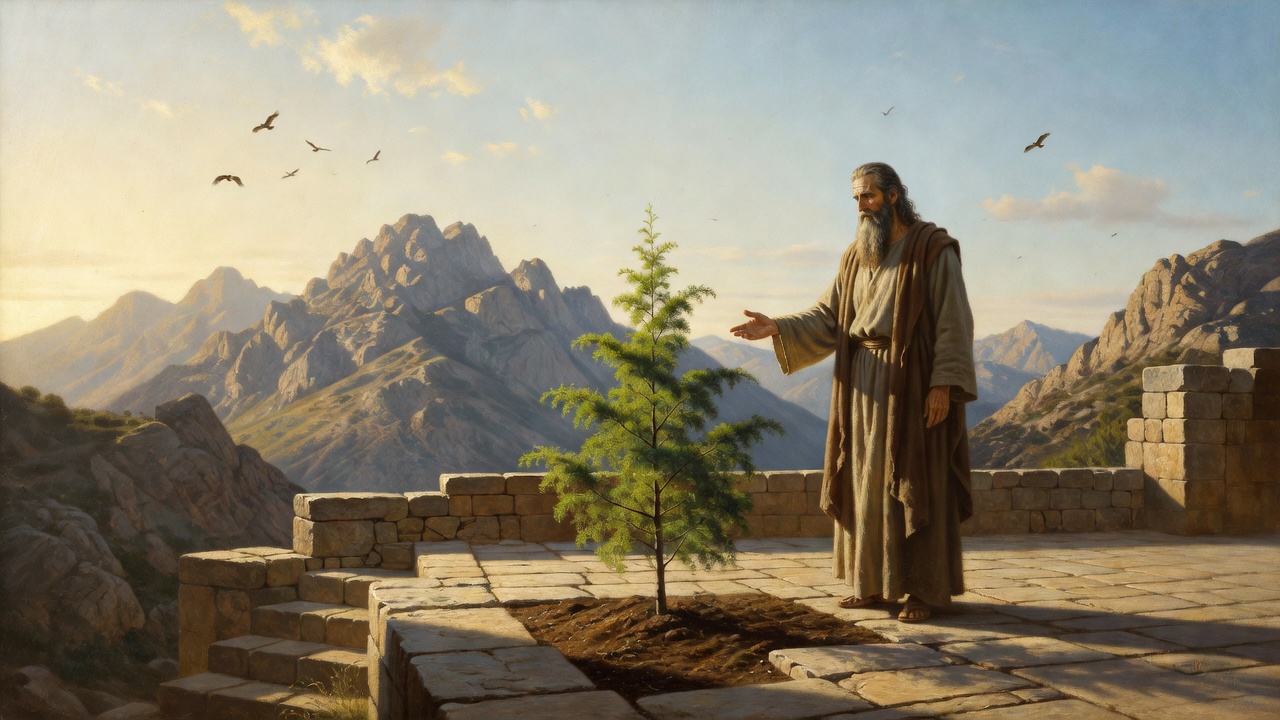
- The chapter concludes with a reversal of human political schemes: God Himself promises to take a tender shoot from the top of the cedar and plant it upon the mountain heights of Israel, where it will grow into a majestic tree offering shelter to birds of every kind.Sources: the Bible text itself
Notes written with AI assistance from open sources (Theographic Bible Metadata, CC BY-SA 4.0; Easton’s Bible Dictionary, public domain) and reviewed before publishing.
Places in this chapter
- Lebanon · 33.540, 35.584 · verse 3
- Canaan · 32.767, 35.333 · verse 4
- Babylon · 32.543, 44.422 · verses 12, 14, 15, 16, 17, 20
- Jerusalem · 31.777, 35.234 · verses 12, 17
- Egypt · 30.129, 31.308 · verse 15
Only places identified with high confidence are shown (90% or more according to the scholarly sources compiled by OpenBible). Period map: DARE (Digital Atlas of the Roman Empire), CC BY 4.0; modern map: © OpenStreetMap contributors; places: OpenBible.info (CC BY 4.0).
Credits and license for this translation
Bibiri Kuyie Nnɑ́ɑǹtì Pɑ́tíri
The Holy Bible in the Ditammari language of Benin
copyright © 2001 SIM International
Language: Ditammari
Translation by: SIM
This translation text is made available to you under the
terms of the Creative Commons License: Attribution-Noncommercial-No Derivative Works.
( http://creativecommons.org/licenses/by-nc-nd/3.0/ )
In addition, you have permission to port the text to different file formats, as long as you
do not change any of the text or punctuation of the Bible.
You may share, copy, distribute, transmit, and extract portions
or quotations from this work, provided that you include the above copyright
information:
You must give Attribution to the work.
You do not sell this work for a profit.
You do not make any derivative works that change any of the actual words or punctuation of the Scriptures.
Permissions beyond the scope of this license may be
available if you contact
us with your request.
This translation is made available to you under the terms of the
Creative Commons Attribution-No Derivatives license 4.0.
You may share and redistribute this Bible translation or extracts from it in any format, provided that:
You include the above copyright and source information.
You do not make any derivative works that change any of the actual words or punctuation of the Scriptures.
Pictures included with Scriptures and other documents on this site are licensed just for use with those Scriptures and documents.
For other uses, please contact the respective copyright owners.
2022-05-31
Source: http://ebible.org/tbzsim/ · eBible.org