Ephesians 5
Bibiri Kuyie Nnɑ́ɑǹtì Pɑ́tíri · Tap a verse to see its cross-references.
Ti bo nyɛ̃́mɛ̀ Kuyie ndɔ́ dɛ̀
1Ntũnnɛ Kuyie nkó mɛborimɛ, kɛ yɛ̃́ di túmɛ̀ ku bí nyi, kù dɔ́ ì. 2Ndɔ́nɛ̀ ditɔbɛ̀ Kirisi ti dɔ́ mɛ̀ɛ̀ botí kɛ duɔ́ nhomɑ́ɑ̀ kɛ̀ bɛ̀ ò kùɔ kòò dò ndipɑ̃nnì kufɔ̃ɔ̃ku nɑtikù kpɛri Kuyie ndɔ́ dì.
3Di tú Kuyie nkɔbɛ mbɛ, di bɑ́ ndɔuti dɔutinɛ̀ ditɔbɛ̀ di bɑ́ nsĩnkùnko dimɑ́ɑ̀, di bɑ́ duɔ́ ndi yɛ̀mmɛ̀ tikpɑ̀tì. Dɛ̀ ketɛ́ kɛ í dò mbɛ̀ nyo dɛ kó tinɑ́ɑǹtì di cuokɛ̀. 4Di bɑ́ nnɑ́ɑntɛ ifɛi kpɛti nɛ̀ tiyɛìnnɑ́ɑǹtì nɛ̀ tinɑ́ɑnyɛiti, dɛ̀ í wenni. Petìnkɛ nsɑ̃ntínɛ̀ Kuyie nku sɑ̀ɑ̀ nkpɛ́í. 5Nyɛ̃́nɛ̀ kɛ dò nwèè dɔuti dɔutinɛ̀ bɛtɔbɛ̀ nɛ̀ wèè sĩ̀nkùnko omɑ́ɑ̀, nɛ̀ wèè í diɛ̀ ntikpɑ̀tì, dɛ̀ í cɑ̃́ɑ̃́nnɛ̀ wèè feu yɛbɔkɛ̀. Dɛ yiɛ̀ mbotí í tɑti Kirisi nɛ̀ Kuyie mbɛ kpɑ̀ɑ̀tìyuu miɛkɛ.
6Di bɑ́ɑ́ yie nkòò mɔù di soutɛ́ nɛ̀ dɛtetìrɛ̀ kó tinɑ́ɑǹtì: Dɛɛ̀ te kɛ̀ Kuyie mmiɛkɛ cɔ́ú bɛ̀ɛ̀ yetɛ ku kpɛti. 7Di bɑ́ mmɔkɛnɛ̀ dɛ kó bɛnìtìbɛ̀ botí mɛtɑummɛ̀ mɑmɛ̀. 8Di do tú dibiìnnì kɔbɛ mbɛ di mmɔ̀nnì kɛ tɑunnɛ̀ ti Yiɛ̀ kɛ tú kuwenniku kɔbɛ. Nfòùnɛ̀ kɛ dò mmɛnɑ́ɑ̀ nkó ibí. 9Kuwenniku kó mutɔ̃mmú tú: Tinìtì, mɛwetímmɛ̀, nɛ̀ timɔ́mmɔnti. 10Mbɑɑ̀tìnɛ̀ ti Yiɛ̀ ndɔ́ dɛ̀. 11Di bɑ́ nkɔkɛ́ dibiìnnì kɔbɛ kó mutɔ̃mmú miɛkɛ, mù tú mutetìmù mmu, di petìnkɛ mmù dɑ́ɑmmu mmu. 12A bo nɑ́kɛ́mɛ̀ bɛ̀ dɔ̀ɔ̀ri dɛ̀ disɔ̀rì dɛ̀ mɔ̀kɛ ifɛi nyi. 13Dɛ kó mutɔ̃mmú yɛ̀nní dìì mɔ̀nnì kuwenniku miɛkɛ, kuwenniku ɔ̃ɔ̃ mù feimmu. 14Mɔ́mmuɔ nwe bɛ̀ dènnɛní dɛ̀ kuwenniku dɛ̀ ɔ̃ɔ̃ wenkɛmu. Tì wɑ̃̀rimu kɛ tú:
Entɛ,
fɔ̃́ nwèè duɔ́ bɛcíríbɛ̀ miɛkɛ!
Kɛ̀ Kirisi dɑ míítɛ́.
15Ndɑkɛnɛ̀ mɛsɑ̀ɑ̀ di fòù mɛ̀ɛ̀ botí. Di bɑ́ɑ́ ndò tiyɛìntì, ntúnɛ̀ mɛciì nyɛmbɛ̀. 16Bɑ́ nfétìnkonɛ̀ di fíè, ti bo yɛmɔ̀rɛ̀ yɛiyɛ nyɛ. 17Di bɑ́ ndò ntiyɛìntì, yetɛnko kɛ́yĩ́ɛ̃́tɛ́ Kuyie ndɔ́ dɛ̀.
18Di bɑ́ mmuɔ̀ mmɛnɑɑ̀, mɛ̀ di tɑnnìnko mɛyɛi mmiɛkɛ nkɛ. Yóunɛ̀ kɛ̀ Muyɑɑ́nsɑ̀ɑ̀mù di píɛ. 19Kɛ̀ di nwɛ̃ nkɛ yɑ́úkùnko ditɔbɛ̀ kɔ̃̀ntì, kɛ́ndiè nKuyie nkó yɛsɑ̃ɑ̃, nnɛ̀ ku kó iyiɛ, kɛ diè Muyɑɑ́nsɑ̀ɑ̀mù di duɔ́ nyìì yiɛ, kɛ́nsɑ̃ntí Kuyie nnɛ̀ di yɛ̀mmɛ̀ mɛmɔu, 20nsɑ̃ntínɛ̀ ti cicɛ Kuyie dɛmɔu kpɛ́í nsɑ̃́ɑ̃̀ nɛ̀ ti Yiɛ̀ nYesu Kirisi kó diyètìrì.
Onìtì nɛ̀ o pokù bɛ̀ dò kɛ́ntɑumɛ̀
21Nyíénnɛ̀ ditɔbɛ̀ kpɛti, di dé mɛ̀ɛ̀ kpɛ́í nKirisi.
22Bɛnitipòbɛ̀ nyíénnɛ̀ di dɑɑbɛ̀ kpɛti, di yie mmɛ̀ɛ̀ botí ti Yiɛ̀ nkpɛti. 23Kɛ yɛ̃́ onitidɔ̀ù weè bɑkɛ́mɛ̀ o pokù Kirisi bɑkɛ́ mɛ̀ɛ̀ botí o kɔbɛ tĩ̀nnì dìì tú o kɔ̃̀ntì kɛ dì dɛɛrí. 24Dɛɛ̀ te kɛ̀ bɛnitipòbɛ̀ dò nkɛ́nyíé mbɛ dɑɑbɛ̀ kpɛti timɔu, Kirisi kɔbɛ tĩ̀nnì yíé mmɛ̀ɛ̀ botí Kirisi kpɛti.
25Bɑ́ wèè nitidɔ̀ù kòo ndɔ́ o pokù Kirisi dɔ́ mɛ̀ɛ̀ botí o kɔbɛ tĩ̀nnì kɛ ku di kpɛ́í, 26kɛ dì ɔ̀útɛ́ nɛ̀ mɛniɛ nnɛ̀ Kuyie nnɑ́ɑǹtì. 27Ò dɔ̀ɔ̀ mɛmmɛ kɛ dɔ́ dì ntú o kpɛri ndi kɛ́nwenni, kɛ́nkpɑ kuyɛ̀nkù, kɛ́nkpɑ mɛyɔ̃́ɔ̃̀, kɛ́nkpɑ mɛyɛi mmɛmɔu, kɛ́ndò mpɑ́íí kɛ í mmɔkɛ bɛ̀ bo dì sɛi ntìì ĩ́nkɛ̀. 28Mɛɛ̀ botí nku bɑ́ wèè nitidɔ̀ù dò nkɛ́ndɔ́mɛ̀ o pokù ò dɔ́ mɛ̀ɛ̀ botí omɑ́ɑ̀. Wèè dɔ́ o pokù ò dɔ́ omɑ́ɑ̀ ndi. 29Òmɔù ɔ̃ɔ̃ í mpóó nhomɑ́ɑ̀, ò ɔ̃ nyɑ́rímu omɑ́ɑ̀, kɛ piú omɑ́ɑ̀. Kirisi mɛ ndɔɔri o kɔbɛ tĩ̀nnì. 30Kɛ yɛ̃́ ti túmɛ̀ o kɔ̃̀ntì kó itùòti nyi. 31Tì wɑ̃̀rimu kɛ tú: Onìtì bo yóu o cicɛ nɛ̀ o yɔ̃ kɛ́tɑunnɛ̀ o pokù, kɛ̀ bɛ̀ɛ nɑɑ́ ntikɔ̃̀ntì timɑ́ɑ̀. 32Ti nnɑ́ɑǹtì tú disɔ̀rì diɛrì kpɛti nti, tì tú Kirisi nwe nɛ̀ o kɔbɛ tĩ̀nnì, 33kɛ múnkɛ tú di kpɛti. Bɑ́ wèè nitidɔ̀ù wè ndɔ́ o pokù ò dɔ́ mɛ̀ɛ̀ botí omɑ́ɑ̀, kòo nitipòkù ndé o dɔù.
Did you know?
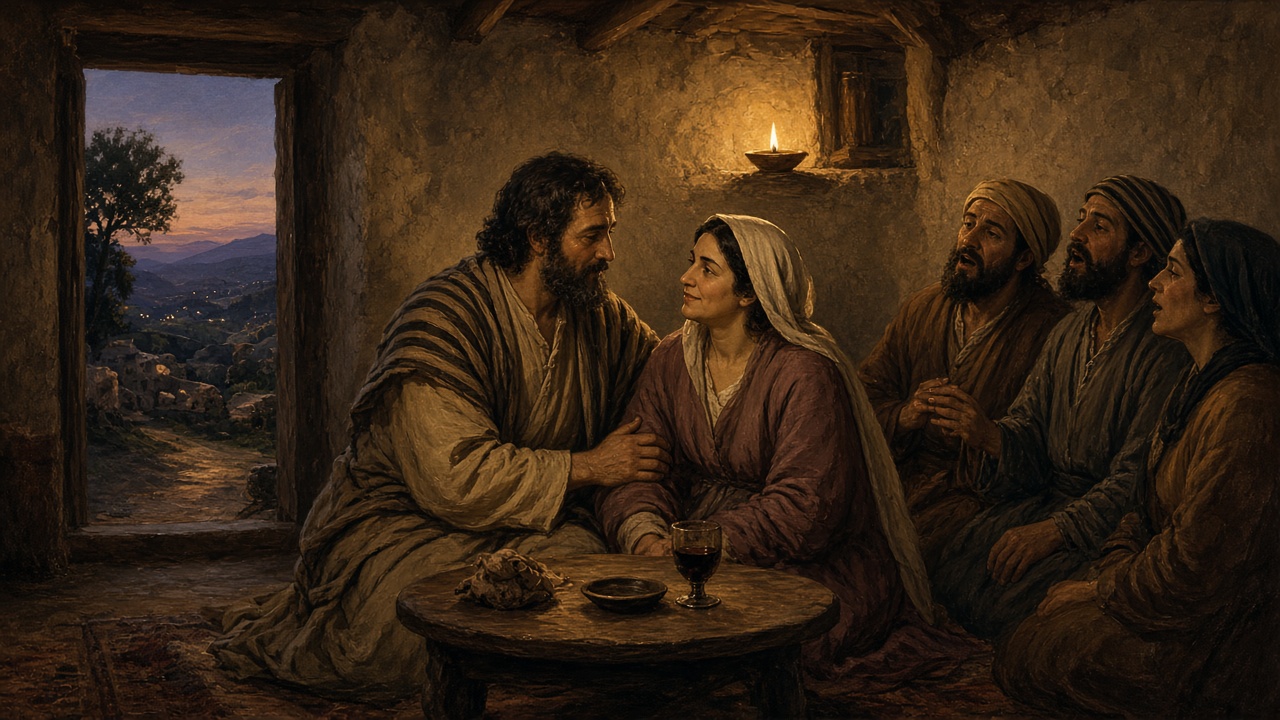
Love, light, and the household
- Ephesians 5 opens by calling readers to imitate God as beloved children and to walk in love, just as Christ loved them and gave himself up for them as a fragrant sacrificial offering to God.Sources: the Bible text itself
- The chapter says its readers were once darkness but are now light in the Lord, and that the fruit of the light is all goodness, righteousness, and truth. It also cites a saying that calls the sleeper to wake and rise from the dead, promising that Christ will shine on that person.Sources: the Bible text itself
- A call to submit to one another out of reverence for Christ introduces the instructions for wives and husbands. Husbands are told to love their wives as Christ loved the church and gave himself up for her, and the chapter calls the union of husband and wife a profound mystery concerning Christ and the church.Sources: the Bible text itself
Notes written with AI assistance from open sources (Theographic Bible Metadata, CC BY-SA 4.0; Easton’s Bible Dictionary, public domain) and reviewed before publishing.
Credits and license for this translation
Bibiri Kuyie Nnɑ́ɑǹtì Pɑ́tíri
The Holy Bible in the Ditammari language of Benin
copyright © 2001 SIM International
Language: Ditammari
Translation by: SIM
This translation text is made available to you under the
terms of the Creative Commons License: Attribution-Noncommercial-No Derivative Works.
( http://creativecommons.org/licenses/by-nc-nd/3.0/ )
In addition, you have permission to port the text to different file formats, as long as you
do not change any of the text or punctuation of the Bible.
You may share, copy, distribute, transmit, and extract portions
or quotations from this work, provided that you include the above copyright
information:
You must give Attribution to the work.
You do not sell this work for a profit.
You do not make any derivative works that change any of the actual words or punctuation of the Scriptures.
Permissions beyond the scope of this license may be
available if you contact
us with your request.
This translation is made available to you under the terms of the
Creative Commons Attribution-No Derivatives license 4.0.
You may share and redistribute this Bible translation or extracts from it in any format, provided that:
You include the above copyright and source information.
You do not make any derivative works that change any of the actual words or punctuation of the Scriptures.
Pictures included with Scriptures and other documents on this site are licensed just for use with those Scriptures and documents.
For other uses, please contact the respective copyright owners.
2022-05-31
Source: http://ebible.org/tbzsim/ · eBible.org