Deuteronomy 33
Bibiri Kuyie Nnɑ́ɑǹtì Pɑ́tíri · Tap a verse to see its cross-references.
Mɔyiisi mɔɔmɛ̀ Kuyie mmɛsɑ̀ɑ̀ Isidɑyɛɛribɛ wuɔ ntɛpíítɛ̀ nɛ̀ ìdɛ́ì kpɛ́í
1Ntɛ Kuyie nkóo tɔ̃ntì Mɔyiisi do yóó kú kɛ́ kù mɔɔ mɛ̀ɛ̀ sɑ̀ɑ̀ nyIsidɑyɛɛribɛ kpɛ́í:
2Kòo bɛ́i nkɛ dɔ̀:
Ti Yiɛ̀ nKuyie nyìtɛ́ní Sinɑii tɑ̃rì ndi.
Dɛ ĩ́nkɛ̀ nkɛ kù ìtɛ́nímɛ̀ Seii tɑ̃rì diyiè kɔ̃mɛ,
kɛ mìítɛ́ní ditɑ̃rì Pɑdɑnni ĩ́nkɛ̀,
kù ìtɛ́ní Mɛdibɑ Kɑdɛɛsi nwe,
kɛ̀ ku nɔ̀ùtɛ̀ youtɛ tɔ ku kuɔ́ kó muhɑ̃ɑ̃́.
3Kuyie nhɑ dɔ́mu ɑ nìtìbɛ̀ Isidɑyɛɛribɛ,
kɛ kɑ̃nkɛ́ bɛ̀ɛ̀ kó dimɑ̀ɑ̀ tu ɑ kɔbɛ,
bɛ̀ɛ̀ kɔ̃̀nkù ɑ ììkɛ̀ kɛ kémmú ɑ tié.
4Mí mMɔyiisi m bɛ̀ duɔ́mmu ikuɔ́.
Dɛ kó ikuɔ́ tú Sɑkɔbu yɑɑ̀bí kó ditĩ̀nnì kpɛyi nyi.
5Kuù do tú Yesudummu kɔbɛ kóo kpɑ̀ɑ̀tì.
Isidɑyɛɛribɛ wuɔ nkó bɛkótíbɛ̀ do ɔ̃ɔ̃ tíímmɛ̀,
nɛ̀ Isidɑyɛɛribɛ kó iwuɔ nyimɔu.
6Kɛ̀ Mɔyiisii yíɛ́ kɛ́bɛ́i nkɛ dɔ̀:
Dubɛnni kó kuwuɔ nni mbo sɑ̃́ɑ̃̀ kɛ bɑ́ɑ́ kú.
A kó fɛyɑnfɛ̀ɛ sṹṹ.
7Ntɛ ò do nɑ̀kɛ́ tì Sudɑɑ kó kuwuɔ nkɔbɛ:
Ti Yiɛ̀ nKuyie nkéntɛ́ Sudɑɑ kɔbɛ kó didɑbònnì
kɛ́ bɛ̀ tɛ̃̀ńnɛ́ní bɛ kɔbɛ borɛ̀.
Kɛ̀ bɛ̀ɛ fietɛ bɛmɑ́ɑ̀.
Á bɛ̀ dɛɛtɛ́nɛ̀ bɛ dootitɔbɛ̀.
8Kòo nɑ́kɛ́ Defii kó kuwuɔ nkɔbɛ kɛ dɔ̀:
Ti Yiɛ̀ nKuyie nhɑ bɛ̀ duɔ́ nyikuɔ́ nɛntì
bɛ̀ tu tì tumimmu nɛ̀ udimmu,
bɛ̀ yie mmɛ̀ɛ̀ kpɛ́í nhɑ yɛ̃ mmù.
A do bɛ̀ yɑ̀ɑ́kɛ́mu Mɑsɑ,
kɛ́ bɛ̀ kpɑ̀nnɛ̀ Mɛdibɑ kó mɛniɛ mborɛ̀.
9Bɛmbɛ Defiibɛ bɛ̀ bɛnkɛmu bɛ̀ dɑ dɔ́mɛ̀
kɛ̀ dɛ̀ pɛ̃ɛ̃tɛ́ bɛ cicɛbɛ̀ nɛ̀ bɛ yɔ̃bɛ̀,
nɛ̀ bɛ yɔ̃fũ̀ɔ̃̀ kɔbɛ nɛ̀ bɛ bí.
Bɛ̀ yiemmu ɑ nùù kɛ pĩ mmɛtɑummɛ̀ ɑ bɛ̀ dɔ̀ɔ̀nɛ̀ mɛ̀.
10Kɛ tiè nhɑ tɑnnɔ̀ Sɑkɔbu yɑɑ̀bí,
kɛ bɛnkú ɑ tié nyIsidɑyɛɛribɛ,
kɛ bɛ̀ tùɔ̀ ntihúúntì kɑ̀ɑ yo ti fɔ̃ɔ̃ku.
Kɛ̀ bɛ̀ dɑ feu iwũɔ̃ kɛ tuɔ̀ nhɑ wũɔ̃tɔ̀nnì ĩ́nkɛ̀.
11Áú ti Yiɛ̀! Yíɛ́ bɛ muwɛ̃rímú.
Dɔ̀ɔ̀ mɛsɑ̀ɑ̀ mbɛ tɔ̃mmú bɛ̀ pĩ mmù
fɛ̃tɛ bɛ dootitɔbɛ̀ kɑ.
Á bɑ́ɑ́ yie nkɛ̀ bɛníímbɛ̀ɛ wɛ̃tɛ kɛ́ítɛ́.
12Kòo bɛ́i mBɛnsɑmɛɛ kó kuwuɔ nkpɛ́í nkɛ dɔ̀:
Bɛ kó kuwuɔ ntú ti Yiɛ̀ nKuyie ndɔ́ kù nku mɛdiɛ̀,
bɛ̀ bo Kuyie mborɛ̀ ndɛ̀ bɛ́u.
Kuù dɑ̀kɛ bɛ kpɛ́í mbɑ́ dìì mɔ̀nnì,
kɛ bɛ̀ bukú.
13Kòo nɑ́kɛ́ Sosɛfu kó kuwuɔ nkpɛ́í nkɛ dɔ̀:
Ti Yiɛ̀ nKuyie mpɑ̃ mɛsɑ̀ɑ̀ ndi tenkɛ̀,
kùu cṹũnní kɛĩ́nkɛ̀ kó mɛniɛ ndi tenkɛ̀,
kɛ̀ sibií nhɑ̃ mɛniɛ.
14Diyiè níí nɑ́ɑ́tɛ́ kɛ̀ tidiitìi kótɛ́,
bɑ́ wèè tɑ̃̀nkù tidibitì níí bo mbo.
15Tidisɑ̀ɑ̀tìi ɑ̃nnɛ́ yɛtɑ̃rɛ̀ ĩ́nkɛ̀,
o tenkɛ̀ mboo sɑ̃́ɑ̃̀.
16Dɛsɑ̀ɑ̀rɛ̀ɛ buotɛ́ dihɛì miɛkɛ,
Kuyie nkùù do nɑ́ɑ́nnɛ̀ mí mMɔyiisi difɑ̃pèù miɛkɛ
ku kó mɛsɑ̀ɑ̀ n cùtɛ́ní Sosɛfu kó kuwuɔ nyĩ́nkɛ̀,
wenwe wèè do bɑkɛ́ o kɔbɛ.
17Sosɛfu yètìrì ndɛu,
ò kpeńnìmu kɛ dònnɛ̀ dinɑɑdɑɑ̀,
kòo yìè ndònnɛ̀ fɛpɑɑnɑ̀ɑ̀fɛ̀ kpɛyɛ,
nɛ̀ dɛ kó yɛyìè nyɛ ò yóó nkũmmùmɛ̀ ibotí imɔu
kɛ́ntɔ kɛ́tuɔkɛnɛ̀ itemmɑ̀nkɛ imɔu.
Diyènnì dìmɑ́ɑ̀ tu Efɑdɑimmu kó kunììti,
kɛ̀ ditɛrì tu Mɑnɑnsee kó kunììti.
18Kɛ̀ Mɔyiisii bɛ́i Sɑbunɔɔ nɛ̀ Isɑkɑɑ bɛ kó iwuɔ nkpɛ́í nkɛ dɔ̀:
Sɑbunɔɔ kó kuwuɔ nkɔbɛ diwɛ̀ì ndi bonɛ̀,
kupotɑɑ́ ndi pĩ́ nkù.
Díndi Isɑkɑɑ kó kuwuɔ nkɔbɛ dɛ̀ ndi nɑɑti di touti miɛkɛ.
19Dí yú di pɛɛtitɔbɛ̀ ditɑ̃sɑ̀ɑ̀rì ĩ́nkɛ̀,
kɛ̀ di fíé Kuyie nyiwũɔ̃, ku kuɔ́ yɛ̃mmɛ̀.
Di bo mpiɛti di kó tikpɑ̀tì dɑ̀mɛ́ɛ̀rì miɛkɛ,
kɛ yɑu mɛsɑ̀ɑ̀ mmɛ̀ɛ̀ bo mubirímú miɛkɛ.
20Kòo nɑ́kɛ́ Kɑdi kó kuwuɔ nkɔbɛ kpɛ́í nkɛ dɔ̀:
Kuyie nyètìrì ndɛu
kunku kùù duɔ́ nKɑdi wuɔ nkutempɛ̃ ndiɛkù,
kòò òkɛ kucìrícìrìyɔ̃kù kɔ̃mɛ,
kɛ wɑ̃kɛ́ kɛ bo nɛ́tɛ́ kubɑkù nɛ̀ diyuuo.
21Weè tɑ̃ɑ̃tɛ́ kɛtenkɛ̀ miɛkɛ dikɑ̀rì sɑ̀ɑ̀rì
dìì do dò nkɛ́ntú okpɑ̀ɑ̀tì kpɛri,
weè bɑɑtɛ́ Isidɑyɛɛribɛ
kɛ tũ̀nnɛ ku nùù kù nɑ̀kɛ́ dì Isidɑyɛɛribɛ kpɛ́í.
22Kòo nɑ́kɛ́ Dɑnni kó kuwuɔ nkɔbɛ kpɛ́í kɛ dɔ̀:
Dɑnni kó kuwuɔ nkɔbɛ dònnɛ̀ dicìrícìrì pɑ̀nnì ndi,
kɛ putìní Bɑsɑ̃ɑ̃ kpɑ́ɑ̀ miɛkɛ.
23Kòo nɑ́kɛ́ Nɛfutɑdii kó kuwuɔ nkɔbɛ kpɛ́í nkɛ dɔ̀:
Nɛfutɑdii kó kuwuɔ nkɔbɛ ciɛ diwɛ̀ì ndi,
ti Yiɛ̀ nKuyie nkuù bɛ̀ dɔ̀ɔ̀ mɛsɑ̀ɑ̀,
kɛ̀ bɛ tenkɛ̀ dɛukɛ,
kɛ́túótɛ́ dɑ̀mɛ́ɛ̀rì Kɑdidee diyiè tɑɑ̀ kɛ̀ɛ̀ bíɛ́kɛ̀,
kɛ́ntɔ kɛ́tuɔkɛnɛ̀ kubɑkù cɑ̃̀nku bíɛ́kɛ̀.
24Kòo nɑ́kɛ́ Asɛɛ kó kuwuɔ nkɔbɛ kpɛ́í nkɛ dɔ̀:
Mɛsɑ̀ɑ̀ nni mbonɛ̀ Asɛɛ kó kuwuɔ nkɔbɛ,
kɛ̀ dɛ̀ɛ pɛ̃ɛ̃tɛ́ bɛ kɔbɛ,
kɛ̀ bɛ̀ ntú diwɛ̀ì yɛmbɛ̀ bɛ kɔbɛ cuokɛ̀,
mɛkùɔ̀ mbo mpíɛ́kɛ́ bɛ ɛì,
kɛ̀ bɛ̀ ncentì mɛ miɛkɛ.
25Kɛ̀ bɛ ɛì kpetí yɛmɑ́tìcɑ̀kɛ̀ nɛ̀ disɔɔwũɔ̃̀ kpɛyɛ,
kɛ bɛ̀ mmɔkɛ muwɛ̃rímú nɛ̀ bɛ kṹṹnko.
26Yesudummu kɔbɛ òmɔù í bo wèè dònnɛ̀ Kuyie ndi tũ nkù,
nɛ̀ ku kó tikpetì nti kù dèkɛnímɛ̀ ku sɑ̃ntɛ̀ kɛĩ́nkɛ̀,
kɛ pɛ̃nkɛ́ yɛwɛtɛ̀ nɛ̀ tiwɛtì kɛ kɔriní kɛ bo di teennɛ̀.
27Kuyie mbomu sɑ̃́ɑ̃̀ kɛ tú di kó disɔ̀rì,
ku nɔ̀ùtɛ̀ yùomu di ĩ́nkɛ̀ nɛ̀ dimɔ̀nnì,
kuù ɔ̃ɔ̃ bɛti di dootitɔbɛ̀
kuù ɔ̃ɔ̃ bɛ́i nkɛ dɔ̀: Kuɔnɛ̀ bɛ pɑ́íí.
28Kuù te díndi Isidɑyɛɛribɛ kɛ̀ di kɑri bɑ́ tìmɑtì í di kɔɔnnɛ̀,
kuù cɑ̃̀ńnɛ́ díndi Sɑkɔbu yɑɑ̀bí nɛ̀ ibotí tɛì,
kuù te kɛ̀ fɛtɑɑfɛ̀ di pɑ̃ɑ̃ nkubooku tidiitì bɛ̀ tu tì bèdéè kɛ̀ tì bo.
Kɛ̀ mɛnɑɑ̀ mpɑ̀mmɛ̀ bo.
29Díndi Isidɑyɛɛribɛ mbonɛ̀ kɛ̀ dɛ̀ di nɑɑti,
kubotí mɑkù í bo kùù di dònnɛ̀
di tú Kuyie ndɛɛtɛ́ bɛ̀mbɛ,
kuù tu di kó kudɔpìkù kɛ di kɑ̃nkɛ́,
ku kó kukpɑ̀rìseú kuù ɔ̃ nte kɛ̀ di nɑ di dootitɔbɛ̀.
Di dootitɔbɛ̀ kɔ̀rinímu kɛ yó ndi cií,
dí mbɛ̀ nɑ̀ù.
Did you know?
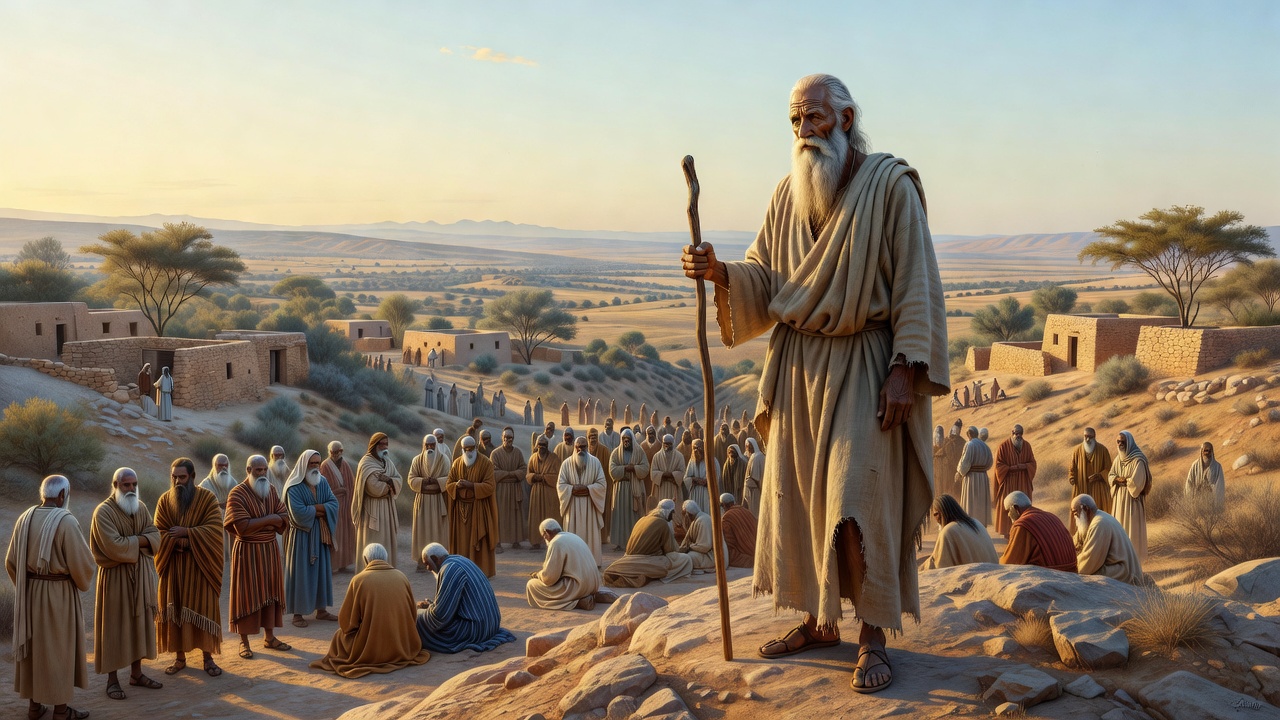
Moses’ Final Blessing on the Tribes
- The poem opens with a vivid description of God appearing from the southern wilderness, explicitly naming Sinai, Seir, and Mount Paran to portray the Lord dawning like the sun over his gathered people.Sources: the Bible text itself · Sinai · Seir · Mount Paran
- The blessing for the tribe of Levi emphasizes their sacred duties: consulting the Urim and Thummim, offering incense and burnt offerings at the altar, and teaching God’s ordinances and laws to the assembly of Israel.Sources: the Bible text itself · Massah · Meribah (of Horeb)
- Joseph’s blessing anticipates great fertility and military strength, specifically mentioning both Ephraim and Manasseh, the two tribal lineages descended from Joseph’s sons born in Egypt.Sources: the Bible text itself · Joseph (son of Jacob) · Ephraim · Manasseh (son of Joseph)
Notes written with AI assistance from open sources (Theographic Bible Metadata, CC BY-SA 4.0; Easton’s Bible Dictionary, public domain) and reviewed before publishing.
Places in this chapter
- Meribah · Today: Ain el Qudeirat · 30.648, 34.422 · verse 2
- Meribah · Today: within 500 m of Wadi Rufaiyil · 28.623, 33.880 · verse 8
- Bashan · 32.781, 35.935 · verse 22
Only places identified with high confidence are shown (90% or more according to the scholarly sources compiled by OpenBible). Period map: DARE (Digital Atlas of the Roman Empire), CC BY 4.0; modern map: © OpenStreetMap contributors; places: OpenBible.info (CC BY 4.0).
Credits and license for this translation
Bibiri Kuyie Nnɑ́ɑǹtì Pɑ́tíri
The Holy Bible in the Ditammari language of Benin
copyright © 2001 SIM International
Language: Ditammari
Translation by: SIM
This translation text is made available to you under the
terms of the Creative Commons License: Attribution-Noncommercial-No Derivative Works.
( http://creativecommons.org/licenses/by-nc-nd/3.0/ )
In addition, you have permission to port the text to different file formats, as long as you
do not change any of the text or punctuation of the Bible.
You may share, copy, distribute, transmit, and extract portions
or quotations from this work, provided that you include the above copyright
information:
You must give Attribution to the work.
You do not sell this work for a profit.
You do not make any derivative works that change any of the actual words or punctuation of the Scriptures.
Permissions beyond the scope of this license may be
available if you contact
us with your request.
This translation is made available to you under the terms of the
Creative Commons Attribution-No Derivatives license 4.0.
You may share and redistribute this Bible translation or extracts from it in any format, provided that:
You include the above copyright and source information.
You do not make any derivative works that change any of the actual words or punctuation of the Scriptures.
Pictures included with Scriptures and other documents on this site are licensed just for use with those Scriptures and documents.
For other uses, please contact the respective copyright owners.
2022-05-31
Source: http://ebible.org/tbzsim/ · eBible.org