Deuteronomy 31
Bibiri Kuyie Nnɑ́ɑǹtì Pɑ́tíri · Tap a verse to see its cross-references.
MƆYIISI CAUMMƐ̀ ISIDAYƐƐRIBƐ NƐ̀ Ò KUMƐ̀
Kuyie ntɑ̃ɑ̃tɛ́mɛ̀ Sosuwee kòò bo cɔutɛ́ Mɔyiisi
1Kɛ̀ Mɔyiisii kɔtɛní kɛ́bɛ́innɛ̀ Isidɑyɛɛribɛ bɛmɔu kɛ́ bɛ̀ nɑ̀kɛ́ kɛ dɔ̀: 2Yíe n tùɔ̀kɛ yɛbie ntɛkɔ̀ùtɛ̀ nɛ̀ sipísìdɛ́ (120) ndi, n tɛ̃́nkɛ bɑ́ɑ́ nɑ kɛ́mbo n kó difɔ̃̀tìrì kɛ́ ndi ni. Ti Yiɛ̀ nKuyie nni nnɑ̀kɛ́mu kɛ tú, n yí yóó séntɛ́ kukó nSuditɛ̃ɛ̃. 3Ti Yiɛ̀ nKuyie nkuù yó nni di ììkɛ̀ kɛ pɔntì yɛhɛkɛ̀ kɛ̀ di kɑtì, kɛ̀ Sosuwee ndi ni. Ti Yiɛ̀ nKuyie nkuù tì nɑ̀kɛ́. 4Kù dɔ̀ɔ̀ mɛ̀ɛ̀ botí Amɔriibɛ kpɑ̀ɑ̀tìbɛ̀ Sionni nɛ̀ Ɔku, kɛ pɔ̀ntɛ bɛ ɛkɛ̀ kɛ bɛ̀ kùɔ. Kù yóó mɛ nyĩ́ dɛ kó ibotí, 5ti Yiɛ̀ nKuyie nyóó bɛ̀ ɑ̃nnɛ́mu di nɔu miɛkɛ kɛ̀ dí bɛ̀ dɔ̀ɔ̀ n di nɑ̀kɛ́ kɛ yɛ̃ ndi yĩ́mɛ̀. 6Tɛ̃ĩ́nnɛ̀ kɛ́mɔɔtɛ dikɔ̃m̀bùɔ̀ di bɑ́ nkpeutí bɛ ììkɛ̀, di kɔ̃m̀bùɔ̀tì bɑ́ mbɛ̀ duò, ti Yiɛ̀ nKuyie ndi bonɛ̀mu, kù í yóó di yóu bìtì, kù í yóó di bɔntóo.
7Mɛm̀mɛ kɛ̀ Mɔyiisii yú Sosuwee Isidɑyɛɛribɛ bɛmɔu ììkɛ̀ kóò nɑ̀kɛ́ kɛ dɔ̀ tɛ̃ĩ́ nkɛ́mɔɔtɛ dikɔ̃m̀bùɔ̀! Fɔ̃́ɔ̃̀ yóó tɑnnɛ́ Isidɑyɛɛribɛ dihɛì ti Yiɛ̀ nKuyie ndo dɔúnnɛ̀ bɛ yɛmbɛ̀ dinùù kɛ́ĩkú kɛ dɔ̀ kù yóó bɛ̀ duɔ́ ndì kɛ̀ bɛ̀ɛ kɑri. Fɔ̃́ɔ̃̀ yóó dì mbɛ̀ totí. 8Ti Yiɛ̀ nKuyie nkuù yó nni ɑ ììkɛ̀ kù í yóó dɑ yóu, kù í yóó dɑ bɔntóo, ɑ bɑ́ n yĩɛ̃̀kù kɑ̀ɑ kɔ̃m̀bùɔ̀tìi ńduò.
Kuyie nkuɔ́ pɑ́tíri Isidɑyɛɛribɛ dò nkɛ níí kɑɑ ndì yɛbie nyɛ̀yiekɛ̀ yɛ̀yiekɛ̀
9Mɛm̀mɛ kɛ̀ Mɔyiisii wɑ̃ri Kuyie nkuɔ́ pɑ́tíri diì, nkɛ́ dì duɔ́ nDefii bí ikuɔ́ nìùbɛ̀ ìì do tɔu Kuyie ntɑummɛ̀ tɔu nɛ̀ Isidɑyɛɛribɛ kó bɛkótíbɛ̀. 10Kòo bɛ̀ duɔ́ ndinùù kɛ́ bɛ̀ nɑ̀kɛ́ kɛ dɔ̀: Yɛbie nyɛ̀yiekɛ̀ yɛ̀yiekɛ̀ di dɔú nyɛ̀ kɛ níí bo yóu bɛ̀ɛ̀ di bɑnnɛ̀ bɛ bɑ̀ɑ̀. Di mbɑɑ̀ ntitouti kó dibɑnni. 11Kɛ̀ Isidɑyɛɛribɛ bɛmɔu kɔ̀tɛní dìì mɔ̀nnì ti Yiɛ̀ nKuyie nyììkɛ̀ kù tɑ̃ɑ̃tɛ́ dìì bòrì, dí kɑɑ ndɛ kó ikuɔ́ Isidɑyɛɛribɛ bɛmɔu ììkɛ̀ kɛ̀ bɛ̀ɛ ì kèè. 12Dí tíí mbɛnìtìbɛ̀ bɛmɔu bɛnitidɑɑbɛ̀ nɛ̀ bɛnitipòbɛ̀ nɛ̀ ibí nɛ̀ bɛpɔ̀ɔ̀bɛ̀ bɛ̀ɛ̀ bo di ɛkɛ̀. Kɛ̀ bɛ̀ɛ ti kèè kɛ́yĩ́ɛ̃́tɛ́ bɛ̀ bo ndémɛ̀ ti Yiɛ̀ nKuyie, kɛ́tũnnɛ dɛ kó ikuɔ́ imɔu kɛ́ndɔɔri ì yɛ̃ mmù. 13Kɛ̀ bɛ̀ bí ìì í yɛ̃́ dɛ̀mɑrɛ̀, kɛ̀ ìì tì kèè kɛ́yĩ́ɛ̃́tɛ́ ì bo ndémɛ̀ ti Yiɛ̀ nKuyie yɛwe yɛmɔu di yó nfòù yɛ̀, di yóó séntɛ́ kukó nSuditɛ̃ɛ̃ kɛ́tɑ dìì ɛì kɛ́kɑri.
Isidɑyɛɛribɛ yetɛmɛ̀ Kuyie
14Mɛm̀mɛ kɛ̀ ti yiɛ̀ nKuyie nnɑ́kɛ́ Mɔyiisi kɛ dɔ̀: Ntɛ yɛwe ɑ yóó kú yɛ̀ kɛ duunní, yúní Sosuwee kɛ̀ di kɔtɛ mɛtɑummɛ̀ tou borɛ̀ kɛ̀ nh ò duɔ́ ndinùù.
Mɛm̀mɛ Mɔyiisi nɛ̀ Sosuwee bɛ̀ kɔ̀tɛmɛ̀ kɛ́tɑ mɛtɑummɛ̀ tou miɛkɛ. 15Kɛ̀ ti Yiɛ̀ nKuyie ncútɛ́nní diwɛtirì kɛ cómmú mɛtɑummɛ̀ tou bòrìnùù, 16kɛ́nɑ́kɛ́ Mɔyiisi kɛ dɔ̀: A kũnti ɑ yɛmbɛ̀ kũũ̀ nkɛ̀ nkɛ, ɑ yóó kú kɛ̀ Isidɑyɛɛribɛ n yóumu kɛ́tũnnɛ ibotí tɛì bɛ̀ tɑti kɛ̀ɛ̀ tenkɛ̀ kɔbɛ kó yɛbɔkɛ̀, bɛ̀ yó m butínnɛ́mu, kɛ́tɔ̃tɛ m bɛ̀ dɔ̀ɔ̀nɛ̀ mɛ̀ɛ̀ tɑummɛ̀. 17Dɛ yiè ndi m miɛkɛ yóó bɛ̀ yɛ̀mɛ̀ kɛ̀ m bɛ̀ bùtínnɛ́ kɛ́ bɛ̀ yóu, kɛ̀ mɛyɛi ndiɛmɛ̀ nɛ̀ mɛyɛǹcɑɑ̀rìmɛ̀ diɛmɛ̀ kɛ̀ dɛ̀ɛ bɛ̀ do. Kɛ̀ bɛ̀ɛ kuɔ́ ndɛ yiè kɛ dɔ̀: Ti Yiɛ̀ nKuyie nti yóu mɛ̀ɛ̀ kpɛ́í nte kɛ̀ mɛyɛi nti do. 18Dɛ yiè mí nKuyie nkɛ̀ n nɛ́ dɔkɛ bɛ̀ bùtínnɛ́ bɛ̀ dɔ̀ɔ̀ mɛ̀ɛ̀ yɛi nkpɛ́í nkɛ tũ̀nnɛ yɛbɔkɛ̀. 19Wɑ̃ri fɛ nyɛ̀nfɛ̀ kɛ́ fɛ̀ bɛnkɛ Isidɑyɛɛribɛ kɛ̀ bɛ̀ nfɛ̀ dìè, fɛɛ̀ yó ntú n kóo pútíwè mí nnɛ̀ Isididɑyɛɛribɛ. 20N yóó bɛ̀ tɑnnɛ́mu kɛtenkɛ̀ n do bɛ́i nkɛ́ĩkú kɛ dɔ̀ n yóó duɔ́ nkɛ̀ bɛ yɛmbɛ̀ mɛnɑɑmiɛ̀ nnɛ̀ mɛcekùɔ̀ ndɛ̀ pũɔ̃̀ nkɛ̀. Kɛ̀ bɛ̀ɛ di kɛ́nsɑ̀nnɛ̀ kɛ́ɑ̃nnɛ́ tikɔ̀dɔ̀ɔ̀tì. Dɛ kó difɔ̃nkúò kɛ́ n yóu kɛ́tũnnɛ yɛbɔkɛ̀ kɛ́nkɔ̃nkù kɛ yɛ̀ bɑ̀ɑ́, kɛ́ m bútínnɛ́ kɛ́tɔ̃tɛ mɛtɑummɛ̀ m bɛ̀ dɔ̀ɔ̀nɛ̀ mɛ̀. 21Mɛyɛi ndiɛmɛ̀ nɛ̀ mɛyɛǹcɑɑ̀rìmɛ̀ dɛ̀ bo bɛ̀ do dìì mɔ̀nnì dɛ kó fɛyɛ̀nfɛ̀ fɛɛ̀ yo ntú n kóo pútíwè, kɛ yɛ̃́ bɛ yɑɑ̀bí yó nfɛ̀ dìèmmɛ̀mu sɑ̃́ɑ̃̀. M pɑ̃̀nkɛ yɛ̃́mu bɛ yɛ̀mmɛ̀ kɛ̀ bɛ̀ mu nyí tɑ kɛtenkɛ̀ n do bɛ́i nkɛ́ĩkú kɛ dɔ̀, n yóó bɛ̀ duɔ́ nkɛ̀.
22Mɛm̀mɛ kɛ̀ Mɔyiisii wɑ̃ri dɛ kó fɛyɛ̀nfɛ̀ dɛ kó diyiè kɛ́ fɛ̀ bɛnkɛ Isidɑyɛɛribɛ.
23Kɛ̀ ti Yiɛ̀ nKuyie nduɔ́ ndinùù Nunni birɛ Sosuwee kɛ dɔ̀: Tɛ̃ĩ́ nkɛ́mɔɔtɛ dikɔ̃m̀bùɔ̀! Fɔ̃́ɔ̃̀ yóó tɑnnɛ́ Isidɑyɛɛribɛ kɛtenkɛ̀ n do bɛ́i nkɛ́ĩkú kɛ dɔ̀, n yóó bɛ̀ duɔ́ nkɛ̀. M mɔ́mmuɔ n yó ndɑ bonɛ̀mu.
24Kɛ̀ Mɔyiisii wɑ̃ri dɛ kó ikuɔ́ imɔu dipɑ́tíri miɛkɛ. 25Ò wɑ̃̀ri dìì mɔ̀nnì ikuɔ́ kɛ́deè kɛ́nɑ́kɛ́ Defiibɛ bɛ̀ɛ̀ tɔu ti Yiɛ̀ nKuyie ntɑummɛ̀ tɔu kɛ dɔ̀: 26Ntonɛ̀ dɛ kó dipɑ́tíri kɛ́ di dɔú nti Yiɛ̀ nKuyie ntɑummɛ̀ tɔu borɛ̀, diì yó ntú di kó bɛpútíbɛ̀. 27Mí mMɔyiisi n yɛ̃́mu di to kpeńnìmɛ̀ kɛ̀ di yetírí ti Yiɛ̀ nKuyie nkpɛti, n kpɑɑ́ kɛ fòùmu kɛ bo di cuokɛ̀, kɛ̀ dɛ̀ dò mmiɛ̀ nkɛ̀ n nɛ́ bo kú kɛ̀ dɛ̀ ndòmmɛ̀? 28Tíínnɛ̀nní dimɔu m borɛ̀ di botí kó bɛkótíbɛ̀ nɛ̀ bɛhɑ̃ɑ̃pɔ̀nkótíbɛ̀ kɛ̀ m bɛ́i nti nnɑ́ɑǹtì kɛ̀ tìi tɑ di to, kɛĩ́nkɛ̀ nɛ̀ kɛtenkɛ̀ kɛ̀ dɛ̀ nwúó. 29N yɛ̃́mu n yóó kúmɛ̀ kɛ̀ di dɔkɛ mɛyɛi mmudɔɔ̀rìmù kɛ́bútínnɛ́ n di bɛnkɛ kùù cɛ. Kɛ̀ mɛyɛi ndi do yɛwe yɛ̀ɛ̀ kpɑɑní yɛ miɛkɛ, kɛ yɛ̃́ di dɔ̀ɔ̀mɛ̀ dɛ̀ɛ̀ í wenni ti Yiɛ̀ nKuyie nyììkɛ̀, kɛ íi nkù miɛkɛ nɛ̀ mɛdɔɔ̀rìmɛ̀ yɛimɛ.
Mɔyiisi kó fɛyɛ̀nfɛ̀
30Mɛm̀mɛ kɛ̀ Mɔyiisii dentɛ̀ fɛ nyɛ̀nfɛ̀ fɛmɔu Isidɑyɛɛribɛ bɛmɔu ììkɛ̀.
Did you know?
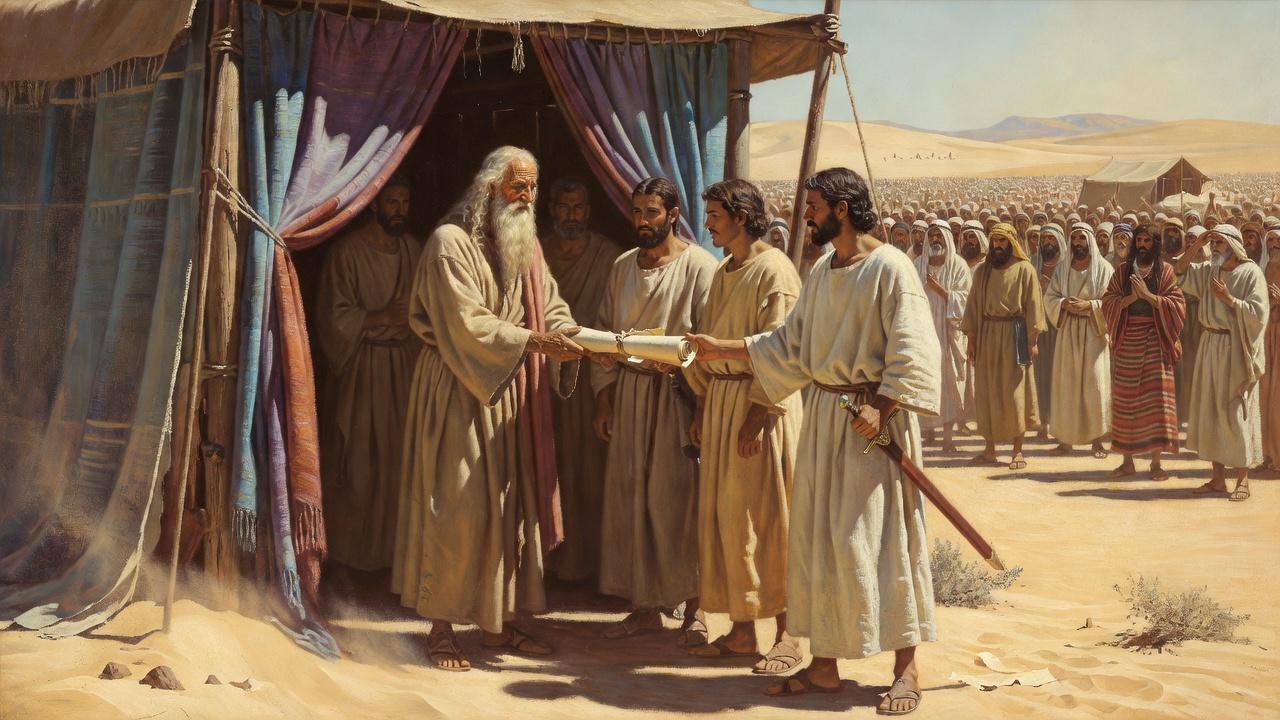
The Transition of Leadership and the Law
- At 120 years of age, Moses announced that he could not cross the Jordan River and publicly presented Joshua, son of Nun, as his successor to lead the people into the promised land.Sources: Moses · Joshua · Nun · the Bible text itself
- Moses commanded that every seven years, during the year of debt cancellation at the Feast of Tabernacles, the entire law was to be read aloud to all men, women, children, and foreigners.Sources: the Bible text itself
- After completing the written text of the law, Moses instructed the Levite priests carrying the Ark of the Covenant to place the scroll beside the ark as a lasting witness.Sources: Levi (patriarch) · the Bible text itself
Notes written with AI assistance from open sources (Theographic Bible Metadata, CC BY-SA 4.0; Easton’s Bible Dictionary, public domain) and reviewed before publishing.
Places in this chapter
Only places identified with high confidence are shown (90% or more according to the scholarly sources compiled by OpenBible). Period map: DARE (Digital Atlas of the Roman Empire), CC BY 4.0; modern map: © OpenStreetMap contributors; places: OpenBible.info (CC BY 4.0).
Credits and license for this translation
Bibiri Kuyie Nnɑ́ɑǹtì Pɑ́tíri
The Holy Bible in the Ditammari language of Benin
copyright © 2001 SIM International
Language: Ditammari
Translation by: SIM
This translation text is made available to you under the
terms of the Creative Commons License: Attribution-Noncommercial-No Derivative Works.
( http://creativecommons.org/licenses/by-nc-nd/3.0/ )
In addition, you have permission to port the text to different file formats, as long as you
do not change any of the text or punctuation of the Bible.
You may share, copy, distribute, transmit, and extract portions
or quotations from this work, provided that you include the above copyright
information:
You must give Attribution to the work.
You do not sell this work for a profit.
You do not make any derivative works that change any of the actual words or punctuation of the Scriptures.
Permissions beyond the scope of this license may be
available if you contact
us with your request.
This translation is made available to you under the terms of the
Creative Commons Attribution-No Derivatives license 4.0.
You may share and redistribute this Bible translation or extracts from it in any format, provided that:
You include the above copyright and source information.
You do not make any derivative works that change any of the actual words or punctuation of the Scriptures.
Pictures included with Scriptures and other documents on this site are licensed just for use with those Scriptures and documents.
For other uses, please contact the respective copyright owners.
2022-05-31
Source: http://ebible.org/tbzsim/ · eBible.org