Deuteronomy 24
Bibiri Kuyie Nnɑ́ɑǹtì Pɑ́tíri · Tap a verse to see its cross-references.
Onìtì bo bɛtimɛ̀ o pokù
1Kòò mɔù tùótɛ́ onitipòkù, kɛ̀ dɛ̀ boní kòò tɛ̃́nkɛ í ò dɔ́, ò yɑ̀ mɛ̀ɛ̀ kpɛ́í ndɛ̀mɑrɛ̀ dɛ kóò nitipòkù ĩ́nkɛ̀, kɛ í dɛ̀ pɛ́nsìrì, wèe wɑ̃ri dipɑ́tíri mɛyɑtimɛ̀ kpɛri kóò duɔ́ nkóò bɛ̀ti o cĩ́ɛ̃̀tɛ̀. 2Kòò kò nhò bo nɑ kɛ́wɑɑ́ nhonitidɔ̀ù tɔù kɛ́yenkɛ. 3Kɛ̀ dɛ kóo nitidɔ̀ù mɛ ntó í ò dɔ́, wèe wɑ̃ri mɛyɑtimɛ̀ kó dipɑ́tíri kóò duɔ́ nkóò bɛ̀ti. Kɛ̀ dɛ̀ mɛ ndò nhò kumu, 4onitidɔ̀ù wèè do ò tùótɛ́ mɛketimɛ̀ ò í mɔkɛ kucɛ kɛ bo wɛ̃tɛ kóò tùótɛ́ kɛ́puokɛ kɛ yɛ̃́ weè ò bɛ̀timɛ̀, kòò yenkɛ onitidɔ̀ù tɔù kɛ sĩ̀ntɛ. Dɛndɛ dò nyisɔkɛ nyi ti Yiɛ̀ nKuyie nyììkɛ̀. Di í dò nkɛ́tũnnɛ dɛ kó mɛborimɛ botí, ti Yiɛ̀ nKuyie nkùù di te kù di duɔ́ nkɛ̀ɛ̀ tenkɛ̀ miɛkɛ kɛ̀ di yóó kɛ̀ kɑ̀ri.
Wèè bo túótɛ́ o pokù bɑ̀mbɑ̀ nkó ikuɔ́
5Kòò mɔù tùótɛ́ o pokù bɑ̀mbɑ̀ di bɑ́ɑ́ ò kɔ̀tɛnɛ̀ tihɑ̃ɑ̃pɔ̀ntì nɛ̀ muwɛ̃rímú yoo di nhò duɔ̀ mmutɔ̃mmú mɑmù, di ò yóu kɛ̀ wè mbonɛ̀ o pokù kɛ̀ bɛ̀ yo ndiwɛ̀ì kɛ dɔ̀ dibenni dìmɑ́ɑ̀.
A bo pentɛmɛ̀ otɔù ɑ kpɛrɛ
6Kɑ̀ɑ kou mɔù pèntɛ ɑ kpɛrɛ mɑrɛ̀ kɛ bo dɑ yietí, ɑ bɑ́ɑ́ túótɛ́ ò nɑ̀ɑ̀ yoo o nɑ̀ntɛ̀mbiku kɛ yɛ̃́ dɛɛ̀ temɛ̀ kòò fòù.
Òmɔù bɑ́ɑ́ pĩ́ nhotɔù kɛ́fítɛ́
7Òmɔù bɑ́ɑ́ yúúkú o kou tɔù kóò dɔ̀ɔ̀ kudɑɑkù yoo wèe ò fìtɛ́, kòò mɔù mɛ̀ dɔ̀ɔ̀ dɛ yiɛ̀ mbɛ̀ɛ ò kùɔ, di yó mmɛ nhɔ̃ kɛ́dɛitɛ mɛyɛi ndi cuokɛ̀.
Ikuɔ́ ìì tukúnɛ̀ mumɔmmú mùù dònnɛ̀ tikɔ̀ntì mù bo pĩ́ nwè
8Dí mpĩ́ nyitié n nɑ̀kɛ́ ì, ikuɔ́ nìùbɛ̀ Defiibɛ kɛ̀ bɛ̀ ì ndi nɑ́kɛ́, ìì tukúnɛ̀ mumɔmmú mùù dònnɛ̀ tikɔ̀ntì. 9Dí dentɛní ti Yiɛ̀ nKuyie nkùù di te kù do dɔ̀ɔ̀ dɛ̀ Midiyɑmmu di do yɛ̀ dìì mɔ̀nnì Esibiti.
Ikuɔ́ ìì tukúnɛ̀ ɑ bo pentɛmɛ̀ ɑ kou tɔù dɛ̀mɑrɛ̀
10Kɑ̀ɑ pèntɛ ɑ kou tɔù, ɑ bɑ́ɑ́ kɔtɛ kɛ́tɑ o cĩ́ɛ̃̀tɛ̀ kɛ́túótɛ́ dɛ̀mɑrɛ̀ o kpɛrɛ ɑ ò pèntɛ dɛ̀ kpɛ́í, 11Kɑ̀ɑ kɔtoo ɑ́ mbo ditowɑɑ̀, kɛ̀ weè tùótɛ́ ò dò nkɛ́ dɑ duɔ́ ndɛ̀, kɛ́ dɑ duɔ́. 12Kɛ̀ dɛ yiɛ̀ mmɛ ntu ocĩ̀rì ɑ bɑ́ɑ́ yie nkòò dɑ duɔ́ ndɛ̀ɛ yié nhɑ cĩ́ɛ̃̀tɛ̀. 13A dɛ̀ nhò tɛ̃̀ńnɛ́ kɛ̀ diyiè mu nyí tɑ, kòo yɑɑ̀bòrì ndi ò dɑɑti dì, ɑ di nhò duɔ́ nkɛ̀ wèe dɑ́ɑ́tí, kɛ́mɔɔ ti Yiɛ̀ nKuyie nkó mɛsɑ̀ɑ̀ nhɑ kpɛ́í, kɛ̀ ti Yiɛ̀ nKuyie nkùù di te bɑntɛ́ ɑ dɔ̀ɔ̀mɛ̀ dɛ̀ɛ̀ wenni.
Di bɑ́ nsoú mbɛcĩ̀rìbɛ̀ kɛ bɛ̀ yo
14Di bɑ́ɑ́ di wèè tu osénnìwè, kɛ tú ocĩ̀rì o tɔ̃mmú kó idíítí kɛ̀ nsɑ̀ kɛ̀ di kou nwe yoo opɔ̀ɔ̀ kɛ nɛ́ bo di kó dihɛì miɛkɛ. 15Di ò yietí o kpɛrɛ kɛ̀ diyiè mu nyí tɑ, kɛ yɛ̃́ ò tumɛ̀ ocĩ̀rì nwe di bɑ́ nhɔɔtí di bo ò duɔ́mmɛ̀ o kpɛrɛ, kɛ̀ mɛɛ̀ dɔkɛ ò bo kuɔ́nnɛ̀ ti Yiɛ̀ nKuyie nkùù di te kɛ̀ kùu dí toú ndɛ kó mɛyɛi.
Bɑ́ wè ò dò nkɛ́nyɛ̃́ tì
16Di í dò nkɛ́kuɔ dɛbirɛ cicɛ yoo dɛ yɔ̃ dɛbirɛ yɛi nkpɛ́í. Di í dò nkɛ́kuɔ dɛbirɛ dɛ cicɛ yɛi nkpɛ́í, nyoo dɛ yɔ̃ kɔ̃mɛ. Bɑ́ wè ò dò nkɛ́kú o mɔ́mmuɔ nho yɛi nkpɛ́í nkɛ.
Isidɑyɛɛribɛ bo mbekùmɛ̀ tibeéntì kɛ̀ dɛ̀ mɑ̀
17Di bɑ́ mbekùnɛ̀ siyɑ́ɑ̀bìsí kɛ soú mbɛpɔ̀ɔ̀bɛ̀ bɛ̀ɛ̀ di bonɛ̀ nɛ̀ iciribí, di bɑ́ɑ́ fietɛ okúpokù kó tiyɑ̀ɑ̀tì ò tùótɛ́ di kpɛrɛ dɛ̀ kpɛ́í. 18Di dentɛní di do túmɛ̀ tidɑɑtì Esibiti kɛ̀ ti Yiɛ̀ nKuyie nkùù di te kɛ̀ kù di dɛɛtɛ́, dɛɛ̀ kpɛ́í nte kɛ̀ n tu dí ntũ nku tié.
19Kɛ̀ di dɛì dìì mɔ̀nnì di diitì kɛ ìńtɛ́ ntìmɑtì kupɑku miɛkɛ, di bɑ́ɑ́ wɛ̃tɛ kɛ́ tì tùótɛ́, dí tì yóu bɛpɔ̀ɔ̀bɛ̀ nɛ̀ iciribí nɛ̀ bɛkúpobɛ̀ kpɛ́í nkɛ̀ dɛ̀ɛ yie nkɛ̀ ti Yiɛ̀ nKuyie nkùù di te, kɛ̀ kù di dɔɔ̀ mɛsɑ̀ɑ̀ di kpɛrɛ di dɔɔri dɛ̀ dɛmɔu miɛkɛ. 20Kɛ̀ di níí tɔ̃ũ dìì mɔ̀nnì odìfíè kó yɛbɛ, di bɑ́ɑ́ dɛ́rí yɛ̀ɛ̀ kpɑɑ́, dí yɛ̀ yóu bɛpɔ̀ɔ̀bɛ̀ nɛ̀ iciribí nɛ̀ bɛkúpobɛ̀ kpɛ́í. 21Kɛ̀ di tɔ̃ũ fínyĩ̀ kó yɛbɛ, di bɑ́ɑ́ dɛ́rí yɛ̀ɛ̀ kpɑɑ́, di yɛ̀ yóu bɛpɔ̀ɔ̀bɛ̀ nɛ̀ iciribí nɛ̀ bɛkúpobɛ̀ kpɛ́í. 22Di bɑ́ɑ́ yɛ̃̀ ndi do túmɛ̀ tidɑɑtì Esibiti, dɛɛ̀ kpɛ́í nte kɛ̀ n di duɔ́ ndɛ kó ikuɔ́, kɛ̀ di bo nyì tũ̀.
Did you know?
Laws of Compassion, Justice, and Social Protection
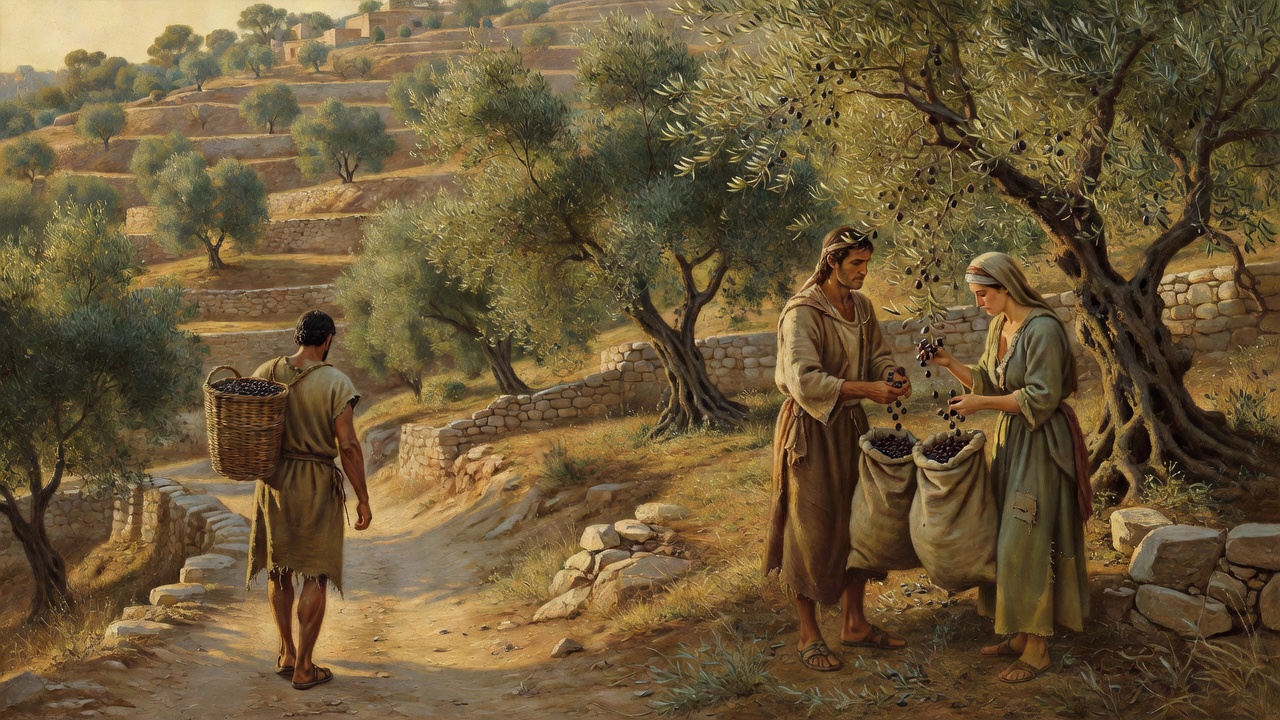
- Israelite harvesting laws required landowners to leave behind forgotten sheaves of grain, leftover olives, and grape gleanings for vulnerable groups: the resident foreigner, the orphan, and the widow. This social welfare system was grounded in the collective memory that the Israelites had once been oppressed slaves in Egypt.Sources: the Bible text itself · Egypt
- Debtors and hired workers were protected by explicit legal limits. Creditors were forbidden from entering a debtor's house to seize a pledge, taking essential millstones that provided a household's daily bread, or keeping an impoverished person's sleeping cloak past sunset, and day laborers had to be paid before nightfall.Sources: the Bible text itself
- When giving instructions concerning infectious skin diseases and the guidance of Levitical priests, the text points back to the affliction of Miriam, the sister of Moses and Aaron, during the wilderness journey following the Exodus from Egypt.Sources: the Bible text itself · Miriam · Egypt
Notes written with AI assistance from open sources (Theographic Bible Metadata, CC BY-SA 4.0; Easton’s Bible Dictionary, public domain) and reviewed before publishing.
Places in this chapter
Only places identified with high confidence are shown (90% or more according to the scholarly sources compiled by OpenBible). Period map: DARE (Digital Atlas of the Roman Empire), CC BY 4.0; modern map: © OpenStreetMap contributors; places: OpenBible.info (CC BY 4.0).
Credits and license for this translation
Bibiri Kuyie Nnɑ́ɑǹtì Pɑ́tíri
The Holy Bible in the Ditammari language of Benin
copyright © 2001 SIM International
Language: Ditammari
Translation by: SIM
This translation text is made available to you under the
terms of the Creative Commons License: Attribution-Noncommercial-No Derivative Works.
( http://creativecommons.org/licenses/by-nc-nd/3.0/ )
In addition, you have permission to port the text to different file formats, as long as you
do not change any of the text or punctuation of the Bible.
You may share, copy, distribute, transmit, and extract portions
or quotations from this work, provided that you include the above copyright
information:
You must give Attribution to the work.
You do not sell this work for a profit.
You do not make any derivative works that change any of the actual words or punctuation of the Scriptures.
Permissions beyond the scope of this license may be
available if you contact
us with your request.
This translation is made available to you under the terms of the
Creative Commons Attribution-No Derivatives license 4.0.
You may share and redistribute this Bible translation or extracts from it in any format, provided that:
You include the above copyright and source information.
You do not make any derivative works that change any of the actual words or punctuation of the Scriptures.
Pictures included with Scriptures and other documents on this site are licensed just for use with those Scriptures and documents.
For other uses, please contact the respective copyright owners.
2022-05-31
Source: http://ebible.org/tbzsim/ · eBible.org