Deuteronomy 14
Bibiri Kuyie Nnɑ́ɑǹtì Pɑ́tíri · Tap a verse to see its cross-references.
Kuyie nyí dɔ́mɛ̀ ku kɔbɛ ndɔɔri ikúkuɔ́
1Ti Yiɛ̀ nKuyie nkuù di te kɛ̀ di tú ku bí. Di bɑ́ nduɔku yoo dí nkuò di tĩ́ĩ̀ di kɑri dìì mɔ̀nnì mukṹṹ. 2Di tú ti Yiɛ̀ nKuyie nkɔbɛ mbɛ ti Yiɛ̀ nKuyie nkuù di te, kɛ di tɑ̃ɑ̃tɛ́ iwuɔ nyimɔu ìì bo kɛtenkɛ̀ ĩ́nkɛ̀ i miɛkɛ kɛ̀ di bo ntú kù te bɛ̀.
Isidɑyɛɛribɛ dò nkɛ́nyo nyìì wũɔ̃ nɛ̀ tìì wɑnwɑntì nɛ̀ bɛ̀ dò nkɛ́nci dɛ̀
3Kɛ̀ ti Yiɛ̀ nKuyie nyĩ di ci dɛ̀ di bɑ́ɑ́ dɛ̀ di. 4Ntɛnɛ̀ iwũɔ̃ di bo nyo nyì: Inɑ̀ɑ̀kɛ nɛ̀ ipe nɛ̀ sibɔɔ́. 5Tɛhontɛ̀ yɛyìè mpɛ́u kpɛtɛ nɛ̀ tɛhontɛ̀ pɛ́ítɛ̀ nɛ̀ tɛhontɛ̀ tɛ̀ɛ̀ dònnɛ̀ fɛpɛrifɛ̀ kɛ nɛ́ mɔkɛ yɛyìè nyɛ̀ɛ̀ yɑ̀ɑ̀ti nɛ̀ fɛsèfɛ̀ nɛ̀ tɛtɑ̃buɔtɛ̀ nɛ̀ tɛbuɔtɛ̀ nɛ̀ fɛwɑurìfɛ̀. 6Tiwɑnwɑntì nɛ̀ iwũɔ̃ dɛ̀ɛ̀ mɔ̀kɛ yɛkpɛ̀ɛ̀tɛ̀ yɛ̀ɛ̀ yɑ̀ɑ̀ti kɛ dukii di bo nɑ kɛ́ ndɛ̀ yo. 7Di bɑ́ɑ́ di yòyó nɛ̀ tɛhòntɛ̀ nɛ̀ disetiri dɛ̀ dùkìimu dɛ̀ mɛ nyí mɔkɛ yɛkpɛ̀ɛ̀tɛ̀ di dɛ̀ cimu, 8dɛfɔ̃̀nkùrɛ̀, dɛ̀ mɔ̀kɛmu yɛkpɛ̀ɛ̀tɛ̀ dɛ̀ mɛ nyí dukii, di bɑ́ ndɛ̀ yo ndɛmɔu di dɛ̀ cimu. Kɛ̀ dɛ̀ mɛ nku di bɑ́ɑ́ dɛ̀ kɑ̀ɑ́kɛ́.
9Ntɛnɛ̀ mɛniɛ mmiɛkɛ kpɛrɛ di bo nyo ndɛ̀, siyĩĩ sìì kó dimɑ̀ɑ̀ mɔ̀kɛ icietí nɛ̀ yɛyíɛ́kɛ̀. 10Di bɑ́ nyo nsìì í mɔkɛ icietí nɛ̀ yɛyíɛ́kɛ̀ di sì cimu.
11Di kó ikuɔ́ í ci sinɔɔ sìì kó dimɑ̀ɑ̀ di nsì yo. 12Di bɑ́ɑ́ di kumɑncònkù nɛ̀ kutɑ̃mɑncònkù nɛ̀ dɑ̀mɛ́ɛ̀rì kó fɛtúúfɛ̀. 13Ditúsɔ̀ù nɛ̀ kutúbotí kumɔu di bɑ́ ndɛ̀ yo. 14Fɛtúúfɛ̀ nɛ̀ kukɑ̃kɑ̃botí kumɔu. 15Fɛcònfɛ̀ diɛfɛ̀ nɛ̀ yɛondo kó kubotí kumɔu. 16Fɛcònfɛ̀ diɛfɛ̀ nɛ̀ dionduò nɛ̀ tiyɑ̀ɑ̀kompɛ́ítì kó kubotí kumɔu nɛ̀ kucĩrímbotí kumɔu. 17Dikonnɛ́you nɛ̀ yɛondo kó kubotí kumɔu nɛ̀ fɛkonkpɑ̀nfɛ̀. 18Kutenkɑtíkɑ̀dɑ́ɑ́kù nɛ̀ kukunɑɑkù nɛ̀ dikũ̀ntìbɑ́rì nɛ̀ kudéíkù.
19Tipumpùtì di bɑ́ ntì yo ndi dɛ̀ cimu. 20Di kó ikuɔ́ í ci sìì nɔɔ kó dimɑ̀ɑ̀ di nsì yo.
21Kɛ̀ fɛɔ̃̀fɛ̀ kú di bɑ́ɑ́ fɛ̀ di, dí fɛ̀ duɔ́ nhopɔ̀ɔ̀ wèè di bonɛ̀ kɛ̀ wèe di, yoo dí fɛ̀ nhò fìtɛ́nɛ̀. Di tú kubotí kùù cɑ̃̀ɑ̃́ nkù nku, kɛ̀ ti Yiɛ̀ nKuyie ndi te. Di níí bɑ́ɑ́ bénnɛ́ dibɔbii nɛ̀ di yɔ̃ miɛ̀.
Ti bo nduɔ̀mmɛ̀ Kuyie dɛpííndɛ̀
22Bɑ́ dìì benni di níí dɛitɛ di pɑɑ nkpɛrɛ dɛmɔu dɛ̀ɛ̀ tu dɛpííndɛ̀, tidiitì nɛ̀ mɛnɑɑ̀ mpɑ̀mmɛ̀ nɛ̀ mɛkùɔ̀, di níí dɛ̀ tɔní nɛ̀ iwũɔ̃ ketiyì inɑ̀ɑ̀kɛ nɛ̀ ipe nɛ̀ sibɔɔ́, kɛ́ dɛ̀ kɔ̀tɛnɛ̀ dibòrì kù tɑ̃ɑ̃tɛ́ dì, kɛ́ dɛ̀ di ku ììkɛ̀, kɛ̀ dɛ̀ɛ yie nkɛ̀ dí ndé ti Yiɛ̀ nKuyie nkùù di te sɑ̃́ɑ̃̀. 24Kɛ̀ dɛ yɛ̀mmɛ̀ ɑ cĩ́ɛ̃̀tɛ̀ bo ndɛ́tirìnɛ̀ ti Yiɛ̀ nKuyie nkùù dɑ te kù tɑ̃ɑ̃tɛ́ dìì bòrì, kɛ̀ ku yètìrì bo ndɛ̀ yu kɛ̀ ti Yiɛ̀ nKuyie nkùù dɑ te kɛ̀ kù dɑ dɔ̀ɔ̀ mɛsɑ̀ɑ̀ nkɛ̀ dɛ̀ sũ, 25ɑ́ túótɛ́ dɛ̀ɛ̀ tu dɛpííndɛ̀ kɛ́ dɛ̀ fìtɛ́ kɛ́ntɔ idíítí dɛ kó dibòrì ti Yiɛ̀ nKuyie nkùù dɑ te kù tɑ̃ɑ̃tɛ́ dìì bòrì dɛ kpɛ́í. 26Dɛborɛ̀ kɛ́dontɛ́ ɑ dɔ́ dɛ̀ɛ̀ kó dimɑ̀ɑ̀ inɑ̀ɑ̀kɛ, ipe nɛ̀ sibɔɔ́ nɛ̀ mɛnɑɑ̀ nnɛ̀ kunɑdɑɑkù kɛ́ dɛ̀ di, ti Yiɛ̀ nKuyie nkùù dɑ te ku ììkɛ̀, kɛ̀ diwɛ̀ì ndɑ bo fɔ̃́ nnɛ̀ ɑ cĩ́ɛ̃̀tɛ̀ kɔbɛ. 27Di bɑ́ɑ́ yɛ̃̀ nDefiibɛ bɛ̀ɛ̀ di bonɛ̀ bɛ kpɛ́í, kɛ yɛ̃́ bɛ̀ í mɔkɛmɛ̀ kɛtenkɛ̀.
28Kɛ̀ yɛbie nyɛ̀tɑ̃ɑ̃ti níí pɛ̃ɛ̃tɛ́, dí dennɛní dɛpííndɛ̀ di dɛ̀itɛ dɛ̀ɛ̀ kó dimɑ̀ɑ̀ kɛ́ dɛ̀ còú ndihɛì. 29Defiibɛ bɛ̀ɛ̀ di bonɛ̀ kɛ í mɔkɛ bɛ kó kɛtenkɛ̀ nɛ̀ bɛpɔ̀ɔ̀bɛ̀ nɛ̀ iciribí nɛ̀ bɛkúpobɛ̀ kɛ̀ bɛ̀ɛ pɛ́tɛ́ kɛ́di kɛ́nsɑ̀nnɛ̀. Kɛ̀ ti Yiɛ̀ nKuyie nkùù di te kɛ̀ kù di dɔ̀ɔ̀ mɛsɑ̀ɑ̀ ndi pĩ́ mùù tɔ̃mmú mumɔu miɛkɛ.
Did you know?
Dietary Regulations and Tithe Provisions
- The dietary laws in Deuteronomy 14 distinguish clean from unclean land animals based on two physical criteria: having completely divided hooves and chewing the cud. Aquatic creatures were considered clean for consumption only if they possessed both fins and scales.Sources: the Bible text itself
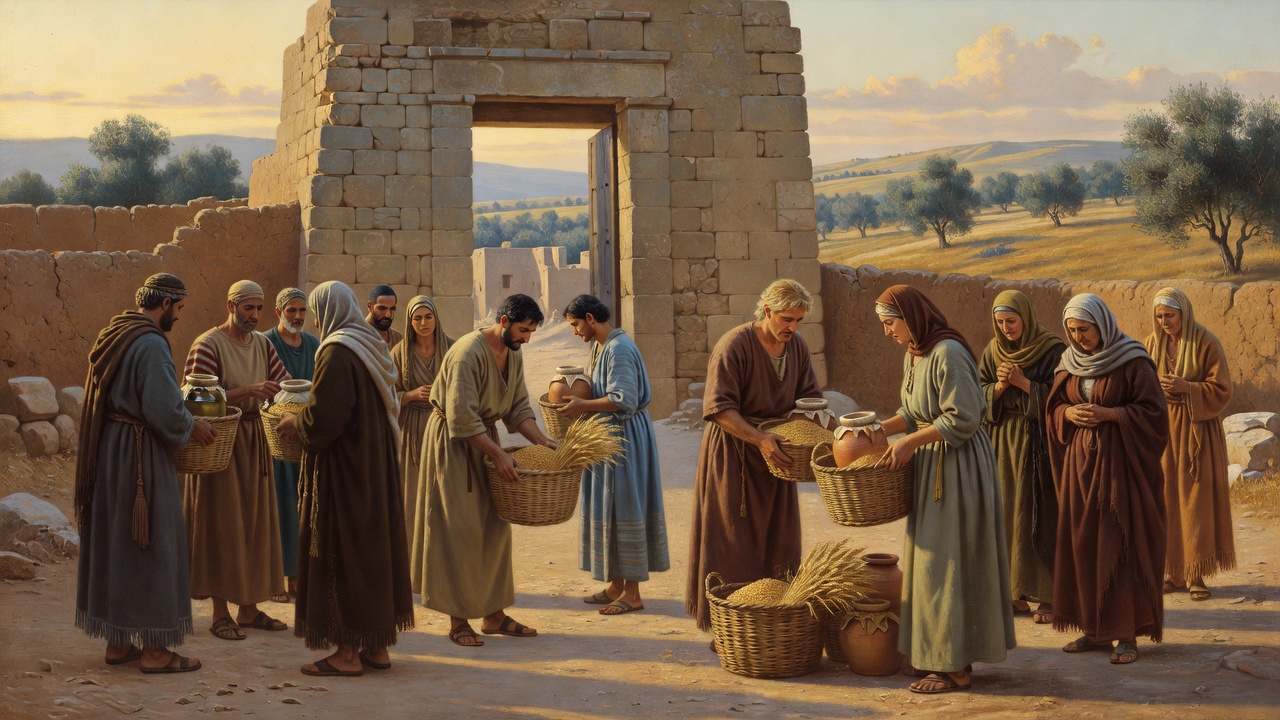
- To accommodate families who lived far from the designated sanctuary, the law allowed agricultural tithes to be converted into silver for travel. Upon arriving at the central sanctuary, worshippers could use the money to purchase festive food and drink to celebrate with their households.Sources: the Bible text itself
- Every third year, the annual tithe was gathered and stored within local towns rather than taken to the central sanctuary. This food was set aside to support community members without land inheritances, specifically Levites, resident foreigners, orphans, and widows.Sources: the Bible text itself
Notes written with AI assistance from open sources (Theographic Bible Metadata, CC BY-SA 4.0; Easton’s Bible Dictionary, public domain) and reviewed before publishing.
Credits and license for this translation
Bibiri Kuyie Nnɑ́ɑǹtì Pɑ́tíri
The Holy Bible in the Ditammari language of Benin
copyright © 2001 SIM International
Language: Ditammari
Translation by: SIM
This translation text is made available to you under the
terms of the Creative Commons License: Attribution-Noncommercial-No Derivative Works.
( http://creativecommons.org/licenses/by-nc-nd/3.0/ )
In addition, you have permission to port the text to different file formats, as long as you
do not change any of the text or punctuation of the Bible.
You may share, copy, distribute, transmit, and extract portions
or quotations from this work, provided that you include the above copyright
information:
You must give Attribution to the work.
You do not sell this work for a profit.
You do not make any derivative works that change any of the actual words or punctuation of the Scriptures.
Permissions beyond the scope of this license may be
available if you contact
us with your request.
This translation is made available to you under the terms of the
Creative Commons Attribution-No Derivatives license 4.0.
You may share and redistribute this Bible translation or extracts from it in any format, provided that:
You include the above copyright and source information.
You do not make any derivative works that change any of the actual words or punctuation of the Scriptures.
Pictures included with Scriptures and other documents on this site are licensed just for use with those Scriptures and documents.
For other uses, please contact the respective copyright owners.
2022-05-31
Source: http://ebible.org/tbzsim/ · eBible.org