Acts 7
Bibiri Kuyie Nnɑ́ɑǹtì Pɑ́tíri · Tap a verse to see its cross-references.
Etiɛnni nɑ̀kɛ́ tì
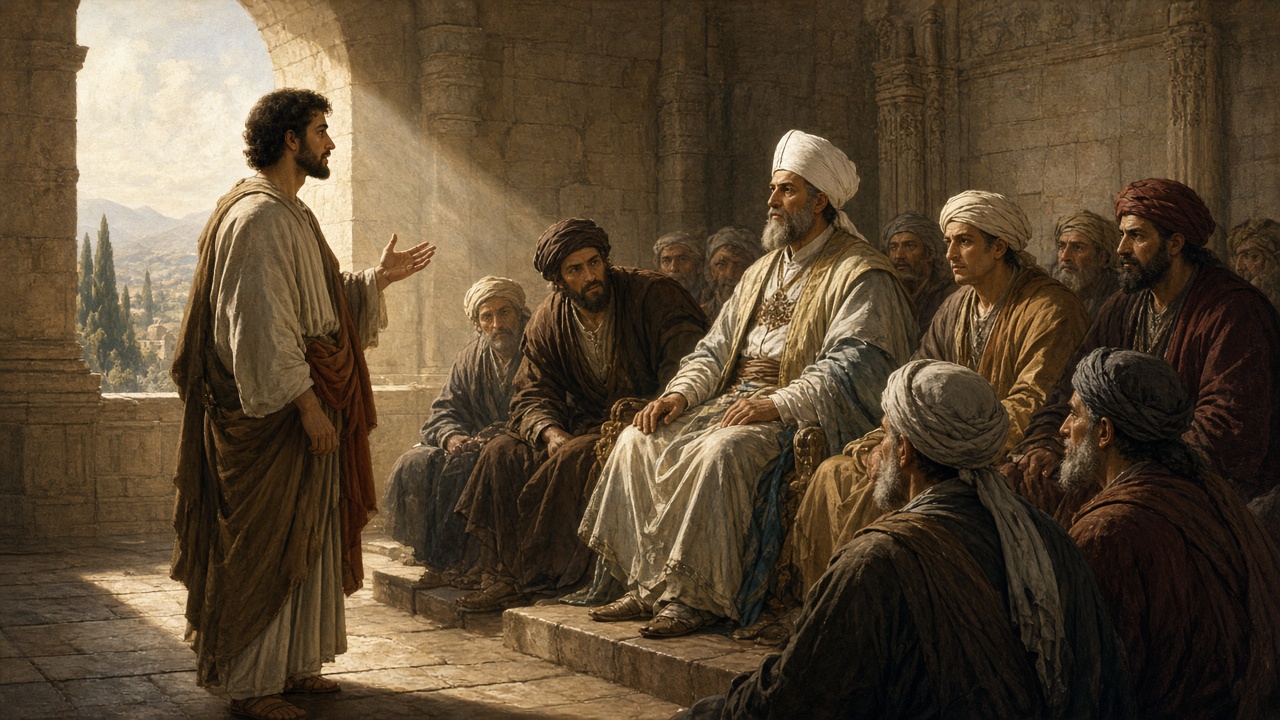
1Kɛ̀ Ikuɔ́ nìùtì diɛwèe bekɛ Etiɛnni kɛ dɔ̀: Bɛ̀ nɑ̀ɑ́ mɔ́mmuɔ nwɑɑ̀? 2Kɛ̀ Etiɛnnii bɛ́i nkɛ dɔ̀: N tebìí nɛ̀ n cicɛbɛ̀ kéntɛ́nɛ̀ kɛ́keè, Kuyie nnɛ̀ ku kó tikpetì kuù do bɛnkɛ kumɑ́ɑ̀ ti yɑ̀ɑ̀rì Abɑrɑhɑmmu ò kpɑɑ́ bo dìì mɔ̀nnì Mɛsopotɑmii kɛ mu nyí kò Anɑɑ, 3kóò nɑ̀kɛ́ kɛ dɔ̀: Yóu ɑ cĩ́ɛ̃̀tɛ̀ kɔbɛ nɛ̀ ɑ ɛì kɛ́kɔtɛ dihɛì n yóó dɑ bɛnkɛ dì. 4Mɛm̀mɛ kɛ̀ Abɑrɑhɑmmuu ítɛ́ Kɑndee kɛ́kò Anɑɑ, kòo cicɛɛ kú. Kɛ̀ Kuyie nhò sɔɔ́nnɛ̀nní di mɛ̀ mbo dìì ɛì miɛkɛ yíe. 5Kuyie nyí nhò duɔ́ nkɛtenkɛ̀ dɛborɛ̀ bɑ́ sɑ́m̀pɔ́, kɛ nɛ́ ò nɑ̀kɛ́ kɛ dɔ̀ kù bo ò duɔ́ ndɛ kó dihɛì kòo yɑɑ̀bí di tiekɛ kɛ sɔ̃́ nhò nyí mɔkɛ dɛbirɛ. 6Kɛ̀ Kuyie nhò nɑ̀kɛ́ kɛ dɔ̀: A yɑɑ̀bí bo kɔtɛ bɛtɔbɛ̀ ciɛ kɛ́nɑɑ́ ntidɑɑtì kɛ̀ bɛ̀ɛ ì fɛ̃́ũ nyɛbie sikɔusìnɑ̀ɑ̀ (400) miɛkɛ. 7Kɛ̀ n fɛ̃́ũ ndɛ kó bɛnìtìbɛ̀ kɛ̀ ìi ítɛ́ kɛ pĩ́ n tɔ̃mmú diɛ ndi nhɛì miɛkɛ. 8Kɛ̀ Kuyie ntɑunnɛ̀ kumɑ́ɑ̀ Abɑrɑhɑmmu kɛ dɔ̀ bɛ̀ ncɑ̃mmù. Mɛm̀mɛ kɛ̀ Abɑrɑhɑmmuu pɛitɛ́ Isɑki kóò cɑ̃ntɛ́ diyiè niínnì yiè, kɛ̀ bɛ̀ɛ mɛ nsɔɔtɛ́. Kɛ̀ Isɑkii pɛitɛ́ Sɑkɔbu kóò cɑ̃ntɛ́ kɛ̀ Sɑkɔbuu cɑ̃mmú ti yɑ̀ɑ̀rìbɛ̀ tɛpíítɛ̀ nɛ̀ bɛ̀dɛ́bɛ̀.
9Kɛ̀ ti yɑ̀ɑ̀rìbɛ̀ miɛkɛ mpɛ́ì bɛ tèbitɛ Sosɛfu, kɛ̀ bɛ̀ɛ ò fìtɛ́ kòò bo nɑɑ́ nkudɑɑkù Esibiti miɛkɛ. 10Kɛ̀ Kuyie mɛ nní nhò bonɛ̀, koò dɛɛrí kóò duɔ́ mmɛciì nkòo kpɑ̀ɑ̀tìi ò pɛ́nsìrì, kóò duɔ́ nho cĩ́ɛ̃̀tɛ̀ tɛmɔu kòò mbɑkɛ́. 11Kɛ̀ dikònnì diɛrìi tɑnní Esibiti omɔu nɛ̀ Kɑnnɑhɑ̃ɑ̃ kɛ̀ dɛ̀ nyóù, bɑ́ ti yɛmbɛ̀ í mpɛ̀tɛ́ bɛ̀ bo di mù. 12Kɛ̀ Sɑkɔbuu keè tidiitì bomɛ̀ Esibiti kɛ́tɔ̃ nti yɑ̀ɑ̀rìbɛ̀ mɛketimɛ̀. 13Kɛ̀ bɛ̀ɛ wɛ̃tɛ mɛdɛ́rímɛ̀ kɛ̀ Sosɛfuu bɛ̀ bɛnkɛ omɑ́ɑ̀, kòo kpɑ̀ɑ̀tìi bɑntɛ́ ò kɔbɛ tú bɛ̀. 14Kɛ̀ Sosɛfuu tɔ̃ nkɛ̀ bɛ̀ bo yúní o cicɛ Sɑkɔbu nɛ̀ o cĩ́ɛ̃̀tɛ̀ kɔbɛ bɛmɔu sipísìyiekɛ̀ nɛ̀ bɛ̀nùmmù. 15Mɛm̀mɛ kɛ̀ bɛ̀ɛ kò nhEsibiti Sɑkɔbu dɛ nku, kɛ̀ ti yɛmbɛ̀ múnkɛ dɛ nku. 16Kɛ̀ bɛ̀ɛ bɛ̀ tɔ kɛ́kũnnɛ́ Sisɛmmu Abɑrɑhɑmmu do dontɛ́ kùù fɔ̃ti nɛ̀ idíítí Emɔɔ bí borɛ̀.
17Kɛ̀ dɛ̀ɛ tuɔkɛ Kuyie ndo nɑ̀kɛ́ tì Abɑrɑhɑmmuu ti bo dɔɔ̀mɛ̀, kɛ̀ ti kó kubotíi sṹṹ mmɛdiɛ̀ Esibiti miɛkɛ. 18Kòo kpɑ̀ɑ̀tì pɑ̀nwè mɔùu buotɛ́ wèè í yɛ̃́ Sosɛfu, 19kɛ́nyóù mɛdiɛ̀ nkɛ sénnìnnɛ ti yɛmbɛ̀, kɛ́ n duɔ̀ nkɛ̀ bɛ̀ mbuɔ̀nko bɛ bí kɛ̀ ì kɔ̃. 20Dɛ mɔ̀nnì ndi bɛ̀ pɛitɛ́mɛ̀ Mɔyiisi kòo nwenni, kɛ̀ Kuyie nni nhò dɔ́, kɛ̀ bɛ̀ nhò yùɔ̀ri o cicɛ cĩ́ɛ̃̀tɛ̀ miɛkɛ, kòò mmɔkɛ bɛtɑ̃̀ɑ̃̀bɛ̀ bɛ̀tɑ̃ɑ̃ti 21kɛ̀ bɛ̀ɛ ò bɔntóo, kɛ̀ Esibiti kóo kpɑ̀ɑ̀tì kóo sɑpɑ̀ɑ̀ nhò tùótɛ́ kɛ́ nhò yùɔ̀ri kɛ dò nho birɛ mɔ́mmɔndɛ. 22Kɛ̀ Mɔyiisi bɛbíí Esibiti kó mɛciì mmɛmɔu kɛ́nnɔ mmutɔ̃mmú kɛ yɛ̃́ tinɑ́ɑǹtì.
23Ò tùɔ̀kɛ dìì mɔ̀nnì yɛbie nsipísìnɑ̀ɑ̀ kɛ́tɑ̃ɑ̃tɛ́ kɛ́kɔtɛ kɛ bo yɑ̀ o kɔbɛ Isidɑyɛɛribɛ, 24kɛ́nsɔ̃́ Esibiti kou puotì Isidɑyɛɛribɛ kou, kòo kónnɛ́ o botí kou, kɛ́potɛ́ Esibiti kou kɛ́kuɔ. 25Kòo yɛ̀mmɛ ńdò nho kɔbɛ bo bɑntɛ́ Kuyie nyóó duɔ́mmɛ̀ kɛ̀ weè bɛ̀ dɛɛtɛ́. Bɛ̀ mɛ nyí mbɑntɛ́. 26Kɛ̀ dɛ̀ɛ wentɛ́ kòo tó nsɔ̃́ Isidɑyɛɛribɛ mɑ́ɑ̀ kpɑ̀, kòo mbɛ̀ pɑ̀ɑ̀tì kɛ dɔ̀: N kɔbɛ dɛ̀ yĩ́mɛ kɛ̀ di kpɑ díndi kubotí kùmɑ́ɑ̀ kɔbɛ? 27Wèè do dɔ́ kɛ́nɑ otɔù kòo bɑɑo kɛ dɔ̀: We ndɑ pĩ ntikpɑ̀tì kɑ̀ɑ bo nti bekùnɛ̀? 28A dɔ́ kɛ́ n kuɔ ɑ wee kùɔmɛ̀ mmɛ Esibiti kouɑ̀? 29Kɛ̀ Mɔyiisi tì kèè kɛ́cokɛ́ kɛ́kɔtɛ Mɑndiyɑ̃ɑ̃ kó kɛtenkɛ̀ kɛ́ nkɛ mbo kɛ́mɔɔtɛ ibí ìdɛ́ì.
30Yɛbie sipísìnɑ̀ɑ̀ kó difɔ̃nkúò kɛ̀ Kuyie ntɔ̃nnìi kɔtɛní o borɛ̀ Sinɑii kó ditɑ̃rì tɑkɛ́, dikpɑ́ɑ̀ cuokɛ̀ difɑ̃pèù mɑrì miɛkɛ kɛ̀ di cɔ̀ú. 31Kɛ̀ Mɔyiisi dɛ̀ yɑ̀ kɛ̀ dɛ̀ɛ ò di kòò ntɔ́ɔntoo kɛ bo dɔ̀kɛ wéntɛ́, kɛ́keè ti Yiɛ̀ nKuyie ntɑmmɛ̀ kɛ̀ mɛ̀ tu: 32Míì tu Kuyie nhɑ yɛmbɛ̀ Abɑrɑhɑmmu, Isɑki nɛ̀ Sɑkɔbu bɛ̀ do tũ nkù, kɛ̀ Mɔyiisi kɔ̃̀ntì ńhɑu ò í ndɑ̀ɑ́tí kɛ́wéntɛ́. 33Kɛ̀ Ti Yiɛ̀ nKuyie nhò nɑ̀kɛ́ kɛ dɔ̀: Dɛitɛ ɑ nɛùtì ɑ cómmú kɛ̀ɛ̀ tenkɛ̀ tú Kuyie nkɔkɛ nkɛ. 34N yɑ̀ n kó ibí fɛ̃́ṹrìmɛ̀ mmɛ Esibiti ɛì miɛkɛ, kɛ kèè i dɑbùò nkɛ cùtɛ́ní kɛ bo ì dɛɛtɛ́ kɛ yóó dɑ tɔ̃ nhEsibiti.
35Mɔyiisi Isidɑyɛɛribɛ do yetɛ wè kɛ dɔ̀: We ndɑ pĩ ntikpɑ̀tì kɑ̀ɑ ti bekùnɛ̀, Kuyie nwɛ̃̀tɛ kɛ we ntɔ̃nní kòo nɑɑ́ mbɛ kóo kpɑ̀ɑ̀tì, bɛ dɛɛtíwè nɛ̀ Kuyie ntɔ̃nnì ò do yɑ̀ dì difɑ̃pèù miɛkɛ di kó mɛteèmmɛ̀. 36Weè bɛ̀ dènnɛ tidɑɑtì miɛkɛ, kɛ dɔ̀ɔ̀ tidiɛtì Esibiti miɛkɛ nɛ̀ dɑ̀mɛ́ɛ̀rì wũɔ̃wè miɛkɛ nɛ̀ dikpɑ́ɑ̀ miɛkɛ yɛbie nsipísìnɑ̀ɑ̀. 37Weè do bɛ̀ nɑ̀kɛ́ kɛ dɔ̀: Kuyie mbo di duɔnní ku pɑ̃ɑ̃nɑ́ɑǹtì nɑ́ɑǹtò mɔù, di botí kou, kòo nni ndònnɛ̀. 38Weè do bonɛ̀ Isidɑyɛɛribɛ ti yɛmbɛ̀ dikpɑ́ɑ̀ cuokɛ̀ bɛ̀ do tíkù dɛ̀ Sinɑii tɑ̃rì, kɛ̀ Kuyie ntɔ̃nnì ò nɑ̀ɑ́nnɛ̀, Kuyie nwe nduɔ́ mmufòmmu kó tinɑ́ɑǹtì, kòò tì nti tùo.
39Kɛ̀ ti yɛmbɛ̀ɛ yetɛ o kpɛti kóò bɑ̀ɑ̀o kɛ́ndɔ́ kɛ́wɛ̃tɛ Esibiti. 40Kɛ nɑ́kɛ́ Anɔɔ kɛ dɔ̀: Ti í yɛ̃́ tìì tùɔ̀kɛní Mɔyiisi wèè ti dènnɛní Esibiti. Tí dɔɔ̀ Kuyie nkùù nti dònnɛ̀. 41Kɛ̀ bɛ̀ɛ dɔɔ̀ mɛsɔɔ nkɛ̀ dɛ̀ ndò nkunɑɑbiiku, kɛ̀ bɛ̀ɛ kù fìé iwũɔ̃, kɛ́nyɑ̃nku nɛ̀ bɛ̀ dɔ̀ɔ̀ dɛ̀ bɛ mɔ́mmɔmbɛ dɛ kpɛ́í. 42Mɛm̀mɛ kɛ̀ Kuyie mbɛ̀ yóu kɛ̀ bɛ̀ mbɑ́ɑ́ ndiyiè nɛ̀ otɑ̃̀nkù nɛ̀ siwɑ̃̀ɑ̃, kɛ́ndònnɛ̀ tì wɑ̃̀rimɛ̀ Kuyie mpɑ̃ɑ̃nɑ́ɑǹtì nɑ́ɑǹtò pɑ́tíri miɛkɛ kɛ tú:
Isidɑyɛɛribɛ,
di do n feumu iwũɔ̃ yɛbie nsipísìnɑ̀ɑ̀
di do dɔ̀ɔ̀ yɛ̀ dikpɑ́ɑ̀ miɛkɑɑ̀?
43Di do dɔ̀ɔ̀ dibɔɔ̀ Mɔdɔki tenkɑɑnìtɛ̀ ntɛ
nɛ̀ Defɑ̃ɑ̃ kó tɛwɑ̃̀tɛ̀ kɛ̀ ndɛ bɑ́ɑ́.
Dɛɛ̀ te kɛ̀ n yóó di dennɛ
kɛ di pɛ̃ɛ̃ mBɑbidɔnni.
44Ti yɛmbɛ̀ do mɔkɛ Kuyie nkó ditou ndi dikpɑ́ɑ̀ cuokɛ̀, Mɔyiisi do dɔ̀ɔ̀ dì kɛ̀ di ndònnɛ̀ Kuyie nyɛ̃ nwèe dì dɔ̀ɔ̀ kɛ̀ dì ndòmmɛ̀ kù do dì nhò bɛnkɛ kɛ̀ dì ndòmmɛ̀. 45Kɛ̀ bɛ̀ ndi tɔuti kɛ̀ Sosuwee yɑ̀ɑ̀ bɛ̀ tɑnnɛ́ dihɛì Kuyie ndo bɛ̀ti dìì miɛkɛ bɛ̀ɛ̀ í kù tũ̀. Kɛ̀ dì mbo kɛ́tuɔkɛnɛ̀ Dɑfiti kó dimɔ̀nnì. 46Kòò dɔ̀: Ò bo mɑɑ́ Kuyie nSɑkɔbu do tũ nkù tɛcĩ́ɛ̃̀tɛ̀ kɛ yɛ̃́ kù ò dɔ̀ɔ̀mɛ̀ mɛsɑ̀ɑ̀. 47Nɛ̀ mɛmmɛ kòo birɛ Sɑdomɔɔ weè nɛ́ kù mɑɑ́ tɛcĩ́ɛ̃̀tɛ̀.
48Kuyie nkùù bo kɛĩ́nkɛ̀ kù í ɑ̃ bɛnìtìbɛ̀ mɑɑ́ sìì cɛ̃́ĩ miɛkɛ, Kuyie mpɑ̃ɑ̃nɑ́ɑǹtì nɑ́ɑǹtò bɛ́immu kɛ yĩ: 49Kuyie ntu:
Kɛĩ́nkɛ̀ tu n kpɑ̀ɑ̀tìkɑ̀rì,
kɛ̀ kɛtenkɛ̀ tu n nɑcɛ̀dɑɑ́nnì.
Ɔ̃ndi bòrì ndi n dò nkɛ́om̀pɛ̀mɛ̀?
50Dɛ̀ í tú míì dɛ̀ dɔ̀ɔ̀ dɛmɔuɑ̀?
51Kɛ̀ Etiɛnnii sɔɔtɛ́ kɛ́bɛ́i nkɛ dɔ̀: Di to yɛɛ̀ kpeńnì di yɛmbɛ̀ kpɛyɛ do dòmmɛ̀, di í dɔ́ kɛ́keè Kuyie nkpɛti, kɛ yetírí Muyɑɑ́nsɑ̀ɑ̀mù yɛ̃ mmù sɑ̃́ɑ̃̀. 52Di yɛmbɛ̀ do fɛ̃́ũmmu Kuyie mpɑ̃ɑ̃nɑ́ɑǹtì nɑ́ɑm̀bɛ̀ bɛmɔu, kɛ́kuɔ bɛ̀ɛ̀ nɑ̀ɑ́ nhowenniwe kɔrinímɛ̀, kòò kɔ̀tɛní, kɛ̀ di ò fìtɛ́ koò kùɔ. 53Kuyie ntɔ̃rɛ̀ di duɔ́mmu Kuyie nkó ikuɔ́ bɑ́ di í yie nkɛ ì tũ̀nnɛ.
Bɛ̀ bùɔ́tímɛ̀ Etiɛnni yɛtɑ̃́rɛ̀ kɛ kùɔ
54Kɛ̀ bɛbeémbɛ̀ɛ tì kèè kɛ̀ bɛ miɛkɛɛ pɛikɛ Etiɛnni kɛ̀ bɛ̀ɛ mɑɑ́ nyɛbìɛ̀ nhEtiɛnni kpɛ́í. 55Kɛ̀ Muyɑɑ́nsɑ̀ɑ̀mù mpíɛ́kɛ́ Etiɛnni kòò bùɔ́ kɛĩ́nkɛ̀, kɛ́yɑ̀ Kuyie nkó tikpetì kɛ̀ Yesu cómmú Kuyie mbɑkù yoú. 56Kòo bɛ́i nkɛ dɔ̀: Kɛĩ́nkɛ̀ kpetɛ́mu kɛ̀ n wùó nhOnìtìbirɛ kɛ̀ dɛ̀ còḿmú Kuyie mbɑkù yoú.
57Kɛ̀ bɛ̀ɛ pi bɛ to kɛ́wekii mɛdiɛ̀, kɛ́bunnɔ́ɔ bɛmɔu o bíɛ́kɛ̀. 58Kóò dènnɛ dihɛì mɑ̀nku kóò bùɔ́tí yɛtɑ̃́rɛ̀ kɛ́bɑnnɛ bɛ yɑ̀ɑ̀tì odɑpɑ̀ɑ̀ mmɔù kòo yètìrì tu Sɔɔri. 59Kɛ̀ bɛ̀ mbuɔti Etiɛnni yɛtɑ̃́rɛ̀, kòo bɑ́ntɛ̀ Kuyie nkɛ dɔ̀: N Yiɛ̀ nYesu cɔutɛ́ n wɛ̃nnì.
60Kɛ́deè kɛ́do kɛ́nínkú kɛ́pĩɛ̃kɛ́ kɛ dɔ̀: N Yiɛ̀ mbɑ́ɑ́ bɛ̀ yietí bɛ yɛi!
Ò bɛ́i mmɛmmɛ kɛ́kú.
Did you know?
Stephen retells Israel's story
- Stephen opens his speech with Abraham still in Mesopotamia, before he settled in Haran, when he was told to leave his country and his kindred. Mesopotamia—Hebrew Aram-naharaim, “Syria of the two rivers”—was the name Greeks and Romans gave the region between the Euphrates and the Tigris; the Old Testament also calls it Padan-aram, “the plain of Aram,” and the north of that plateau was the early home of the Hebrews’ ancestors. Easton's Bible Dictionary (1897) notes that this first call is not mentioned in the Old Testament, though Genesis 12 implies it, and that Abraham left Ur in Chaldea and traveled about 300 miles north to Haran.Sources: the Bible text itself · Mesopotamia · Abraham
- Stephen says the bones of Jacob and the fathers were carried back to Shechem and placed in the tomb Abraham had bought from the sons of Hamor. Easton's Bible Dictionary (1897) identifies Hamor as a Hivite whose name means “he-ass,” notes that Acts 7:16 calls him Emmor, and says Jacob bought from him the plot at Shechem in which Joseph was later buried. The entry adds that Hamor’s son Shechem founded the city that took his name.Sources: the Bible text itself · Hamor
- Stephen places the burning bush in the desert near Mount Sinai and says Moses received living words there from the angel who spoke to him on the mountain. Easton's Bible Dictionary (1897) treats Sinai—a name linked with Sin, a moon god—as the same mountain district also called Horeb. The entry says the Hebrews reached that region in the third month after the Exodus, after a journey of about 150 miles from the Red Sea, including all the windings of the route, and remained encamped for about a year.Sources: the Bible text itself · Mount Sinai
Notes written with AI assistance from open sources (Theographic Bible Metadata, CC BY-SA 4.0; Easton’s Bible Dictionary, public domain) and reviewed before publishing.
Places in this chapter
- Haran · Today: Harran · 36.864, 39.033 · verses 2, 4
- Mesopotamia · Today: Aram-naharaim · 36.864, 39.033 · verse 2
- Chaldea · 30.962, 46.104 · verse 4
- Egypt · 30.129, 31.308 · verses 9, 10, 11, 12, 14, 15, 17, 18, 34, 36, 39, 40
- Canaan · 32.767, 35.333 · verse 11
- Shechem · Today: Tell Balatah · 32.214, 35.282 · verse 16
- Nile · Today: Nile River · 31.465, 30.367 · verse 19
- Midian · 28.495, 35.012 · verse 29
- Babylon · 32.543, 44.422 · verse 43
Only places identified with high confidence are shown (90% or more according to the scholarly sources compiled by OpenBible). Period map: DARE (Digital Atlas of the Roman Empire), CC BY 4.0; modern map: © OpenStreetMap contributors; places: OpenBible.info (CC BY 4.0).
Credits and license for this translation
Bibiri Kuyie Nnɑ́ɑǹtì Pɑ́tíri
The Holy Bible in the Ditammari language of Benin
copyright © 2001 SIM International
Language: Ditammari
Translation by: SIM
This translation text is made available to you under the
terms of the Creative Commons License: Attribution-Noncommercial-No Derivative Works.
( http://creativecommons.org/licenses/by-nc-nd/3.0/ )
In addition, you have permission to port the text to different file formats, as long as you
do not change any of the text or punctuation of the Bible.
You may share, copy, distribute, transmit, and extract portions
or quotations from this work, provided that you include the above copyright
information:
You must give Attribution to the work.
You do not sell this work for a profit.
You do not make any derivative works that change any of the actual words or punctuation of the Scriptures.
Permissions beyond the scope of this license may be
available if you contact
us with your request.
This translation is made available to you under the terms of the
Creative Commons Attribution-No Derivatives license 4.0.
You may share and redistribute this Bible translation or extracts from it in any format, provided that:
You include the above copyright and source information.
You do not make any derivative works that change any of the actual words or punctuation of the Scriptures.
Pictures included with Scriptures and other documents on this site are licensed just for use with those Scriptures and documents.
For other uses, please contact the respective copyright owners.
2022-05-31
Source: http://ebible.org/tbzsim/ · eBible.org