2 Kings 19
Bibiri Kuyie Nnɑ́ɑǹtì Pɑ́tíri · Tap a verse to see its cross-references.
Esekiɑsi beémmɛ̀ Kuyie mpɑ̃ɑ̃nɑ́ɑǹtì nɑ́ɑǹtò Esɑii o kpɛti
1Okpɑ̀ɑ̀tì Esekiɑsi ti kèè dìì mɔ̀nnì kòo yɛ̀mmɛ̀ɛ cɑɑ̀rɛ̀ kòo kɛ̃rí o yɑ̀ɑ̀tì kɛ dɑ́ɑ́tí kufɔ̀ɔ̀tɔ̃̀nkù kɛ́ntɑti ti Yiɛ̀ nKuyie ncĩ́ɛ̃̀tɛ̀, 2kɛ́tɔ̃ nhEdiɑkimmu wèè kòtí tɛkpɑ̀ɑ̀tìcĩ́ɛ̃̀tɛ̀ nɛ̀ o pɑ́tíwɑ̃ɑ̃̀tì Sebunɑ nɛ̀ ikuɔ́ nìùbɛ̀ bɛ̀ɛ̀ tu bɛkótíbɛ̀ kɛ dɔ̀ bɛ̀ ndɑ́ɑ́tí tifɔ̀ɔ̀tɔ̃̀ntì kɛ́kɔtɛ Amɔti birɛ Esɑii Kuyie mpɑ̃ɑ̃nɑ́ɑǹtì nɑ́ɑǹtò borɛ̀. 3Kóò nɑ̀kɛ́ kɛ dɔ̀: Okpɑ̀ɑ̀tì Esekiɑsi tu tí dɑ nɑ́kɛ́ kɛ dɔ̀: Yíe nkó diyiè tu mɛyɛǹcɑɑ̀rìmɛ̀ kpɛri ndi, ti pɑ̀kɛ́mu, Kuyie nkuù ti potɛ́ kɛ ti di ifɛi. Ti kpɛrɛ dònnɛ̀ kupɛitɛ́yonku ɔ̃ɔ̃ ítɛ́ mɛ̀mmɛ onitipòkù kɛ̀ muwɛ̃rímú nɛ́ ò dòńtɛ́ ò bo nɔrímɛ̀ kɛ̀ dɛbirɛɛ yɛ̀nní. 4Kɛ̀ dɛ̀ nɑɑti ti Yiɛ̀ nKuyie nhɑ tũ nkù bo nkeè Asidii kóo kpɑ̀ɑ̀tì tɔ̃nní wèè ni o ɑ̃ɑ̃pɔ̀mbɛ̀, kòo kù sɑ̃̀ḿmú mɛ̀ɛ̀ botí kɛ bo ò potɛ́ yɛsɑ̃́ɑ̃̀mbɛ̀ ò kù sɑ̃̀ḿmú yɛ̀ɛ̀ kpɛ́í. A nɛ́ kù bɑ̀ńtɛ̀ ku kɔbɛ bɛ̀ɛ kpɑɑ́ bɛ kpɛ́í.
5Kòo kpɑ̀ɑ̀tì Esekiɑsi kó yɛtɔ̃rɛ̀ɛ tuɔkoo Esɑii borɛ̀. 6Kòo yɛ̀ nɑ̀kɛ́ kɛ dɔ̀: Ti Yiɛ̀ nKuyie ntu dí nɑ́kɛ́ okpɑ̀ɑ̀tì Esekiɑsi kɛ dɔ̀ o kɔ̃m̀bùɔ̀tì bɑ́ nduò ò kèè tìì nɑ́ɑǹtì nɛ̀ yɛsɑ̃́ɑ̃̀mbɛ̀ Asidii kóo kpɑ̀ɑ̀tì tɔ̃nní kɛ̀ bɛ̀ kù sɑ̃̀ḿmú yɛ̀ kpɛ́í. 7Ti Yiɛ̀ nKuyie ntu kuù mɔ́mmɔnku yóó ò ɑ̃nnɛ́ mɛyɛ̀mmɛ̀ mɛ̀ɛ̀ bo nte kòo keè tinɑ́ɑǹtì mɑtì kɛ́kò nho ciɛ kɛ̀ kùu duɔ́ nkɛ̀ bɛ̀ɛ kɛ̀ nhò kùɔ.
Asidii kóo kpɑ̀ɑ̀tì wɑ̃̀ri dìì pɑ́tíri kɛ bo donnɛ́ Sedisɑdɛmmu kɔbɛ kɔ̃m̀bùɔ̀tì
8Mɛm̀mɛ wèè ni Asidii kó bɛhɑ̃ɑ̃pɔ̀mbɛ̀ ò kèèmɛ̀ Asidii kóo kpɑ̀ɑ̀tì ìtɛ́mɛ̀ Dɑkiisi kɛ kɔ̀tɛ kɛ do Dibunɑ mudoò, kòo kɛ nhò sɔ̃̀ńtóo. 9Asidii kóo kpɑ̀ɑ̀tì do kèè Etiopii kóo kpɑ̀ɑ̀tì Tiidɑkɑɑ kɔ̀riní mɛ̀mmɛ kɛ bo ò do mudoò. Kòo yíɛ́ tɔ̃ nkɛ dɔ̀ bɛ̀ɛ nɑ́kɛ́ Esekiɑsi kɛ dɔ̀: 10Asidii kóo kpɑ̀ɑ̀tì tu ti dɑ nɑ́kɛ́ kɛ dɔ̀: Kuyie nhɑ duɔ́ nkù ɑ yɛ̀mmɛ̀ kù bɑ́ɑ́ dɑ soutɛ́ kɑ̀ɑ yɛ̀mmɛ̀ ndò nhò í yóó pɔntɛ Sedisɑdɛmmu. 11A mɔ́mmuɔ nhɑ kèèmu wenwe Asidii kóo kpɑ̀ɑ̀tì ò dɔ̀ɔ̀ dɛ̀ yɛhɛkɛ̀ tɛyɛ̀, ò yɛ̀ kùɔmɛ̀ yɛmɔu pɑ́íí, kɛ̀ fɔ̃́ nyɛ̀mmɛ̀ nɛ́ dò nkù bo dɑ coonnɑɑ̀? 12Kosɑ̃ɑ̃ nɛ̀ Anɑɑ kpɛri nɛ̀ Desɛfu kpɛri nɛ̀ Edennibɛ bɛ̀ɛ̀ do bo Tedɑsɑɑ dɛ kó ibotí yɛmbɛ̀ ò kùɔ ì i bɔkɛ̀ nɑ kɛ ì dɛɛtɑ́ɑ̀? 13Amɑti nɛ̀ Adipɑdi nɛ̀ Dɑyii nɛ̀ Sefɑdifɑimmu nɛ̀ Enɑɑ nɛ̀ Ifɑ yɛ kpɑ̀ɑ̀tìbɛ̀ bo dɛ?
Esekiɑsi bɑ́ntɛ̀mɛ̀ Kuyie
14Kɛ̀ Esekiɑsii cɔutɛ́ dipɑ́tíri yɛtɔ̃rɛ̀ nɔu miɛkɛ kɛ́kɑɑ nkɛ́deè kɛ́tɑ ti Yiɛ̀ nKuyie ncĩ́ɛ̃̀tɛ̀ kɛ́ dì pĩ̀ntɛ ti Yiɛ̀ nKuyie nyììkɛ̀, 15kɛ́ kù bɑ́ntɛ̀ kɛ dɔ̀: Ti Yiɛ̀ nKuyie nyIsidɑyɛɛribɛ tũ nkù, fɔ̃́ nwèè kɑ̀ri ɑ tɑummɛ̀ tɔu bɛĩ́nkɛ̀mbɑ̀rìbɛ̀ fèntì ĩ́nkɛ̀, fɔ̃́ɔ̃̀ bɑkɛ́ yɛkpɑ̀ɑ̀tìyɔ yɛmɔu yɛ̀ɛ̀ bo kɛtenkɛ̀. Fɔ̃́ nwèè dɔ̀ɔ̀ kɛtenkɛ̀ nɛ̀ kɛĩ́nkɛ̀. 16Ti Yiɛ̀ nKuyie n dɑ bɑ́ɑ́mmu kéntɛ́ kɛ́keè! Sĩ́nnɛ́ní kɛ́yɑ̀! A bomu fɔ̃́ nti Yiɛ̀ nKuyie, keè Sennɑkedibu dɑ sɑ̃́ɑ̃́mmɛ̀. 17Ti Yiɛ̀ nKuyie! Mɔ́mmuɔ nwe nhAsidii kó bɛkpɑ̀ɑ̀tìbɛ̀ dèèmɛ̀ ibotí tɛì kó yɛhɛkɛ̀ yɛmɔu. 18Kɛ cɔ́u mbɛ bɔɔtenkɑɑnìi, bɛnìtìbɛ̀ bɛɛ̀ sì dɔ̀ɔ̀, sì í dɑ dònnɛ̀ fɔ̃́ nKuyie. Sì tu idɛí nyi nɛ̀ yɛtɑ̃́rɛ̀. 19Ti Yiɛ̀ nKuyie nhɑ ti dɛɛtɛ́nɛ̀ Sennɑkedibu kɛ̀ dɛ̀ɛ yie nkɛ̀ kɛtenkɛ̀ kó yɛkpɑ̀ɑ̀tìyɔ yɛmɔuu bɑntɛ́ fɔ̃́ɔ̃̀ tumɛ̀ ti Yiɛ̀ nKuyie nhɑmɑ́ɑ̀.
Esɑii nɑ̀kɛ́mɛ̀ Esekiɑsi ò bɑ̀ńtɛ̀ Kuyie nkɛ̀ kù ò tɛ̃̀ńnɛ́ tì
20Mɛm̀mɛ Amɔti birɛ Esɑii tɔ̃mmɛ̀ kɛ bɛ̀ɛ nɑ́kɛ́ Esekiɑsi kɛ dɔ̀: Ti Yiɛ̀ nKuyie nyIsidɑyɛɛribɛ tũ nkù tu kù kèèmu ɑ kù kuɔ́nnɛ̀mɛ̀ Asidii kóo kpɑ̀ɑ̀tì Sennɑkedibu kpɛ́í. 21Ntɛ kù n nɑ̀kɛ́ tì o kpɛ́í:
Mí ndi Yiɛ̀ nKuyie mmíì tu:
Siyɔ̃ɔ̃ kó dɛsɑpùmbirɛ dɑ sènkɛ̀rìmu,
kɛ dɑ dɑú kɛ dɑ cokù,
kɛ̀ Sedisɑdɛmmu kó dɛsɑpùmbirɛ dɑ cɔ̃́ṹ.
22Wenninwe ɑ sɑ̃̀ḿmúmɛ̀?
Wenninwe ɑ ommúmɛ̀?
Wenninwe ɑ sèémmɛ̀ fɛnɔ̀nfɛ̀?
Kuyie nyIsidɑyɛɛribɛ tũ nkùɑ̀?
23A bɑɑ tɔ̃nní ɑ tɔ̃rɛ̀ kɛ̀ yɛ̀ sɑ̃̀ḿmú mí ndi Yiɛ̀ nKuyie nkuɑ̀?
Kɛ nɑ̀kɛ́ kɛ́ tú ɑ nɑɑsɛ̃ĩ́ kpeńnì mɛ̀ɛ̀ kpɛ́í nte kɑ̀ɑ dèkɛ Dimɑɑ tɑ̃rì yómmɛ̀,
kɛ tɑ Dimɑɑ túúkù cuokɛ̀ kɛ kɔ̃ũ dɛtekperɛ̀ nɛ̀ bɛ̀ tu dɛ̀ sìpɛ̀rɛ́sì.
Kɛ tùɔ̀kɛnɛ̀ ditɑ̃rì yóntɛ́nyómmɛ̀ dɛtie nsũdɑɑ̀?
24Kɛ bɛ́i nkɛ tú ɑ keúmu sibií bɛtɔbɛ̀ ciɛ,
kɛ yɑ̃̀ bɛtɔbɛ̀ tenkɛ̀ kó mɛniɛ,
kɛ nɑ ɑ nɑɑ̀cɛ̀tɛ̀ mɛmɑ́ɑ̀ kɛ ĩ̀tínnɛ́ Esibiti kó ikó nyìì tukúnɛ̀ kukó ndiɛkù Niiriɑ̀?
25A nɛ́ í yɛ̃́ kɛ dò mmí nKuyie mmíì pĩ́ ndɛ kó mutɔ̃mmú.
Nɛ̀ dimɔ̀nnì kótírì miɛkɛ nkɛ
n tɑ̃ɑ̃tɛ́mɛ̀ kɛ yɛ̃́ n dò nkɛ́dɔɔ̀mɛ̀,
kɛ yóó mɛ̀ dɔɔ̀ di mmɔ̀nnì.
Míì do dɑ tɑ̃ɑ̃tɛ́,
kɑ̀ɑ bo puɔ nyɛhɛkɛ̀ iduotí fitɛ́ yɛ̀ kɛ́ yɛ̀ dɛ̀ítɛ̀.
26Kɛ̀ dɛ kó yɛhɛkɛ̀ kɔbɛɛ dóntɛ́ muwɛ̃rímú,
kɛ̀ dɛ̀ɛ bɛ̀ kpeí kɛ̀ bɛ̀ɛ di ifɛi,
kɛ́sɑ̃́ɑ̃́tɛ́nɛ̀ timútì,
bɛ̀ í yó ncɑ̃̀ɑ̃́nnɛ̀ mɛmúyɔɔ̀mmɛ̀,
bɛ̀ yóó dòntɛnɛ̀ tiyoyiɛnti nti,
nɛ̀ timútì tìì ɔ̃ɔ̃ yɛ̀ tɛcɑ́dopòtɛ̀ ĩ́nkɛ̀ kɛ kpeío bɑ́ ti mɔ̀nnì í tùɔ̀kɛ.
27A kpɛti mɑtì í bo tìì m biininɛ̀, mí nKuyie.
Kɑ̀ɑ kɑ̀ri n yɛ̃́mu,
kɑ̀ɑ yɛ̀tì n yɛ̃́mu,
kɑ̀ɑ mɛ ntɑti n yɛ̃́mu,
kɑ̀ɑ miɛkɛ m pɛikɛ n yɛ̃́mu.
28A n yɛ̀ mɛ̀ɛ̀ kpɛ́í nkɛmiɛkɛ,
kɛ̀ tɛpɔ̀tɛ̀ dɑ dɛutɛ́,
dɛɛ̀ te kɛ̀ n yóó tɔ̃nnɛ́ ɑ ɔ̃nnì mumɑ́mɑ́ɑ́
kɛ́ɑ̃nnɛ́ ɑ nùù tisɑ̃ndɑ́ntì,
kɛ́ dɑ dɛtɛ kɛ́poonnɛ̀ ɑ nɑcɛfɔ̃̀tɛ̀ kɛ́kpɛ̃nnɛ́ ɑ ciɛ.
29Fɔ̃́ nhEsekiɑsi, ntɛ dɛ̀ɛ̀ yó ntú mɛbɛnkùmɛ̀: Di mbenni di yóó di tidiitì tìì ɛ̃nkɛ́ tìnti, dibenni tɛrì kɛ́di tididenti, dibenni tɑ̃ɑ̃́nnì kɛ́buɔtí kɛ́kɔ̃ṹ, kɛ́fííkú dɛtie mbɛ̀ tu dɛ̀ fínyĩ̀ kɛ́tɔ̃ũ dɛ bɛ. 30Dɛ mɔ̀nnì Sudɑɑ kɔbɛ bɛ̀ɛ̀ bo nkpɑɑ́, bɛ cĩ̀ɛ̃ mbo tɑ kɛtenkɛ̀ kɛ̀ bɛ bɑkɛɛ pɛitɛ́ yɛbɛ. 31Sedisɑdɛmmu nwe bɛ̀ɛ̀ bo yentɛ́ bɛ̀ yɛ̀tìnímɛ̀ Siyɔ̃ɔ̃ tɑ̃rì ndi bɛ̀ yɛ̀tìnímɛ̀ ti Yiɛ̀ nKuyie Mpɑkɛdɑɑ ti dɔ́ mɛ̀ɛ̀ kpɛ́í nkɛ̀ dɛ̀ dɛu te, kòò yóó mɛ̀ dɔ̀ɔ̀. 32Kɛ̀ tìì tukúnɛ̀ Asidii kóo kpɑ̀ɑ̀tì, ntɛ ti Yiɛ̀ nKuyie nnɑ̀kɛ́ tì o kpɛ́í. Kù tu ò í tɑti di nhɛì, ò bɑ́ɑ́ dì tɑ̃ũ ipie, ò mɛ mbɑ́ɑ́ di do nɛ̀ tidɔpììtì, yoo wèe ɔnnɛ́ di duotí mutɑ̃́ɑ̃́ nkɛ́nɑ kɛ́tɑ. 33Mí ndi Yiɛ̀ nKuyie mbɛ́immu kɛ tú ò í tɑti di nhɛì. Ò wɛ̃ti kɛ bo poo nhò kètɛ́ní kùù cɛ nku kɛ́kònnɛ̀. 34N yó nkɑ̃nkɛ́mu di nhɛì kɛ́ dì dɛɛtɛ́ n yètìrì kpɛ́í nnɛ̀ n kóo tɔ̃ntì Dɑfiti kpɛ́í.
Sennɑkedibu yĩɛ̃kɛmɛ̀ dikpɑ̀nnì kɛ kò
35Dɛ kó kɛyènkɛ̀ kɛ̀ ti Yiɛ̀ nKuyie nkó ditɔ̃nnìi kɔtɛní Asidii kɔbɛ kó dihɑ̃ɑ̃pɔ̀nkɑrì, kɛ́kuɔ bɛnìtìbɛ̀ tɛkɔupípíítɛ̀ nɛ̀ sikɔupísìni (18000). Kɛ̀ dɛ̀ɛ wentɛ́ kɛ̀ bɛ̀ nsɔ̃́ mbɛcíríbɛ̀ bɛɛ̀ mɑ́ɑ̀ duɔ́ duɔ́. 36Dɛ mɔ̀nnì kɛ̀ Asidii kóo kpɑ̀ɑ̀tì Sennɑkedibuu uutɛ́ o ɑ̃ɑ̃pɔ̀nkɑrì kɛ́ítɛ́ kɛ́kò nkɛ́mbo Ninifu. 37Mɛm̀mɛ ò tɑmɛ̀ diyiè mɑrì o bɔɔ̀ Nisidɔki tou kɛ́nnínkú di ììkɛ̀, kòo bí Adɑdɑmɑdɛki nɛ̀ Sɑdetisɛɛ, kɛ̀ bɛ̀ɛ ò kɔ̃ṹ disiè kɛ́kuɔ kɛ́cokɛ́ kɛ́kɔtɛ Adɑdɑti ɛì, kòo birɛ Ɛdɑ-Adonnii sɔɔtɛ́ o kpɑ̀tì.
Did you know?
Jerusalem Delivered from Assyria
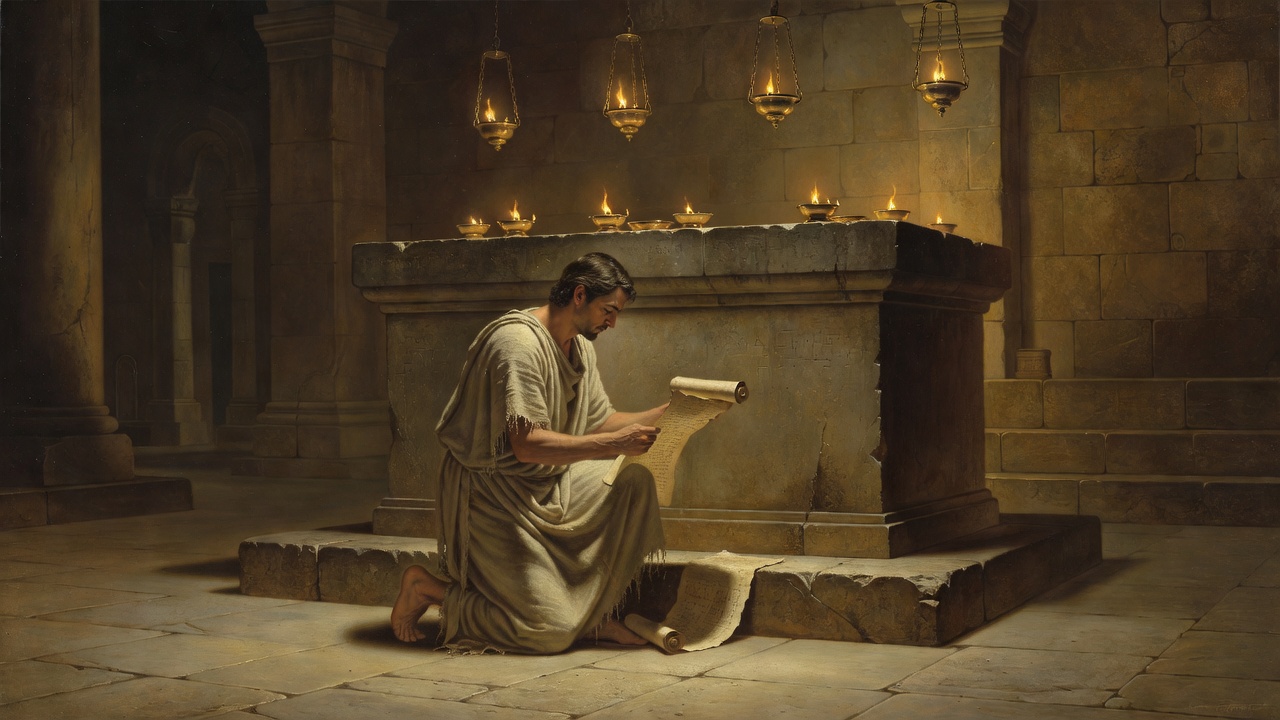
- When Hezekiah received Sennacherib's threatening letter, he entered the temple and spread it out before God, affirming that while the gods of other conquered nations were merely wood and stone, the God of Israel is the maker of heaven and earth.Sources: the Bible text itself · Hezekiah
- Sennacherib sent his second threatening message to Jerusalem while fighting against Libnah after departing Lachish, prompted by reports that Tirhakah, the king of Cush, was marching out to oppose him.Sources: the Bible text itself · Tirhakah · Libnah · Lachish
- After the angel of the Lord struck 185,000 soldiers in the Assyrian camp, Sennacherib retreated to Nineveh, where his own sons later assassinated him with swords inside the temple of his god Nisroch.Sources: the Bible text itself · Sennacherib
Notes written with AI assistance from open sources (Theographic Bible Metadata, CC BY-SA 4.0; Easton’s Bible Dictionary, public domain) and reviewed before publishing.
Places in this chapter
- Assyria · 36.359, 43.153 · verses 4, 6, 8, 10, 11, 17, 20, 32, 35, 36, 37
- Jerusalem · 31.777, 35.234 · verses 8, 9, 10, 21, 31, 32
- Lachish · Today: Tell ed Duweir · 31.565, 34.849 · verse 8
- Cush · Today: Cush 1 · 16.935, 33.751 · verse 9
- Eden · Today: Beth-eden · 36.701, 38.087 · verse 12
- Haran · Today: Harran · 36.864, 39.033 · verse 12
- Hamath · Today: Hama · 35.136, 36.750 · verse 13
- Zion · Today: Jerusalem · 31.777, 35.234 · verse 21
- Lebanon · 33.540, 35.584 · verse 23
- Mount Carmel · 32.672, 35.023 · verse 23
- Egypt · 30.129, 31.308 · verse 24
- Mount Zion · 31.772, 35.229 · verse 31
- Nineveh · 36.359, 43.153 · verse 36
- Ararat · Today: Urartu · 39.703, 44.300 · verse 37
Only places identified with high confidence are shown (90% or more according to the scholarly sources compiled by OpenBible). Period map: DARE (Digital Atlas of the Roman Empire), CC BY 4.0; modern map: © OpenStreetMap contributors; places: OpenBible.info (CC BY 4.0).
Credits and license for this translation
Bibiri Kuyie Nnɑ́ɑǹtì Pɑ́tíri
The Holy Bible in the Ditammari language of Benin
copyright © 2001 SIM International
Language: Ditammari
Translation by: SIM
This translation text is made available to you under the
terms of the Creative Commons License: Attribution-Noncommercial-No Derivative Works.
( http://creativecommons.org/licenses/by-nc-nd/3.0/ )
In addition, you have permission to port the text to different file formats, as long as you
do not change any of the text or punctuation of the Bible.
You may share, copy, distribute, transmit, and extract portions
or quotations from this work, provided that you include the above copyright
information:
You must give Attribution to the work.
You do not sell this work for a profit.
You do not make any derivative works that change any of the actual words or punctuation of the Scriptures.
Permissions beyond the scope of this license may be
available if you contact
us with your request.
This translation is made available to you under the terms of the
Creative Commons Attribution-No Derivatives license 4.0.
You may share and redistribute this Bible translation or extracts from it in any format, provided that:
You include the above copyright and source information.
You do not make any derivative works that change any of the actual words or punctuation of the Scriptures.
Pictures included with Scriptures and other documents on this site are licensed just for use with those Scriptures and documents.
For other uses, please contact the respective copyright owners.
2022-05-31
Source: http://ebible.org/tbzsim/ · eBible.org