2 Chronicles 33
Bibiri Kuyie Nnɑ́ɑǹtì Pɑ́tíri · Tap a verse to see its cross-references.
Mɑnɑnsee sɔɔtɛ́mɛ̀ tikpɑ̀tì
1Mɑnɑnsee do yóó di tikpɑ̀tì kɛ mɔkɛ yɛbie ntɛpíítɛ̀ nɛ̀ yɛ̀dɛ́ɛ̀ ndi, kɛ́mbo Sedisɑdɛmmu kɛ tɔ tikpɑ̀tì yɛbie nsipísìnùmmù nɛ̀ yɛnùmmù, 2kɛ́dɔɔ̀ Kuyie nyí dɔ́ dɛ̀, kɛ́tũnnɛ ibotí tɛì do dɔɔri ìì sɔ̀kɛ kpɛrɛ kɛ̀ ti Yiɛ̀ nKuyie nyì bɛ̀ti kɛ bɛ̀ kɑ̀nnɛ bɛmbɛ Isidɑyɛɛribɛ. 3Kòo wɛ̃tɛ kɛ́mɑɑ́ o cicɛ Esekiɑsi do pùɔ nyɛ̀ɛ̀ bɔɔwũɔ̃tɔ̀rɛ̀ kɛ́mɑɑ́ dibɔɔ̀ Bɑɑdi kó diwũɔ̃tɔ̀nnì kɛ́cíɛ́kɛ́ itedɛí kɛ́fíí nkɛ́nkɔ̃nkù kɛ bɑ́ɑ́ ndiyiè nɛ̀ otɑ̃̀nkù nɛ̀ siwɑ̃̀ɑ̃. 4Kòo mɑɑ́ yɛwũɔ̃tɔ̀rɛ̀ ti Yiɛ̀ nKuyie ncĩ́ɛ̃̀tɛ̀ miɛkɛ Sedisɑdɛmmu. Ti Yiɛ̀ nKuyie ndo bɛ̀ nɑ̀kɛ́mu kɛ dɔ̀, kù dɔ́ bɛ̀ nkù bɑ̀ɑ́ nSedisɑdɛmmu nwe sɑ̃́ɑ̃̀. 5Kòo mɑɑ́ yɛɛ̀ wũɔ̃tɔ̀rɛ̀ ti Yiɛ̀ nKuyie ncĩ́ɛ̃̀tɛ̀ dɑ̀ntì tìdɛ́ miɛkɛ diyiè nɛ̀ otɑ̃̀nkù nɛ̀ siwɑ̃̀ɑ̃ dɛ kpɛ́í, 6kɛ́kuɔ o birɛ kɛ́tuɔ Inɔmmu biriku miɛkɛ kɛ́nnɑ́ɑ́nnɛ̀ yɛbɔkɛ̀, kɛ kɔrì tipɑ̃ɑ̃tì, kɛ pĩ́nnɛ̀ muhɔ̃ũtɔ̃mmú, kɛ́wɑɑ́ mbɛnitinɔ̀mbɛ̀ bɛ̀ɛ̀ yu bɛcíríbɛ̀ nɛ̀ bɛ̀ɛ̀ boorí tinùbootì, kɛ́ndɔɔrinɛ̀ mɛdɔɔ̀rìmɛ̀ yɛimɛ kɛ íinko ti Yiɛ̀ nKuyie mmiɛkɛ. 7Kòo tɑnnɛ́ tɛbɔɔtenkɑɑnìtɛ̀ ò do dɔ̀ɔ̀ tɛ̀ Kuyie ncĩ́ɛ̃̀tɛ̀ miɛkɛ. Kuyie ndo nɑ̀kɛ́mu ku kóo tɔ̃ntì Dɑfitì nɛ̀ o birɛ Sɑdomɔɔ kɛ dɔ̀, Isidɑyɛɛribɛ tenkɛ̀ miɛkɛ kù tɑ̃ɑ̃tɛ́ kɛ dɔ́ ku yètìrì nyu Sedisɑdɛmmu nwe ku cĩ́ɛ̃̀tɛ̀ miɛkɛ sɑ̃́ɑ̃̀. 8Kù do bɛ́immu kɛ dɔ̀, kɛ̀ Isidɑyɛɛribɛ tũ nku tɑnnɔ̀ nɛ̀ ku kuɔ́ nɛ̀ ku tié nkù duɔ́ ndɛ̀ bɛ yɛmbɛ̀ kɛ nɑ̀kɛ́ Mɔyiisi kòo dɛ̀ wɑ̃̀ri, kù bɑ́ɑ́ bɛ̀ dènnɛ dihɛì kù duɔ́ ndì bɛ yɛmbɛ̀. 9Kɛ̀ Mɑnɑnsee nte kɛ̀ Isidɑyɛɛribɛɛ feti, kɛ́cɑkɛ ti Yiɛ̀ nKuyie nkɛ̀ dɛ̀ɛ pɛ̃ɛ̃tɛ́ ibotí tɛì kù do kùɔ ì kɛ́ bɛ̀ kɑ̀nnɛ ì do dɔ̀ɔ̀rimɛ̀.
10Kɛ̀ ti Yiɛ̀ nKuyie nni nhò nɑ̀ɑ́nnɛ̀ wenwe Mɑnɑnsee, nɛ̀ o kɔbɛ kɛ̀ bɛ̀ í nkù kèḿmú. 11Kɛ̀ ti Yiɛ̀ nKuyie nduɔ́ nkɛ̀ bɛ̀ɛ̀ bɑkɛ́ Asidii kóo kpɑ̀ɑ̀tì kó bɛhɑ̃ɑ̃pɔ̀mbɛ̀ kɛ̀ bɛ̀ɛ kɔtɛ kɛ́pĩ́ mMɑnɑnsee kɛ́tɔ̃nnɛ́ o yɛ̀ì kuyĩmpie nkóò boú disɔɔwũɔ̃̀ kó mɛfĩmmɛ kɛ́tɔ, kɛ́kònnɛ̀ Bɑbidɔnni. 12Ò tɑ dìì mɔ̀nnì mɛsémmɛ̀ miɛkɛ kɛ́kuɔ́nnɛ̀ ti Yiɛ̀ nKuyie nkɛ́mɔɔ mɛcĩ́ɛ̃́mmɛ̀, kɛ́kɛ̃́kùnnɛ omɑ́ɑ̀ kunku Kuyie nhò yɛmbɛ̀ do tũ nkù ììkɛ̀. 13Kòo bɑ́ntɛ̀ ti Yiɛ̀ nKuyie nkɛ̀ mɛsémmɛ̀ɛ kù pĩ, kɛ̀ kùù kémmú o dɑbònnì kóo tɛ̃̀ńnɛ́ní Sedisɑdɛmmu o kpɑ̀ɑ̀tìyuu miɛkɛ, kɛ̀ Mɑnɑnsee bɑntɛ́ ti Yiɛ̀ nKuyie mmɛ̀nkɛ túmɛ̀ Kuyie nku.
14Dɛ kó difɔ̃nkúò kòo mɑɑ́ kuduotí Dɑfiti ɛì miɛkɛ diyiè tɑɑ̀ kɛ̀, Kiyɔ̃ɔ̃ kó kubiriku bíɛ́kɛ̀, kɛ́ntɔ kɛ́tuɔkɛnɛ̀ bɛ̀ tú dɛ̀ siyĩĩ kó dibòrì, kɛ́mɑɑ́ kɛ́fii nhOfɛdi tɑ̃rì kɛ̀ dɛ̀ɛ okɛ̀ mɛdiɛ̀, kòo kɑnnɛ bɛhɑ̃ɑ̃pɔ̀nkótíbɛ̀ Sudɑɑ tenkɛ̀ kó yɛhɛkɛ̀ iduotí fitɛ́ yɛ̀ miɛkɛ. 15Kòo dennɛ ibotí tɛì kó yɛbɔkɛ̀ ti Yiɛ̀ nKuyie ncĩ́ɛ̃̀tɛ̀ miɛkɛ nɛ̀ tɛtenkɑɑnìtɛ̀, kɛ́ dɛ̀ dènnɛ dihɛì mɑ̀nku kɛ́útóo, kɛ́puɔ nyɛbɔɔwũɔ̃tɔ̀rɛ̀ yɛ̀ɛ̀ bo ti Yiɛ̀ nKuyie ncĩ́ɛ̃̀tɛ̀ tɛ̀ɛ̀ bo Sedisɑdɛmmu ditɑ̃rì ĩ́nkɛ̀. 16Kòo mɑɑ́ ti Yiɛ̀ nKuyie nkó diwũɔ̃tɔ̀nnì kɛ́fíé iwũɔ̃ mɛtɑummɛ̀ kpɛyi nnɛ̀ yɛsɑ̃ɑ̃ nkpɛyi, kɛ́duɔ́ nkɛ̀ Sudɑɑ kɔbɛ ntũ nti Yiɛ̀ nKuyie nkunku Isidɑyɛɛribɛ tũ nkù. 17Bɑ́ nɛ̀ mɛmmɛ kɛ̀ bɛnìtìbɛ̀ nkpɑɑ́ feu yɛtɔ̀rɛ̀, kɛ bɑɑ nɛ́ bɑ́ɑ́ nti Yiɛ̀ nKuyie.
18Mɑnɑnsee dɔɔ̀rìmɛ̀ sɔmmɛ nɛ̀ ò bɑ̀ńtɛ̀mɛ̀ Kuyie, nnɛ̀ ku pɑ̃ɑ̃nɑ́ɑǹtì nɑ́ɑǹtò ò nɑ̀kɛ́ tì ti Yiɛ̀ nKuyie nkpɛ́í, bɛmbɛ Isidɑyɛɛribɛ bɛ̀ tũ nkù dɛ̀ wɑ̃̀rimu Isidɑyɛɛribɛ kpɑ̀ɑ̀tìbɛ̀ dɔɔ̀rìmɛ̀ pɑ́tíri miɛkɛ. 19Ò bɑ̀ńtɛ̀mɛ̀ Kuyie nnɛ̀ kù cɔutɛ́mɛ̀ o bɑ́ɑmmu nɛ̀ ò cɑ̀kɛmɛ̀ Kuyie nnɛ̀ ò kù yetɛmɛ̀ nɛ̀ ò ɑ̃ɑ̃́mɛ̀ yɛtɔ̀rɛ̀ kɛ fìíkú itedɛí nɛ̀ ò dɔ̀ɔ̀mɛ̀ sibɔɔtenkɑɑnìi, ò dɔ̀ɔ̀ dɛ̀ kɛ nɛ́ bo nɑ kɛ́bɑntɛ́ ò cɑ̀kɛmɛ̀ Kuyie ndɛ̀ wɑ̃̀rimu Esɑii tɔ̃mmú pɑ́tíri miɛkɛ. 20Mɑnɑnsee kò ndìì mɔ̀nnì o yɛmbɛ̀ kũũ̀ nkɛ̀ kɛ̀ bɛ̀ɛ ò kũnnɛ́ o cĩ́ɛ̃̀tɛ̀ pérímù miɛkɛ kòo birɛ Amɔɔ sɔɔtɛ́ tikpɑ̀tì.
Amɔɔ tɔmɛ̀ tikpɑ̀tì
21Amɔɔ do yóó di tikpɑ̀tì kɛ mɔkɛ yɛbie nsipísìdɛ́ nɛ̀ yɛ̀dɛ́ɛ̀ ndi, kɛ́ntɔ tikpɑ̀tì kɛ bo Sedisɑdɛmmu kɛ dɔ̀ yɛbie nyɛ̀dɛ́ɛ̀, 22kɛ́dɔɔ̀ ti Yiɛ̀ nKuyie nyí dɔ́ dɛ̀ o cicɛ Mɑnɑnsee do dɔ̀ɔ̀mɛ̀, kɛ́fíé yɛbɔkɛ̀ o cicɛ do dɔ̀ɔ̀ yɛ̀ kɛ́ nyɛ̀ bɑ̀ɑ́. 23Ò mɛ nyí mbɑntɛ́ o cɑɑ̀rìmɛ̀ o cicɛ do bɑntɛ́mɛ̀ o kɔ̃mɛ, ò do cɑ̀kɛmu kɛ́pɛ̃ɛ̃tɛ́ o cicɛ.
24Kòo kó bɛtɔ̃mbɛ̀ɛ dɑkɛ o kpɛ́í kóò kùɔ tɛkpɑ̀ɑ̀tìcĩ́ɛ̃̀tɛ̀ miɛkɛ. 25Kɛ̀ dihɛì yɛmbɛ̀ɛ kuɔ bɛ̀ɛ̀ kó dimɑ̀ɑ̀ do dɑ̀kɛ kɛ́kuɔ okpɑ̀ɑ̀tì Amɔɔ kɛ́duɔ́ nkòo birɛ Sosiɑsii sɔɔtɛ́ tikpɑ̀tì.
Did you know?
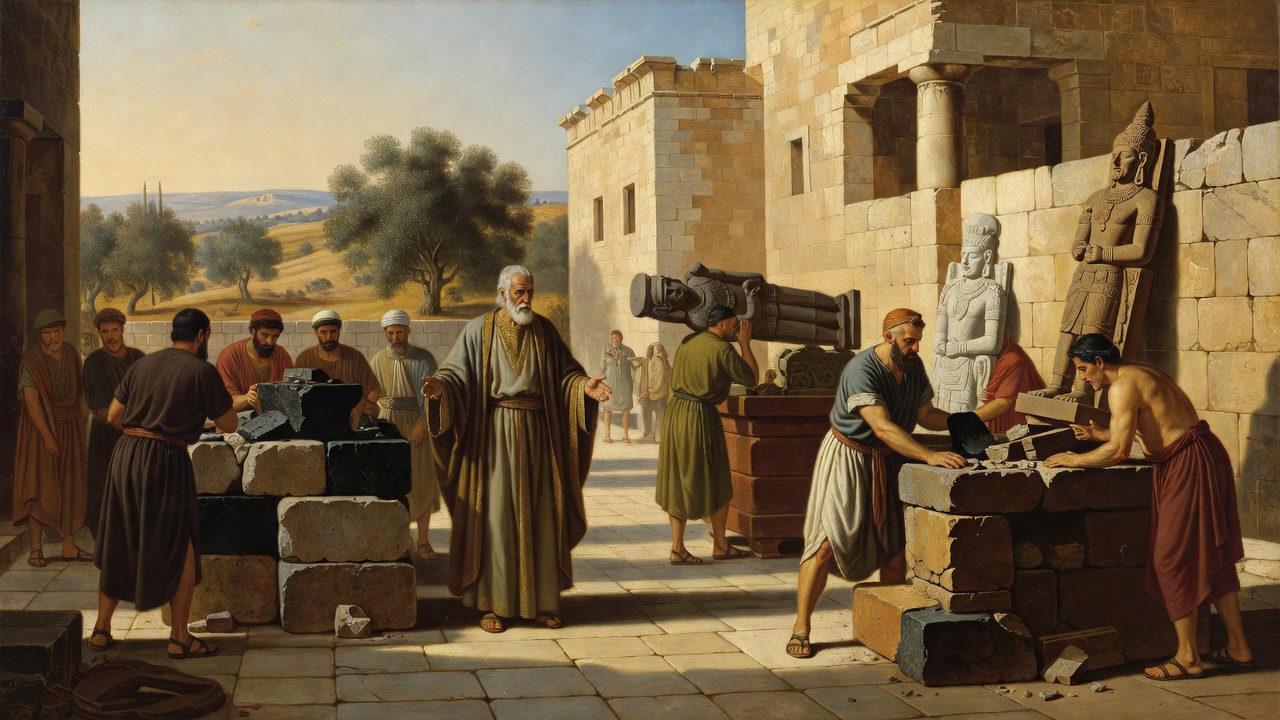
The Reigns of Manasseh and Amon
- Although Manasseh reversed his father Hezekiah's reforms and promoted idolatry throughout Judah, his captivity marked a dramatic turning point. Captured with hooks and bronze shackles by Assyrian commanders and taken to Babylon, he humbled himself and prayed, leading to his restoration to the throne in Jerusalem.Sources: the Bible text itself · Assyria · Babylon
- Following his return to Jerusalem, Manasseh strengthened the city's defenses by expanding and heightening the outer wall around the hill of Ophel toward the Fish Gate. He also removed the foreign idols and altars he had previously erected in the temple and ordered Judah to worship the God of Israel.Sources: the Bible text itself · Ophel · Fish Gate
- Manasseh's son Amon revived the idolatrous practices his father had introduced but did not humble himself before God. After a brief reign of two years, Amon was assassinated by his own servants in his palace, and the people of the land installed his young son Josiah as king.Sources: the Bible text itself · Amon · Josiah
Notes written with AI assistance from open sources (Theographic Bible Metadata, CC BY-SA 4.0; Easton’s Bible Dictionary, public domain) and reviewed before publishing.
Places in this chapter
- Jerusalem · 31.777, 35.234 · verses 1, 4, 7, 9, 13, 15, 21
- Valley of Hinnom · Today: Hinnom Valley · 31.769, 35.228 · verse 6
- Assyria · 36.359, 43.153 · verse 11
- Babylon · 32.543, 44.422 · verse 11
- City of David · 31.774, 35.236 · verse 14
- Fish Gate · Today: in Jerusalem · 31.777, 35.234 · verse 14
- Gihon · Today: Gihon Spring · 31.773, 35.236 · verse 14
- Kidron · Today: Kidron River · 31.780, 35.240 · verse 14
- Ophel · 31.775, 35.236 · verse 14
Only places identified with high confidence are shown (90% or more according to the scholarly sources compiled by OpenBible). Period map: DARE (Digital Atlas of the Roman Empire), CC BY 4.0; modern map: © OpenStreetMap contributors; places: OpenBible.info (CC BY 4.0).
Credits and license for this translation
Bibiri Kuyie Nnɑ́ɑǹtì Pɑ́tíri
The Holy Bible in the Ditammari language of Benin
copyright © 2001 SIM International
Language: Ditammari
Translation by: SIM
This translation text is made available to you under the
terms of the Creative Commons License: Attribution-Noncommercial-No Derivative Works.
( http://creativecommons.org/licenses/by-nc-nd/3.0/ )
In addition, you have permission to port the text to different file formats, as long as you
do not change any of the text or punctuation of the Bible.
You may share, copy, distribute, transmit, and extract portions
or quotations from this work, provided that you include the above copyright
information:
You must give Attribution to the work.
You do not sell this work for a profit.
You do not make any derivative works that change any of the actual words or punctuation of the Scriptures.
Permissions beyond the scope of this license may be
available if you contact
us with your request.
This translation is made available to you under the terms of the
Creative Commons Attribution-No Derivatives license 4.0.
You may share and redistribute this Bible translation or extracts from it in any format, provided that:
You include the above copyright and source information.
You do not make any derivative works that change any of the actual words or punctuation of the Scriptures.
Pictures included with Scriptures and other documents on this site are licensed just for use with those Scriptures and documents.
For other uses, please contact the respective copyright owners.
2022-05-31
Source: http://ebible.org/tbzsim/ · eBible.org