1 Samuel 30
Bibiri Kuyie Nnɑ́ɑǹtì Pɑ́tíri · Tap a verse to see its cross-references.
Dɑfiti dokɛ́nɛ̀mɛ̀ Amɑdesiibɛ
1Diyiè tɑ̃ɑ̃́nnì yiè Dɑfiti nɛ̀ o kɔbɛ kɛ̀ bɛ̀ɛ tuɔkoo Sikidɑɑ Sudɑɑ tempɛ̃ ndiyiè yìɛ̀ní kɛ̀ɛ̀ bíɛ́kɛ̀, kɛ́nsɔ̃́ nhAmɑdesiibɛ bɛ̀ do kɛ pɔ̀ntɛ dihɛì kɛ dɛ̀ítɛ́ kɛ cɔ́u, 2kɛ pĩ̀ḿmú bɛnitipòbɛ̀ nɛ̀ ibí nɛ̀ bɛ̀ɛ̀ tú bɛ̀ɛ̀ mɔ̀kɛ bɛ kpɛrɛ nɛ̀ bɛ̀ɛ̀ tu bɛcĩ̀rìbɛ̀ bɛ̀ do í kuɔ́ nhòmɔù mɛsémmɛ̀ bɛ̀ do bɛ̀ pĩ̀ḿmú mɑ́ɑ̀ ndi kɛ́pɛ̃ɛ̃tɛ́nɛ̀. 3Dɑfiti nɛ̀ o kɔbɛ kɛ̀ bɛ̀ ntùɔ̀koo kɛ sɔ̃́ mbɛ̀ pɔ̀ntɛ dihɛì kɛ pĩ̀ḿmú bɛ pobɛ̀ nɛ̀ bɛ bí initidɑɑì nɛ̀ initipòì. 4Dɑfiti nɛ̀ o kɔbɛ kɛ̀ bɛ̀ɛ tiitɛ́ didɑbònnì kɛ́nkuɔ̀ nkɛ́cĩrimɛ. 5Bɛ̀ múnkɛ do pĩ̀ńnɛ̀mu Dɑfiti pobɛ̀ bɛdɛ́ Ainɔɑmmu Sisedɛɛdi kou nɛ̀ Abikɑyɛɛdi Nɑbɑɑdi Kɑdimɛɛdi kou kóo kúpokù.
6Kɛ̀ Dɑfiti kɔbɛ bɛ̀ pĩ̀ḿmú bɛ̀ɛ̀ kó ibí initidɑɑì nɛ̀ initipòì kɛ̀ bɛ miɛkɛɛ ò pɛikɛ, kɛ̀ bɛ̀ ndɔ́ kóò bùɔ́tí yɛtɑ̃́rɛ̀ kɛ́kuɔ, kòo kɔ̃m̀bùɔ̀tì nduò mɛdiɛ̀ nkɛ̀ ti Yiɛ̀ nKuyie nhò duɔ́ ndikɔ̃m̀bùɔ̀.
7Kòo nɑ́kɛ́ ikuɔ́ nìùtì Abiɑtɑɑ Aimmɛdɛki birɛ kɛ dɔ̀: Tɔní ikuɔ́ nɛntì bɛ̀ ɔ̃ɔ̃ beénnɛ̀ tì Kuyie.
Kɛ̀ Abiɑtɑɑ ti nhò duɔ́. 8Kɛ̀ Dɑfitii beé nti Yiɛ̀ nKuyie nkɛ dɔ̀: Kuyie nkɛ̀ n tũ̀nnɛ dɛ kó bɛnìtìbɛ̀ bɛ̀ɛ̀ mɛ nti pɔ̀ntɛ m bɛ̀ nìntɑɑ̀? Kɛ̀ ti Yiɛ̀ nKuyie ndɔ̀: Tũnnɛ bɛ kɑ̀ɑ yóó bɛ̀ nìntɛmu kɛ́dɛɛtɛ́ ɑ kɔbɛ.
9Kɛ̀ Dɑfitii pĩ́ nkucɛ nɛ̀ o kɔbɛ sikɔusìkuɔ̀ (600) kɛ́tuɔkɛ kukó mBesɔɔ. 10Kɛ̀ bɛnìtìbɛ̀ sikɔusìdɛ́ (200) ɔ̀u kɛ í nɑ kɛ bo séntɛ́ kukó kɛ́ nkpɑɑ́ kɛ̀ Dɑfitii sɔɔtɛ́ nɛ̀ bɛsɔmbɛ sikɔusìnɑ̀ɑ̀ (400). 11Kɛ̀ bɛhɑ̃ɑ̃pɔ̀mbɛ̀ɛ yɑ̀ Esibiti kóo dɑpɑ̀ɑ̀ mmɔù dikpɑ́ɑ̀ miɛkɛ, kóò tɔní Dɑfiti borɛ̀, kɛ̀ bɛ̀ɛ ò duɔ́ mpɛ̃́ɛ̃̀ nɛ̀ fínyĩ̀ kó yɛbɛ nɛ̀ mɛniɛ 12nɛ̀ fínyĩ̀ kó yɛbɛ kperɛ̀ siyɔɔ sìdɛ́sì, kòo cɑ́ɑ́kɛ́ kɛ́yɑ̃̀ kɛ́pɛ́tɛ́ muwɛ̃rímú. Ò do í di dɛ̀mɑrɛ̀ iyie nyìtɑ̃ɑ̃ti, dɛyènnɛ̀ dɛ̀tɑ̃ɑ̃ti. 13Kɛ̀ Dɑfitii ò bekɛ kɛ dɔ̀: A tú ɔ̃̀nkubotí kou? A bonní dɛ? Kòò dɔ̀: N tú Esibiti kou nwe, Amɑdesiibɛ botí kou mɔù kó kudɑɑkù, kɛ muɔkɛ kòò n dootóo, dɛ̀ mɔ̀kɛ yíe nyɛwè yɛ̀tɑ̃ɑ̃ti. 14Tíì sòò pɔ̀ntɛ Sudɑɑ tempɛ̃ ndiyiè yìɛ̀ní kɛ̀ɛ̀ bíɛ́kɛ̀ Kɛdɛtiibɛ nɛ̀ Kɑdɛbu botí kɔbɛ kɛ́cɔ́u nSikidɑɑ kó dihɛì. 15Kɛ̀ Dɑfiti dɔ̀: A bo yie nkɛ́ n niitɛ́ dɛ kó bɛnìtìbɛ̀ borɑ̀ɑ̀?
Kɛ̀ dɛ kóo nìtìi ò tɛ̃̀ńnɛ́ kɛ dɔ̀: Kɑ̀ɑ bɛ́i nkɛ yu Kuyie nyètìrì kɛ yĩ ɑ í yó n kuɔ, ɑ mɛ mbɑ́ n duɔ́ n yiɛ̀, n dɑ niitɛ́ bɛ borɛ̀.
Dɑfiti kùɔmɛ̀ Amɑdesiibɛ
16Mɛm̀mɛ kɛ̀ weè nìtìi niitɛ́ Dɑfiti Amɑdesiibɛ borɛ̀ kɛ̀ bɛ̀ ntuɔkoo kɛ sɔ̃́ mbɛ̀ pitɛ́ dɛ kó kutempɛ̃ nkumɔu miɛkɛ kɛ ɑ̃nnɛ́ dibɑnni nɛ̀ bɛ̀ ɛíní dɛ̀ Fidisitɛ̃ɛ̃bɛ ciɛ nɛ̀ Sudɑɑ ciɛ kɛ yo nkɛ yɔ̃̀. 17Kɛ̀ Dɑfitii bɛ̀ potɛ́ weti weti kɛ́ bɛ̀ ɑutɛ́ dɛ kó diyiè kɛ́ntɔ kɛ́tuɔkɛnɛ̀ diwentírì tɛrì kó kuyuoku, òmɔù í nnɑ kɛ cootɛ́ kɛ̀ dɛ̀ í tú bɛdɑpɑ̀mbɛ̀ bɛ̀ɛ̀ do dèkɛ yòyóbɛ̀ kɛ́cokɛ́. 18Kɛ̀ Dɑfitii fietɛ Amɑdesiibɛ do ɛí dɛ̀ kó dimɑ̀ɑ̀ kɛ́fietɛnɛ̀ o pobɛ̀ bɛdɛ́. 19Bɛ̀ í mmɔ̀ńtɛ́ bɛ kóò mɔù, ibí nɛ̀ bɛkótíbɛ̀, initidɑbí nɛ̀ initipobí, bɛ̀ mu ndo í nɑmpɛ bɛ̀ ɛí dɛ̀ kó dɛ̀mɑrɛ̀. Kɛ̀ Dɑfitii dɛ̀ tɔní dɛmɔu. 20Kɛ̀ Dɑfiti tɔ̃mbɛ̀ɛ kpɑɑkɛnɛ̀ Amɑdesiibɛ kó iwũɔ̃ iyɔɔnyì nɛ̀ idiɛyì kɛ́ nyì cɛ̃mmù kɛ tú: Ntɛ Dɑfiti ɛí dɛ̀.
21Kɛ̀ Dɑfitii wɛ̃tɛ o kɔbɛ sikɔusìdɛ́ (400) bɛ̀ɛ̀ do ɔ̀u kɛ kpɑɑ́ kukó mBesɔɔ borɛ̀, kɛ̀ bɛ̀ɛ kɔtɛní kóò co nɛ̀ o kɔbɛ bɛ̀ɛ̀ do ò nɛínɛ̀, kɛ̀ Dɑfitii tɔ́ɔ́nko kɛ́ bɛ̀ dɔu. 22Kɛ̀ bɛhɑ̃ɑ̃pɔ̀mbɛ̀ bɛ̀ɛ̀ do ò nɛínɛ̀ bɛ miɛkɛ kɛ̀ bɛnitiyonkubɛ nɛ̀ itookperí yɛmbɛ̀ kɛ̀ bɛ̀ dɔ̀: Bɛ̀ do í mɛ̀ nti nɛinɛ̀mɛ̀ ti bɑ́ɑ́ bɛ̀ pɑ̃ ti ɛíní dɛ̀ kó dɛ̀mɑrɛ̀, tí bɛ̀ duɔ́ mbɛ pobɛ̀ nɛ̀ bɛ bí mɑ́ɑ̀ kɛ̀ bɛ̀ɛ ítɛ́.
23Kɛ̀ Dɑfiti dɔ̀: N kɔbɛ bɑ́ɑ́ dɔɔ̀nɛ̀ mɛmmɛ ti Yiɛ̀ nKuyie nti duɔ́ ndɛ̀, kuù ti kɑ̃nkɛ́ kɛ ti dɛɛtɛ́nɛ̀ ti dootitɔbɛ̀ bɛ̀ɛ̀ pɔ̀ntɛ Sikidɑɑ. 24Òmɔù í yóó yie ndi kpɛti.
Wèè kɔ̀tɛ dikpɑ̀nnì nɛ̀ wèè bɑ̀ɑ tinɛntì
bɛ̀ yóó bɛ̀ totí kɛ̀ dɛ̀ mmɑ̀mu,
bɛ̀ yóó wɛ̃nnɛ́ kɛ́totímu.
25Nɛ̀ dɛ yiè ndi Dɑfiti duɔ́mmɛ̀ dɛ kó ikuɔ́ Isidɑyɛɛribɛ kɛ̀ ì kpɑɑ́ bo nɛ̀ yíenní.
26Kɛ̀ bɛ̀ɛ konní Sikidɑɑ kɛ̀ Dɑfitii dɛitɛ bɛ̀ ɛí dɛ̀ bɛ dootitɔbɛ̀ ciɛ kɛ́pɑ̃ o nɛ́pobɛ̀ Sudɑɑ botí kó bɛkótíbɛ̀ kɛ dɔ̀: Ntonɛ̀ ti dɛ̀itɛ ti ɛí dɛ̀ɛ̀ miɛkɛ nkɛ kɛ di pɑ̃. 27Kòo pɑ̃nɛ̀ Betɛɛdi ɛì kó bɛkótíbɛ̀ nɛ̀ Dɑmɔti ɛì kɔbɛ bɛ̀ɛ̀ bo Nɛkɛfu tempɛ̃ nnɛ̀ Yɑtiidi ɛì kɔbɛ. 28Nɛ̀ Adoɛɛ ɛì kɔbɛ nɛ̀ Sifɛmɔti ɛì kɔbɛ nɛ̀ Ɛsitimɔɔ ɛì kɔbɛ, 29nɛ̀ Dɑkɑdii ɛì kɔbɛ nɛ̀ Yedɑmɛdiibɛ nɛ̀ Keniibɛ, 30nɛ̀ Odimɑɑ ɛì kɔbɛ nɛ̀ Bɔɔ-Asɑ̃ɑ̃ ɛì kɔbɛ nɛ̀ Atɑki ɛì kɔbɛ, 31kɛ́pɑ̃ Ebunɔɔ ɛì kɔbɛ kɛ́pɑ̃mmúnɛ̀ yɛhɛkɛ̀ yɛmɔu kɔbɛ bɛ̀ do kètɛ́ yɛ̀ɛ̀ miɛkɛ.
Did you know?
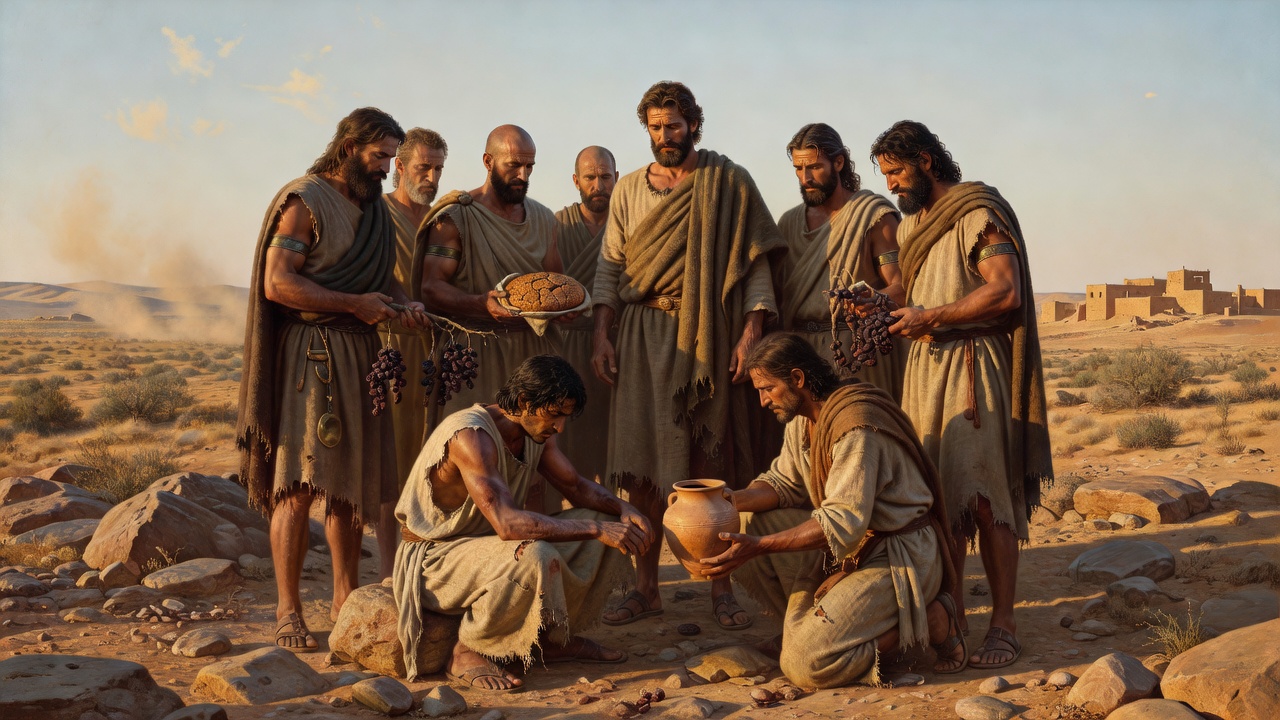
The Rescue of Ziklag and David's Decree
- When David returned to find Ziklag burned by Amalekite raiders and his wives Ahinoam and Abigail taken captive, he sought divine guidance using the ephod brought by the priest Abiathar, the only priest who had escaped the massacre of Nob.Sources: Abiathar · Ahinoam · Abigail
- David's pursuit was aided by an abandoned Egyptian servant whom his men found starving in the arid Negev, reviving him with water, fig cakes, and raisins in exchange for leading them to the Amalekite encampment.Sources: Negeb · the Bible text itself
- At the Brook of Besor, two hundred of David's men were too exhausted to continue fighting; after the victory, David decreed an enduring statute that those who remained behind guarding the supplies would receive equal shares of the spoils with those who engaged in battle.Sources: Besor · the Bible text itself
Notes written with AI assistance from open sources (Theographic Bible Metadata, CC BY-SA 4.0; Easton’s Bible Dictionary, public domain) and reviewed before publishing.
Places in this chapter
- Negeb · 31.245, 34.841 · verses 1, 14, 27
- Egypt · 30.129, 31.308 · verse 13
- Jattir · Today: Khirbet Attir · 31.352, 35.016 · verse 27
- Ramoth · Today: Horbat Uza · 31.209, 35.166 · verse 27
- Siphmoth · Today: within 30 km of As Samu · 31.401, 35.067 · verse 28
- Bor-ashan · Today: Khirbet Asan · 31.281, 34.797 · verse 30
- Hebron · Today: Tel Rumeida · 31.525, 35.102 · verse 31
Only places identified with high confidence are shown (90% or more according to the scholarly sources compiled by OpenBible). Period map: DARE (Digital Atlas of the Roman Empire), CC BY 4.0; modern map: © OpenStreetMap contributors; places: OpenBible.info (CC BY 4.0).
Credits and license for this translation
Bibiri Kuyie Nnɑ́ɑǹtì Pɑ́tíri
The Holy Bible in the Ditammari language of Benin
copyright © 2001 SIM International
Language: Ditammari
Translation by: SIM
This translation text is made available to you under the
terms of the Creative Commons License: Attribution-Noncommercial-No Derivative Works.
( http://creativecommons.org/licenses/by-nc-nd/3.0/ )
In addition, you have permission to port the text to different file formats, as long as you
do not change any of the text or punctuation of the Bible.
You may share, copy, distribute, transmit, and extract portions
or quotations from this work, provided that you include the above copyright
information:
You must give Attribution to the work.
You do not sell this work for a profit.
You do not make any derivative works that change any of the actual words or punctuation of the Scriptures.
Permissions beyond the scope of this license may be
available if you contact
us with your request.
This translation is made available to you under the terms of the
Creative Commons Attribution-No Derivatives license 4.0.
You may share and redistribute this Bible translation or extracts from it in any format, provided that:
You include the above copyright and source information.
You do not make any derivative works that change any of the actual words or punctuation of the Scriptures.
Pictures included with Scriptures and other documents on this site are licensed just for use with those Scriptures and documents.
For other uses, please contact the respective copyright owners.
2022-05-31
Source: http://ebible.org/tbzsim/ · eBible.org