1 Kings 16
Bibiri Kuyie Nnɑ́ɑǹtì Pɑ́tíri · Tap a verse to see its cross-references.
1Kɛ̀ ti Yiɛ̀ nKuyie mbɛ́innɛ̀ Anɑnni birɛ Seuu kɛ dɔ̀ wèe nɑ́kɛ́ Bɑsɑɑ kɛ dɔ̀: 2Mí ndi Yiɛ̀ nKuyie mmíì ò kũtɛ́ní mutɑ̃́ɑ̃́ mmiɛkɛ koò dɔ̀ɔ̀ okpɑ̀ɑ̀tì, kòò bɑkɛ́ n nìtìbɛ̀ Isidɑyɛɛribɛ, kɛ tũ̀nnɛ Sedoboɑmmu kó mɛborimɛ, kɛ tɑnnɛ́ n nìtìbɛ̀ Isidɑyɛɛribɛ mɛyɛi mmiɛkɛ kɛ íi mmiɛkɛ. 3N yóó kɑ́útɛ́mu o cĩ́ɛ̃̀tɛ̀ kɛ̀ tɛ̀ɛ dontɛnɛ̀ Nɛbɑti birɛ Sedoboɑmmu kpɛtɛ. 4Á ò nɑ̀kɛ́ kɛ tú n yɛ̃ nho cĩ́ɛ̃̀tɛ̀ kou wèè bo kú dihɛì simɔɔ́ siì yóó ò cɑ̀ɑ́kɛ́, kɛ̀ wèè ku dikpɑ́ɑ̀ tinɔ̀tìi ò cɔ.
5Bɑsɑɑ dɔɔ̀rìmɛ̀ tɛ̃mɛ̀ ò dɔ̀ɔ̀ dɛ̀ɛ̀ kó dimɑ̀ɑ̀ nɛ̀ ò dokɛ́ mùù doò. Dɛmɔu dɛ̀ wɑ̃̀rimu Isidɑyɛɛribɛ kpɑ̀ɑ̀tìbɛ̀ dɔɔ̀rìmɛ̀ pɑ́tíri miɛkɛ. 6Kɛ̀ Bɑsɑɑ kú kɛ̀ bɛ̀ɛ ò kũnnɛ́ Tidisɑɑ. Kòo birɛ Edɑɑ sɔɔtɛ́ o kpɑ̀tì.
7Ti Yiɛ̀ nKuyie ndo duɔ́ nkɛ̀ Anɑnni birɛ ku pɑ̃ɑ̃nɑ́ɑǹtì nɑ́ɑǹtò Seuu bɛ́innɛ̀ Bɑsɑɑ nɛ̀ o cĩ́ɛ̃̀tɛ̀ ò dɔ̀ɔ̀ mɛ̀ɛ̀ kpɛ́í mmɛyɛi kɛ íi nti Yiɛ̀ nKuyie mmiɛkɛ nSedoboɑmmu do dɔ̀ɔ̀mɛ̀, nɛ̀ ò kùɔmɛ̀ Sedoboɑmmu cĩ́ɛ̃̀tɛ̀ tɛmɔu.
Edɑɑ tumɛ̀ Isidɑyɛɛribɛ kpɑ̀ɑ̀tì
8Asɑɑ Sudɑɑ kɔbɛ kóo kpɑ̀ɑ̀tì kpɑ̀tì benni sipísìdɛ́ nɛ̀ dikuɔ́nnì miɛkɛ nkɛ Bɑsɑɑ birɛ Edɑɑ nɑɑ́mmɛ̀ Isidɑyɛɛribɛ kpɑ̀ɑ̀tì kɛ́mbo Tidisɑɑ kɛ dɔ̀ yɛbie nyɛ̀dɛ́ɛ̀. 9Kòo kóo ɑ̃ɑ̃pɔ̀nkótì Simmidi wèè do bɑkɛ́ okpɑ̀rìnɑɑsɛ̃ĩ́ dikéè kòo ndɔ́ kóo bɔ. Asɑɑ Sudɑɑ kóo kpɑ̀ɑ̀tì benni sipísìdɛ́ nɛ̀ diyiennì miɛkɛ do nkɛ. Diyiè mɑrì kɛ̀ Edɑɑ mbo Tidisɑɑ wèè bɑkɛ́ tɛkpɑ̀ɑ̀tìcĩ́ɛ̃̀tɛ̀ o cĩ́ɛ̃̀tɛ̀ miɛkɛ kɛ́yɑ̃̀ mɛnɑɑ̀ nkɛ́muɔ́. Kɛ̀ Simmidii tɑroo kóò potɛ́ kɛ́kuɔ kɛ́cɔutɛ́ tikpɑ̀tì. 11Ò nɑ dìì mɔ̀nnì kɛ́kɑri dikpɑ̀ɑ̀tìkɑ̀rì kɛ́kuɔ Bɑsɑɑ cĩ́ɛ̃̀tɛ̀ tɛmɔu pɑ́íí ò í nsùɔ́ nhonitidɔ̀ù mɔù o cĩ́ɛ̃̀tɛ̀ miɛkɛ yoo o cɛ̃dɛ́tɛ̀ kou, yoo òmɔù wèè tɑunɛ̀ Bɑsɑɑ. 12Kɛ̀ Simmidii kuɔ Bɑsɑɑ cĩ́ɛ̃̀tɛ̀ tɛmɔu kɛ́ndònnɛ̀ ti Yiɛ̀ nKuyie ndo ti nɑ̀kɛ́mɛ̀ Bɑsɑɑ kpɛ́í nnɛ̀ ku pɑ̃ɑ̃nɑ́ɑǹtì nɑ́ɑǹtò Seuu nùù miɛkɛ. 13Dɛndɛ kó dimɑ̀ɑ̀ dɛ̀ ò tùɔ̀kɛní o yɛi kpɛ́í nkɛ nɛ̀ o birɛ Edɑɑ kɔ̃mɛ ò do dɔ̀ɔ̀ mɛ̀ kɛ́tɑnnɛ́ Isidɑyɛɛribɛ mɛyɛi mmiɛkɛ kɛ́yíi nti Yiɛ̀ nKuyie mmiɛkɛ nɛ̀ bɛ kó mubɔɔféù.
14Edɑɑ dɔɔ̀rìmɛ̀ tɛ̃mɛ̀ ò dɔ̀ɔ̀ dɛ̀ɛ̀ kó dimɑ̀ɑ̀ dɛ̀ wɑ̃̀rimu Isidɑyɛɛribɛ kpɑ̀ɑ̀tìbɛ̀ dɔɔ̀rìmɛ̀ pɑ́tíri miɛkɛ ndɛ̀ í tú Bɛkpɑ̀ɑ̀tìbɛ̀ tɔ̃mmú pɑ́tíri ketirì yoo didɛ́rì, bɛ̀ nɑ̀ɑ́ nyɛ̀mɑyɛ̀ kpɛ́í nkɛ kɛ̀ dɛ kó yɛpɑ́tɛ í bo nkɔkɛ́ Kuyie nnɑ́ɑǹtì pɑ́tíri miɛkɛ.
Simmidi nɑɑ́mmɛ̀ Isidɑyɛɛribɛ kóo kpɑ̀ɑ̀tì
15Sudɑɑ kɔbɛ kóo kpɑ̀ɑ̀tì Asɑɑ kpɑ̀tì benni sipísìdɛ́ nɛ̀ diyiénnì miɛkɛ nkɛ̀ Simmidi nɑɑ́mmɛ̀ Isidɑyɛɛribɛ kóo kpɑ̀ɑ̀tì, kɛ́ntɔ tikpɑ̀tì kɛ dɔ̀ yɛwe yɛ̀yiekɛ̀. Dɛ̀ do sɔ̃́ mbɛ̀ pi Kibetɔ̃ɔ̃ nwe Fidisitɛ̃ɛ̃bɛ ɛì. 16Bɛhɑ̃ɑ̃pɔ̀mbɛ̀ kèè dìì mɔ̀nnì bɛ kɑrì kɛ dò nSimmidi bɔ nhokpɑ̀ɑ̀tì koò kùɔ. Dɛ kó diyiè dìmɑ́ɑ̀ miɛkɛ kɛ̀ Isidɑyɛɛribɛɛ pĩ́ nhohɑ̃ɑ̃pɔ̀nkótì Omidi tikpɑ̀tì dɛndɛ dihɑ̃ɑ̃pɔ̀nkɑrì. 17Dɛ mɔ̀nnì Omidi nɛ̀ o ɑ̃ɑ̃pɔ̀mbɛ̀ kɛ̀ bɛ̀ɛ ítɛ́ bɛ do kɑri dɛ̀ kɛ́pi Kibetɔ̃ɔ̃ kɛ́kɔtɛ kɛ́do Tidisɑɑ. 18Simmidi sɔ̃́ ndìì mɔ̀nnì bɛhɑ̃ɑ̃pɔ̀mbɛ̀ do dihɛì kòo kɔtɛ kɛ́tɑ tɛkpɑ̀ɑ̀tìcĩ́ɛ̃̀tɛ̀ o kó kudieku kɛ́cɔ́u nkɛ̀ tɛ̀ɛ ò wɛ̃nnɛ́nɛ̀ kɛ́cɔ́útɛ́ kòo kú. 19Dɛndɛ ò tùɔ̀kɛní o yɛi nkpɛ́í nkɛ, ò dɔ̀ɔ̀ mɛ̀ ti Yiɛ̀ nKuyie nyí dɔ́ dɛ̀, kɛ tũ̀nnɛ o cicɛ Sedoboɑmmu kó mɛyɛi nhò do dɔ̀ɔ̀ mɛ̀ kɛ́tɑnnɛ́ Isidɑyɛɛribɛ mɛyɛi miɛkɛ.
20Simmidi dɔɔ̀rìmɛ̀ tɛ̃mɛ̀, ò bɔmmɛ̀ okpɑ̀ɑ̀tì, dɛ̀ wɑ̃̀rimu Isidɑyɛɛribɛ kpɑ̀ɑ̀tìbɛ̀ dɔɔ̀rìmɛ̀ pɑ́tíri miɛkɛ.
21Dɛ mɔ̀nnì kɛ̀ Isidɑyɛɛribɛɛ totɛ́ kɛ̀ diwɛ́tirìi tũnnɛ Kinɑti birɛ Tibinni kɛ́ we mpĩ́ ntikpɑ̀tì. Kɛ̀ diwɛ́tirì tɛrì nkpɑɑ́ tũ nhOmidi. 22Omidi kó ditĩ̀nnì diì do nɑ Tibinni kpɛri kɛ̀ Tibinnii kú kɛ̀ Omidii nɑɑ́ nhokpɑ̀ɑ̀tì.
Omidi nɑɑ́mmɛ̀ Isidɑyɛɛribɛ kóò kpɑ̀ɑ̀tì
23Sudɑɑ kɔbɛ kóo kpɑ̀ɑ̀tì Asɑɑ kpɑ̀tì benni sipísìtɑ̃ɑ̃ti nɛ̀ dìmɑ́ɑ̀ miɛkɛ nkɛ Omidi nɑɑ́mmɛ̀ Isidɑyɛɛribɛ kóo kpɑ̀ɑ̀tì kɛ́mbo Tidisɑɑ kɛ dɔ̀ yɛbie nyɛ̀kuɔ̀. Ò do tɔ tikpɑ̀tì kɛ dɔ̀ yɛbie ntɛpíítɛ̀ nɛ̀ yɛ̀dɛ́ɛ̀ ndi. 24Dɛ kó difɔ̃nkúò kɛ́dontɛ́ Simmɛdi borɛ̀ Sɑmmɑrii tɑ̃rì mɛdítíbii nsikɔupísìkuɔ̀ (6000) kɛ́mɑɑ́ dihɛì dɛ kó ditɑ̃rì ĩ́nkɛ̀, kɛ́ dì yú ò dì dontɛ́nɛ̀ wè kó diyètìrì kɛ dɔ̀ Sɑmmɑrii. 25Kɛ̀ Omidii dɔɔ̀ ti Yiɛ̀ nKuyie nyí dɔ́ dɛ̀ kɛ́pɛ̃ɛ̃tɛ́ bɛ̀ɛ̀ ò niitɛ́nɛ̀ kɛ di tikpɑ̀tì. 26Ò do tũ̀nnɛ Nɛbɑti birɛ Sedoboɑmmu kó mɛborimɛ mmɛ, ò do dɔ̀ɔ̀ mɛ̀ɛ̀ yɛi nkɛ́tɑnnɛ́ Isidɑyɛɛribɛ mɛyɛi miɛkɛ kɛ́yíi nti Yiɛ̀ nKuyie mmiɛkɛ nɛ̀ bɛ kó mubɔɔféù.
27Omidi dɔɔ̀rìmɛ̀ tɛ̃mɛ̀ nɛ̀ ò dokɛ́ mùù doò dɛ̀ wɑ̃̀rimu Isidɑyɛɛribɛ kpɑ̀ɑ̀tìbɛ̀ dɔɔ̀rìmɛ̀ pɑ́tíri miɛkɛ. 28Kòo kú kɛ̀ bɛ̀ɛ ò kũnnɛ́ Sɑmmɑrii kòo birɛ Akɑbuu sɔɔtɛ́ o kpɑ̀tì.
Akɑbu nɑɑ́mmɛ̀ Isidɑyɛɛribɛ kóo kpɑ̀ɑ̀tì
29Sudɑɑ kɔbɛ kóo kpɑ̀ɑ̀tì Asɑɑ kpɑ̀tì benni sipísìtɑ̃ɑ̃ti nɛ̀ diniínnì ndi, Omidi birɛ Akɑbu nɑɑ́mmɛ̀ Isidɑyɛɛribɛ kóo kpɑ̀ɑ̀tì, kɛ́ntɔ tikpɑ̀tì kɛ dɔ̀ yɛbie nsipísìdɛ́ nɛ̀ yɛ̀dɛ́ɛ̀, kɛ bo Sɑmmɑrii. 30Kòo birɛ Akɑbuu dɔɔ̀ ti Yiɛ̀ nKuyie nyí dɔ́ dɛ̀ kɛ̀ dɛ̀ɛ pɛ̃ɛ̃tɛ́ bɛ̀ɛ̀ ò niitɛ́nɛ̀ kɛ di tikpɑ̀tì. 31Ò tũ̀nnɛmɛ̀ Sedoboɑmmu borimɛ kɛ̀ dɛndɛ ntú mpútì, kòo kɔtɛ kɛ́túótɛ́ Sidoniibɛ kpɑ̀ɑ̀tì Itibɑɑdi kóo sɑpɑ̀ɑ̀ nSesɑbɛɛdi kɛ́puokɛ kɛ́nínkú dibɔɔ̀ Bɑɑdi ììkɛ̀ kɛ́ dì fìé iwũɔ̃, 32kɛ́mɑɑ́ dibɔɔ̀ Bɑɑdi ditou Sɑmmɑrii kɛ́mɑɑ́ dɛ kó ditou miɛkɛ diwũɔ̃tɔ̀nnì, 33kɛ́fíínnɛ̀ ndibɔɔ̀ Asedɑɑ kó kutedɔú kɛ́yíi ti Yiɛ̀ nKuyie mmiɛkɛ kɛ̀ dɛ̀ɛ pɛ̃ɛ̃tɛ́ Isidɑyɛɛribɛ kpɑ̀ɑ̀tìbɛ̀ sɔmbɛ bɛ̀ɛ̀ ò niitɛ́nɛ̀ kɛ di tikpɑ̀tì.
34Dɛ kó yɛmɔ̀rɛ̀ miɛkɛ nkɛ Iyɛdi Betɛɛdi kou wɛ̃̀tɛ kɛ mɑɑ́mɛ̀ Sedikoo kó kuduotí kɛ́ nkù pũũku kɛ̀ o kóo po Abidɑmmuu kú, kòo nkpetì yɛcɑ̀kɛ̀ kòo bíyɑ̃ɑ̃tɛ̀ Sikubuu kú, ti Yiɛ̀ nKuyie ndo tì nɑ̀kɛ́mu Nunni birɛ Sosuwee.
Did you know?
Dynastic Turmoil and the Rise of Samaria
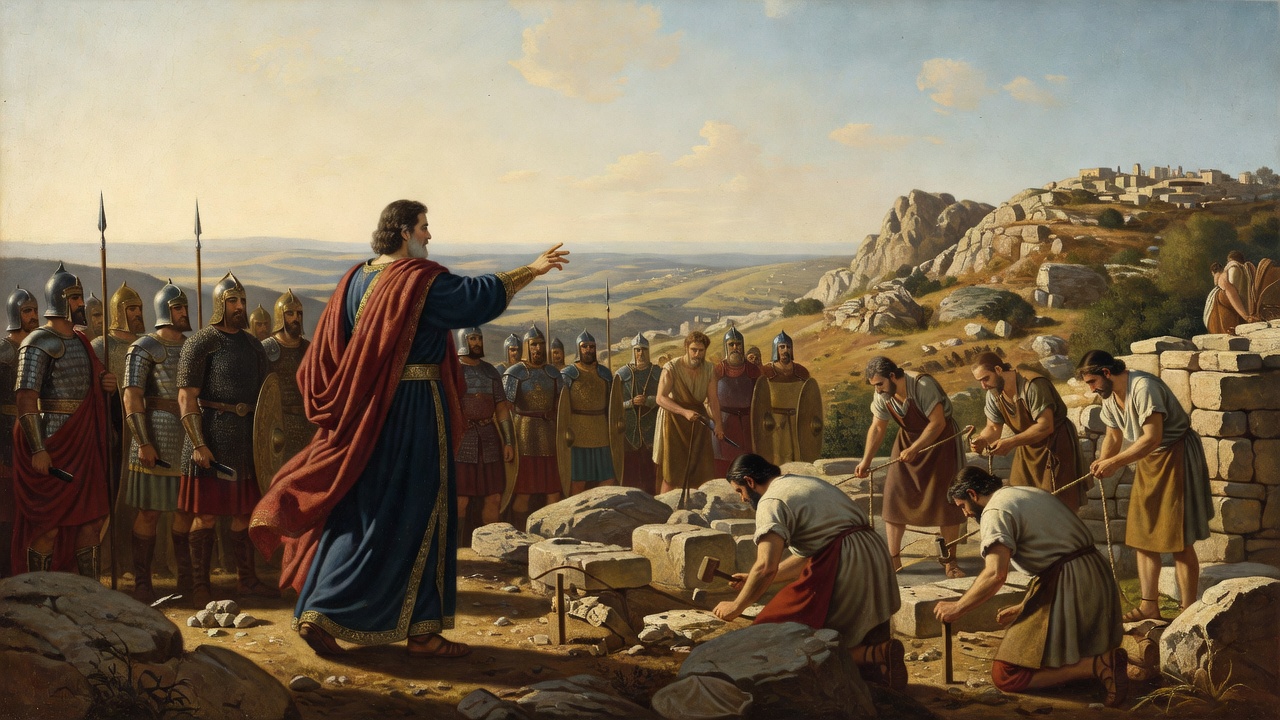
- The northern kingdom experienced extreme political instability during this era. After Zimri assassinated Elah in Tirzah, he ruled for only seven days before commander Omri besieged the city, prompting Zimri to burn the palace over himself; Omri then had to fight a four-year civil war against a rival claimant, Tibni.Sources: the Bible text itself · Zimri · Omri · Tirzah
- After ruling from Tirzah for six years, King Omri established a new permanent capital. He purchased a prominent, steep-sided hill from an owner named Shemer for two talents of silver, built a fortified royal city on its summit, and named it Samaria.Sources: the Bible text itself · Samaria · Omri
- Omri's son Ahab expanded royal alliances by marrying Jezebel, the daughter of the Sidonian king Ethbaal. Ahab went beyond the religious practices instituted by Jeroboam by establishing state worship for Phoenician deities, erecting a temple and altar to Baal as well as an Asherah pole in Samaria.Sources: the Bible text itself · Ahab
Notes written with AI assistance from open sources (Theographic Bible Metadata, CC BY-SA 4.0; Easton’s Bible Dictionary, public domain) and reviewed before publishing.
Places in this chapter
- Samaria · 32.276, 35.195 · verses 24, 28, 29, 32
- Jericho · Today: Tell es Sultan · 31.872, 35.445 · verse 34
Only places identified with high confidence are shown (90% or more according to the scholarly sources compiled by OpenBible). Period map: DARE (Digital Atlas of the Roman Empire), CC BY 4.0; modern map: © OpenStreetMap contributors; places: OpenBible.info (CC BY 4.0).
Credits and license for this translation
Bibiri Kuyie Nnɑ́ɑǹtì Pɑ́tíri
The Holy Bible in the Ditammari language of Benin
copyright © 2001 SIM International
Language: Ditammari
Translation by: SIM
This translation text is made available to you under the
terms of the Creative Commons License: Attribution-Noncommercial-No Derivative Works.
( http://creativecommons.org/licenses/by-nc-nd/3.0/ )
In addition, you have permission to port the text to different file formats, as long as you
do not change any of the text or punctuation of the Bible.
You may share, copy, distribute, transmit, and extract portions
or quotations from this work, provided that you include the above copyright
information:
You must give Attribution to the work.
You do not sell this work for a profit.
You do not make any derivative works that change any of the actual words or punctuation of the Scriptures.
Permissions beyond the scope of this license may be
available if you contact
us with your request.
This translation is made available to you under the terms of the
Creative Commons Attribution-No Derivatives license 4.0.
You may share and redistribute this Bible translation or extracts from it in any format, provided that:
You include the above copyright and source information.
You do not make any derivative works that change any of the actual words or punctuation of the Scriptures.
Pictures included with Scriptures and other documents on this site are licensed just for use with those Scriptures and documents.
For other uses, please contact the respective copyright owners.
2022-05-31
Source: http://ebible.org/tbzsim/ · eBible.org