1 John 3
Bibiri Kuyie Nnɑ́ɑǹtì Pɑ́tíri · Tap a verse to see its cross-references.
Kuyie mbí í dòmmɛ̀ kɛ́ndɔɔri mɛyɛi
1Wéntɛ́nɛ̀ ti cicɛ Kuyie nti dɔ́ kɛ̀ dɛ̀ dɛu kɛ mɑmɛ̀, kɛ̀ ti yu kɛ tú ku bí, kɛ̀ ti mɛ̀nkɛ ì tu. Bɛ̀ɛ̀ yetɛ Kuyie mbɛ̀ yóó ti yetɛmu, kɛ yɛ̃́ bɛ̀ í yɛ̃́mɛ̀ Kuyie. 2N kɔbɛ n dɔ́ bɛ̀, ti tú Kuyie mbí nyi di mmɔ̀nnì, ti nɛ́ mu nyí yɛ̃́ weti weti ti yó ndòmmɛ̀, ti nɛ́ yɛ̃́mu kɛ dò nhò bo wɛ̃tɛní dìì yiè ti bo ò dòntɛnɛ̀, kɛ yɛ̃́ ti yóó ò yɑ̀mɛ̀ ò dòmmɛ̀ pɑ́íí. 3Wèè bɑ̀ɑ kɛ bo dontɛnɛ̀ Kirisi, wè nwénkùnko omɑ́ɑ̀ pɑ́íí Kirisi dòmmɛ̀.
4Wèè dɔ̀ɔ̀ri mɛyɛi, nhò yetɛ Kuyie nkuɔ́ nyi, kɛ yɛ̃́ mɛyɛi ntúmɛ̀ ɑ bo yetɛ́nɛ́mɛ̀ Kuyie nkuɔ́. 5Di yɛ̃́mu kɛ dò nKirisi í mɔkɛ mɛyɛi nkɛ kɔ̀tɛní kɛ bo dɛitɛ bɛnìtìbɛ̀ yɛi. 6Wèè ò tɑunnɛ̀ ò ɔ̃ɔ̃ í nkpɑɑ́ dɔɔri mɛyɛi. Wèè mɛ nkpɑɑ́ dɔɔri mɛyɛi nhò í ò yɛ̃́, ò ketɛ́ kɛ í ò yɑ̀. 7M bí, di bɑ́ɑ́ yie nkòò mɔù di soutɛ́, wèè dɔ̀ɔ̀ri Kuyie ndɔ́mɛ̀ weè wenni kɛ dònnɛ̀ ti Yiɛ̀ nYesu. 8Wèè kpɑɑ́ dɔɔri mɛyɛi nhò tu dibɔɔ̀ kou nwe. Kɛ yɛ̃́ dibɔɔ̀ dɔ̀ɔ̀rimɛ̀ mɛyɛi mmɛ nɛ̀ dì bomɛ̀. Kɛ̀ Kuyie mBirɛ kɔ̀tɛní kɛ bo pɑɑ ndibɔɔ̀ kó mutɔ̃mmú.
9Wèè tu Kuyie mbirɛ ò ɔ̃ɔ̃ í nkpɑɑ́ dɔɔri mɛyɛi nkɛ yɛ̃́ Kuyie nkó mɛborimɛ bomɛ̀ o miɛkɛ. 10Ntɛ dɛ̀ɛ̀ bɑ̀ɑ̀tì Kuyie mbí nɛ̀ dibɔɔ̀ kpɛyi. Wèè í dɔɔ̀ri Kuyie ndɔ́mɛ̀, yoo ò í dɔ́ otɔù ò í tú Kuyie mbirɛ.
Ti bo ndɔ́mɛ̀ titɔbɛ̀
11Ti kèè tì mɛketimɛ̀ tiì tu: Tí ndɔ́ titɔbɛ̀. 12Ti bɑ́ ndònnɛ̀ Kɑyɛ̃ɛ̃, wèè do tú dibɔɔ̀ kou, kɛ́kuɔ o nɑntɛ̀, kɛ nɛ́ tɛ̀ kùɔ bɑ nkpɛ́í? Tɛ tɔ̃mmú wenni mɛ̀ɛ̀ kpɛ́í nkòo kɔ̃mu sĩ.
13N kɔbɛ kɛ̀ kutenkù kɔbɛ bɛ̀ɛ̀ yetɛ Kuyie nkɛ̀ bɛ̀ di níí ndɛ̀ bɑ́ɑ́ di di. 14Ti yɛ̃́mu kɛ dò nti yɛ̀ mukṹṹ nkó kucɛ, kɛ tɑ mufòmmu kɔku ti dɔ́ mɛ̀ɛ̀ kpɛ́í ntitɔbɛ̀. Wèè í dɔ́ otɔù ò kpɑɑ́ mukṹṹ nkó kucɛ miɛkɛ nkɛ. 15Wèè níí nho kou tɔù ò tu onitikɔ̀ùtì nwe, di yɛ̃́mu kɛ dò nhonitikɔ̀ùtì í yó nfòù sɑ̃́ɑ̃̀. 16Yesu duɔ́mmɛ̀ omɑ́ɑ̀ kɛ̀ bɛ̀ ò kùɔ ti kpɛ́í ndɛɛ̀ bɛnkú ò ti dɔ́ mɛ̀, ti múnkɛ dò nkɛ́duɔ́ ntimɑ́ɑ̀ ndi titɔbɛ̀ kpɛ́í. 17Kòò mɔù mɔ̀kɛ o kpɛrɛ, kòo tɔù kpɑ, kòò í dɔ́ kóò pɑ̃, ò bɑ́ɑ́ nɑ kɛ́ntú ò dɔ́ Kuyie. 18M bí, ti bɑ́ ndɔ́ titɔbɛ̀ nɛ̀ ti nɔ mɑ́ɑ̀, yóunɛ̀ kɛ̀ ti dɔɔ̀rìmɛ̀ mɛɛ̀ mbɛnkú ti dɔ́mɛ̀ titɔbɛ̀.
Ti bo mbɑ́ɑ́mmɛ̀ Kuyie nkɛ bɑ́ nyĩɛ̃̀kù
19Mɛmmɛ ti bo bɑntɛ́mɛ̀ kɛ dò nti dɔɔri Kuyie ndɔ́mɛ̀ kɛ bɑ́ nyĩɛ̃̀kù. 20Kɛ̀ ti yɛ̀mmɛ̀ mɛ nti bekùnɛ̀, Kuyie mpɛ̃ɛ̃tɛ́mu ti yɛ̀mmɛ̀, kɛ yɛ̃́ dɛmɔu. 21N kɔbɛ n dɔ́ bɛ̀ kɛ̀ ti yɛ̀mmɛ̀ mɛ nyí ti bekùnɛ̀, ti mɔkɛmu dikɔ̃m̀bùɔ̀ Kuyie mborɛ̀. 22Kù ti pɑ̃ɑ̃ nti kù mɔ́ú dɛ̀ɛ̀ kó dimɑ̀ɑ̀ ti yie mmɛ̀ɛ̀ kpɛ́í nkɛ ku kpɛti kɛ dɔɔri kù dɔ́mɛ̀. 23Kuyie nti nɑ̀kɛ́ dìì tɑnnùù tu: Tí ntɑ̃́ ku Birɛ Yesu Kirisi nwe, kɛ́ndɔ́ titɔbɛ̀. 24Wèè yíé nKuyie ntɑnnɔ̀, ò kù tɑunɛ̀mu kɛ̀ kù ò tɑ̀unɛ̀. Muyɑɑ́nsɑ̀ɑ̀mù Kuyie nti duɔ́ mmù muù ti nɑ́ɑ́ nkù ti bonɛ̀mɛ̀.
Did you know?
Children of God and brotherly love
- The warning not to be like Cain recalls Adam and Eve's firstborn, a tiller of the ground, whose brother Abel followed a pastoral life. They presented offerings: Abel's, of the firstlings and the fat of his flock, was accepted as more excellent, and Cain, whose offering was of the fruit of the ground, became very angry. The letter says Cain belonged to the evil one and murdered Abel because his own deeds were evil and his brother's were righteous.Sources: Cain · the Bible text itself
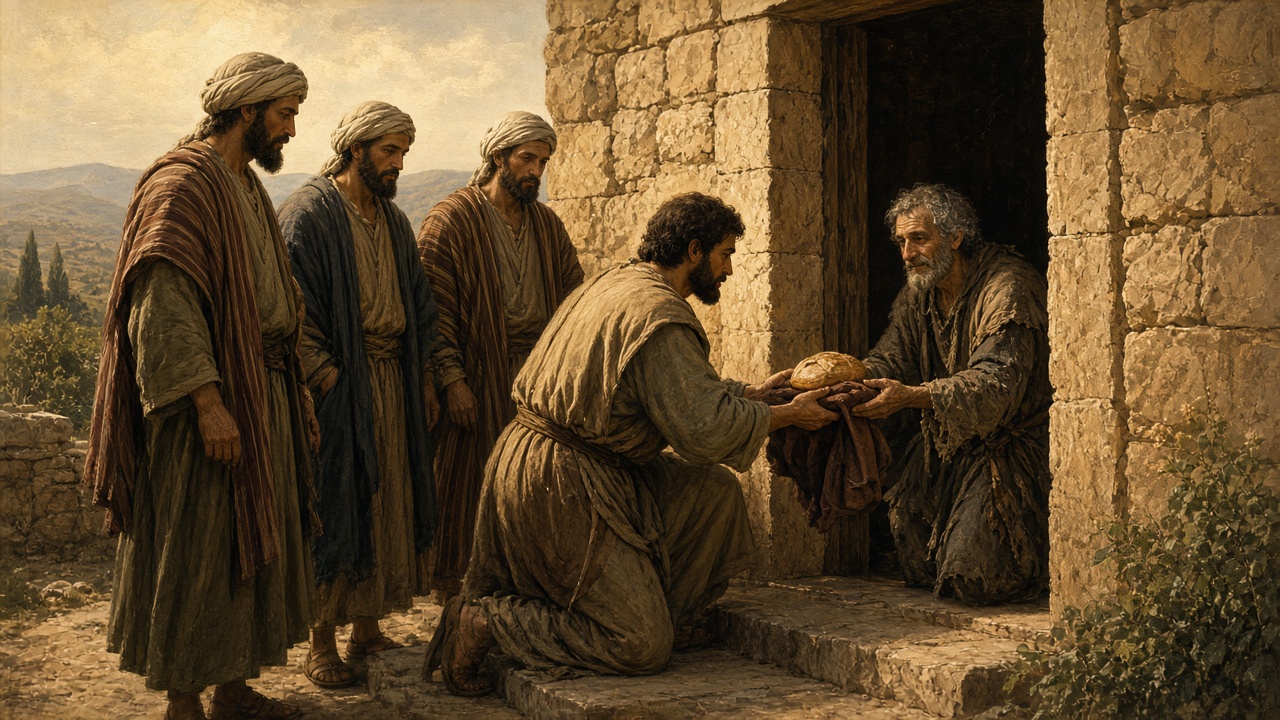
- In this chapter, hating a brother is treated as murder: everyone who hates his brother is a murderer, and eternal life does not reside in a murderer. Love is known because Jesus laid down his life for us, and the readers are told they ought to lay down their lives for their brothers.Sources: the Bible text itself
- The children of God are distinguished from the children of the devil by practicing righteousness and by loving one's brother. The message heard from the beginning is that we should love one another, and God's commandment is to believe in the name of his Son, Jesus Christ, and to love one another as he commanded.Sources: the Bible text itself
Notes written with AI assistance from open sources (Theographic Bible Metadata, CC BY-SA 4.0; Easton’s Bible Dictionary, public domain) and reviewed before publishing.
Credits and license for this translation
Bibiri Kuyie Nnɑ́ɑǹtì Pɑ́tíri
The Holy Bible in the Ditammari language of Benin
copyright © 2001 SIM International
Language: Ditammari
Translation by: SIM
This translation text is made available to you under the
terms of the Creative Commons License: Attribution-Noncommercial-No Derivative Works.
( http://creativecommons.org/licenses/by-nc-nd/3.0/ )
In addition, you have permission to port the text to different file formats, as long as you
do not change any of the text or punctuation of the Bible.
You may share, copy, distribute, transmit, and extract portions
or quotations from this work, provided that you include the above copyright
information:
You must give Attribution to the work.
You do not sell this work for a profit.
You do not make any derivative works that change any of the actual words or punctuation of the Scriptures.
Permissions beyond the scope of this license may be
available if you contact
us with your request.
This translation is made available to you under the terms of the
Creative Commons Attribution-No Derivatives license 4.0.
You may share and redistribute this Bible translation or extracts from it in any format, provided that:
You include the above copyright and source information.
You do not make any derivative works that change any of the actual words or punctuation of the Scriptures.
Pictures included with Scriptures and other documents on this site are licensed just for use with those Scriptures and documents.
For other uses, please contact the respective copyright owners.
2022-05-31
Source: http://ebible.org/tbzsim/ · eBible.org