Mark 2
Mak Osɨrisira Akaman Aghuuŋ ko Iesusɨm Mbɨsevisir Gumasi · Tap a verse to see its cross-references.
Iesusɨ usue rako afhari amɨrasi gumaghan mav aŋga amuisima a nomthegha indera
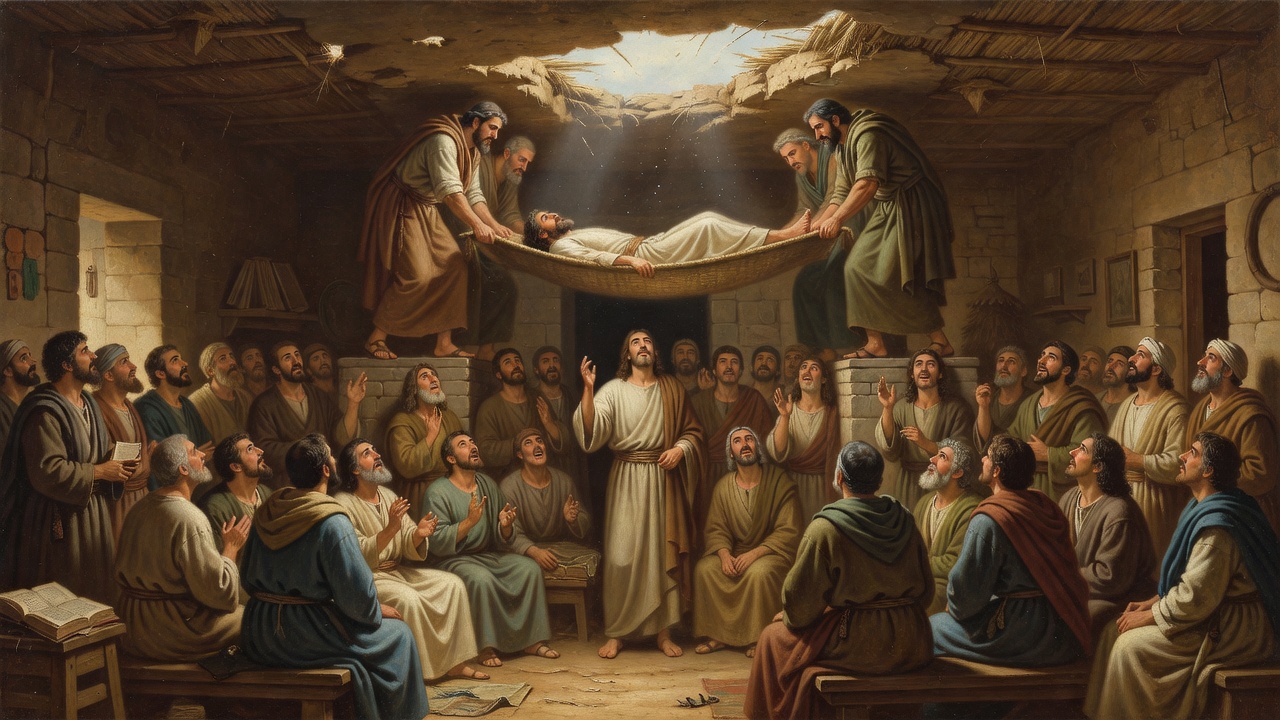
1Uthusir marsi gɨvasima, Iesus nomthegha Kaperneamɨn zee. A za rɨphenani itima gumasi rako amisira avɨrara a nomthegha zesira akamam mbaraghi. 2Mee akaman khavɨ oraegha zesima rɨphen bari izɨvasima aŋni itɨmam mburoghɨn ivɨre izɨva. Uthughun khavɨn Iesus Gotɨna akaman mem mbɨkɨri. 3Ana akamɨ ukurima, gumasir marsi gumaghanɨ usue rako afhari arɨghiresir mav nigha aŋmɨusua zii. Gumaghan phunini ko phunini akuuna aŋgi isaghuphɨgha zii. 4Mee za garima rɨphenani itɨmam mburoghɨn bar izɨvasima, mee Iesusɨusua azaaŋni iŋgura. Mee gumaghan khav nigha rɨphenani isɨɨŋn guavanambogha rɨphenani isɨɨŋn thooŋga amuigha umbuera akuu rafhagha ana amandasima a Iesusɨusua zeghiri. 5Uthughun khavɨn Iesus gumasir kharsir nɨghnɨghana aghavagharan ganigha kamaghɨ usue rako afhari amɨrasi gumagham mbɨŋgeeghi, “Nano otar, kɨ nɨɨno othevir maghatɨsi gɨna amanda.”
6Iesus kamagh aŋm mbɨŋgeema, Judariro othevi ikeeŋsi gumasi apiighav ikhava norira non navira averir kamaghɨm mbɨŋgeeghi, 7“Gumaghan khav thoghousua kamaghɨm mbɨŋgeeghi? A Gotɨna aŋan niamɨusua amui! Gumaghan khɨna thav gumaghan igharisi thavɨno othevir maghatɨsi gɨna amandagham phatɨghami. Got nombɨra.” 8Mee kamaghɨ nɨghɨnɨsima, Iesusɨ uzuamɨra non navana aven men nɨghɨnɨsi ikeeŋga kamagh mem mbɨŋgeeghi, “Gee manmaghɨusua kamagh nɨghɨnɨsi? 9Kɨ manmaghatɨsira akamanɨ usue rako afhari amɨrasi gumagham mbɨkɨmti? Mana akamambaaŋ indera. Kɨ nɨɨno othevir maghatɨsi gɨna amanda, o? Kɨ kamaghɨm mbɨkɨmaŋga nɨɨ nomthegh inderaghɨri. Nɨɨ rɨkavigh nona akuu nigh maŋɨ. Kɨ manmagha amuisi akamam mbɨkɨmti, gee aŋm mbaraghɨv kamaghɨm mbɨkɨmaŋga a indera. 10Kɨ othɨvhan khav ramuightima, gee ganighi ikeeŋgemi, Gumasir Otar a unuaghɨnan khavɨno othevir maghatɨsi gɨna amaaŋgamiri izɨɨ iti.” A kamagh gumaghanɨ usue rako afhari amɨrasi thavɨm mbɨŋgeeghi, 11“Kɨ nɨɨm mbɨŋgeeghi, nɨɨ rɨkavigh nona akuu nigh rɨphenan maaŋɨri.” 12Am mbɨŋgɨvɨre itima mee garima gumaghan khav rɨkavighava nona akuu nigha akɨran zui. Gumasi rako amisi bar aŋn ganigha rɨŋgavan maghatɨgha amuigha Gotɨni izɨɨ ufhava kamaghɨm mbɨŋgeeghi, “Ee ufhuaragha kamagha amuisi bigha thavɨn ganis phatɨ!”
Iesus nombɨn gɨn maŋamɨusua Livain deeghi
13Iesus nomthegha Galilin rɨmɨm mbɨroghɨn gueghiri. A gueghirima, gumasi rako amisira avɨrara zava nori akuvasima, a men surea amui. 14A men surea amuava rɨmɨm mbɨroghɨn gua Alfiusɨn otar Livain garima, a gavmanɨ ranɨɨŋgamira aŋgɨro ovɨsi nir rɨphenan apheraghav iti. Iesus aŋn garava, kamagh aŋm mbɨŋgeeghi, “Nɨɨ nan gɨn zɨri.” Maghɨra Livai aŋm mbaraegha, rɨkhavigha aŋn gɨn zui.
15Gɨn Iesus Livain rɨphenani ikhava non suren gumasir phorughava aphi. Aŋgɨro ovɨsi nii gumasira avɨrara ko othevir maghatɨsigha amuir gumasira avɨrara, mee ivɨra men phorugha aphi. Kamagha amuir gumasira avɨrara, mee ivɨra Iesusɨn gɨna arui. 16Mee apha itima, Judariro othevi ikeeŋsi Farisiiŋn gumasi mee aŋn ganigha, aŋn suren gumasira azaaghi, “A manmaghɨusua aŋgɨro ovɨsi nii gumasi rako othevir maghatɨsigha amuir gumasir phorughava aphi?” 17Iesus mena azaaŋsɨgha oraegha kamagh mem mbɨŋgeeghi, “Arɨmarɨ phatɨsir gumasi, arɨmarɨa rɨkɨrir gumaghaousua zui phatɨ. Arɨmarɨ iti gumasi, mee arɨmarɨa rɨkɨrir gumaghaousua zui. Kɨ othevira aghuigha amuir gumasi rako amisivɨusua zesi phatɨ. Kɨ othevir maghatɨsigha amuir gumasi rako amisir dɨmamɨusua zee!”
Mee aghae thamɨrasiro othɨvhaousua Iesusɨna azaaghi
18Uthughun mavɨn Jonɨn suren gumasi rako Farisiiŋn suren gumasi mee Gotɨn phorughum mbɨkɨmamɨusua aghae thamɨrasi. Iesusɨn suren gumasi uthughun khavɨn aphima gumasir marsi Iesusɨusua zava kamagh aŋna azaaghi, “Khara manmaghɨra amuisiro othɨv? Jonɨn suren gumasi rako Farisiiŋn suren gumasi mee thighira Gotɨn phorughum mbɨkɨmamɨusua aghae thamɨrasima, nɨɨn suren gumasi Gotɨn phorughum mbɨkɨmamɨusua aghae thamɨrasi phatɨ.” 19Mem mbɨŋgeema Iesus kamagh mena azaaghi, “Gumaghan mava amuuŋni ikhaousua ishamani ikhɨva amuava gumasir marsir dɨɨsima mee zee. A men phorugh ikhɨtima, mee manmaghɨra ramuti, mee aghaa thamɨraghami, o phatɨghami. A men phorugh ikhɨtima mee aghaa thaeghem phatɨghami. 20Mee aghae thamɨrasirɨ uthugh iti. Kha uthugh zɨtima, gumasir marsi amuuŋni ikhaamir gumaghanɨ usuiragh maŋɨti, mee kha uthughun aghaa thamɨraghami.
21Gumagha thavɨm mbɨsasin ofhɨghan ikama thav nigha shaaran gura thavɨn phorugha ana isamisi phatɨ. A mamagh ramuighɨva ana urutima mbɨsasin ofhɨghan ikam ikonigh shaaran gure ikuighɨva, anebiightima aŋn thooŋ guisimbaaŋra bar ikhevighemi. 22Gumagha thav uainiro ovɨsiri imbooriri iŋgaa nighɨva, asɨghan nerɨm mbɨsɨvan guro uruighem phatɨghami. A kamagh ramuightima uainiro ovɨsiri imboori bughɨva asɨghan nerɨm mbɨsɨvan gura biighɨva, uainiro ovɨsiri imboori ko asɨghan ner, aniiŋ ivɨra maghatiighemi. A kamagh ramuighem phatɨghami. A uainiro ovɨsiri imbooriri iŋgaa nigh asɨghan nerɨm mbɨsɨvan ikamaro uruighemi.”
Gumasir Otar ana avhughususanɨ uthughuni Ikhɨv
23Iesus avhughususanɨ uthughun mavɨn, raisɨn mɨn garira aghan mav, uit, mee aŋn mɨghɨni ikhɨvan thooŋn zui. Aŋn suren gumasi aŋn phorugha gua uitiro ovɨsi ukuara zui. 24Mee zuima Farisiiŋn marsi men ganigha kamagh Iesusɨm mbɨŋgeeghi, “Nɨɨ ganɨri. Mee manmaghɨusua othɨvhan khav aŋga amuava avhughususanɨ uthughuno othɨvhan gɨn zui phatɨ?”
25Iesus mee ikaragha kamaghɨm mbɨŋgeeghi, “Gee, Devit amuisir bighaaŋ mee ana osɨrisima a iti, gee aŋn ganisi o, phatɨ? A non gumasir phorugha mem mbɨtii mena azima a bighan khuaŋga amui. 26A gua Gotɨn rɨphenana aven gugha Gotɨ aniiŋsi uvisirɨ uthuu ame. Ana anda aphava, ivɨra marsi nigha non gumasigha aniiŋsima, mee ivɨrama anda ame. Kha uthughun Abiatar, Gotɨna aphuraphurava aghae rako bisir aŋga anɨndir gumasira aphanani itima, Devit anda ame. Judariro othɨvhan khav iti. Uvisirɨ uthuur kharsir Gotɨna aphuraphurava aghae rako bisir aŋga anɨndir gumasira anda aphi, gumasir khɨni phatɨ. Uthughun khavɨn Devit, gumaghan khɨn, uvisirɨ uthuur kharsi ame.”
27Iesusɨm mbɨŋgɨ guava kamagh mem mbɨŋgeeghi, “Got gumasira akuruvaghaousua avhughususanɨ uthugha athɨ. Ana avhughususanɨ uthughuna akuruvaghaousua gumasi athɨsi phatɨ. 28Gumasir Otar ana avhughususanɨ uthughuni Ikhɨv.”
Did you know?
Forgiveness, a Tax Collector, and the Sabbath
- Capernaum, “Nahum’s town,” was a Galilean city not mentioned in the Old Testament. Easton's Bible Dictionary (1897) says that after Jesus was expelled from Nazareth it became his “own city,” which fits Mark’s report that people heard he was home and packed the house until there was no room even outside the door. Four men then uncovered the roof, made an opening, and lowered a paralyzed man on his mat.Sources: Capernaum · the Bible text itself
- The man at the tax booth was Levi, son of Alphaeus, a tax collector in Capernaum. Easton's Bible Dictionary (1897) says he had been known as Levi and took the name Matthew—a common Jewish name after the Exile, meaning “gift of God”—possibly in grateful memory of his call. The same day, it says, he gave a great farewell feast for Jesus and his disciples, and probably for many former associates, the gathering Mark describes with tax collectors and sinners.Sources: Matthew · Alphaeus · the Bible text itself
- Challenged because his disciples picked heads of grain on the Sabbath, Jesus spoke of David entering the house of God and eating the consecrated bread, lawful only for the priests, “during the high priesthood of Abiathar,” and sharing it with his hungry companions. Easton's Bible Dictionary (1897) identifies Abiathar as the son of the high priest Ahimelech, who escaped when his father and the priests of Nob were killed, carried away the ephod, and joined David in the cave of Adullam.Sources: Abiathar · the Bible text itself
Notes written with AI assistance from open sources (Theographic Bible Metadata, CC BY-SA 4.0; Easton’s Bible Dictionary, public domain) and reviewed before publishing.
Credits and license for this translation
Mak Osɨrisira Akaman Aghuuŋ ko Iesusɨm Mbɨsevisir Gumasi
Published Mark & Acts
Mak na Aposol long tokples Akukum long Niugini
copyright © 2006, 2010 Bible Society of Papua New Guinea and Pioneer Bible Translators
Language: Akukem
Translation by: Pioneer Bible Translators
Mak Osɨrisira Akaman Aghuuŋ [Mark]
© 2006 Bible Society of Papua New Guinea;
Iesusɨm Mbɨsevisir Gumasi [Acts]
© 2010 Pioneer Bible Translators
This translation is made available to you under the terms of the
Creative Commons Attribution-No Derivatives license 4.0.
You may share and redistribute this Bible translation or extracts from it in any format, provided that:
You include the above copyright and source information.
You do not make any derivative works that change any of the actual words or punctuation of the Scriptures.
Pictures included with Scriptures and other documents on this site are licensed just for use with those Scriptures and documents.
For other uses, please contact the respective copyright owners.
2022-06-21
Source: http://png.bible/spm/ · eBible.org