Mark 1
Mak Osɨrisira Akaman Aghuuŋ ko Iesusɨm Mbɨsevisir Gumasi · Tap a verse to see its cross-references.
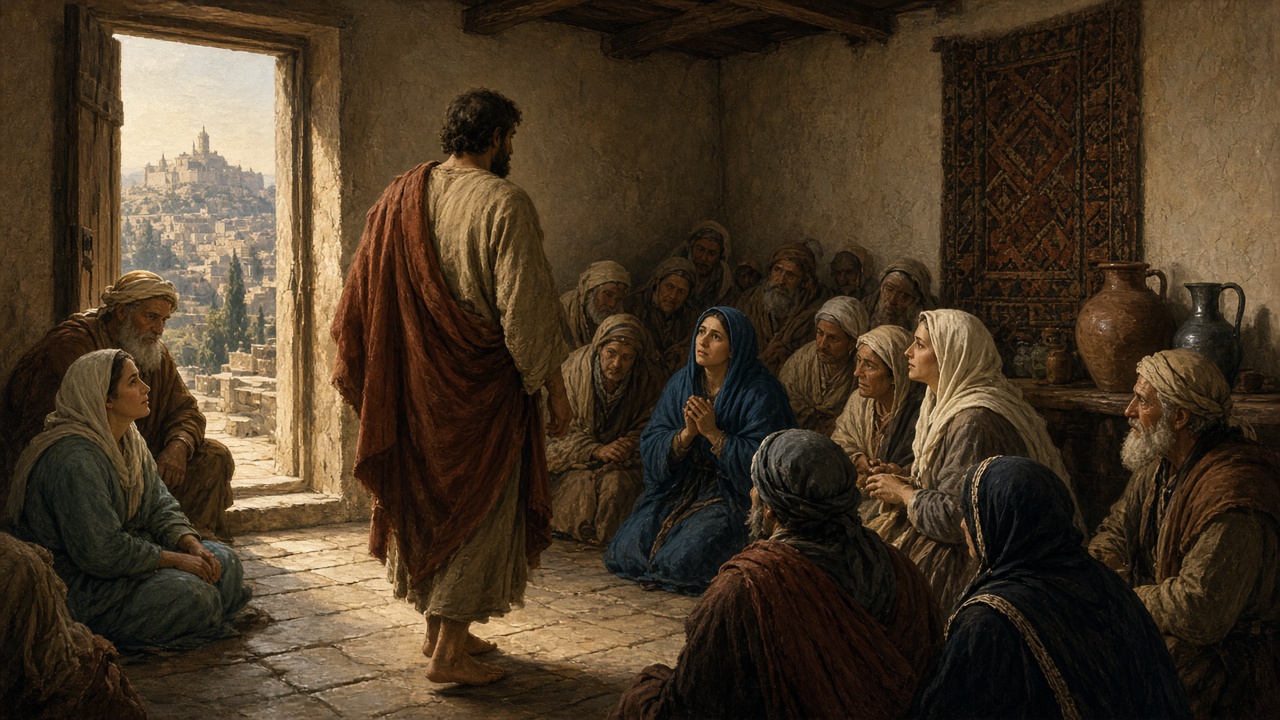
About this book
About Mark
- Easton's Bible Dictionary (1897) identifies the evangelist as John, whose surname was Mark. Mark, or Marcus, was his Roman name and gradually replaced the Jewish name John. He was the son of Mary, a woman of some means and influence, was probably born in Jerusalem, where she lived, and was a cousin of Barnabas; of his father, the entry says, nothing is known.Sources: Easton: Mark
- Easton's Bible Dictionary (1897) does not give a date for the Gospel. It places Mark with Paul and Barnabas on their first journey about A.D. 47 as their attendant, called their minister; he turned back at Perga in Pamphylia, and about three years later Paul refused to take him, which caused a sharp contention with Barnabas. The entry says he was later reconciled, was with Paul during his first imprisonment in Rome, then with Peter in Babylon—at that time and for some centuries afterward one of the chief seats of Jewish learning—and with Timothy in Ephesus.Sources: Easton: Mark
- Under the Romans in the time of Christ, Judea was the southernmost of the three divisions of Palestine and part of the province of Syria, though the name was sometimes used for Palestine as a whole. Pontius Pilate, the sixth procurator of Judea (A.D. 26–36), had his headquarters at Caesarea but often went up to Jerusalem; his rule covered the ministries of John the Baptist and of Jesus.Sources: Judea · Pontius Pilate
- The Jews called the region Galil; because its original inhabitants remained there a long time, it was also called Galilee of the Gentiles, and Upper Galilee was distinguished from Lower Galilee to the south. Simon Peter, of Bethsaida on the western coast of the Sea of Galilee, was trained as a fisher, and James and John, sons of Zebedee, also worked as fishermen on that lake.Sources: Galilee · Simon Peter · James (Son of Zebedee) · John the Apostle
- Easton considers it probable that Mark was converted by Peter in his mother's house in Jerusalem, where Peter, released from prison, found many gathered in prayer, and notes that Peter calls him his son. The same entry also thinks it probable that the young man mentioned in Mark 14:51–52 was Mark himself.Sources: Easton: Mark
Notes written with AI assistance from open sources (Theographic Bible Metadata, CC BY-SA 4.0; Easton’s Bible Dictionary, public domain) and reviewed before publishing.
Iesus zava Got kha bisigha ativamirɨ uthughun gunɨm mbɨŋgeeghi
Gumasi uruer gumagh Jon, a ufhuaragha zava Iesusɨna akamɨ ukuri
1Kha mbɨghar Iesus Krais Gotɨn Otar rɨkɨnarɨ kharaghava amuisiri iŋaarir aghuuir gunɨm mbɨŋgeeghi.
2Aisaia Gotɨna akam nigha zesi gumagh, Got fhomɨra nona akaman aŋga anɨɨŋi. Anana osɨrisima, an aŋm mbɨŋgharani iti. Ma akamara khara. “Nɨɨ oragh! Kɨ nona ambuuŋn gumagha amandaghtima, a ufhuaragh maŋɨva nɨɨmɨusua utuaviri iŋarami. 3Gumaghani itɨɨŋn mav gumasi iti phatɨsira aŋanan dɨɨ mbɨŋgeeghi, ‘Gee Ikhɨvaghava utuavi azenɨva, anda rɨkɨr.’ ”
4Kamagha amuisima Jon zava gumasi iti phatɨsira aŋaniri ikhava akamɨ ukurava gumasi urua mem mbɨŋgeeghi, “Gee navighɨ raghtima kɨ gee urueghtima Got geno othevir maghatɨsi gɨna amaaŋga.” 5Ana akaar kharsi vɨŋgeema Judian distrighɨni itirɨ uŋuimba ko Jerusalemɨni iti gumasi rako amisi mee bar zava nono othevir maghatɨsir gunɨm mbɨŋgeema a Jordanɨ rɨmɨn mee urue.
6Gumasi uruer gumagh Jon, a kamelɨn asɨghana arɨghɨnana amuisi shaara sharagha ana asɨghan nerɨn mɨghasɨgha noni iva dii. A nerɨn khava sharagha ondaesi rako apharira aroroe apha iti. 7Aŋna akam kamaghɨm mbɨŋgeeghi, “Nan gɨn zaami gumagh aŋn gamgaaŋ guisimbaaŋra nan gamgaaŋga afhira. Kɨ aŋn mɨna amuisi phatɨ. Kɨ ivɨra aviraghɨva aŋna aŋgarir shaarirɨ umbuea afhɨrami thughatɨs phatɨ. 8Kɨ rɨmɨn gee urue, a gɨn zɨva Gotɨnɨ Utuman gamgaaŋn gee uruami.”
Iesusɨ uruegha gɨvasima Satan aŋn khori ramuamɨusua aŋga aghori
9Kha uthughun Iesus Galilin distrighɨni itirɨ uŋuu Nasareta thaeghava Jonɨmɨusua zesima, a Jordanɨ rɨmɨn ana urue. 10Iesus rɨmɨna aveni ikegha akɨran otuivi utughura a garima ovhee ukusima Gotɨnɨ Utum fhaman mɨnɨm mbɨghegha aŋmɨusua zeghiri. 11Gumughun a zeghirima itɨɨŋn mav Gotɨnɨ uŋuuni ikha dɨɨ kamaghɨusue, “Nɨɨ nano Otar. Kɨ bar nɨŋgi iphui. Nan nav bar nɨɨn vhusvhusi.”
12Gumughun Gotɨnɨ Utum ana amandasima a gumasi iti phatɨsira aŋanan gu. 13A gugha, 40 pɨlan aroe rako rɨmaŋgarir kha aŋanani itima, Satan aŋn khori ramuamɨusua aŋga aghori. A uruaŋni itira asɨsir thooŋni itima, Gotɨn enseli mee aŋn garava ana akuruvasi.
Iesus gumaghan phunini ko phuninim mbɨkemisima mee aŋn gɨn zui
14Gumughun gumasi uruer gumagh Jon, mee ana nigha rɨvɨnan khɨrthɨgha athɨsima, Iesus gɨn Galilin distrighɨn gugha Gotɨna akamana aghuuŋ ukuri. 15A kamaghɨm mbɨŋgeeghi, “Got kha bisigha ativamirɨ uthugho otuivousua bara aghangera zee. Gee navighɨ raghɨva nɨghnɨghana aghavagharan Gotɨna akamana aghuuŋni ikhɨɨ.”
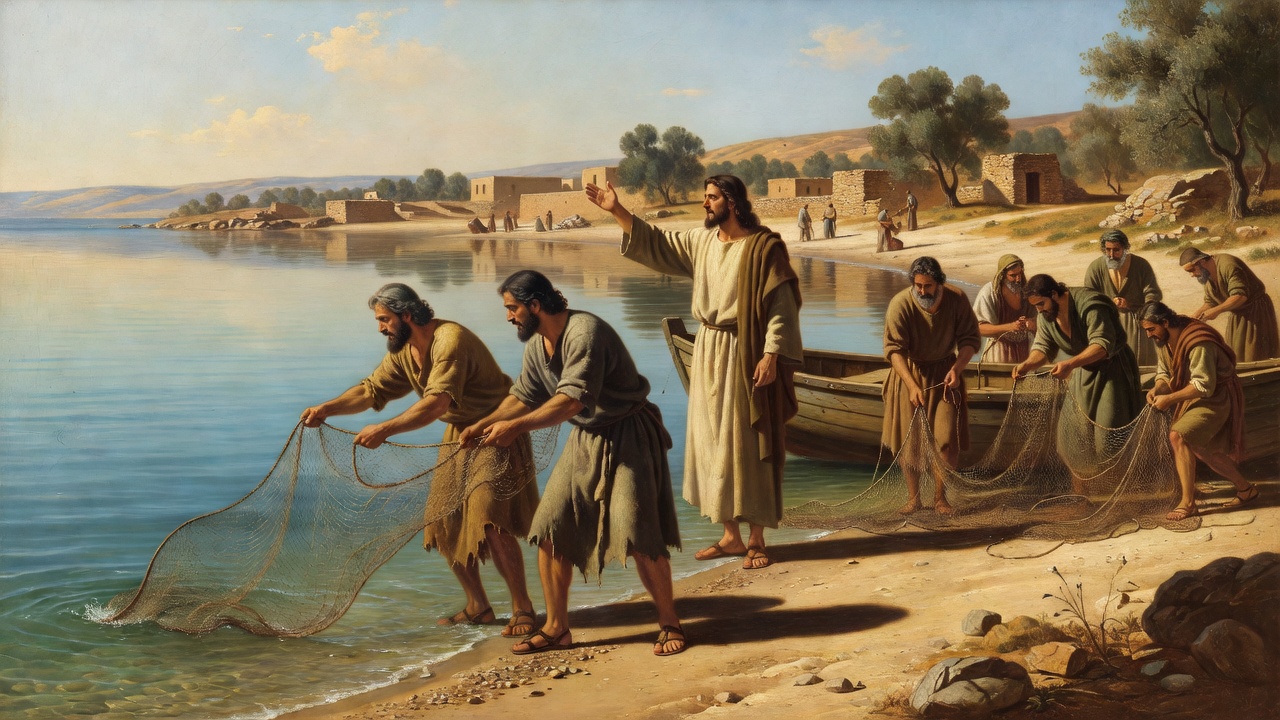
16Uthughun mavɨn Iesus Galilin rɨmɨm mbɨroghɨn gua Saimon nonɨ undooghan Andru ko aniiŋn garima, aniiŋ osɨrivɨusua noniiŋ noni ivhaeri ikii ukuri. Aniiŋ osɨri nia andaghɨ uvhuesi gumaghaniiŋ. 17Mauthughura Iesus kamagha aniiŋm mbɨŋgeeghi, “Aŋgo nan gɨn zɨtima kɨ aŋgon khɨvaghtima, aŋgo osɨri nii mogh gumasi niaŋga.” 18Aniiŋ aŋna akamam mbaraghavɨre ikha, noniiŋ noni ivhea thaegha aŋn gɨn zui.
19Gumughun a mange sɨvagha gua, Sebedin otar Jems nonɨ undooghan Jon ko aniiŋn garima aniiŋ noniiŋ nona akemani ikhava noni ivhaeri ikia rɨkɨri. 20Ana aniiŋn garavɨre ikha, aniiŋn deema, aniiŋ phura noniiŋ noni inaghaves Sebedi ko aŋni iŋaarir gumasia thaesima, mee norira akemani itima, aniiŋ Iesusɨn gɨn zui.
Utuman maghatɨghan mav Iesus aŋga avarasima a gumagha thaegha akɨran zee
21Iesus non suren gumasir phorugha Kaperneamɨn gusima avhughususanɨ uthugho otosima a gua Gotɨn phorugham mbɨŋger rɨphenana aven gugha, rɨphenan khavɨna aveni iti gumasi rako amisi men surea amui. 22A men surea amuima gumasi rako amisi bar aŋna akamamba oraegha rɨŋgavan maghatɨgha amui. Aŋm mbɨŋgɨmɨŋgɨr kharsi, anda izɨɨ iti gumagham mbɨŋgɨmɨŋgɨr mɨn gu. Aŋm mbɨŋgɨmɨŋgɨ Judariro othevi ikeeŋsi gumasi mem mbɨŋgɨmɨŋgɨr mɨn zui phatɨ. Kamagha amuisima gumasi rako amisi rɨŋgavan maghatɨgha amui.
23A kamagh mem mbɨŋgɨvɨre itima utuman maghatɨgha aphasagha zii gumagh a zava Gotɨn phorugham mbɨŋger rɨphenana aven zegha deeghi. 24A dɨɨ kamaghɨm mbɨŋgeeghi, “Nɨɨ manmagh ee ramuamɨusua, Iesus Nasaretiiŋn gumagh? Nɨɨti eŋga asɨghasɨghaousua zesire? Kɨ nɨɨ ikaaŋi, nɨɨ Got amandasi gumagh, nɨɨ Gotɨn arɨmaghaniiŋn bar inderasi gumaghara.” 25A deema, Iesusa akamana aghavagharan kamagh aŋm mbɨŋgeeghi, “Nɨɨ inɨmɨre ikhɨɨ. Nɨɨ kha gumagha thaegha akɨran zɨɨ.” 26Mauthughura utuman maghatɨgh Iesusɨ oraegha gumaghan khavi ikuskusa dɨɨva arava akɨran zee. 27Ana akɨran zesima, kha gumasi rako amisi bar bighan khavɨn ganigha guisimbaaŋra rɨŋgavan maghatɨgha amuigha norira norir azaaghi, “Khara manmagha amuisi bighaaŋ? A sureno otheviri iŋgaar izɨɨ iti gumaghan mɨna andar eŋga amui. A izɨɨ itir gumaghan mɨnɨm mbɨŋgeeghi. A ivɨra akamana aghavaghar ikha unduur maghatɨsi vɨŋgeema mee aŋn mɨn zui.” 28Ana amuisi bisir niaghasi uzuamɨra Galilin distrigh bar aŋga arui.
Iesus gumasi rako amisira avɨrara akuruvagha meŋga amuima mee nomthegha indera
29Iesus gumasir marsi ko Gotɨn phorugham mbɨŋger rɨphena thaeghava, Saimon ri Andru rɨphenan gue. Jems ri Jon ivɨra men phorugha gu. 30Mee gua garima Saimonɨna asamuiiŋ arɨva mbɨkarɨgh siava akoghi irɨghavi itima, gumasir marsi aŋn gun Iesusɨm mbɨŋgeeghi. 31Mee aŋm mbɨkemisima, an aŋmɨusua gua aŋna afharimuunɨ usuiragha ana ufhee. Ana ufheesima aŋna arɨmarɨm ana thaesima a rɨkhavigha maghɨra aghaer meŋga anɨndi.
32Kha uŋguar thughura, amɨn phɨrisima mee gumasi rako amisi, arɨmarɨr maghatɨsi iti tharsi rako unduur maghatɨsi aphasasi tharsi bar mee nigha Iesusɨusua zii. 33Uŋuun khavɨni iti gumasi rako amisi bar zava rɨphenan khavɨni itɨmana akamaniiŋn nori akuvagha iti. 34Mee itima, Iesusa arɨmarɨr guara avɨrare iti gumasi rako amisi mena arɨmarɨgha amuima mee indera. A unduur maghatɨsira avɨrara avarasima mee gumasi rako amisia thaegha akɨran zee. Unduur maghatɨsi ana ikaaŋi, a Gotɨn Otar. Kamagha amuisima a kamagh mem mbɨusue, “Gee kamaghɨm mbɨkɨman thaghri, ‘Kɨ Gotɨn Otar.’ ” A maghɨra mee rɨghorigharui.
Iesus gumasi iti phatɨsira aŋanan gugha Gotɨn phorugham mbɨŋgeeghi
35Amɨrɨtusi rɨmaaŋra aro thighar anandima Iesusɨ rɨkhavigha rɨphena thaegha gua gumasi iti phatɨsira aŋanan gugha Gotɨn phorugham mbɨŋgeeghi. 36A gusima Saimon no rɨkurku nigha aŋmɨusua garagharui. 37Mee gua aŋn ganighava kamagh aŋm mbɨŋgeeghi, “Gumasi rako amisi bar nɨɨmɨusua garagharui.” 38Iesus mena akamani iŋgarɨgha amua kamagh mem mbɨŋgeeghi, “Ee aghani itirɨ uŋuimbari igharis thasir maŋŋaŋga. Kɨ ivɨra munagh Gotɨna akamɨ ukunaŋga. Kɨ bighan khavɨusua Kaperneama thaegha zee.” 39A kamaghɨm mbɨkemigha Galilin distrighɨna aŋani bar andagha arui. Ana arua gua Gotɨn phorugham mbɨŋger rɨphenira aven guava akamɨ ukuri. Ana akamɨ ukura gumasi rako amisigha aphasasirɨ unduur maghatɨsi vathosi.
Iesus mamburan arɨmarɨm itir gumaghan mav aŋga amuisima, a indera
40Mamburan arɨmarɨm itir gumaghan mav Iesusɨusua zava, aŋm mbɨnɨman aviragha itɨvɨnia rɨphɨrigha phuvɨra aŋga aghori, “Nɨɨ vhusvhusighɨv, nɨɨ nara amuighti, kɨ Gotɨn arɨmaghaniiŋn inderaghɨvɨre ikaami.” 41Iesus kamagh oraegha, guisimbaaŋra bar aŋnɨ ukuarukuvi. Kamagha amuigha a nona afharimuu nigha kha gumaghani iphɨa athɨgha kamaghɨusue, “Nan vhusvhus. Nɨɨm mbɨkarɨgh nomi inderaghami.” 42Iesus kamaghɨm mbɨŋgɨvɨre itima, mamburan arɨmarɨmɨ uzuamɨra kha gumagha thaesima aŋm mbɨkarɨgh indera. 43A inderasima, Iesus kha gumagha amaŋga akamana aghavagharan kamagh aŋm mbɨŋgeeghi, 44“Nɨɨ oragh. Nɨɨ maaŋɨ bighan khavɨn gun igharisi gumagha thavɨm mbɨkɨma thaghɨri. Moses fhomɨra kamaghɨusue, ‘Nɨɨ nom mbɨkarɨghan Gotɨna aphuraphurava am mbɨŋger gumaghan khɨvaghtima a Gotɨna aphuraphurami.’ ” Iesus kamaghɨusue, “Nɨɨ Mosesɨna akaman gɨn maŋɨva nom mbɨkarɨghan Gotɨna aphuraphura am mbɨŋger gumaghan khɨvaghtima gumasi rako amisi ganighi ikeeŋgemi. Nɨɨna arɨmarɨm guisimbaaŋra gɨva.” 45Kha gumagh Iesus aŋm mbɨkemisi moghɨn amuisi phatɨ. A kha bighaaŋn gun bar mem mbɨkemi. Mamagha amuigha phoghɨni ikhɨv aŋna akuva. Kamagha amuigha a uŋuuni ikhɨva thavɨna aven mena arɨmasi rɨfhaaŋn arui phatɨ. A nombɨra gumasi iti phatɨsira aŋanan khɨnani itima gumasi rako amisi aŋmɨusua zavɨre iti.
Did you know?
The gospel begins by the Jordan and in Galilee
- John, who appears in the wilderness preaching a baptism of repentance, was of priestly descent. His father Zacharias was a priest of the course of Abia, and his mother Elisabeth was of the daughters of Aaron; his birth is said to have taken place six months before that of Jesus. His mission is described as the subject of prophecy in Isaiah and Malachi.Sources: John the Baptist · the Bible text itself
- Simon and his brother Andrew were fishermen from Bethsaida, on the western coast of the Sea of Galilee. Andrew had been a disciple of John the Baptist and had already brought Simon to Jesus; the brothers kept working as fishermen until after John's imprisonment. James and John were sons of Zebedee, a Galilean fisherman of some position in Capernaum who had hired servants of his own; they left him in the boat with those men.Sources: Simon Peter · Andrew · Zebedee · the Bible text itself
- The Sea of Galilee, also called the Sea of Tiberias, is about twelve and a half miles long and from four to seven and a half miles wide, and its surface lies 682 feet below the Mediterranean. Jesus came to be baptized from Nazareth in Galilee, a town not mentioned in the Old Testament and the home of Joseph and Mary. Under the Romans, Judea was the southernmost of the three divisions of Palestine, and people went out to John from Jerusalem and the countryside of Judea.Sources: Sea of Galilee · Nazareth · Judea · the Bible text itself
Notes written with AI assistance from open sources (Theographic Bible Metadata, CC BY-SA 4.0; Easton’s Bible Dictionary, public domain) and reviewed before publishing.
Places in this chapter
- Jerusalem · 31.777, 35.234 · verse 5
- Jordan · Today: Jordan River · 31.761, 35.558 · verses 5, 9
- Judea · Today: Judea 1 · 31.777, 35.234 · verse 5
- Galilee · 32.760, 35.527 · verses 9, 14, 28, 39
- Nazareth · 32.702, 35.298 · verses 9, 24
- Sea of Galilee · 32.819, 35.590 · verse 16
Only places identified with high confidence are shown (90% or more according to the scholarly sources compiled by OpenBible). Period map: DARE (Digital Atlas of the Roman Empire), CC BY 4.0; modern map: © OpenStreetMap contributors; places: OpenBible.info (CC BY 4.0).
Credits and license for this translation
Mak Osɨrisira Akaman Aghuuŋ ko Iesusɨm Mbɨsevisir Gumasi
Published Mark & Acts
Mak na Aposol long tokples Akukum long Niugini
copyright © 2006, 2010 Bible Society of Papua New Guinea and Pioneer Bible Translators
Language: Akukem
Translation by: Pioneer Bible Translators
Mak Osɨrisira Akaman Aghuuŋ [Mark]
© 2006 Bible Society of Papua New Guinea;
Iesusɨm Mbɨsevisir Gumasi [Acts]
© 2010 Pioneer Bible Translators
This translation is made available to you under the terms of the
Creative Commons Attribution-No Derivatives license 4.0.
You may share and redistribute this Bible translation or extracts from it in any format, provided that:
You include the above copyright and source information.
You do not make any derivative works that change any of the actual words or punctuation of the Scriptures.
Pictures included with Scriptures and other documents on this site are licensed just for use with those Scriptures and documents.
For other uses, please contact the respective copyright owners.
2022-06-21
Source: http://png.bible/spm/ · eBible.org