Psalms 32
Versión Biblia Libre · Tap a verse to see its cross-references.
Un Salmo de David.
El gozo del perdón
1Cuán felices son aquellos cuyos errores son perdonados, cuyos pecados son cubiertos.
2Cuán felices son aquellos cuyos pecados el Señor no los tiene en cuenta, aquellos que no actúan de manera engañosa.
3Cuando callé, mi cuerpo se derrumbó mientras yo gemía de angustia todo el día.
4Me venciste de día y de noche, mi fuerza se secó como en el calor del verano. Selah.
5Entonces confesé mis pecados a ti. No escondí los errores que había cometido. Me dije a mí mismo: “Confesaré mis pecados al Señor”, y tú perdonaste la culpa de mis pecados. Selah.
6Por lo tanto, que todos los que te son fieles oren a ti mientras aún hay tiempo, para que cuando los problemas vengan como una inundación, no los ahoguen.
7Porque tú eres mi refugio, me proteges de los problemas. Me rodeas con cantos de salvación. Selah.
8“Yo te instruiré, enseñándote el camino a seguir. Te advertiré, mirando por ti.
9No seas como un caballo o una mula que no sabe a dónde ir si no tiene un freno o una brida. Y que sin ello no se puede controlar”.
10Los malvados tienen muchos problemas, pero los que confían el Señor serán rodeados por su amor que nunca falla.
11Así que mantente feliz en el Señor y celebra, tú que haces el bien. Grita de alegría, ¡Todos ustedes que viven en rectitud!
Did you know?
The Joy of Forgiveness and Guidance
- The psalm opens with the title designating it as a Maskil of David, a term traditionally associated with an instructional or contemplative song, reflecting on the contrast between the distress of hidden sin and the blessing of forgiveness.Sources: the Bible text itself
- The Hebrew term Selah appears three times in this psalm (verses 4, 5, and 7), commonly interpreted as a musical pause or a moment for reflection during the recitation of the text.Sources: the Bible text itself
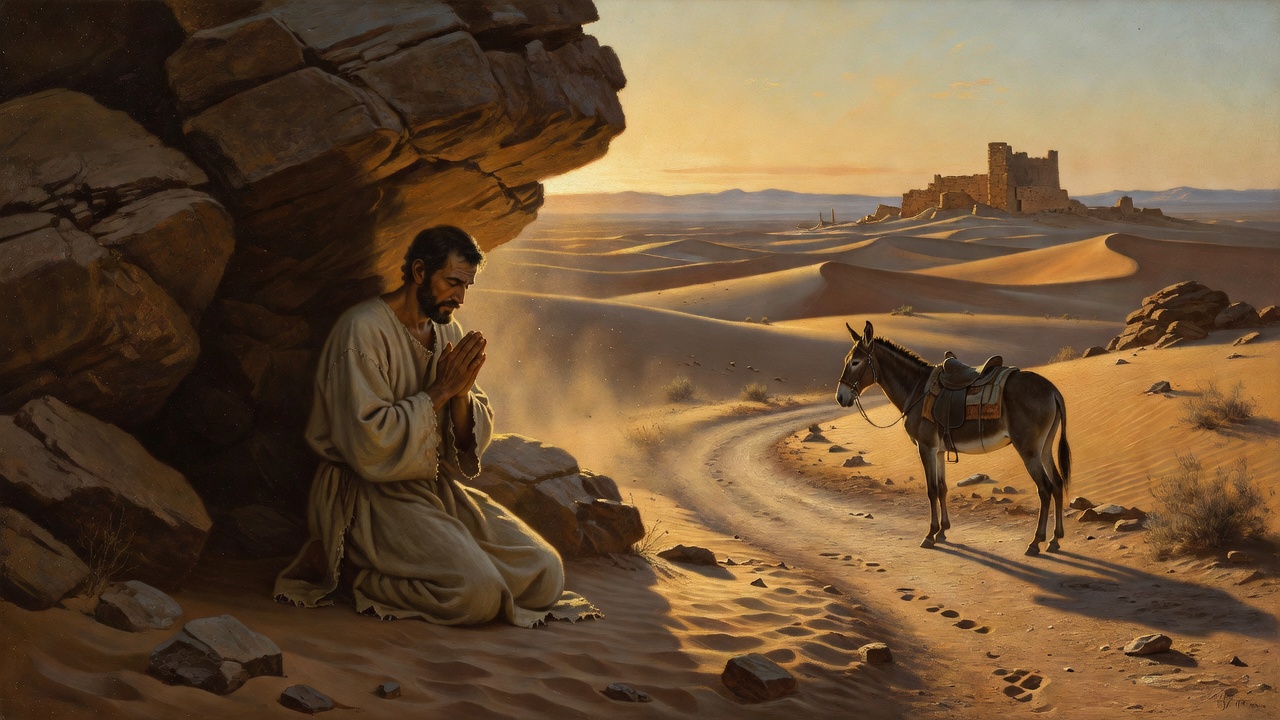
- The psalm uses the imagery of working animals, contrasting the willing follower of divine counsel with stubborn horses and mules that require a bit and bridle to be guided.Sources: the Bible text itself
Notes written with AI assistance from open sources (Theographic Bible Metadata, CC BY-SA 4.0; Easton’s Bible Dictionary, public domain) and reviewed before publishing.
Credits and license for this translation
Versión Biblia Libre
The Holy Bible in Spanish, Free Bible Version
Versión Biblia Libre, Nuevo Testamento
copyright © 2018-2020 Jonathan Gallagher y Shelly Barrios de Avila
Language: Español (Spanish)
Translation by: Jonathan Gallagher y Shelly Barrios de Avila
Contributor: Gustavo Sanabria y Rebekah Põldaas
This translation is made available to you under the terms of the
Creative Commons Attribution Share-Alike license 4.0.
You have permission to share and redistribute this Bible translation in any format and to make reasonable revisions and adaptations of this translation, provided that:
You include the above copyright and source information.
If you make any changes to the text, you must indicate that you did so in a way that makes it clear that the original licensor is not necessarily endorsing your changes.
If you redistribute this text, you must distribute your contributions under the same license as the original.
Pictures included with Scriptures and other documents on this site are licensed just for use with those Scriptures and documents.
For other uses, please contact the respective copyright owners.
Note that in addition to the rules above, revising and adapting God's Word involves a great responsibility to be true to God's Word. See Revelation 22:18-19.
2026-10-02
Section headings adapted from the Berean Standard Bible (public domain); they are not part of this translation’s text.
Source: http://ebible.org/spavbl/ · eBible.org