Psalms 108
Palabra de Dios para ti · Tap a verse to see its cross-references.
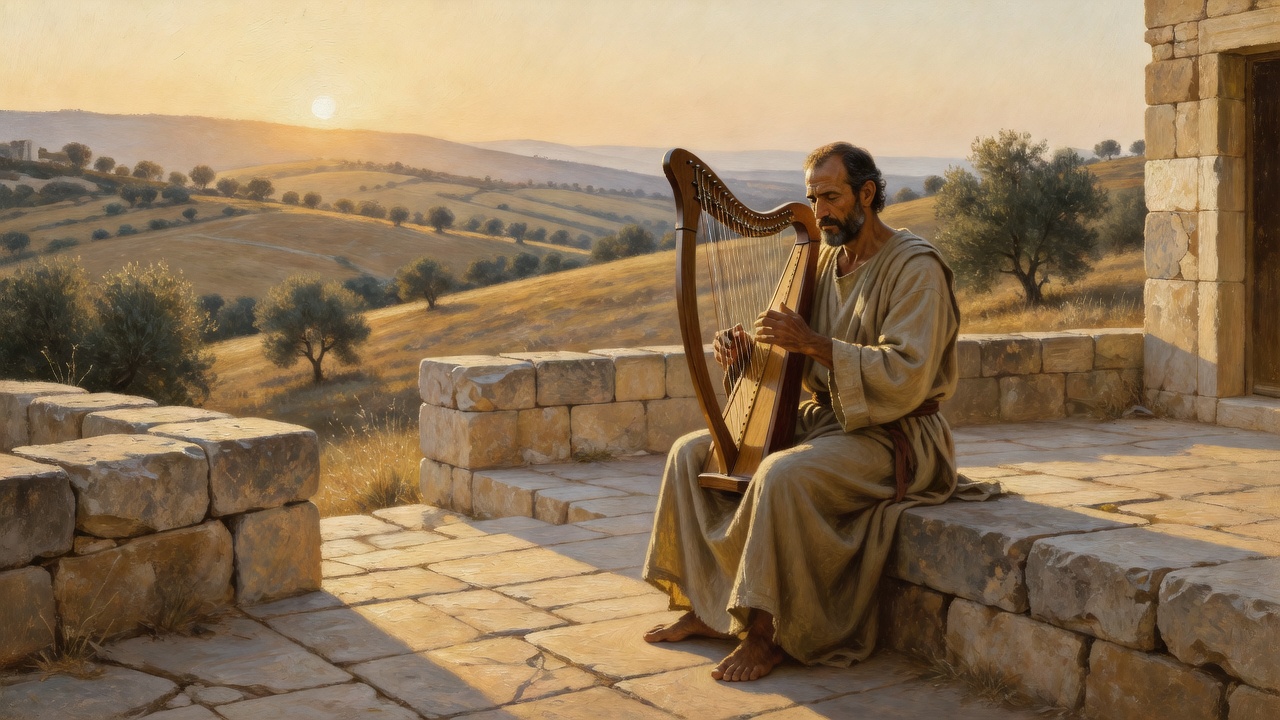
Canto. Salmo de David
1Mi corazón está firme, oh ʼElohim.
Cantaré y entonaré salmos.
Esta es mi gloria.
2Despierten, arpa y lira,
Yo despertaré el alba.
3Oh Yavé, te daré gracias entre los pueblos.
Entre las naciones te cantaré salmos,
4Porque tu misericordia es más grande que los cielos,
Y hasta los cielos tu verdad.
5Exaltado seas por encima de los cielos, oh ʼElohim,
Y tu gloria por encima de toda la tierra.
6Para que sean librados tus amados,
Salva con tu mano derecha, y respóndeme.
7ʼElohim respondió en su Santuario:
Yo me alegraré.
Repartiré a Siquem.
Y mediré el valle de Sucot.
8Mío es Galaad,
Mío es Manasés.
También Efraín es el casco de mi cabeza.
Judá es mi cetro.
9Moab es la vasija en la cual me lavo.
Sobre Edom lanzaré mi sandalia.
Sobre Filistea proclamaré victoria.
10¿Quién me conducirá a la ciudad fortificada?
¿Quién me guiará hasta Edom?
11¿Tú, mismo, oh ʼElohim, no nos rechazaste?
¿Y no sales con nuestros ejércitos, oh ʼElohim?
12Socórrenos contra el adversario,
Porque vana es la liberación del hombre.
13Por medio de ʼElohim haremos proezas.
Él pisoteará a nuestros enemigos.
Did you know?
Divine Rule over the Nations
- The psalm lists key territories on both sides of the Jordan River, from Shechem and the Valley of Succoth to Gilead, Manasseh, Ephraim, and Judah. This geographic imagery presents the entire region under divine ownership and governance.Sources: the Bible text itself · Shechem · Valley of Succoth · Gilead
- Neighboring regions mentioned include Moab east of the Dead Sea, the mountainous territory of Edom to the south, and Philistia on the coast. The text uses vivid metaphors, such as tossing a sandal over Edom or calling Moab a washbasin, to assert mastery over these regional rivals.Sources: the Bible text itself · Edom · Moab · Philistia
Notes written with AI assistance from open sources (Theographic Bible Metadata, CC BY-SA 4.0; Easton’s Bible Dictionary, public domain) and reviewed before publishing.
Places in this chapter
- Shechem · Today: Tell Balatah · 32.214, 35.282 · verse 7
- Valley of Succoth · 32.197, 35.621 · verse 7
- Gilead · Today: Gilead 1 · 32.187, 35.692 · verse 8
- Edom · 30.746, 35.604 · verses 9, 10
- Moab · Today: Moab 1 · 31.181, 35.701 · verse 9
- Philistia · 31.664, 34.546 · verse 9
Only places identified with high confidence are shown (90% or more according to the scholarly sources compiled by OpenBible). Period map: DARE (Digital Atlas of the Roman Empire), CC BY 4.0; modern map: © OpenStreetMap contributors; places: OpenBible.info (CC BY 4.0).
Credits and license for this translation
Palabra de Dios para ti
The Holy Bible in Spanish, Palabra de Dios para ti translation
copyright © 2020 Asociacion Biblica Latinoamericana
Language: Español (Spanish)
Dialect: South America
Translation by: Asociacion Biblica Latinoamericana
Contributor: Latinamerican Textual Bible Foundation, Inc.
Si encuentra algún error, infórmenos en [email protected].
This translation is made available to you under the terms of the
Creative Commons Attribution license 4.0.
You may share and redistribute this Bible translation or extracts from it in any format, provided that:
You include the above copyright and source information.
If you make any changes to the text, you must indicate that you did so in a way that makes it clear that the original licensor is not necessarily endorsing your changes.
Pictures included with Scriptures and other documents on this site are licensed just for use with those Scriptures and documents.
For other uses, please contact the respective copyright owners.
Note that in addition to the rules above, revising and adapting God's Word involves a great responsibility to be true to God's Word. See Revelation 22:18-19.
2026-10-02
Source: http://ebible.org/spapddpt/ · eBible.org