Hebrews 8
Santa Biblia libre Latinoamericano · Tap a verse to see its cross-references.
El sacerdocio eterno de Cristo
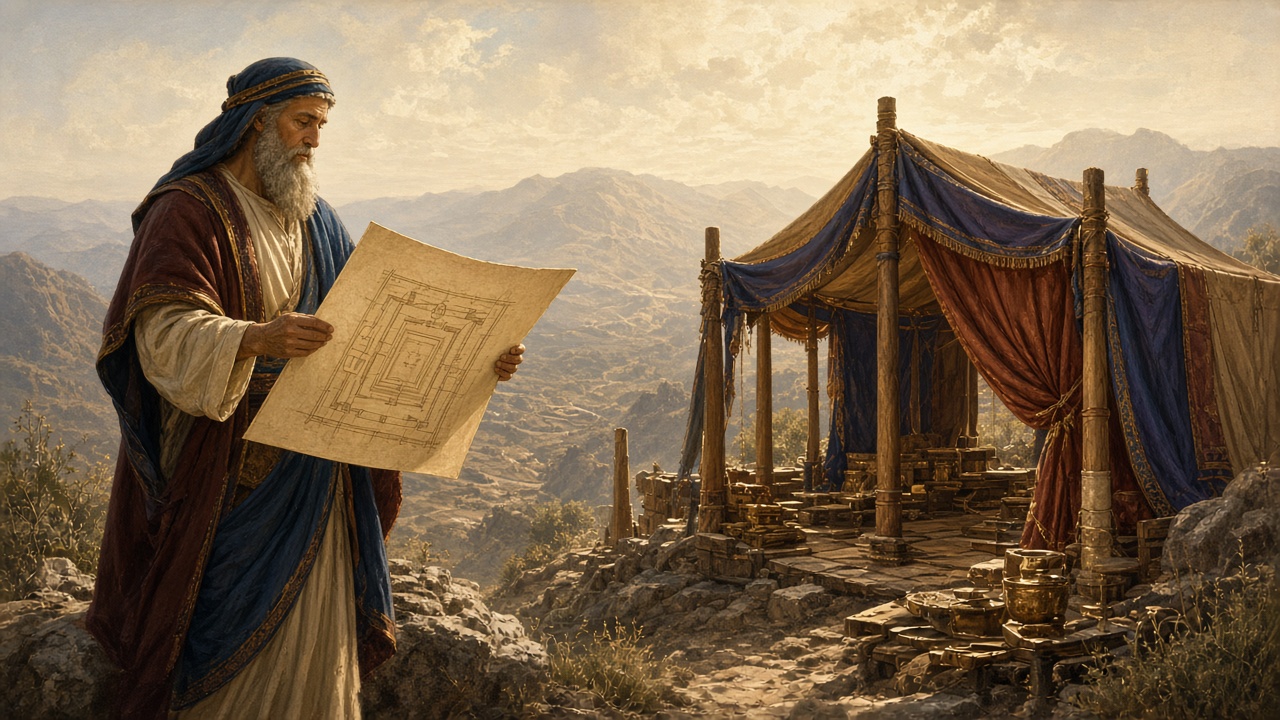
1Ahora bien, el punto principal de lo que venimos diciendo es este: tenemos tal sumo sacerdote, el cual se sentó a la derecha del trono de la Majestad en los cielos, 2ministro del santuario, y de aquel verdadero tabernáculo que levantó el Señor, y no el hombre. 3Porque todo sumo sacerdote está constituido para presentar ofrendas y sacrificios; por lo cual es necesario que también este tenga algo que ofrecer. 4Así que, si él estuviera en la tierra, ni siquiera sería sacerdote, ya que hay sacerdotes que presentan las ofrendas según la ley; 5los cuales sirven a lo que es copia y sombra de las cosas celestiales, tal como se le advirtió a Moisés cuando iba a construir el tabernáculo, diciéndole: “Mira, haz todas las cosas conforme al modelo que se te mostró en el monte.”
El nuevo pacto
6Pero ahora él ha obtenido un ministerio más excelente, por cuanto es también mediador de un mejor pacto, establecido sobre mejores promesas.
7Porque si aquel primer pacto hubiera sido perfecto, no se habría buscado lugar para un segundo. 8Porque encontrando faltas en ellos, dice:
“He aquí vienen días, dice el Señor,
en que estableceré con la casa de Israel y la casa de Judá un nuevo pacto;
9no como el pacto que hice con sus padres
el día que los tomé de la mano para sacarlos de la tierra de Egipto;
porque ellos no permanecieron en mi pacto,
y yo no les hice caso, dice el Señor.
10Por lo cual, este es el pacto que haré con la casa de Israel
después de aquellos días, dice el Señor:
Pondré mis leyes en la mente de ellos,
y sobre su corazón las escribiré;
y seré a ellos por Dios,
y ellos me serán a mí por pueblo;
11y ninguno enseñará a su prójimo,
ni ninguno a su hermano, diciendo: ‘Conoce al Señor’;
porque todos me conocerán,
desde el menor hasta el mayor de ellos.
12Porque seré misericordioso con sus injusticias,
y nunca más me acordaré de sus pecados y de sus maldades”.
13Al decir: “Nuevo pacto”, ha dado por obsoleto al primero; y lo que se vuelve obsoleto y envejece, está próximo a desaparecer.
Did you know?
The True Tabernacle and a New Covenant
- Hebrews 8 calls the place where the priests serve a copy and shadow of what is in heaven. That is why Moses, when he was about to build the tabernacle, was warned to make everything according to the pattern shown him on the mountain.Sources: the Bible text itself
- The new covenant promised to the house of Israel and the house of Judah is set against the covenant made with their fathers when they were led out of Egypt, the land of the Nile.Sources: the Bible text itself · Egypt
- By speaking of a new covenant, the chapter says the first has been made obsolete, and that what is obsolete and aging will soon disappear.Sources: the Bible text itself
Notes written with AI assistance from open sources (Theographic Bible Metadata, CC BY-SA 4.0; Easton’s Bible Dictionary, public domain) and reviewed before publishing.
Places in this chapter
- Egypt · 30.129, 31.308 · verse 9
Only places identified with high confidence are shown (90% or more according to the scholarly sources compiled by OpenBible). Period map: DARE (Digital Atlas of the Roman Empire), CC BY 4.0; modern map: © OpenStreetMap contributors; places: OpenBible.info (CC BY 4.0).
Credits and license for this translation
Santa Biblia libre Latinoamericano
The Holy Bible in the Latin American dialect of Spanish, Biblia libre Latinoamericano translation
Public Domain
Language: Español (Spanish)
Dialect: Latin American
Este es un borrador de traducción. Está siendo revisado y editado. Si encuentra algún error, infórmenos en [email protected].
2026-10-02
Section headings adapted from the Berean Standard Bible (public domain); they are not part of this translation’s text.
Source: http://ebible.org/spabll/ · eBible.org