Ecclesiastes 6
Santa Biblia libre Latinoamericano · Tap a verse to see its cross-references.
La vanidad de la vida
1Hay un mal que he visto bajo el sol, y que afecta mucho a los seres humanos: 2a algunos Dios les da riquezas, posesiones y honores, al grado de que no les falta nada de lo que desean; pero Dios no les permite disfrutar de ello, sino que otros extraños terminan disfrutándolo. ¡Esto es vanidad y una enfermedad terrible!
3Un hombre puede tener cien hijos y vivir muchos años; pero por más que viva, si no disfruta de las cosas buenas y ni siquiera recibe una sepultura digna, yo digo que un bebé que nace muerto es mejor que él. 4Porque ese bebé viene sin sentido y se va en la oscuridad, y en la oscuridad queda olvidado su nombre. 5Nunca llegó a ver el sol ni supo nada, pero al menos descansa más que aquel hombre. 6Aunque el hombre viva dos mil años, si no disfruta de la vida, ¿acaso no van todos al mismo lugar? 7Todo el esfuerzo del hombre es para llenar su boca, pero su apetito nunca se queda satisfecho. 8¿Qué ventaja tiene entonces el sabio sobre el necio? ¿Qué gana el pobre con saber cómo enfrentarse a la vida? 9Vale más lo que se ve con los ojos que lo que se imagina con el deseo. También esto es vanidad y un querer atrapar el viento. 10Todo lo que existe ya tiene nombre desde hace tiempo, y se sabe bien lo que es el ser humano: no puede enfrentarse a alguien más poderoso que él. 11Entre más palabras se dicen, más vanidad se produce; ¿y qué gana el hombre con eso? 12Pues, ¿quién sabe qué es lo mejor para el hombre durante los contados días de su vana vida, que pasa como una sombra? ¿Quién puede decirle lo que sucederá bajo el sol después de su muerte?
Did you know?
The Vanity of Unsatisfied Wealth
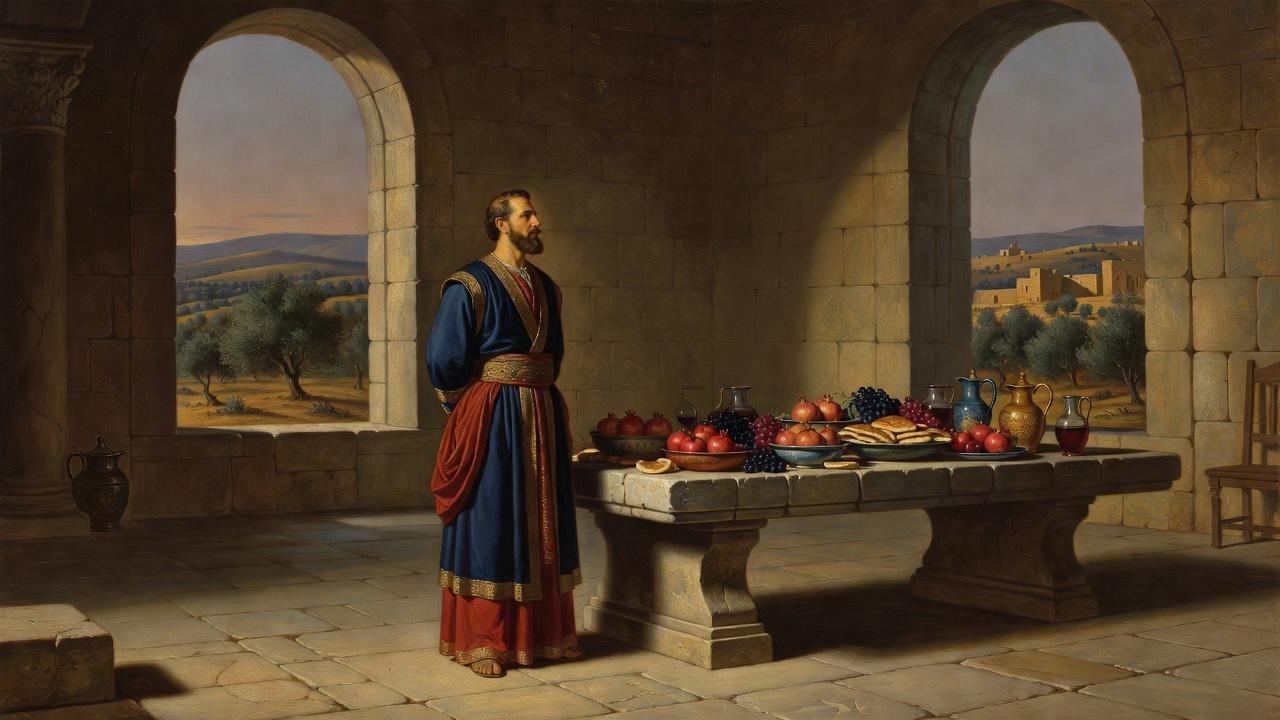
- In ancient thought, having a long life and fathering many children were considered the highest signs of blessing. Ecclesiastes observes, however, that even living two thousand years and fathering a hundred children is hollow if a person cannot enjoy their prosperity or receive a proper burial.Sources: the Bible text itself
- The author points out that although human labor is spent satisfying basic physical needs such as food, human appetite and desire remain continually unfulfilled. He contrasts enjoying what is directly present before the eyes with the ceaseless wandering of unsatisfied cravings.Sources: the Bible text itself
- The chapter emphasizes human limitations, noting that mortals cannot dispute with what has been established by one stronger than they are. Because life is fleeting like a shadow, humans cannot fully know what is truly good for them or foresee what will happen after they are gone.Sources: the Bible text itself
Notes written with AI assistance from open sources (Theographic Bible Metadata, CC BY-SA 4.0; Easton’s Bible Dictionary, public domain) and reviewed before publishing.
Credits and license for this translation
Santa Biblia libre Latinoamericano
The Holy Bible in the Latin American dialect of Spanish, Biblia libre Latinoamericano translation
Public Domain
Language: Español (Spanish)
Dialect: Latin American
Este es un borrador de traducción. Está siendo revisado y editado. Si encuentra algún error, infórmenos en [email protected].
2026-10-02
Section headings adapted from the Berean Standard Bible (public domain); they are not part of this translation’s text.
Source: http://ebible.org/spabll/ · eBible.org