Psalms 120
Santa Biblia — Reina Valera 1909 · Tap a verse to see its cross-references.
En mi angustia clamé al SEÑOR
1Cántico gradual. A JEHOVÁ llamé estando en angustia, y él me respondió. 2Libra mi alma, oh Jehová, de labio mentiroso, de la lengua fraudulenta. 3¿Qué te dará, ó qué te aprovechará, oh lengua engañosa? 4Agudas saetas de valiente, con brasas de enebro. 5¡Ay de mí, que peregrino en Mesech, y habito entre las tiendas de Kedar! 6Mucho se detiene mi alma con los que aborrecen la paz. 7Yo soy pacífico: mas ellos, así que hablo, me hacen guerra.
Did you know?
A Plea for Peace in Exile
- Psalm 120 opens the series of fifteen "songs of ascents", beginning with a personal cry for deliverance from deceitful speech and hostile surroundings.Sources: the Bible text itself
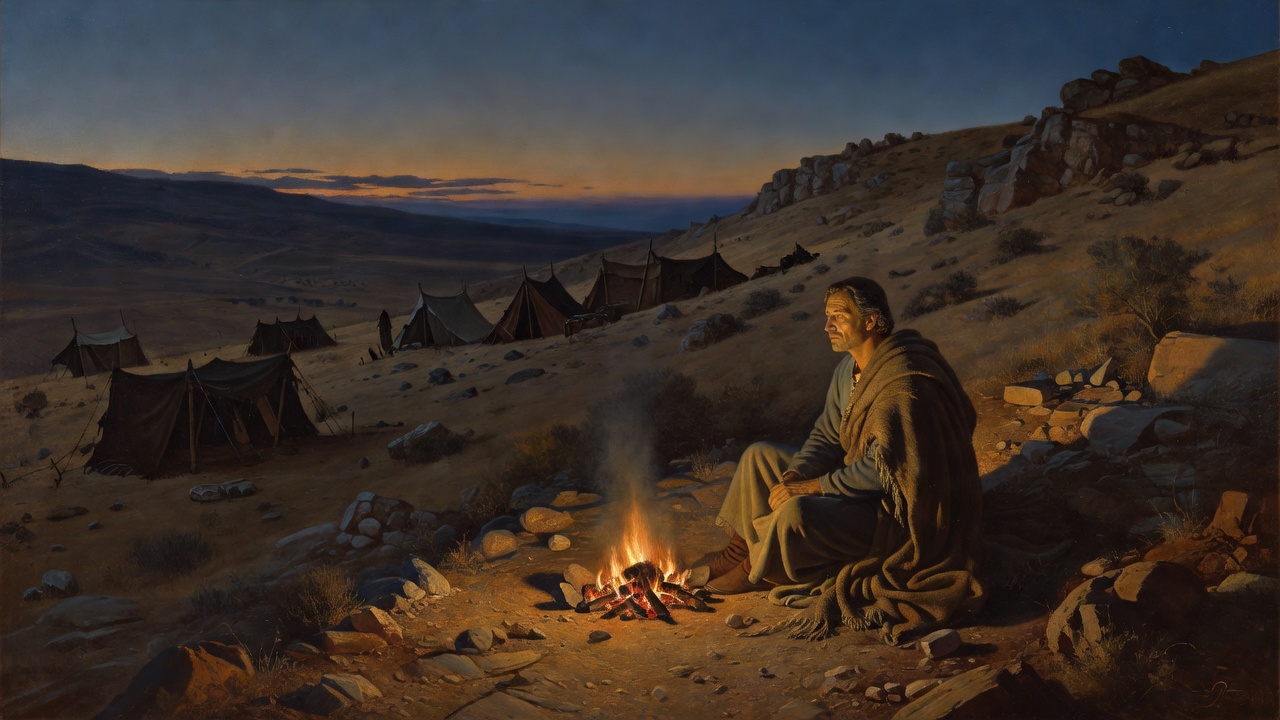
- The psalmist laments living in Meshech and among the tents of Kedar. Meshech was associated with northern peoples near the Black and Caspian Seas, while Kedar referred to nomadic tribes living in black tents in northwestern Arabia; together they symbolize distant, alien lands far from the community of worship.Sources: Meshech · Kedar · the Bible text itself
Notes written with AI assistance from open sources (Theographic Bible Metadata, CC BY-SA 4.0; Easton’s Bible Dictionary, public domain) and reviewed before publishing.
Places in this chapter
- Jerusalem · 31.777, 35.234 · verse 1
- Kedar · 29.811, 39.868 · verse 5
- Meshech · Today: about 200 km around Gordion · 39.655, 31.994 · verse 5
Only places identified with high confidence are shown (90% or more according to the scholarly sources compiled by OpenBible). Period map: DARE (Digital Atlas of the Roman Empire), CC BY 4.0; modern map: © OpenStreetMap contributors; places: OpenBible.info (CC BY 4.0).
Credits and license for this translation
Santa Biblia — Reina Valera 1909
The Holy Bible in Spanish, Reina Valera translation of 1909
Public Domain
Language: Español (Spanish)
Dialect: Castellano 1909
Translation by: Reina y Valera
Dominio Público
2013-12-13
Section headings adapted from the Berean Standard Bible (public domain); they are not part of this translation’s text.
Source: http://ebible.org/spaRV1909/ · eBible.org