Ecclesiastes 6
Santa Biblia — Reina Valera 1909 · Tap a verse to see its cross-references.
La vanidad de la vida
1HAY un mal que he visto debajo del cielo, y muy común entre los hombres: 2Hombre á quien Dios dió riquezas, y hacienda, y honra, y nada le falta de todo lo que su alma desea; mas Dios no le dió facultad de comer de ello, sino que los extraños se lo comen. Esto vanidad es, y enfermedad trabajosa. 3Si el hombre engendrare ciento, y viviere muchos años, y los días de su edad fueren numerosos; si su alma no se hartó del bien, y también careció de sepultura, yo digo que el abortivo es mejor que él. 4Porque en vano vino, y á tinieblas va, y con tinieblas será cubierto su nombre. 5Aunque no haya visto el sol, ni conocido nada, más reposo tiene éste que aquél. 6Porque si viviere aquél mil años dos veces, si no ha gozado del bien, cierto todos van á un lugar. 7Todo el trabajo del hombre es para su boca, y con todo eso su alma no se harta. 8Porque ¿qué más tiene el sabio que el necio? ¿qué más tiene el pobre que supo caminar entre los vivos? 9Más vale vista de ojos que deseo que pasa. Y también esto es vanidad y aflicción de espíritu. 10El que es, ya su nombre ha sido nombrado; y se sabe que es hombre, y que no podrá contender con el que es más fuerte que él. 11Ciertamente las muchas palabras multiplican la vanidad. ¿Qué más tiene el hombre? 12Porque ¿quién sabe cuál es el bien del hombre en la vida, todos los días de la vida de su vanidad, los cuales él pasa como sombra? Porque ¿quién enseñará al hombre qué será después de él debajo del sol?
Did you know?
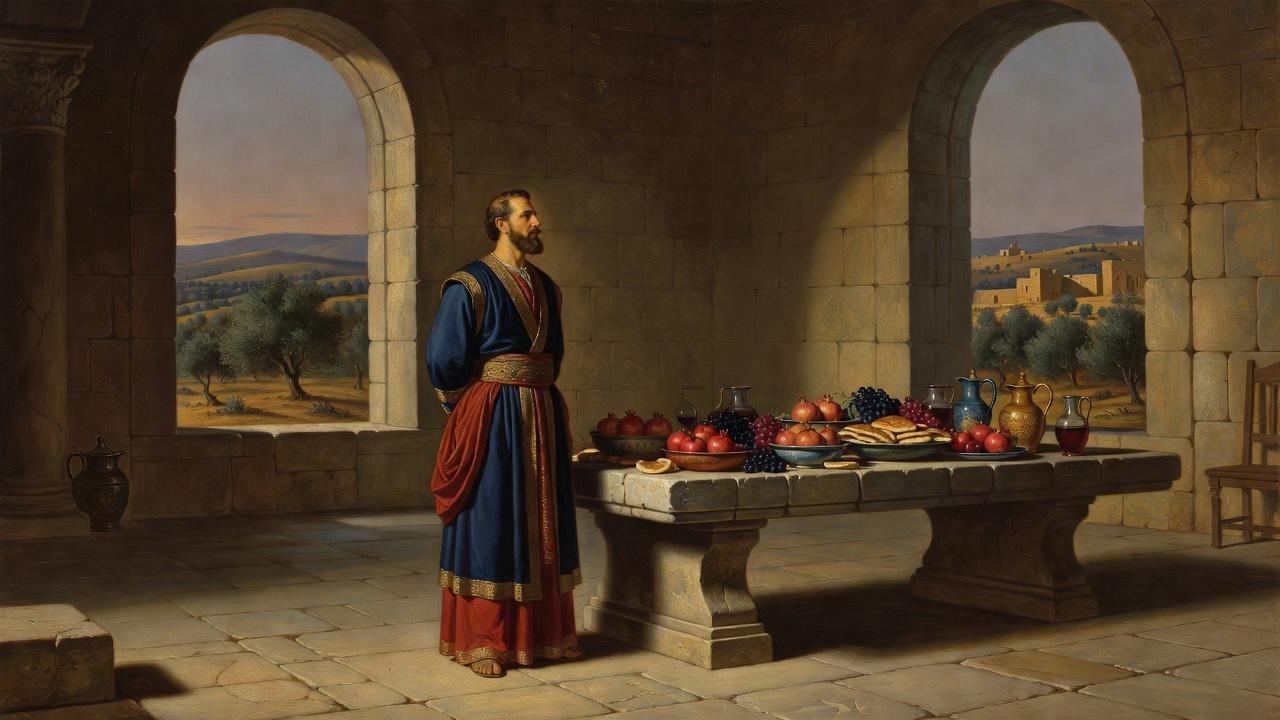
The Vanity of Unsatisfied Wealth
- In ancient thought, having a long life and fathering many children were considered the highest signs of blessing. Ecclesiastes observes, however, that even living two thousand years and fathering a hundred children is hollow if a person cannot enjoy their prosperity or receive a proper burial.Sources: the Bible text itself
- The author points out that although human labor is spent satisfying basic physical needs such as food, human appetite and desire remain continually unfulfilled. He contrasts enjoying what is directly present before the eyes with the ceaseless wandering of unsatisfied cravings.Sources: the Bible text itself
- The chapter emphasizes human limitations, noting that mortals cannot dispute with what has been established by one stronger than they are. Because life is fleeting like a shadow, humans cannot fully know what is truly good for them or foresee what will happen after they are gone.Sources: the Bible text itself
Notes written with AI assistance from open sources (Theographic Bible Metadata, CC BY-SA 4.0; Easton’s Bible Dictionary, public domain) and reviewed before publishing.
Credits and license for this translation
Santa Biblia — Reina Valera 1909
The Holy Bible in Spanish, Reina Valera translation of 1909
Public Domain
Language: Español (Spanish)
Dialect: Castellano 1909
Translation by: Reina y Valera
Dominio Público
2013-12-13
Section headings adapted from the Berean Standard Bible (public domain); they are not part of this translation’s text.
Source: http://ebible.org/spaRV1909/ · eBible.org