Amos 4
Santa Biblia — Reina Valera 1909 · Tap a verse to see its cross-references.
El castigo no produce arrepentimiento
1OID esta palabra, vacas de Basán, que estáis en el monte de Samaria, que oprimís los pobres, que quebrantáis los menesterosos, que decís á sus señores: Traed, y beberemos. 2El Señor Jehová juró por su santidad: He aquí, vienen días sobre vosotros en que os llevará en anzuelos, y á vuestros descendientes en barquillos de pescador. 3Y saldrán por los portillos la una en pos de la otra, y seréis echadas del palacio, dice Jehová. 4Id á Beth-el, y prevaricad; en Gilgal aumentad la rebelión, y traed de mañana vuestros sacrificios, y vuestros diezmos cada tres años; 5Y ofreced sacrificio de alabanza con leudo, y pregonad, publicad voluntarias ofrendas; pues que así lo queréis, hijos de Israel, dice el Señor Jehová. 6Yo también os dí limpieza de dientes en todas vuestras ciudades, y falta de pan en todos vuestros pueblos: mas no os tornasteis á mí, dice Jehová. 7Y también yo os detuve la lluvia tres meses antes de la siega: é hice llover sobre una ciudad, y sobre otra ciudad no hice llover: sobre una parte llovió; la parte sobre la cual no llovió, secóse. 8Y venían dos ó tres ciudades á una ciudad para beber agua, y no se hartaban: con todo no os tornasteis á mí, dice Jehová. 9Os herí con viento solano y oruga; vuestros muchos huertos y vuestras viñas, y vuestros higuerales y vuestros olivares comió la langosta: pero nunca os tornasteis á mí, dice Jehová. 10Envié entre vosotros mortandad al modo que en Egipto: maté á cuchillo vuestros mancebos, con cautiverio de vuestros caballos; é hice subir el hedor de vuestros reales hasta vuestras narices: empero no os tornasteis á mí, dice Jehová. 11Trastornéos, como cuando Dios trastornó á Sodoma y á Gomorra, y fuisteis como tizón escapado del fuego: mas no os tornasteis á mí, dice Jehová. 12Por tanto, de esta manera haré á ti, oh Israel: y porque te he de hacer esto, aparéjate para venir al encuentro á tu Dios, oh Israel. 13Porque he aquí, el que forma los montes, y cría el viento, y denuncia al hombre su pensamiento; el que hace á las tinieblas mañana, y pasa sobre las alturas de la tierra; Jehová, Dios de los ejércitos, es su nombre.
Did you know?
Unheeded Warnings and the God of Hosts
- Amos addresses the wealthy, exploitative women of Samaria by calling them cows of Bashan. Samaria was the hilltop capital of the northern kingdom of Israel, while Bashan was a fertile region north of Gilead known for its rich pastures.Sources: the Bible text itself · Samaria · Bashan
- The prophet sarcastically invites the people to bring sacrifices and tithes to Bethel and Gilgal. Both locations had deep historical and religious importance in Israel, but had become sites of hollow religious ritual and transgression.Sources: the Bible text itself · Bethel (of Palestine) · Gilgal
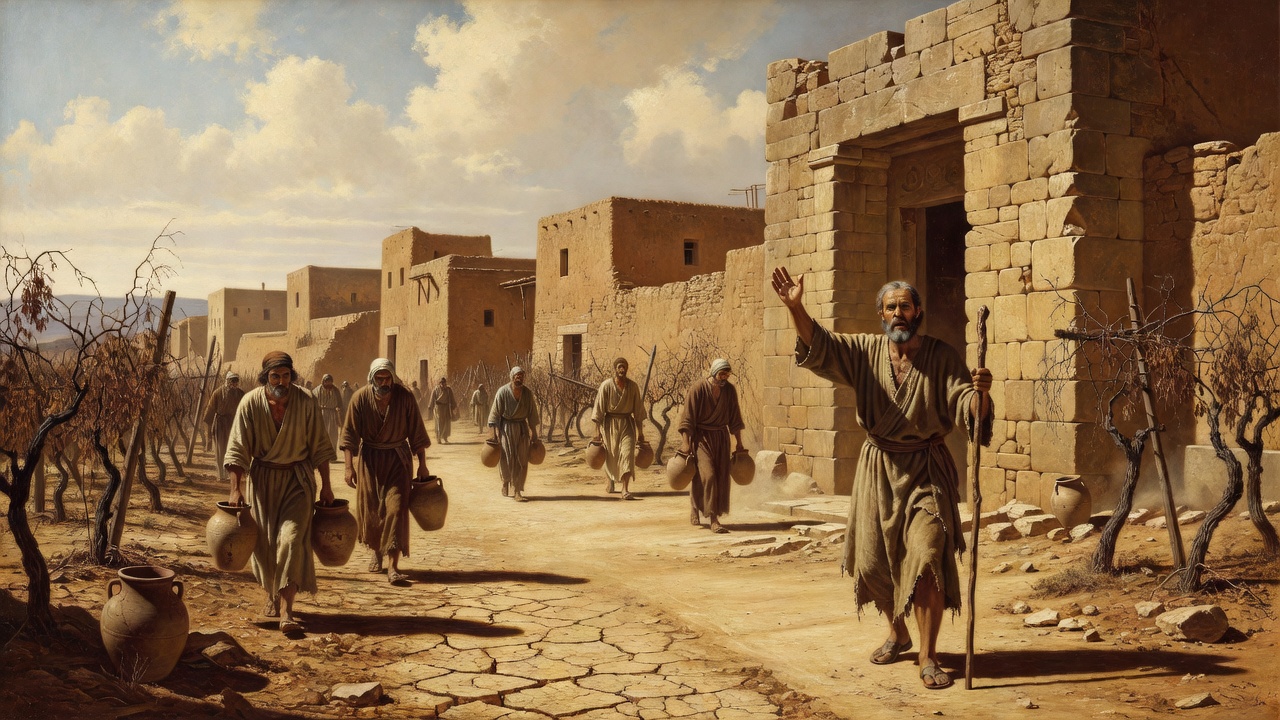
- Amos recounts a series of divine warnings through natural and military disasters, including severe drought, crop-destroying locusts, pestilence reminiscent of Egypt, and battlefield defeat. Despite each disaster, the text repeats the refrain that the people refused to return to God.Sources: the Bible text itself · Egypt
Notes written with AI assistance from open sources (Theographic Bible Metadata, CC BY-SA 4.0; Easton’s Bible Dictionary, public domain) and reviewed before publishing.
Places in this chapter
- Bashan · 32.781, 35.935 · verse 1
- Samaria · 32.276, 35.195 · verse 1
- Egypt · 30.129, 31.308 · verse 10
Only places identified with high confidence are shown (90% or more according to the scholarly sources compiled by OpenBible). Period map: DARE (Digital Atlas of the Roman Empire), CC BY 4.0; modern map: © OpenStreetMap contributors; places: OpenBible.info (CC BY 4.0).
Credits and license for this translation
Santa Biblia — Reina Valera 1909
The Holy Bible in Spanish, Reina Valera translation of 1909
Public Domain
Language: Español (Spanish)
Dialect: Castellano 1909
Translation by: Reina y Valera
Dominio Público
2013-12-13
Section headings adapted from the Berean Standard Bible (public domain); they are not part of this translation’s text.
Source: http://ebible.org/spaRV1909/ · eBible.org