Matthew 12
Tachi ak'õre pedee · Tap a verse to see its cross-references.
Ɨ̃ipata ewate trigo k'ɨmɨ chak'eerã p'edap'edaa
1Maapai judiorã ɨ̃ipata ewate Jesús nipaji trigo k'ãide. Chi k'õp'ãyoorã jarrapisia p'anadap'edaa perã, trigo k'ɨmɨ chak'eerã oro atadap'eda, chi tau jonamaa p'aneejida k'odait'ee. 2Arii p'anadap'edaa fariseorãpa mãga unudak'ãri, Jesumaa mãgajida:
—¡Pɨchá ak'ɨ́ji! Pɨchi k'õp'ãyoorãpa ne-inaa oomaa p'anɨda ajida, ɨ̃ipata ewate oodaik'araa bɨta.
3Jesupa p'anauji:
—¿Parãpa Ak'õre Ũraa p'ãdade leeda-e p'anɨk'ã aji, Rey Davidpa ooda chonaarãweda jarrapisiadaidak'ãri chi k'õp'ãyoorã ome? 4Iru t'ĩuji Tachi Ak'õre te ne-edee oodade mãik'aapa ma tedepema pan awara bɨdap'edaa Tachi Ak'õre-it'ee atap'eda, k'oji chi k'õp'ãyoorã ome. Mãga oojida p'aareerãpapai mãgɨ́ pan k'odaipia baji mĩda. 5Ichiaba Moisepa p'ãdade parãpa leedooda p'aareerãpa ne-inaa k'achia ooda-e paji ɨ̃ipata ewate, Tachi Ak'õre te waibɨade ɨ̃ida-ee mimiadak'ãri. 6Mɨa jara bɨ: Nama ne-inaa pipɨara paraa Tachi Ak'õre te waibɨa k'ãyaara. 7Wãara parãpa k'awada-e na p'ãdade jara k'inia bɨ:
‘Mɨa k'inia bɨ awaraarã chupɨria k'awaadamerã, mɨ-it'ee ne-animalaarã peedap'eda, paadai k'ãyaara.’ (Os 6.6)
Parãpa k'awadap'edaa paara ma pedee jara k'inia bɨ, ne-inaa k'achia ooda-e p'anɨɨrã peepida-e pak'aji. 8Ɨ̃ipata ewate mɨ, chi Eperã Ak'õre Truadepema jua ek'ari bɨda aji.
Eperã jua chiwa bada
9Mamãik'aapa Jesús wãji Tachi Ak'õre Ũraa jarateepata tedee. 10Mama baji eperã jua chiwa bɨ. Jesús ɨmɨatee k'inia p'anadap'edaarãpa iidijida irumaa:
—¿Eperã k'ayaa bɨ pɨrã, ɨ̃ipata ewate jɨpaipia bɨk'ã? ajida.
11Jesupa p'anauji:
—Ɨ̃ipata ewate pɨchi oveja toidú padarida paara, ¿taawaa uchia ata-e pak'ajik'ã? 12¿Eperã pipɨara bɨ-ek'ã oveja k'ãyaara? Mapa ɨ̃ipata ewate ne-inaa pia ooipia bɨda aji.
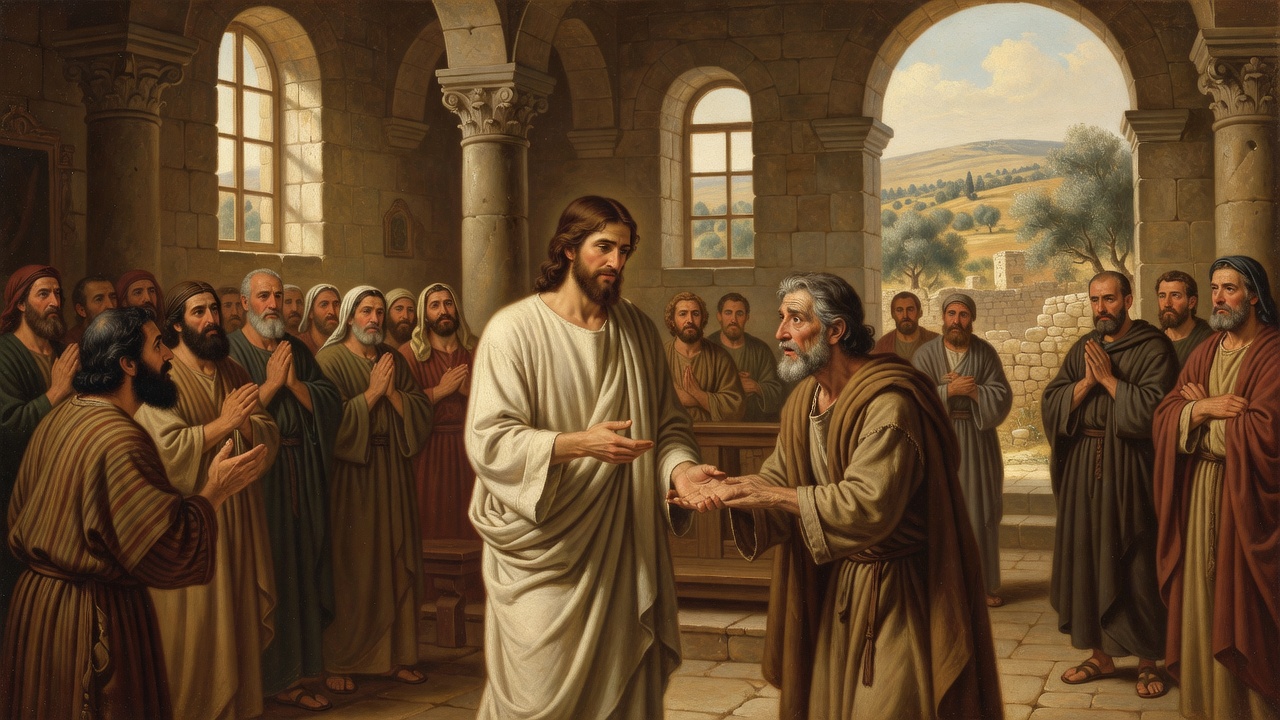
13Mãpai Jesupa ma jua chiwa bɨmaa mãgaji:
—Pɨchi jua jĩrupáde aji.
Mãpai jua jĩruji. Aramata jɨpa beeji chi apema juak'a. 14Mãpai fariseorã taawaa uchiadak'ãri, pedeeteemaa p'aneejida Jesús peepit'aadait'ee.
Jesupa ooda Ak'õre Ũraa p'ãdade jara bɨk'a
15Jesupa mãɨrã k'ĩsia k'awaak'ãri, mamãik'aapa wãji. Eperãarã chok'ara iru t'ẽe wãjida. Jesupa madepema k'ayaa beerã jõmaweda jɨpaji. 16Mamĩda jarapachi ichia ooda jõmaarãmaa nepɨrɨnaadamerã. 17Mãga jaraji Tachi Ak'õre pedee jarapari, Isaíapa p'ãdade jara bɨk'a uchiamerã:
18‘Nama bɨ mɨ mimiapari, mɨa jɨrɨt'erada. Mɨa iru k'inia iru bɨ; mɨ t'ãri o-ĩapipari. Mɨ Jaure iru ome bapariit'ee. Mɨ k'ap'ɨa pari irua eperãarã jõmaarãpa oopata ak'ɨit'ee mãik'aapa jarait'ee pia wa k'achia. 19Aupedee-e pait'ee; ichiaba bia-e pait'ee. Apidaapa iru biapi ũrida-e pait'ee calle jãde. 20Irua yiaraa iru ba-e pait'ee chupɨria chitoonɨɨrã wa k'ĩra pia-ee jõnɨɨrã. Mãga bait'ee Tachi Ak'õrepa jõmaarãmaa wãarata jara pëida k'awaapirumaa. 21Mãga pak'ãri, jõmaarãpa irude ijãadait'ee.’ (Is 42.1-4)
Jesús Netuara Poro Waibɨa jua ek'ari bɨda apatap'edaa
22Jesumaa aneejida eperã tau p'ãriu bɨ mãik'aapa pedee atua bɨ, netuara iru k'ap'ɨade merãtɨa bada perã. Jesupa iru tau pia unupiji mãik'aapa pedeepiji. 23Mãga unudak'ãri, arii p'anadap'edaarãpa ak'ɨtrua para beeji mãik'aapa ãchi pitapai iidi para beeji:
—¿Nãgɨ́ chonaarãwedapema Rey David Warra-ek'ã? ajida.
24Mamĩda mãga ũridak'ãri, fariseorãpa mãgajida:
—Beelzebú, Netuara Poro Waibɨa juapata jãgá netuaraarã uchiapiparida ajida.
25Jesupa k'awaji ãchia k'ĩsia p'anɨ. Mapa mãgaji:
—P'uuru pidaarãpa maa-e pɨrã ëreerãpa maa-e pɨrã te pidaarãpa ãchi auk'aarã jëreruta pɨrã, waa araa p'anapataada-e pai mãik'aapa ãchi p'uuru jõdaridai. 26Mãga pɨk'a Netuara Poro Waibɨapa ichi auk'aarã jëreru pɨrã, waa araa p'anada-e pai mãik'aapa ãchi itu jõdaridai. 27Parãpa jara p'anɨ mɨa netuaraarã uchiapipari Beelzebú juapa. Mãgara, ¿k'ai juapa uchiapipatama parã eere p'anɨɨrãpa? Ãchia ak'ɨpipata parã pia k'ĩsiada-e p'anɨ. 28Mɨa netuaraarã uchiapipari pɨrã Tachi Ak'õre Jaurepa, jara k'inia bɨ ɨ̃rá Tachi Ak'õredeerã poro waibɨa nama bɨ.
29’¿K'aita t'ĩuyama aji, eperã juataura bɨ tede iru net'aa chɨade? Naapɨara jɨ̃ nɨ̃bɨ-e pɨrã, iru net'aa jãri p'e ata-e pai.
30’Eperã mɨ eere bɨ-e pɨrã, mɨ k'ĩra unuamaa iru bɨ. Ichiaba mɨ k'aripa-e bɨ pɨrã awaraarã Tachi Ak'õre jua ek'ari p'anapataadamerã, eperãarã ãyaa pëipari mɨ ik'aawaapa.
31’Maperã mɨa jara bɨ: Tachi Ak'õrepa wẽpapii eperãarãpa p'ek'au k'achia oopata jõmaata mãik'aapa iru ãpɨte ik'achia jarapata paara. Mamĩda iru Jaure ãpɨte ik'achia jarapata wẽpapi-e pait'ee. 32Ichiaba wẽpapii ik'achia jarapata mɨ, chi Eperã Ak'õre Truadepema ãpɨte. Mamĩda wẽpapi-e pait'ee ik'achia jararuta pɨrã iru Jaure ãpɨte. Mãgee p'ek'au k'achia oopata wẽpapi-e pait'ee chi ma pedee jarapataarã na p'ek'au eujãde p'anɨde maa-e pɨrã ɨt'ari iru k'ĩrapite p'anɨde paara, iru ewari waibɨa ewate.
Jesupa jarateeda pak'uru k'awapata chi nejõdeepa
33—Nejõ bɨɨrɨ pia iru bɨ pɨrã, chauk'ãri, nejõ pia iru bait'ee. Jõdee nejõ bɨɨrɨ k'achia iru bɨ pɨrã, chauk'ãri, nejõ k'achia iru p'anadait'ee. Nejõ bɨɨrɨ k'awapata chi nejõdeepa. 34¡Parã k'achia-idaa beerãdeepa uchiadap'edaarã! ¡Taamák'apɨ p'anɨ! ¿Sãga pedee pia jaradai, parã t'ãri k'achia p'anɨta? Pãchi t'ãride k'ĩsia p'anɨta jarapata pãchi it'aideepa. 35Eperã t'ãri pia bɨpa pedee pia jarapari k'ĩsia pia iru bairã ichi t'ãride. Jõdee eperã t'ãri k'achia bɨpa pedee k'achia jarapari k'ĩsia k'achia iru bairã ichi t'ãride. 36Mɨa jara bɨ: Tachi Ak'õre ewari waibɨa ewate ichia eperã chaachaa k'awapiit'ee ãchia pedee k'achia pariatua jaradap'edaa. 37Ma ewate Tachi Ak'õrepa ak'ɨit'ee eperãarãpa pedee jaradap'edaa mãik'aapa ichiata jarait'eeda aji, k'achia-idaa bɨ, maa-e pɨrã t'ãri pia bɨ.
Ne-inaa eperãarãpa p'oyaa oodak'aa unu k'inia p'anadap'edaarã
38Mãpai ũk'uru fariseorãpa mãik'aapa Moisepa p'ãda jarateepataarãpa Jesumaa mãgajida:
—Tachi Jarateepari, taipa unu k'inia p'anɨda ajida, pɨa oo bɨ ne-inaa Tachi Ak'õrepapai oopari.
39Jesupa p'anauji:
—Ɨ̃rapemaarã t'ãri k'achia-idaa p'anɨ, Tachi Ak'õrede ijãadak'aa perã. Unu k'inia p'anɨda a p'anɨ ne-inaa eperãarãpa p'oyaa oodak'aa ãchi juadoopa. Mamĩda mɨa mãga oo-e pait'ee. Jĩp'a Tachi Ak'õrepa ooit'ee ichi pedee jarapari Jonás ome oodak'a. 40Jonás k'ãima õpee baji chik'o choma bɨ bide. Mãga pɨk'a mɨ, chi Eperã Ak'õre Truadepema k'ãima õpee eujã ek'ari bait'ee. 41Tachi Ak'õre ewari waibɨa ewate Nínive p'uuru pidaarãpa ɨ̃rapemaarã ɨmɨateedait'ee, Tachi Ak'õrepa parã k'achiadee pëimerã. Chonaarãweda Tachi Ak'õrepa Jonás pëik'ãri ma Nínive pidaarãmaa, ãrapa p'ek'au k'achia oopatap'edaa oo amaajida. Mamĩda ɨ̃rapemaarãpa p'ek'au k'achia oopata oo amaada-e p'anɨ, aba Jonás k'ãyaara waibɨara bɨpa jara cheji mĩda mãga oodamerã. 42Ichiaba ma ewate Reina Sur Eerepemapa auk'a ɨ̃rapemaarã ɨmɨateeit'ee Tachi Ak'õrepa parã k'achiadee pëimerã. Chonaarãweda ma reina t'ɨmɨɨpa cheji Rey Salomón k'ĩsia k'awaa bɨ pedee ũride. Mamĩda ɨ̃rapemaarãpa ũridaamaa p'anɨ, aba Salomón k'ãyaara k'ĩsia k'awaara bɨ pedee bɨ mĩda parã t'ãide.
Jesupa jarateeda netuara waya eperã k'ap'ɨade merãtɨa badade
43—Eperã k'ap'ɨadeepa netuara uchiapidak'ãri, mãgɨpa jɨrɨ nipapari eujã p'ũasaa sãma ɨ̃iit'ee. Mamĩda unu-e pak'ãri, k'ĩsiapari: 44“Waya merãtɨanait'ee ma eperã k'ap'ɨade; mɨ naaweda badamãi.” Chek'ãri, unu chepari ma eperã k'ap'ɨa pi-ia bɨ; te barrep'eda, sɨɨp'eda, pi-ia bɨk'a. 45Mãga unuk'ãri, jɨrɨnapari awaraa netuara siete k'achiara ichi k'ãyaara mãik'aapa ma eperã k'ap'ɨade merãtɨa chepata. Mãgá ma eperã audupɨara k'achiade beeit'ee naaweda bada k'ãyaara. Mãga p'asait'eeda aji, ɨ̃rapemaarã t'ãri k'achia-idaa beerã ome; audupɨara k'achiade p'aneedait'ee.
María Jesús ɨ̃pemaarã ome pachedap'edaa
46Jesús at'ãri pedeemaa bɨde pachejida chi nawe chi ɨ̃pemaarã ome. Pedee k'inia p'anajida iru ome. Mamĩda taawa p'aneedap'edaa perã, 47eperãpa Jesumaa jaranaji:
—Pɨ nawe, pɨ ɨ̃pemaarã ome taawa nɨmaa p'anɨ. Pedee k'inia p'anɨda aji, pɨ ome.
48Mãpai Jesupa p'anauji:
—¿K'aima mɨ nawe? ¿K'áirãma, mɨ ɨ̃pemaarã?
49Mãpai juapa ɨaji chi k'õp'ãyoorãmaa mãik'aapa mãgaji:
—Nãgɨɨrãta mɨ nawek'a mãik'aapa mɨ ɨ̃pemaarãk'a. 50Chi mɨ ɨt'aripema Ak'õre Waibɨapa jara bɨk'a oo bɨ, mata mɨ ɨ̃pemak'a, mɨ ɨ̃pewẽrak'a mãik'aapa mɨ nawek'a.
Did you know?
Lord of the Sabbath and Signs of the Kingdom
- When challenged by the Pharisees for plucking grain on the Sabbath, Jesus cited the Old Testament account of David eating the consecrated bread when he was hungry. He argued that human need and doing good take precedence over ritual regulations, declaring himself Lord of the Sabbath.Sources: the Bible text itself · David
- After casting out a demon from a blind and mute man, Jesus was accused of operating through Beelzebul, the prince of demons. Jesus rejected the charge, explaining that a divided kingdom or household cannot stand and that casting out demons by the Spirit of God demonstrates the arrival of God's kingdom.Sources: the Bible text itself · Satan
- In response to requests for a miraculous sign, Jesus pointed to the prophet Jonah, comparing Jonah's three days in the fish's belly to his own impending death and burial. He warned that the citizens of Nineveh and the Queen of the South would judge his generation because they responded to Jonah and Solomon, whereas someone greater was now present.Sources: the Bible text itself · Jonah · Nineveh · Solomon
Notes written with AI assistance from open sources (Theographic Bible Metadata, CC BY-SA 4.0; Easton’s Bible Dictionary, public domain) and reviewed before publishing.
Places in this chapter
Only places identified with high confidence are shown (90% or more according to the scholarly sources compiled by OpenBible). Period map: DARE (Digital Atlas of the Roman Empire), CC BY 4.0; modern map: © OpenStreetMap contributors; places: OpenBible.info (CC BY 4.0).
Credits and license for this translation
Tachi ak'õre pedee
New Testament in Epena (CO:sja:Epena)
copyright © 2005 Wycliffe Bible Translators, Inc.
Language: Epena
Translation by: Wycliffe Bible Translators, Inc.
Epena
sja
Colombia
Copyright Information
© 2005, Wycliffe Bible Translators, Inc. All rights reserved.
This translation text is made available to you under the
terms of the Creative Commons License: Attribution-Noncommercial-No Derivative Works.
( http://creativecommons.org/licenses/by-nc-nd/3.0/ )
In addition, you have permission to port the text to different file formats, as long as you
do not change any of the text or punctuation of the Bible.
You may share, copy, distribute, transmit, and extract portions
or quotations from this work, provided that you include the above copyright
information:
You must give Attribution to the work.
You do not sell this work for a profit.
You do not make any derivative works that change any of the actual words or punctuation of the Scriptures.
Permissions beyond the scope of this license may be
available if you contact
us with your request.
The New Testament
in Epena
© 2005, Wycliffe Bible Translators, Inc. All rights reserved.
This translation is made available to you under the terms of the
Creative Commons Attribution-Noncommercial-No Derivatives license 4.0.
You may share and redistribute this Bible translation or extracts from it in any format, provided that:
You include the above copyright and source information.
You do not sell this work for a profit.
You do not change any of the words or punctuation of the Scriptures.
Pictures included with Scriptures and other documents on this site are licensed just for use with those Scriptures and documents.
For other uses, please contact the respective copyright owners.
2014-04-23
Source: http://ebible.org/sjaNT/ · eBible.org