Hebrews 5
Ya habi ni apo namalyari: Bayon tsipan - Ayta Mag-antsi · Tap a verse to see its cross-references.
1Kantamon Israelita, ya balang pinakapoon pari tamo, ay ampiliên ni Apo Namalyari kanlan kapareho tamo, ta habaytoy pinakapoon pari ay mámilatan tamo, ya ampam-in pahalamat haka ampamiátang ta êmên mapatawad ya kasalanan. 2Hiyay ampandámay hên mangêd kanlan nakadyag kasalanan, gawan hiya man ay tawon bat ya main pamagkulang kan Apo Namalyari. 3Kabay hiya man, ay ampam-i êt hên átang para ha sarili nan kasalanan, alwan bat para ha kasalanan lan kaatag. 4Haka ya mag-in pinakapoon pari ay ampiliên ni Apo Namalyari, hên nanad ha pamili na kan Aaron ya unan pari tamon Israelita. Alwan pinakapoon pari ya ampamili hên sarili na hên dyanan karangalan hên mag-in pinakapoon pari.
5Êmbayro êt hi Apo Jesu-Cristo, ay a namili hên sarili na hên dyanan karangalan hên mag-in pinakapoon pari, ta hi Apo Namalyari ya namili kana, haka naghabi kana, ya wana,
“Hika ya Anak ko,
haka amêhên impamwang ko ya hiko ya Tatang mo!”
6Bayo impahulat na êt ni Apo Namalyari ha Kahulatan ya,
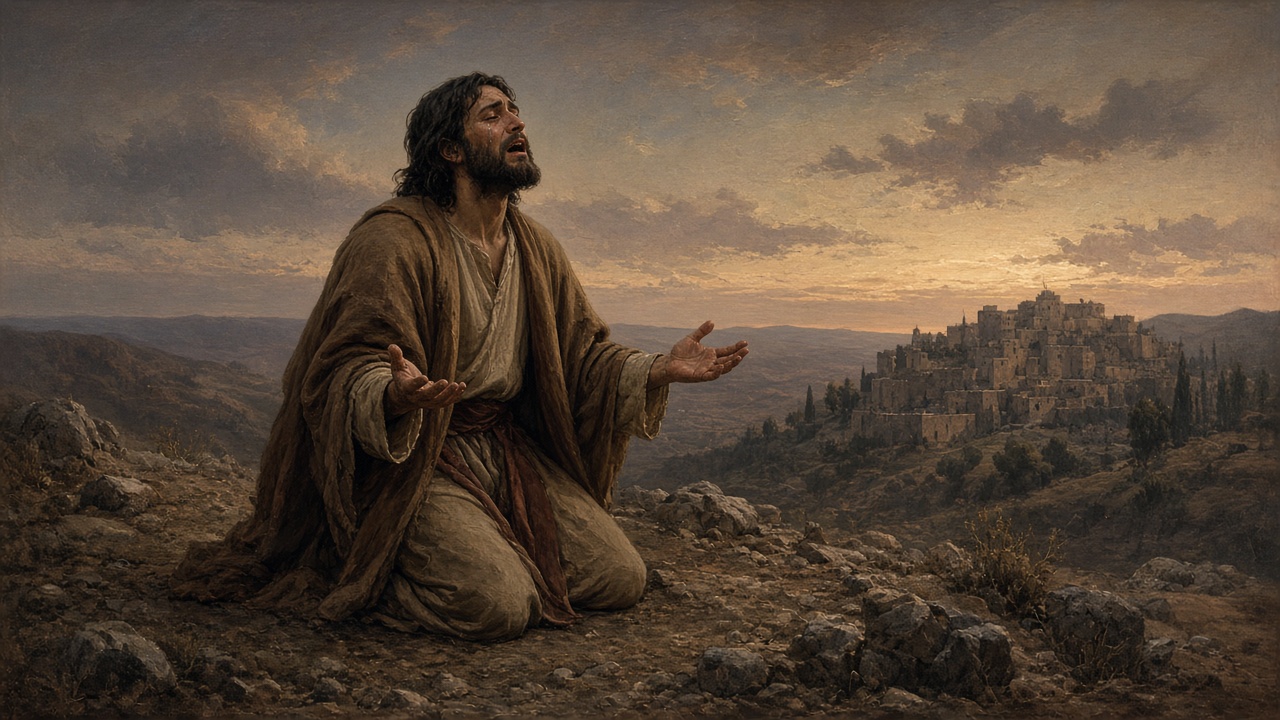
“Ya pangapari mo ay ayn angaan,
hên nanad ha pangapari ni Melquisedec ya ayn anggaan.”
7Hên atsi ya pon di ha luta hi Apo Jesus, ay nakiingalo yan nanalangin kan Apo Namalyari, ya makapiligtas kana ha kamatsan. Ha panalangin nan boon nakêm, ay in-ikhaw nay habi na hên main kalamoy hadyay tangih, haka nagilam ya panalangin na, gawan ha pagpakaaypan nakêm na ha pamanhumonol kan Apo Namalyari. 8Anak ya man ni Apo Namalyari, ay gawan ha hadyay kairapan ya dinanan na, ay naintindihan na ya labay habiên hên mag-in mahonol. 9Haka gawan ayn pamagkulang ha pamanhumonol na ha impadyag kana ni Apo Namalyari, ay hiyay nag-in ampangubatan hên ayn anggay kaligtasan lan kaganawan ya ampanhumonol kana, 10gawan hiyay pinili ni Apo Namalyari hên mag-in pinakapoon pari hên nanad ha ayn angga ya pangapari ni Melquisedec.
Kaillag kitamo ta kayno matalibatokan tamoy paniwala tamo
11Mal-at pon dayi ya labay naên habiên kamoyu ya tungkol ha pangapari ni Apo Jesu-Cristo haka ya pangapari ni Melquisedec, noa, mairap hên ipalinaw ya habayto kamoyu, ta nanad ayn nanan anhumwên ha ihip yo. 12Ha kaptêgan, ay nabuyot kaw nan ampaniwala, kabay dapat dayi, ay maaralan yoy nay kapareho yo, noa, angga amêhên kailangan yo pon êt hên patoro ha unan intoro kamoyu ubat ha habi ni Apo Namalyari. Ya kaalimbawaan yo ay anak ya ampanoho pon ya a ampakagatgat hên mantêg pamangan. Ya labay habiên ya a yo pon mamwangan no hinoy mangêd ya dyag haka no hinoy narawak ya dyag. 14Ta ya malalê ya toro ya maialimbawa ha mantêg ya pamangan ay para kanlan manakêm, ta nalêmaw hilay nan mamili no hinoy mangêd ya dyag haka mamalay hên mangara ha alwan mangêd ya dyag.
Did you know?
A High Priest Called by God
- Hebrews 5 presents Aaron as the pattern of a high priest who does not take the honor upon himself but is called by God. Aaron, eldest son of Amram and Jochebed, was born in Egypt three years before his brother Moses. When the time drew near for Israel’s deliverance from Egypt, God sent him to meet his long-absent brother so that they might work together toward the Exodus.Sources: the Bible text itself · Aaron
- Melchizedek, whose name Easton's Bible Dictionary (1897) explains as “king of righteousness,” was king of Salem. All that the Old Testament records of him is in Genesis 14:18–20, and he is mentioned only once more, in Psalm 110:4. Hebrews 5 applies to Christ the words “You are a priest forever in the order of Melchizedek,” and the same dictionary says that Hebrews 7 sets out the significance of his story in detail and presents his priesthood as superior to Aaron’s, noting that Abraham paid him tithes and that Melchizedek blessed Abraham.Sources: the Bible text itself · Melchisedec
Notes written with AI assistance from open sources (Theographic Bible Metadata, CC BY-SA 4.0; Easton’s Bible Dictionary, public domain) and reviewed before publishing.
Credits and license for this translation
Ya habi ni apo namalyari: Bayon tsipan - Ayta Mag-antsi
New Testament in Ayta, Mag-antsi
copyright © 2006 Wycliffe Bible Translators, Inc.
Language: Mag-antsi Ayta (Ayta, Mag-antsi)
Translation by: Wycliffe Bible Translators
Contributor: Wycliffe Bible Translators, Inc.
Copyright Information
© 2006, Wycliffe Bible Translators, Inc. All rights reserved.
This translation text is made available to you under the
terms of the Creative Commons License: Attribution-Noncommercial-No Derivative Works.
( http://creativecommons.org/licenses/by-nc-nd/3.0/ )
In addition, you have permission to port the text to different file formats, as long as you
do not change any of the text or punctuation of the Bible.
You may share, copy, distribute, transmit, and extract portions
or quotations from this work, provided that you include the above copyright
information:
You must give Attribution to the work.
You do not sell this work for a profit.
You do not make any derivative works that change any of the actual words or punctuation of the Scriptures.
Permissions beyond the scope of this license may be
available if you contact
us with your request.
Printed book ISBN 9789718260654
The New Testament
in Ayta, Mag-antsi
© 2006, Wycliffe Bible Translators, Inc. All rights reserved.
This translation is made available to you under the terms of the
Creative Commons Attribution-Noncommercial-No Derivatives license 4.0.
You may share and redistribute this Bible translation or extracts from it in any format, provided that:
You include the above copyright and source information.
You do not sell this work for a profit.
You do not change any of the words or punctuation of the Scriptures.
Pictures included with Scriptures and other documents on this site are licensed just for use with those Scriptures and documents.
For other uses, please contact the respective copyright owners.
2015-03-17
Source: http://ebible.org/sgb/ · eBible.org