1 Corinthians 13
Ya habi ni apo namalyari: Bayon tsipan - Ayta Mag-antsi · Tap a verse to see its cross-references.
Ya pamanlugud
1Makapaghabi kitamo man hên habi hên kaatag, haka habi lan anghel, no ayn kitamon panlugud ha kapareho tamo, ay nanad kitamon tonoy ya bat hên ampagtonoy hên ayn labay habiên. 2Malyarin main kitamon galing, ya ubat ha Espiritu ni Apo Namalyari, hên nanad ha pamipamwang hên an-ipaihip na kantamo. Malyari etaman hên main kitamon pamangintindi ha kaganawan a pon impamwang. Malyari êt hên main kitamon kaganawan kamwangan ya mamwangan lan tawo ya tungkol kan Apo Namalyari. Haka malyari ya main kitamon paniwala ya makhaw ya makapiálih hên tawgtug. Noa, no ayn kitamon pamanlugud ha kapareho tamo, ay ayn pukat ya habayto. 3Idigalo tamo man ya kaganawan pibandian tamo ha mangairap, haka paulayan tamo man hên ulamên ya lawini tamo, no ayn kitamon pamanlugud ha kapareho tamo, ay a tamo mapakinabangnan ya dinyag tamo.
4No mapanlugud kitamo, ay mapagtêêh kitamo, haka maingaloên kitamo. Alwa kitamo maridya, mapaglalang, o mapagmatag-ay. 5No mapanlugud kitamo, ay alwa kitamon mapammusmus, maimot, mahuhulukên, o mapagtanêm hên hakit nakêm. 6No mapanlugud kitamo, ay a tamo an-ikahigla ya karawakan. Noa, an-ikahigla tamoy kaptêgan. 7No mapanlugud kitamo, ay matêêhan tamo ya hinon angkalyari, haka a maalíh ya tsiwala tamo ha kapareho tamo, a etaman maalíh ya pamangênggan tamon kangêran, haka matagalan tamo ya hinoman.
8Ya galing ya an-idigalo nan Espiritu ni Apo Namalyari, ya nanad ha pamipamwang hên an-ipaihip ni Apo Namalyari kantamo, ay main angga. Êmbayro êt ya galing hên mag-habi ha kaatag ya habi, ya a tamo muwang, ay main anggaan. Haka ya pamipamwang hên tungkol kana, ay main angga etaman. Noa, ya pamanlugud ay ayn angga, 9ta ya kamwangan, ya tungkol kana, haka ya pamipamwang hên an-ipaihip na kantamo, ay kulang pon. 10Noa, ha pamanlumatêng nan ganap ay maalíh ya main pamagkulang.
11Alimbawa, hên anak kitamo pon, ya ihip, pamangintindi, haka ya habi tamo ay nanad kanlan anak. Noa, gawan toa kitamina, ay inalíh tamina ya nanad ha pandaygên lan anak. 12Êmbayro êt kantamon ampaniwala kan Apo Jesu-Cristo. Ya kamwangan tamo, ya tungkol kan Apo Namalyari amêhên, ay kulang pon, nanad ha pamanlêk ha solamin ya naburarêg. Noa, lano, lumatêng ya allo, ay mahêlêk tamina hi Apo Namalyari, hên arap-arapan, hên ayn kulang, ta makilala tamo ya, hên nanad ha pagkakilala na kantamo.
13Kabay hata tatlo ay ayn angga. Una, ya paniwala tamo kana, ikalwa ya pamangênggan tamo ha pamag-orong na hên mantan kantamo ha ampaidyanan na ha langit, haka ikatlo, ya pamilulugud tamo. Noa, ya pinakamangêd kanlan habaytoy tatlo ay yabay ya pamilulugud.
Did you know?
Love Above Every Gift
- Without love, the chapter says, speaking in the tongues of men and of angels is only a ringing gong or a clanging cymbal. Someone with prophecy, with power to fathom all mysteries and all knowledge, and with faith that could move mountains is nothing; someone who gives all they possess to the poor, or surrenders their body, gains nothing.Sources: the Bible text itself
- Love is patient and kind. It does not envy, boast, or act with pride; it is not rude, self-seeking, or easily angered, and it keeps no account of wrongs. It takes no pleasure in evil, rejoices in the truth, and bears, believes, hopes, and endures all things.Sources: the Bible text itself
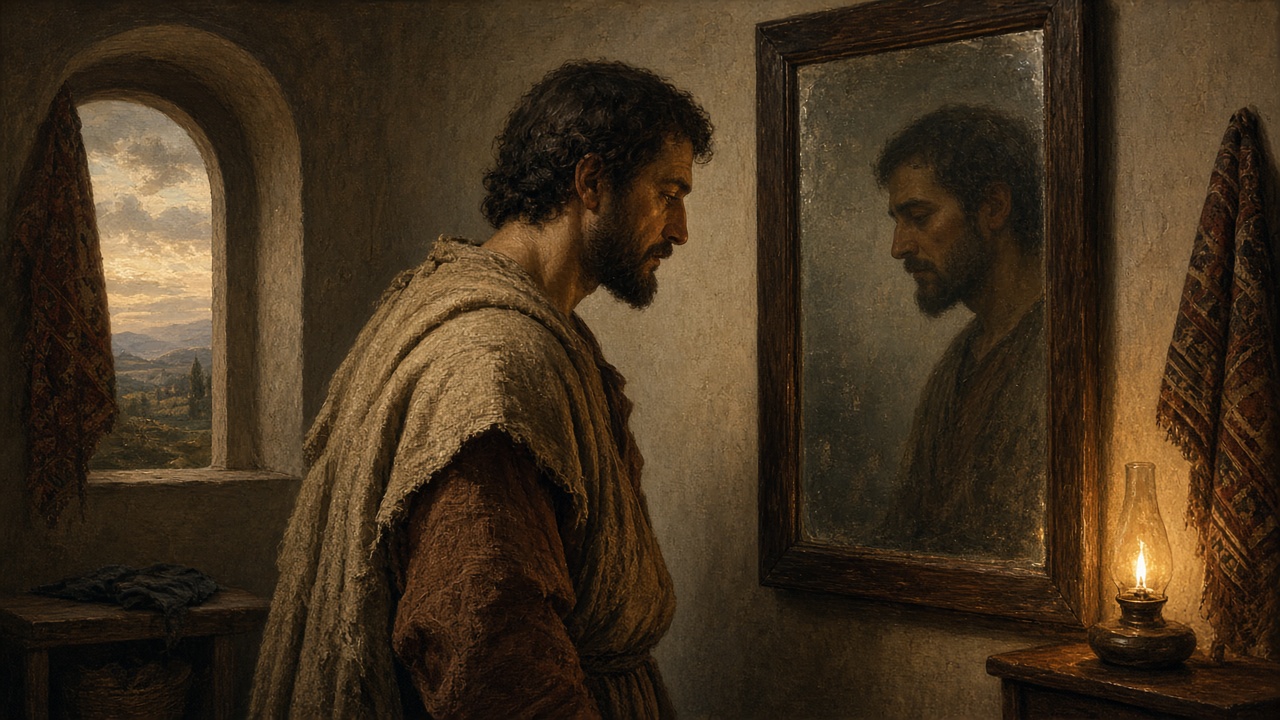
- Love, the chapter says, never fails, but prophecies will cease, tongues will be restrained, and knowledge will be dismissed. What is known and prophesied now is partial, like a child's reasoning or a dim reflection in a mirror rather than seeing face to face. Faith, hope, and love remain, and the greatest of these is love.Sources: the Bible text itself
Notes written with AI assistance from open sources (Theographic Bible Metadata, CC BY-SA 4.0; Easton’s Bible Dictionary, public domain) and reviewed before publishing.
Credits and license for this translation
Ya habi ni apo namalyari: Bayon tsipan - Ayta Mag-antsi
New Testament in Ayta, Mag-antsi
copyright © 2006 Wycliffe Bible Translators, Inc.
Language: Mag-antsi Ayta (Ayta, Mag-antsi)
Translation by: Wycliffe Bible Translators
Contributor: Wycliffe Bible Translators, Inc.
Copyright Information
© 2006, Wycliffe Bible Translators, Inc. All rights reserved.
This translation text is made available to you under the
terms of the Creative Commons License: Attribution-Noncommercial-No Derivative Works.
( http://creativecommons.org/licenses/by-nc-nd/3.0/ )
In addition, you have permission to port the text to different file formats, as long as you
do not change any of the text or punctuation of the Bible.
You may share, copy, distribute, transmit, and extract portions
or quotations from this work, provided that you include the above copyright
information:
You must give Attribution to the work.
You do not sell this work for a profit.
You do not make any derivative works that change any of the actual words or punctuation of the Scriptures.
Permissions beyond the scope of this license may be
available if you contact
us with your request.
Printed book ISBN 9789718260654
The New Testament
in Ayta, Mag-antsi
© 2006, Wycliffe Bible Translators, Inc. All rights reserved.
This translation is made available to you under the terms of the
Creative Commons Attribution-Noncommercial-No Derivatives license 4.0.
You may share and redistribute this Bible translation or extracts from it in any format, provided that:
You include the above copyright and source information.
You do not sell this work for a profit.
You do not change any of the words or punctuation of the Scriptures.
Pictures included with Scriptures and other documents on this site are licensed just for use with those Scriptures and documents.
For other uses, please contact the respective copyright owners.
2015-03-17
Source: http://ebible.org/sgb/ · eBible.org