2 Corinthians 8
Hudani Kielien · Tap a verse to see its cross-references.
Bayasuzhi Ogi
1Gaijiula, Huda Maqidun jiohuilade ogisan nenjienni bi tande mejieghaye. 2Kunnan dunda hhelai fugiede shiikude hende bayasuzhi tebieji nanxin bikude kunlade tebieji dafande ogizho. 3Hhela banman giekude zhao nenlighalane, pse nenlisene chaogo giezhi goyalane ogisei bi ganzhen bei shidane. 4Hhela bijienyi haojihui hende xiahua giezhi shentulade banman gieku shiqin jiere jihui ogizhi guzi beigha giezho. 5Hhela giesan bijien sumulasanse olon chaogo giezho. Hhela goyane xien Ezhande ogizhi pse Hudai isighala bijiende ogizho. 6Ingiese bijien Qidode ene gou shiqinyi chi kaishi giese tai dunda giezhi chengun olugha giezhi sughazhi kieliewo. 7Ta xianxin gieku, kielien kielieku, erlin, rexin, bijien tande oreku jiere man kunlase zui goude giesan mutun nanxin kunlade banman gieku shiqin jiereye zui goude giekui bijien xiwon giezho.
8Bi ingiezhi kieliese tande ese fenfulazho, kunlai rexinghala tai oreku zhugheshi shixinji enbenu pusho bikui uzhene giezho. 9Mai Ezhan Ersa Mexihani nenjienyi ta mejiene. Hhe yenlai bayan wo, tande oluzhi nanxinshikushi hhei nanxinnighala tai bayazheghane giezho. 10Kunlade ogiku shiqin jiere bi tande sumulakune kielieye. Ta ingiezhi giese gou wo. Ta udai honse ene shiqinyi zui melie giezho, zui melie duralazhoma, 11giezhi qiikude bisan rexin mutun ede ene shiqinyi giezhi chengun olugha. Zhao nengou biku mutun gie. 12Ta duranghalane ogise Huda jienliene. Uwokulane ogi ese giezho, winekulane ogi giezho. 13Bi kunlai gongienshighazhi tande kunnan ireghane ese giezho, manlai izhishighane giezho. 14Edeku tai bayan hhelai chaisande banman gie shidaku mutun hhelai bayan jianlai tai chaisande banman giene, ingiese izhishiwo. 15Jinwun jiere jilasan mutun, "Olon ghurasanlade feiliekui uwo, choghon ghurasanlade chaikui uwo."
Qido Lienshoularene
16Bi tande oluzhi rexintu zhughei Qidoi zhughede teisan Hudade mafan kielieye. 17Qido bijien fenfulasei chenliezhoma, goyane genjia rexin bizhi yenyizhe tai hhende echiwo. 18Bijien da nie gaijiui peizhi hhere hhantu echighawo. Ene kunyi gouxioxi chonjiku jiere olon jiohuila man kuaizho. 19Zinie ene pusho, jiohuila hhei sunghudene peizhi bijienre hhantu echighazhi bijiende jiuizhi ogisan baerni khughoghazho. Bijien ene gou shiqinyi giese Ezhanni famade oluzho, bijien gou zhughene mejieghazho. 20Bijien ingiezhi giekushi ene olon baerni gonjikude kunlai ulie sugieghane giezho. 21Bijien gou shiqin giese zinie Ezhanni melie gieku pusho, kunlai melieye ingiezho. 22Bijien pse nie gaijiui peizhi hhelare hhantu echighawo. Bijien olon shiqin jiere hhei kaoyen olon giedene hhende rexin bikui mejiewo. Ede hhe tai hende xianxin giedene genjia rexinshizho. 23Qidoi kieliese hheshi mii nokie wo, tande oluzhi mare lienshou gholuzho. Pse hhe ghua gaijiushi jiohuila peisan wo, Mexihani fama wo. 24Ingiese ta jiohuilai melie oreku zhughene, pse bijien tai kuaisei hhelade zhenmin gie.
Did you know?
Generosity and the Jerusalem Collection
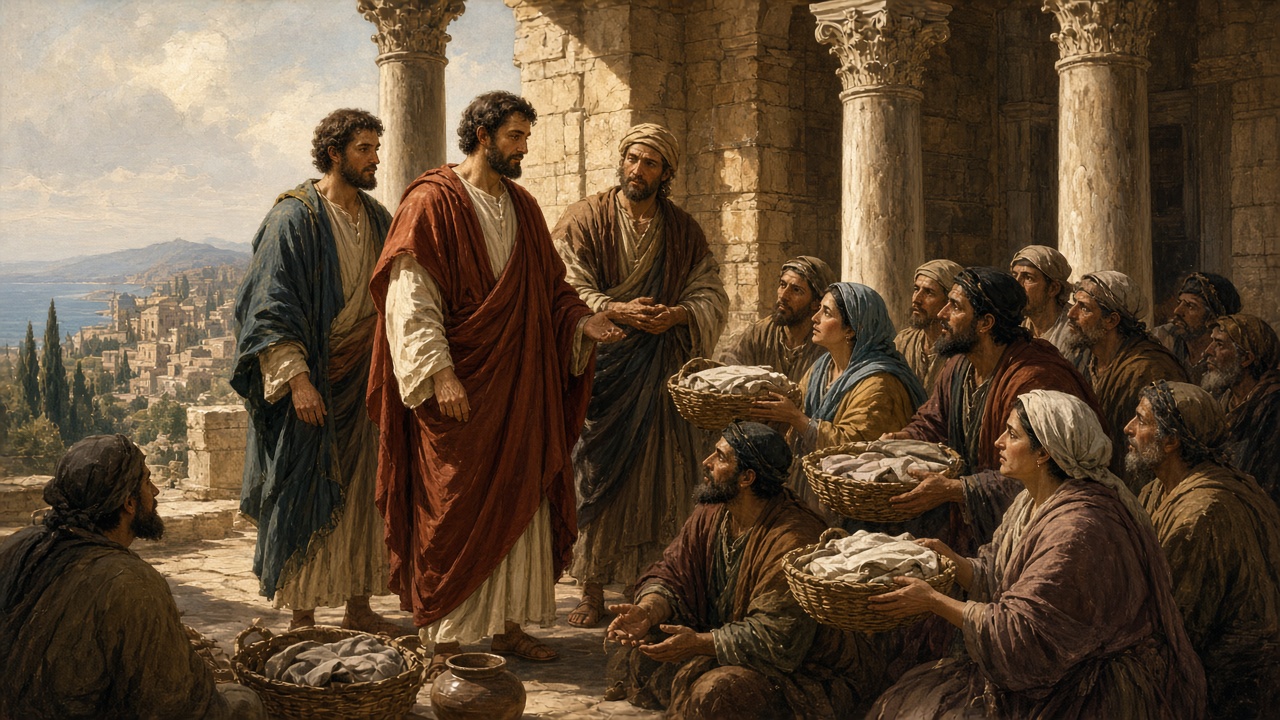
- In New Testament times Macedonia was a Roman province north of Greece. Paul was summoned by the vision of a man of Macedonia to preach the gospel there, and this chapter tells the Corinthians how those churches, in a terrible ordeal and deep poverty, gave joyfully and even beyond their ability.Sources: Macedonia · the Bible text itself
- Titus, whose name nowhere occurs in Acts, appears to have been a Gentile chiefly engaged in ministering to Gentiles. From Ephesus, Paul sent him to Corinth to forward the church's contributions for the poor saints at Jerusalem; in this chapter Paul urges him to complete that work, and Titus is coming eagerly of his own accord.Sources: Titus · the Bible text itself
- Along with Titus, Paul is sending a brother praised by all the churches for his work in the gospel and chosen by them to accompany the offering, and another brother whose earnestness has been proven many times and in many ways. He explains that this care is meant to avoid criticism of how the generous gift is administered, so that they do what is right not only in the eyes of the Lord but also in the eyes of other people.Sources: the Bible text itself
Notes written with AI assistance from open sources (Theographic Bible Metadata, CC BY-SA 4.0; Easton’s Bible Dictionary, public domain) and reviewed before publishing.
Places in this chapter
Only places identified with high confidence are shown (90% or more according to the scholarly sources compiled by OpenBible). Period map: DARE (Digital Atlas of the Roman Empire), CC BY 4.0; modern map: © OpenStreetMap contributors; places: OpenBible.info (CC BY 4.0).
Credits and license for this translation
Hudani Kielien
The New Testament in the Dongxiang language of China: Hudani Kielien
Copyright © 2020-2024 River Street Publishing
Language: (Dongxiang)
Contributor: Wycliffe Bible Translators, Inc.
This translation is made available to you under the terms of the
Creative Commons Attribution Share-Alike license 4.0.
You have permission to share and redistribute this Bible translation in any format and to make reasonable revisions and adaptations of this translation, provided that:
You include the above copyright and source information.
If you make any changes to the text, you must indicate that you did so in a way that makes it clear that the original licensor is not necessarily endorsing your changes.
If you redistribute this text, you must distribute your contributions under the same license as the original.
Pictures included with Scriptures and other documents on this site are licensed just for use with those Scriptures and documents.
For other uses, please contact the respective copyright owners.
Note that in addition to the rules above, revising and adapting God's Word involves a great responsibility to be true to God's Word. See Revelation 22:18-19.
2025-07-02
Source: http://ebible.org/sce/ · eBible.org