Mark 14
Biblija tu limba Rrãmãnã · Tap a verse to see its cross-references.
Apofãsirea a Preftsilor
1Dupã doauã dzãli eara Pashtili sh-Adzãmili, sh-ma mãrilji a preftsilor shi scriblji cãfta cum s-lu acãtsa Isusul cu ilei, shi s-lu vãtãma. 2Ma dzãtsea: “Nu tu chirolu a sãrbãtoarãljei, tsi s-nu aibã mintiturã tu popul.”
Isus tu Betania
3Isusul eara tu Betania, tu casa al Simon tsi eara lepros, sh-cãndu eara la measã intrã unã muljiear cu un vasã di alabastru cu untulem njiurizmos cu nard curat, multu scump sh-ea lu frãmsi vaslu di alabastru sh-lji lu-vãrsã untulemlu pri cap. 4Niscãntsã s-nãrãirã sh-dzãsirã: “Cãtse tutã aestã hãrgiuiri a untulemlui?” 5Cã aestu untulem putea s-vindea ma multu di trei suti di denari shi aesti si s-da a niavutsilor. Sh-eara nevrisits cu nãsu. 6Ma Isusul dzãsi: “Alãsats-lu! Cãtse u munduits? Ea featsi un lucru bunã trã mini. 7Cã niavutsilji va lji avets totãna cu voi, sh-cãndu s-vrets, putets s-lã fãtsets ghini. Ma mini nu va mi-avets totãna. 8Ea featsi atsea tsi putu, aumsi di ma nãinti truplu a meu trã ngrupari. 9Dealihea ma vã dzãcã cã tu tutã dunjeaua iutsido tsi va s-hibã predicat aestu evanghelu, va sã spunea shi atsea tsi ea featsi, trã adutsearea aminti a ljei.”
Pretsul a Pridariljei
10Atumtsea Iuda Iscariotul, un di doisprãdzatsilji, s-dusi la mãrilji a preftsilor tsi s-prida Isusul. 11Sh-elji cãndu lu avdzãrã, s-hãrsirã sh-lji tãxirã cã va lji da pãradzi. Ashã elu cãfta oara tsi prindi trã pridari.
Etimãsirea a Pashtiljei
12Tu prota dzuã a Adzãmilor, cãndu s-featsi curbanlu a Pashtiljei ucenitsilji a lui dzãsirã: “Iu vrei s-nidzem s-adrãm di mãcari Pashtili?” 13Sh-elu pitricu doi di ucenjitsili a lui dzãcãnda: “Imnats tu cãsãbã sh-aclo va s-adunats un om tsi tsãni un stamnã plinã cu apã, urmats-lu atselu. 14Sh-aclo iu elu va s-intrã, dzãtsets-lji a domnului ali casi: ‘Nvitsãtorlu ntreabi: Iu easti udãlu tsi putem s-mãcãm Pashtili cu ucenitsilji a melji?’ 15Sh-elu va vã spunã nsus unã udã marã uidisitã sh-gata. Aclo etimãsits trã noi.” 16Ucenitsilji a lui s-dusirã, agiumsirã tu cãsãbã aflarã ashã cum dzãsi elu, sh-etimãsirã Pashtili.
Tsina a Pashtiljei
17Cãndu s-featsi searã, Isusul vini cu doisprãdzatsilji. 18Cãndu ma shidea la measã sh-ma mãca, Isusul dzãsi: “Dealihea vã dzãcã cã un di voi tsi ma mãcã cu mini, va mi vindã.” 19Atumtsea elji ahurhirã sã nvirineadzã sh-dzãtsea un cu alantu: “S-nu hiu mini?” [Shi un altã dzãsi: “S-nu hiu mini?”] 20Sh-elu, apãndisinda lã dzãsi a lor: “Easti un di doisprãdzatsilji tsi moalji cu mini tu cãtsãn. 21Ma Hiljilu a omlui ma s-dutsi cum easti scriatã trã nãsu, ma cavai di atselu om tsi vindi Hiljilu a omlui. Va eara ma ghini trã nãsu, tsi atselu om s-nu eara amintat pute!”
Pisti-ligarea atsea Noaua
22Sh-cãndu elji ma mãca, Isusul lo pãnea, u ghinicuvãntã, u pãrtsã, sh-lã-u deadi a lor dzãcãnda: “Loats sh-mãcats. Aestu easti truplu a meu.” 23Deapoea lo cupa, lu hãrãstãsi, lã-u deadi a lor sh-tuts biurã di nãsã. 24Atumtsea lã dzãsi: “Aestu easti sãndzilu a meu, a pisti-ligariljei, tsi s-vearsi trã multsã. 25Dealihea vã dzãcã cã nu va beau ma dit carpolu a ayinjiljei pãnã tu atsea dzuã cãndu va s-u beau di nou tu amirãriljea al Dumnidzãu.” 26Sh-dupã tsi cãntarã un himn, ishirã shi s-dusirã cãtrã Muntsili a Masnjilor.
Isusul sh-Petrul
27Isusul lã dzãsi a lor: “Voi tuts va s-vã scandalizats cu mini aestã searã, cã easti scriatã:
‘Va lu agudescã picurarlu
sh-oili va s-arãspãndeascã.’
28Ma dupã tsi va mi-injedz, mini va mi duc nãinti di voi tu Galilea.” 29Sh-Petrul lji-dzãsi: “Ca s-hibã cã tuts alantsilji si scandalizeadz cu tini, mini nu va mi scandalizescu.” 30Sh-Isusul lji-dzãsi: “Mini ma ts-dzãcã dealihea cã azã, tu aeastã noapti, nãinti tsi cucotlu s-cãntã doauã ori, tini va mi alipideshti trei ori.” 31Ma elu insistãnda, dzãtsea: “Sh-ca s-hibã cã prindi s-mor cu tini, nu va ti alipidescu pute.” Unã soi dzãsirã sh-tuts alantsilji.
Isus tu Ghetsemani
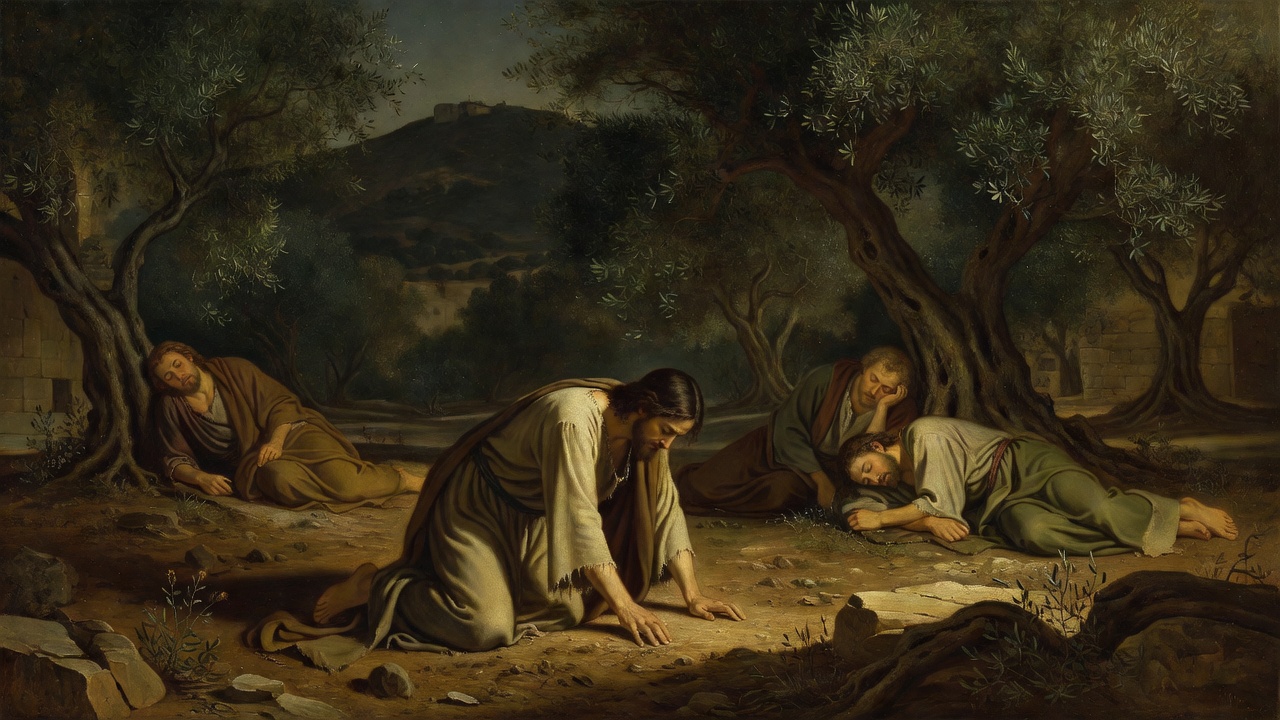
32Deapoea agiumsirã la un loc tsi s-acljima Ghetsemani, sh-elu lã dzãsi a ucenitsilor a lui: “Apunats-vã aoa, pãnã cãndu mini s-hiu pãrãcãlsitã.” 33Sh-lo cu nãsu Petrul, Iacovul sh-Ioanul, sh-ahurhi s-aibã fricã sh-agonii. 34Sh-lã dãsi a lor: “Suflitlu a meu easti multu nvirinat, pãnã tu moarti, armãnets aoa shi s-hits dishtiptat.” 35Sh-cum s-dusi niheam nãinti, cãdzu pi dintsi shi s-pãrãcãlsea, tsi ma s-eara putut, s-fudzea di la nãsu aestã oarã. 36Sh-dzãsi: “Abba, Tate, itsido trã tini easti putut, dipãrteadz-lu di la mini aestã cupã. Ma nu atsea tsi voi mini, ma atsea tsi vrei tini!” 37Apoia s-turnã nãpoi, sh-lji aflã durnjinda sh-lji dzãsi a Petrului: “Simon ma dornji? Nu putush s-stai dishtiptat nitsi unã oarã? 38Armãnets dishtiptat sh-pãrãcãlsits-vã tsi s-nu intrats tu cãrteari. Duhlu easti etimu, ma truplu easti niputut.” 39S-dipãrtã nãpoi shi s-pãrãcãlsi dzãcãnda idhiili zboari. 40Cãndu s-turnã, lã aflã nãpoi tu somn, cã ocljilji a lor eara greli sh-elji nu shtia tsi s-apãndisea. 41S-turnã di a treia oarã sh-lã dzãtsi a lor: “Ninga ma durnjits sh-vã discurmats. Agiundzi, vini oara! Ia, Hiljilu a omlui ma s-prida tu mãnjili a amãrtioshilor. 42Sculats-vã, s-ni dutsem. Ia, atselu tsi ma mi prida easti aproapi!”
Acãtsarea al Isus
43Sh-tu atsea oarã, cãndu elu ninga ma grea, vini Iuda, un di doispridzatsilji, sh-cu nãsu unã multsãmi marã cu spãts sh-cu pãlenji, pitricut di mãrlji a preftsilor, di scriblji sh-di aushlji. 44Sh-elu tsi ma lu pridea lji avea datã a-lor un semn: “Atselu tsi va s-bashu, elu easti. Acãtsats-lu shi adutsets-lu cu mari cãshtigã.” 45Sh-cum agiumsi s-apruche trãoarã la nãsu sh-lji dzãsi: “Rabbi, Rabbi!” Sh-lu bãshe. 46Atumtsea elji bãgarã mãna pri nãsu sh-lu-acãtsarã. 47Un di atselji tsi s-alfa aclo, scoasi spata, agudi sclavlu a arhipreftului sh-lji tãlje ureaclja. 48Sh-Isusul apãndisinda, lã dzãsi: “Avets vinit cu spãts sh-cu pãlenji tsi s-mi acãtsats? 49Cathi dzuã earam namisa di voi tu templu nvitsãnda sh-voi nu mi acãtsat. Ma aestã s-fatsi tra si mplineascã Scriturili.” 50Atumtsea ucenitsilji lu alãsarã sh-fudzirã tuts. 51Sh-un tinir, tsi era anvãrtit cu un pãndzã pi truplu dispuljat ma lu urma, sh-elji lu acãtsarã. 52Elu u alãsã pãndza sh-fudzi dispuljat.
Isus Nãinti al Sinedru
53Atumtsea elji lu dusirã Isusul la arhipreftlu iu s-adunarã mãrilji a preftsilor, aushlji shi scriblji. 54Petrul lu urmã di diparti pãnã nãuntru tu pãlatlu a arhipreftului shi s-apunã aclo deadun cu vigljitorlji shi s-ncãldza ningã foc. 55Sh-mãrilji a preftsilor sh-tutã sinedrul cãfta mãrtirii contra al Isus s-lu vãtãma, ma nu ma afla. 56Multsã oaminj fãtsea mãrtirii arãdioasã contra a lui, ma mãrtiriili a lor nu s-uidisea. 57Atumtsea niscãntsã si scularã sh-mãrtirsirã cu ilei contra a lui dzãcãnda: 58“Noi lu avem avdzãtã cã tsi ari dzãsã: ‘Mini va lu aspargã aestu templu adratã cu mãnji, sh-di trei dzãli va s-adarã un altu tsi nu easti faptã di oamnjilji.’” 59Ma nits ti aestã mãrtiria a lor nu s-uidisea. 60Atumtsea si sculã arhipreftul namisa di cunvendã sh-lu ntribã Isusul dzãcãnda: “Nu apãndiseshti dip? Tsi ma mãrtirsescu aeshtã contra di tini?” 61Ma elu pãpsi sh-nu apãndisi dip. Arhipreftul nãpoi lu ntribã sh-lji dzãsi: “Tini eshti Hristolu, Hiljilu a Ghinicuvãntatlui?” 62Sh-Isusul dzãsi: “Mini escu. Sh-voi va lu videts Hiljilu a omlui apunat tu nandreapta a Puteariljei shi vininda cu norilji a tserlui.” 63Atumtsea arhipreftul, arupãnda stranjili dzãsi: “Tsi ananghi avem ti mãrtirioshilji? 64Voi lu avdzãt blãstemlu, cum lu videts?” Sh-tuts lu giudicarã cu moarti. 65Sh-niscãntsã ahurhirã s-lu scuchea, s-lji anvãlea fatsa, shi s-lu agudea cu shupleacã shi s-lji dzãtsea: “Prufitipsea!” Sh-vigljitorlji lu agudea.
Petrul Arniseashti Isusul
66Cãndu Petrul eara nghios tu ubor, vini un di huzmichearili a arhipreftului. 67Sh-cãndu vidzu Petrul tsi ma s-ncãldza, lu vidzu cu cãshtiga sh-lji dzãsi: “Sh-tini earai cu Isus Nazareas.” 68Petrul alipidãnda dzãsi: “Nu lu cunoscu, sh-nu achicãsescu tsi dzãtsi.” Deapoea ishi nafoarã tu intrata a uborlui sh-cucotlu cãntã. 69Sh-huzmicheara vidzãnda nãpoi ahurhi s-lã greascã atsilor tsi eara aclo: “Aestu easti di nãshi.” 70Ma elu nãpoi u-ari alipidat. Sh-niheamã ma nãpoi oamnjili lji dzãsirã nãpoi a Petrului: “Dealihea tini eshti un di atselji, cã tini eshti Galilean sh-grearea a ta s-cunoashti.” 71Ma elu ahurhi s-blastimã shi si spigiurã: “Mini nu lu cunoscu atselu om ti cai ma grits.” 72Sh-cucotlu cãntã di a doaua oarã. Atumtsea a Petrului lj-vini tu minti zborlu tsi Isusul lji avea dzãsã: “Ma nãinti tsi cucotlu s-cãntã di doauã ori, tini va mi aleapidz trei ori.” Sh-cum mindui aestã, plãmsi.
Did you know?
Anointing, Betrayal, and Arrest
- The anointing took place in Bethany, a village on the south-eastern slope of the Mount of Olives, about two miles east of Jerusalem on the road to Jericho. There Jesus reclined at table in the house of Simon the Leper while a woman broke open an alabaster jar of pure nard and poured it on his head.Sources: Bethany · Simon · the Bible text itself
- After the meal, Jesus and the Twelve sang a hymn and went out to the Mount of Olives, a ridge east of Jerusalem, separated from the city by the Kidron valley and named for the olive trees covering its slopes. At its foot lay Gethsemane, an olive yard whose name means "oil-press," where Jesus was accustomed to withdraw with his disciples.Sources: Mount of Olives · Gethsemane · the Bible text itself
- Judas, surnamed Iscariot, that is, a man of Kerioth, is always named last among the apostles in the lists of the first three Gospels. After the anointing he went to the chief priests to betray Jesus; they were delighted and promised him money, and he later identified Jesus to the armed crowd by a kiss.Sources: Judas Iscariot · the Bible text itself
Notes written with AI assistance from open sources (Theographic Bible Metadata, CC BY-SA 4.0; Easton’s Bible Dictionary, public domain) and reviewed before publishing.
Places in this chapter
- Jerusalem · 31.777, 35.234 · verse 13
- Mount of Olives · 31.778, 35.246 · verse 26
- Galilee · 32.760, 35.527 · verse 28
- Gethsemane · 31.779, 35.239 · verse 32
- Nazareth · 32.702, 35.298 · verse 67
Only places identified with high confidence are shown (90% or more according to the scholarly sources compiled by OpenBible). Period map: DARE (Digital Atlas of the Roman Empire), CC BY 4.0; modern map: © OpenStreetMap contributors; places: OpenBible.info (CC BY 4.0).
Credits and license for this translation
Biblija tu limba Rrãmãnã
Portions of the Holy Bible in the Aromanian prestige dialect spoken in central and southern Albania.
copyright © 2024 The Word for the World International
Language: Armãneashti/Arumanisht
Contributor: The Word for the World Europe
Bibla Aromaneshti Frasherot dit Arbenishi
The Word for the World International 2024
www.twftw.org
Aromaneshtli Frasherot easti un din dialectili a limbaljei proto-latine balcanica tsi s-greashti ma multu tu teritorlu a Republicaljei dit Albania, tu Nordul Grecie, tsi s-acljeama Epiru shi tu niscants locurili a Republicaljei dit Nord Machidunia etc. Armanjilji dit Albania, dit Nord Machidunia poati s-lu ghavaseascu textul scriat.
Aromanian Frasherot Bible of Albania
Aromanian Frasherot belongs to the dialects of the Proto-Latin Balkanic language spoken mainly in the territory of the Republic of Albania and of Northern Greece, which was called Epirus and in some other pockets in the Republic of North Macedonia, etc. Aromanians from Albania, and the Republic of North Macedonia can read and understand the printed text.
Bibla Arumune Frasherot e Shqiperise
Arumanishtja Frasherote iu përket dialekteve te gjuhes proto-latine ballanike te folur të folur kryesisht në teritorin e Republikës se Shqiperise dhe te Greqise Veriore, qe quhej Epir dhe ne disa xhepa te tjere ne Republiken e Maqedonise se Veriut etj. Arumunët e Shqiperisë, te Republikës se Maqedonise se Veriut mund të lexojnë dhe kuptojnë tekstin e shtypur.
This translation is made available to you under the terms of the
Creative Commons Attribution Share-Alike license 4.0.
You have permission to share and redistribute this Bible translation in any format and to make reasonable revisions and adaptations of this translation, provided that:
You include the above copyright and source information.
If you make any changes to the text, you must indicate that you did so in a way that makes it clear that the original licensor is not necessarily endorsing your changes.
If you redistribute this text, you must distribute your contributions under the same license as the original.
Pictures included with Scriptures and other documents on this site are licensed just for use with those Scriptures and documents.
For other uses, please contact the respective copyright owners.
Note that in addition to the rules above, revising and adapting God's Word involves a great responsibility to be true to God's Word. See Revelation 22:18-19.
2025-07-02
Source: http://ebible.org/rup/ · eBible.org