Mark 10
Biblija tu limba Rrãmãnã · Tap a verse to see its cross-references.
Dispãrtsãrea
1Dupã tsi fudzi di aclo, Isusul s-dusi tu locurili a Iudeiljei ningã Iordan, sh-nãpoi s-adunarã avãrliga di nãsu multsãmea. Elu nãpoi ahurhi s-lã nveatsã ashã cum eara adetea. 2Sh-Fariseilji lu bãgarã tu provã shi lu ntribarã: “Macã ari izini bãrbatlu, s-lu alasã muljearea?” 3Sh-elu, apãndisinda, lã dzãsi a lor: “Tsi vã ari ordinatã Moise?” 4Elji dzãsirã: “Moise ari datã volji si-scrii cartea a dispãrtsãriljei shi su-alasã muljearea.” 5Sh-Isusul apãndisinda lã-dzãsi a lor: “Trã itia a chitrisiriljei a inimilor a voastri elu u scriã atsea regulã. 6Ma tu apãrnjita a adãrarãljei, Dumnidzãlu lã adrã mascrulu sh-theamina. 7Trã aestã bãrbatul va alasã tatul sh-muma sh-va si s-mpriuneadzã cu muljearea a lui. 8Ashã amindoilji va s-hibã un trup singur. Ashã elji nu sãntu ma doi, ma un trup singur. 9Trã atsea omlu s-nu mpartsã atsea tsi Dumnidzãlu ari mpriunatã!” 10Sh-la casã ucenitsilji a lui lu-ntribarã nãpoi trã aestã cauzã. 11Atumtsea elu lã-dzãsi a lor: “Atselu tsi alasi muljearea a lui shi si nsoari cu unã altã, ncalcã cãruna cu nãsã. 12Tutashã macã muljearea alasã bãrbatlu shi s-mãriti cu un altu, ncalcã cãruna.”
Isus shi Cilimenjilji
13Atumtsea lji-adusirã niscãntsã cilimenji njitsi tsi elu s-bãga mãna pi nãshi. Ma ucenitsilji lji-vãrghirã atselji tsi lji adusirã. 14Cãndu Isusul lu vidzu aestã, si nvirinã sh-lã dzãsi: “Alãsats-lji nitslji cilimenji s-yinã la mini sh-nu lji chidãcatsã, cã a lor easti amirãriljea al Dumnidzãu. 15Dealihea ma vã dzãc cã caitsido tsi nu u-aproachi amirãriljea al Dumnidzãu ca un cilimean njicã, nu va s-intrã la nãsã.” 16Shi cum lji lo mbratsã, lji ghinicuvãntã bãgãnda mãnjili pi nãshi.
Tinirlu Avut
17Tora cãndu ma s-fãtsea etimu ti cali, ishi dininti trãoarã un om, s-dzinuclje dininti a lui, sh-lu-ntribã: “Nvitsãtore bun, tsi prindi s-facã tsi s-mushtinitescu bana di totãna?” 18Sh-Isusul lji-dzãsi: “Cãtse nji-dzãts bun? Vãrã nu easti bun, dicãt mash un singur, Dumnidzãlu. 19Tini li cunoshti ordinli: ‘Nu calcã cãruna. Nu vatãmã. Nu fur. Nu fã mãrtirii arãdioasã. Nu arãd. Tinjisea tatãlu a tãu shi muma a ta.’” 20Sh-elu apãndisinda, lji-dzãsi: “Nvitsãtore, tuti atseali mini li-am faptã di cu njic.” 21Sh-Isusul lu vidzu cu vreari sh-lji dzãsi: “Un lucru tsã lipseashti: vindã tuti tsi ai shi dã-li a niavutsilor shi va s-ai unã yishteari tu tser. Deapoea haidi, ljea crutsea sh-mi urmeadzã.” 22Sh-elu s-nvirinã trã aesti sboari sh-fudzi amãros cã avea multi averi.
23Sh-Isusul dupã tsi arucã mutrita avãrliga, lã dzãsi a ucenitsilor a lui: “Cãt greu easti trã atselji tsi au aveari s-intrã tu amirãriljea al Dumnidzãu!” 24Ucenitsilji s-ciudisirã di zboarili a lui. Iarã Isusul gri nãpoi sh-lã dzãsi a lor: “Hilji, cãt greu easti tsi s-intrã tu amirãriljea al Dumnizdãlu [atselji tsi s-andoapirã la avearea]. 25Easti ma lishor s-treacã pri guva a-aclui unã cãmilã dicãt s-intrã un avut tu amirãriljea al Dumnidzãu.” 26Sh-elji s-ciudisirã sh-ma multu sh-dzãtsea cu un alantu: “Atumtsea cai poati si-ascapã?” 27Ma Isusul lã vidzu sh-dzãsi: “Aestã trã oamnjilji easti nipututã, ma nu ti Dumnidzãlu. Cã itsido easti pututã ti Dumnidzãlu.” 28Atumtsea Petrul lo sborlu sh-dzãsi: “Noi alãsãm itsido sh-ti urmãm tini.” 29Isus apãndisinda, dzãsi: “Dealihea ma vã dzãc cã nu ari vãrã om tsi ari alãsat casa, fratsilji, surãrili, tatlu, muma, hiljilji icã agrili trã mini sh-trã evanghelul, 30shi s-nu-ljea tora, tu aestu chiro unã sutã di ori ma mult cãsi, frats, surãri, mumi, hilji sh-agri, deadun cu avinãrili sh-tu eta alantã, tu bana eternã. 31Sh-multsã di protsilji va s-hibã atselji di ma napoi, shi atselji di ma nãpoi va s-hibã protsilji.”
Hiljilji al Zevedeu
32Atselji eara pri cali cãtrã Ieruzalem, shi Isus imna dininti. Sh-atselji eara trumuxits sh-lu urma cu fricã. Sh-elu lã adunã di doisprãdzatsilji nãpoi dinãparti sh-ahurhi s lã dzãcã tsi va s-lji undzeascã: 33“Noi ma nidzem cãtrã Ieruzalem shi Hiljilu a omlui va s-prida a arhipreftsilor sh-a scribilor, sh-elji va lu giudica cu moarti sh-va lu prida tu mãna a pãgãnjilor. 34Aeshti va lu pizueascã, va lu scuchi, va lu zãpãleascã sh-va lu vatãmã, ma elu a treia dzuã va s-injeadzã.” 35Atumtsea Iacovul sh-Ioanul, hiljilji al Zevedeu s-apruchearã la Isus sh-lji dzãsirã: “Nvitsãtore, noi vrem tsi tini s-fats trã noi atsea tsi va-s-tsã-cãftãmu.” 36Shi elu lã-dzãsi a lor: “Tsi vrets s-fac trã voi?” 37Elji lji-dsãsirã: “Alas-nã tsi s-nã apunãm un di nandreapta a ta shi alantu di nastãnga a ta tu mãrirea a ta.” 38Sh-Isusul lã dzãsi a lor: “Voi nu-shtits tsi cãftats! Putets voi s-bets cupa a munduirilor tsi mini va s-beu shi s-vã pãtidzats cu atselu pãtigiuni tsi mini escu pãtidzat?” 39Elji dzãsirã: “Ie, putem.” Sh-Isusul lã dzãsi a lor: “Dealihea va s-bets atsea cupã tsi va su beu mini, sh-va-s-vã pãtidzats cu atsea pãtigiuni tsi mini escu pãtidzat, 40ma nu easti ndreptul a meu tsi s-apunã di nandreapta a mea icã di nastãnga a mea, ma easti trã atselji tsi easti adratã.” 41Sh-cãndu li avdzãra aesti, alantsã dzatsi ahurhirã s-nãreascã contra al Iacov sh-al Ioan. 42Ma Isus lã acljimã ningã nãsu sh-lã dzãsi: “Voi lu shtits cã atselji tsi s-acljeamã domnitor a lumiljei lã chivernisescu atselji, sh-mãrilji a lor foloseascã pristi nãshi puterea a lor, 43ma atsea nu prindi s-undzeascã namisa di voi. Macã vãrã di voi tsi va s-facã mari, va s-hibã huzmichearlu a vostru. 44Sh-caitsido di voi tsi va s-hibã protlu, va s-hibã huzmichearlu a tutulor. 45Cã sh-Hiljilu a omlui nu-vini s-lji huzmitipseascã, ma s-huzmitipseascã shi di dari bana a lui ca prets ti acumprarea a multsilor.”
Orbul al Ierico
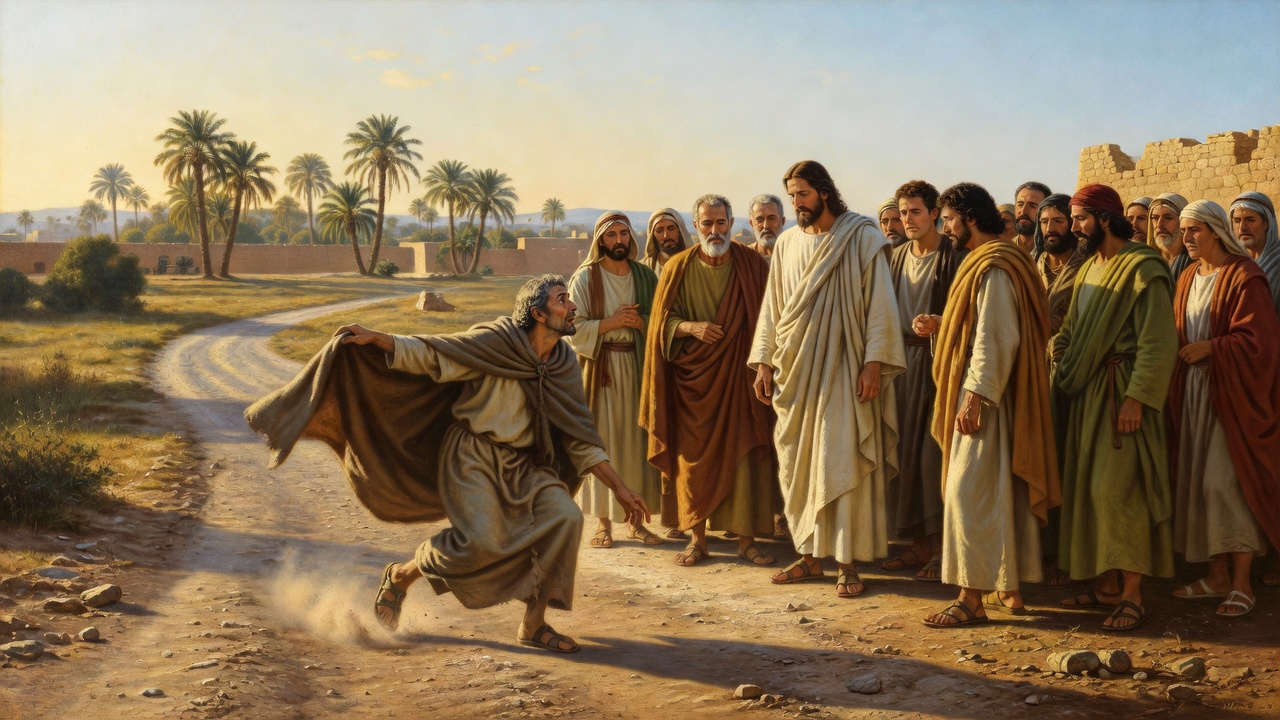
46Ashãtsi agiumsirã tu Ierico. Cãndu elu ma isha di Ierico cu ucenitsilji a lui sh-cu unã multsãmi mari, hiljilu al Timaeu, Bartimeul orbu, eara apunat mardzina di cali sh-cãfta. 47Cãndu elu avdzã cã atselu tsi ma tritsea eara Isus Nazareas, apãrnji s-aurlã shi s-dzãcã: “Isus, Hiljilu al David, njiliua-mi!” 48Multsã lji-aurla s-pãpsea, ma elu aurla sh-ma multã: “Hiljlu al David, njiliua-mi!” 49Sh-Isus chindrui sh-ordinã tsi s-lu acljeamã. Elji lu acljimarã orbulu, dzãcãnda: “Curaiu, scoalã-ti, elu ma ti acljeamã!” 50Atumtsea elu lu-arucã nclo mantolu a lui, si-sculã sh-vini la Isus. 51Sh-Isus lji-dzãsi: “Tsi vrei s-tsã fac mini!” Orbulu lji-dzãsi: “Rabboni, s-nji-si s-toarnã videarea!” 52Sh-Isus lji-dzãsi: “Imnã, pistipsirea a ta ti vindicã!” Sh-trãoara atsilui lji si-turnã videarea shi s-nchisi pri cali dupã Isus.
Did you know?
Discipleship and Faith on the Road to Jerusalem
- As Jesus and His followers traveled toward Jerusalem through Jericho in the Jordan valley, they encountered Bartimaeus, whose name means the son of Timaeus. Sitting by the roadside as a blind beggar, he repeatedly called Jesus the 'Son of David' before receiving his sight and following Him along the road.Sources: Jericho · Bartimaeus · Timaeus · the Bible text itself
- James and John, the sons of the Galilean fisherman Zebedee, asked Jesus for the two highest seats of honor at His right and left hand. Jesus used their request to contrast Gentile rulers who lord authority over others with the kingdom of God, where whoever wants to be first must become the servant and slave of all.Sources: James (Son of Zebedee) · John the Apostle · Zebedee · the Bible text itself
Notes written with AI assistance from open sources (Theographic Bible Metadata, CC BY-SA 4.0; Easton’s Bible Dictionary, public domain) and reviewed before publishing.
Places in this chapter
- Jordan · Today: Jordan River · 31.761, 35.558 · verse 1
- Judea · Today: Judea 1 · 31.777, 35.234 · verse 1
- Jerusalem · 31.777, 35.234 · verses 17, 32, 33
- Jericho · Today: Tell el Alayiq · 31.852, 35.436 · verse 46
- Nazareth · 32.702, 35.298 · verse 47
Only places identified with high confidence are shown (90% or more according to the scholarly sources compiled by OpenBible). Period map: DARE (Digital Atlas of the Roman Empire), CC BY 4.0; modern map: © OpenStreetMap contributors; places: OpenBible.info (CC BY 4.0).
Credits and license for this translation
Biblija tu limba Rrãmãnã
Portions of the Holy Bible in the Aromanian prestige dialect spoken in central and southern Albania.
copyright © 2024 The Word for the World International
Language: Armãneashti/Arumanisht
Contributor: The Word for the World Europe
Bibla Aromaneshti Frasherot dit Arbenishi
The Word for the World International 2024
www.twftw.org
Aromaneshtli Frasherot easti un din dialectili a limbaljei proto-latine balcanica tsi s-greashti ma multu tu teritorlu a Republicaljei dit Albania, tu Nordul Grecie, tsi s-acljeama Epiru shi tu niscants locurili a Republicaljei dit Nord Machidunia etc. Armanjilji dit Albania, dit Nord Machidunia poati s-lu ghavaseascu textul scriat.
Aromanian Frasherot Bible of Albania
Aromanian Frasherot belongs to the dialects of the Proto-Latin Balkanic language spoken mainly in the territory of the Republic of Albania and of Northern Greece, which was called Epirus and in some other pockets in the Republic of North Macedonia, etc. Aromanians from Albania, and the Republic of North Macedonia can read and understand the printed text.
Bibla Arumune Frasherot e Shqiperise
Arumanishtja Frasherote iu përket dialekteve te gjuhes proto-latine ballanike te folur të folur kryesisht në teritorin e Republikës se Shqiperise dhe te Greqise Veriore, qe quhej Epir dhe ne disa xhepa te tjere ne Republiken e Maqedonise se Veriut etj. Arumunët e Shqiperisë, te Republikës se Maqedonise se Veriut mund të lexojnë dhe kuptojnë tekstin e shtypur.
This translation is made available to you under the terms of the
Creative Commons Attribution Share-Alike license 4.0.
You have permission to share and redistribute this Bible translation in any format and to make reasonable revisions and adaptations of this translation, provided that:
You include the above copyright and source information.
If you make any changes to the text, you must indicate that you did so in a way that makes it clear that the original licensor is not necessarily endorsing your changes.
If you redistribute this text, you must distribute your contributions under the same license as the original.
Pictures included with Scriptures and other documents on this site are licensed just for use with those Scriptures and documents.
For other uses, please contact the respective copyright owners.
Note that in addition to the rules above, revising and adapting God's Word involves a great responsibility to be true to God's Word. See Revelation 22:18-19.
2025-07-02
Source: http://ebible.org/rup/ · eBible.org