Matthew 12
Biblija tu limba Rrãmãnã · Tap a verse to see its cross-references.
Isus, Domnul a Sãmbãtãljei
1Tu atsel chiro Isusul ma tritsea unã Sãmbãtã prit siminãturili cu grãn. Sh-ucenitsilji a lui, agiunji, apãrnjirã s-arupã schicuri shi s-li mãcã. 2Ma Fariseilji, cãndu vidzurã aestã, lji dzãsirã: “Ia, ucenitsilji a tãlji ma facã atsea tsi nu easti volje s-facã sãmbãta.” 3Sh-elu lã dzãsi a lor: “Nu avets cãntatã cã tsi featsi Davidul cãndu avu foami, elu sh-atselji tsi eara cu nãsu? 4Elu intrã tu casa a Dumnidzãlui sh-mãcã pãnji sãmtsãti, tsi nu prindea s-li mãca nitsi elu sh-nitsi elji tsi eara cu nãsu, dicãt mash preftsãlji. 5Icã nu avets cãntatã tu lege cã tu templu, cathe Sãmbãtã, preftsãlji calcã sãmbãta sh-cu tutatsea nu suntu vinovats? 6Sh-mini ma vã dzãc cã aoa easti un ma mari dicãt templu. 7Sh-ma s-avets shtiutã cã tsi va s-dzãcã: ‘Mini voi njilã sh-nu curbani,’ nu va aveat condamnat nivinovatsilji. 8Cã Hiljiu a omlui easti Domnu sh-a Sãmbãtãljei.”
Vindicarea a Omului cu Mãna Uscat
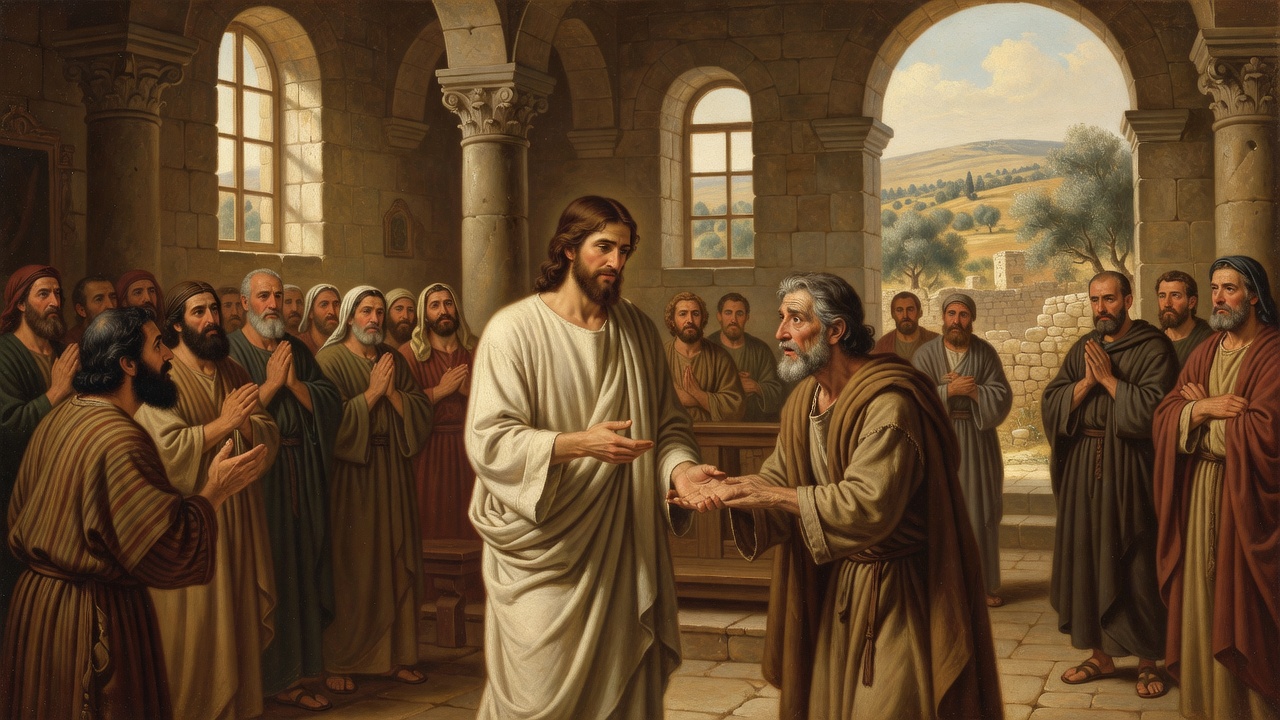
9Deapoea, dupã tsi s-dipãrtã di aclo, Isusul intrã tu sinagoga a lor, 10sh-ia, aclo eara un bãrbat a cui s-eara uscatã mãna. Elji lu ntribarã Isusul, cu scupo tsi s-lu acuza ma napoi: “Easti volje tsi cariva s-vindicã dzua di sãmbãtã?” 11Sh-elu lã dzãsi a lor: “Easti vãrã di voi tsi ari unã oai, shi aeastã lji cadi tu groapã dzua di sãmbãtã, sh-elu nu va u-acatsã shi s-u-scoatã afoarã? 12Ia ashã, cãt ma multu custeadzi omlu di oaia! Ia, easti volje s-fatsã ghini Sãmbãta?” 13Atumtsea elu lji dzãsi a omlui: “Tindi mãna a ta!” Elu u-timsi sh-mãna a lui s-featsi sãnãtoasã ca alanta. 14Ma Fariseilji, dupã tsi ishirã afoarã, fãtsea plan contra a lui cum s-lu vãtãma. 15Ma cãndu Isusul nvitsã aestã, fudzi di aclo sh-unã multsãmi mari lu urma sh-elu lji vindicã tuts. 16Sh-lã ordinã atselji si nu aspunea cai eara elu, 17tra si mplineascã tsi eara dzãsã di la prufitlu Isaia tsi dzãtsea:
18“Ia, huzmichearlu a meu, tsi mini lu alepshu, vrutlu a meu, tu cai mini escu hãrsit.
Mini va lu-bag Duhlu a meu pristi nãsu sh-elu va aspunã ndriptatea la lumea.
19Elu nu va si ncaci sh-nitsi va aurlã sh-vãrã nu va avdã boatsea a lui pri pãdzi.
20Elu nu va lu sãrmã cãlamlu atsel frãmtu sh-nu va u-astingã cãndila tsi fatsi fum, pãnã-cãndu elu s-nu aibã faptã s-amintã ndriptatea.
21Sh-oaminjilji va s-nãdãeascã tu numa a lui.”
Blãstemlu a Fariseilor
22Atumtsea lji adusirã un demonizat, tsi eara orbu sh-mut. Sh-Isusul lu vindicã, ashã cã elu videa sh-zbura. 23Sh-multsãmea s-ciudisea sh-dzãtsea: “Nacã aestu easti Hiljiu al David?” 24Ma Fariseilji, cãndu avdzãrã aestã, dzãsirã: “Aestu lã aĝuneashti demonjilji mash cu fuchiia a Beelzebul, printsul a demonjilor.” 25Sh-Isusul, cunuscãnda minduirili a lor, lã dzãsi: “Itsi amirã, tsi s-disparti tu nãsã, s-dutsi cãtrã aspãrdzeari, sh-itsi cãsãbã icã casã, tsi s-disparti tu nãsã, nu va si sta multu. 26Atumtsea, macã draclu aĝuneashti draclu, elu easti dispãrtsãtã tu nãsã, sh-cum poati sta amirãriljea a lui? 27Sh-macã mini aĝunescu dratsilji cu agiutarea a Beelzebul, cu agiutarea a cui lã agunescu hiljilji a voshtri? Tr-atsea elji va hibã giudicãtorlji a voshtri. 28Ma, macã mini aĝunescu dratsilji cu agiutarea al Duhlu a Dumnidzãlui, atumtsea amirãriljea al Dumnidzãu ari vinitã la voi. 29Icã, cum poati vãrã s-intrã tu casa a vãrtoslu shi s-lji furã ayishtearea a lui, ma s-nu lu ari ligatã ma nãinti vãrtoslu? Mash atumtsea elu va s-poatã s-lji furã casa. 30Cai nu easti cu mini, easti contra di mini sh-cai nu adunã cu mini hãrgiueashti. 31Trã atsea mini ma vã dzãc: Itsi amãrtii sh-blãstem va lã si ljeartã a oamnjilor, ma blãstemlu contra a Duhlui nu va lã si ljeartã a lor. 32Sh-caitsido tsi greashti contra a Hiljilui a omlui va lji si ljeartã, ma atsel tsi greashti contra a Duhlui Sãmtu nu va lji si ljeartã nitsi tu aestã etã, nitsi tu atsea tsi va yinã.
Pomlu sh-Frutili
33Icã fãtsets bun pomlu, sh-atumtsea frutlu a lui va s-hibã bun, icã fãtsets arãu pomlu sh-frutlu a lui va hibã arãu. Cã pomlu s-cunoashti di frutlu. 34Pulji di nãpãrtitsi! Cum putets s-grits ghini, cãndu hits arãi? Cã gura greashti di mplinirea a inimãljei. 35Omlu atsel bunlu dit ayistearea atsea buna a inimiljei a lui, scoati lucri buni, ma omlu atsel arãulu scoati lucri arali dit ayistearea a lui arauã. 36Ma mini ma vã dzãc cã dzua a giudicatãljei caitsido va da lugurii trã itsi zbor di geaba tsi au dzãsã. 37Cã dupã zboarili a tali va ti ndriptãtseshti, sh-dupã zboarili a tali va ti condamnji.”
Semnul al Iona
38Atumtsea niscãntsã scribi sh-Farisei lj-dzãsirã: “Nvitsãtore, noi vrem s-videm vãrã semnu di la tini.” 39Ma elu apãndisinda lã dzãsi a lor: “Aestã farã anapudã sh-curunã-cãlcatã caftã un semnu, ma vãrã semnu nu va lji si da, di cãt semnul al prufitlu Iona. 40Cã, ashã cum Iona armasi trei dzãli sh-trei noptsã tu pãnticlu a peshtilui atsel marli, ashã sh-Hiljilu a omlui va s-hibã trei dzãli sh-trei noptsã tu inima a loclui. 41Bãnãtorlji di Ninive va si scoalã la giudicatã deadun cu aestã farã sh-va u-condamnã, cã elji s-mitãnjiusirã cu predicarea al Iona. Sh-ia, aoa easti un ma mari di Iona. 42Amirãroanjea di sud va si scoalã la giudicatã deadun cu aestã farã sh-va u-condamnã, cã ea vini dit mardzina ma diparti a loclui ti avdzãri mintimeniljea al Solomonul sh-ia, aoa easti un ma mari di Salomonul. 43Tora cãndu duhlu nicurat ari ishit dit un om, imnã prit locuri fãrã di apã, cãftãnda arihati, ma nu u aflã. 44Atumtsea dzãtsi: ‘Va mi tornu la casa a mea, di iu am ishitã.’ Ma cãndu agiundzi u-aflã goalã, cãtãrsitã shi stulsitã. 45Atumtsea s-dutsi sh-ljea cu nãsu shapti duhuri alti ma arali dicãt elu, tsi intrã sh-bãneadzã aclo. Ashã catandisea di ma napoi a aishtui om s-fatsi ma arãu di atsea di ma nãinti. Ashã va s-undzeascã sh-cu aestã farã anapuda.”
Fumealjea al Isus
46Cãndu Isusul ninga lji grea ali multsãmi, ia muma a lui sh-fratsãlji a lui ma stãtea nafoarã sh-cãfta si zbura cu nãsu. 47Sh-un lji dzãsi: “Ia, muma a ta sh-fratsilji a tãlji suntu aclo nafoarã sh-vor sã zburãscã cu tini.” 48Ma elu apãndisinda, lji dzãsi atsilui tsi lji grãi: “Cai easti muma a mea sh-cai suntu fratsãlji a melji?” 49Timsi mãna a lui cãtrã ucenitsilji a lui sh-dzãsi: “Ia, muma a mea sh-fratsilji a melji. 50Cã caitsido tsi fatsi vrearea a Tatãlui a meu tsi easti tu tseruri, nji easti frat, sor sh-mumã.”
Did you know?
Lord of the Sabbath and Signs of the Kingdom
- When challenged by the Pharisees for plucking grain on the Sabbath, Jesus cited the Old Testament account of David eating the consecrated bread when he was hungry. He argued that human need and doing good take precedence over ritual regulations, declaring himself Lord of the Sabbath.Sources: the Bible text itself · David
- After casting out a demon from a blind and mute man, Jesus was accused of operating through Beelzebul, the prince of demons. Jesus rejected the charge, explaining that a divided kingdom or household cannot stand and that casting out demons by the Spirit of God demonstrates the arrival of God's kingdom.Sources: the Bible text itself · Satan
- In response to requests for a miraculous sign, Jesus pointed to the prophet Jonah, comparing Jonah's three days in the fish's belly to his own impending death and burial. He warned that the citizens of Nineveh and the Queen of the South would judge his generation because they responded to Jonah and Solomon, whereas someone greater was now present.Sources: the Bible text itself · Jonah · Nineveh · Solomon
Notes written with AI assistance from open sources (Theographic Bible Metadata, CC BY-SA 4.0; Easton’s Bible Dictionary, public domain) and reviewed before publishing.
Places in this chapter
Only places identified with high confidence are shown (90% or more according to the scholarly sources compiled by OpenBible). Period map: DARE (Digital Atlas of the Roman Empire), CC BY 4.0; modern map: © OpenStreetMap contributors; places: OpenBible.info (CC BY 4.0).
Credits and license for this translation
Biblija tu limba Rrãmãnã
Portions of the Holy Bible in the Aromanian prestige dialect spoken in central and southern Albania.
copyright © 2024 The Word for the World International
Language: Armãneashti/Arumanisht
Contributor: The Word for the World Europe
Bibla Aromaneshti Frasherot dit Arbenishi
The Word for the World International 2024
www.twftw.org
Aromaneshtli Frasherot easti un din dialectili a limbaljei proto-latine balcanica tsi s-greashti ma multu tu teritorlu a Republicaljei dit Albania, tu Nordul Grecie, tsi s-acljeama Epiru shi tu niscants locurili a Republicaljei dit Nord Machidunia etc. Armanjilji dit Albania, dit Nord Machidunia poati s-lu ghavaseascu textul scriat.
Aromanian Frasherot Bible of Albania
Aromanian Frasherot belongs to the dialects of the Proto-Latin Balkanic language spoken mainly in the territory of the Republic of Albania and of Northern Greece, which was called Epirus and in some other pockets in the Republic of North Macedonia, etc. Aromanians from Albania, and the Republic of North Macedonia can read and understand the printed text.
Bibla Arumune Frasherot e Shqiperise
Arumanishtja Frasherote iu përket dialekteve te gjuhes proto-latine ballanike te folur të folur kryesisht në teritorin e Republikës se Shqiperise dhe te Greqise Veriore, qe quhej Epir dhe ne disa xhepa te tjere ne Republiken e Maqedonise se Veriut etj. Arumunët e Shqiperisë, te Republikës se Maqedonise se Veriut mund të lexojnë dhe kuptojnë tekstin e shtypur.
This translation is made available to you under the terms of the
Creative Commons Attribution Share-Alike license 4.0.
You have permission to share and redistribute this Bible translation in any format and to make reasonable revisions and adaptations of this translation, provided that:
You include the above copyright and source information.
If you make any changes to the text, you must indicate that you did so in a way that makes it clear that the original licensor is not necessarily endorsing your changes.
If you redistribute this text, you must distribute your contributions under the same license as the original.
Pictures included with Scriptures and other documents on this site are licensed just for use with those Scriptures and documents.
For other uses, please contact the respective copyright owners.
Note that in addition to the rules above, revising and adapting God's Word involves a great responsibility to be true to God's Word. See Revelation 22:18-19.
2025-07-02
Source: http://ebible.org/rup/ · eBible.org