1 John 3
Biblija tu limba Rrãmãnã · Tap a verse to see its cross-references.
Hiljilji a Dumnidzãlui
1Videts tsi vreari mari nã deadi Tatãl, tra s-nã numim hiljilji al Dumnidzãu, sh-dealihea noi him. Trã aestã, lumea nu nã cunoashti noi, cã nu lu ari cunuscutã atsel. 2Multuvruts, tora him hiljilji al Dumnidzãu, ma ninga nu si-ari aspusã tsi va him. Shtim cã, cãndu si s-aspunã elu, va him un soi cu nãsu, cã va l-videm cum easti elu. 3Sh-caitsido tsi ari aestã nãdii tu nãsu, prindi si s-curã ashã cum elu easti curat. 4Cai fatsi amãrtii, fatsi sh-cãlcarea a legiljei, cã amãrtiia easti cãlcarea a legiljei. 5Sh-voi lu shtits cã elu si-fãnirusi tsi s-dipãrteadzã amãrtiili a noastri, cã tu elu nu ari amãrtii. 6Cai armãni tu elu nu amãrtiseashti, cai amãrtiseashti nu lu-ari vidzutã sh-nu lu-ari cunuscutã. 7Ficiori, vãrã s-nu vã arãdã. Atsel tsi fatsi ndriptati easti ndreptu, ashã cum elu easti ndreptu. 8Cai fatsi amãrtii, easti di la draclu, cã draclu amãrtisi di tu ahurhitã. Trã aestã s-fãnirusi Hiljilu al Dumnidzãu: trã asprãdzeari lucrili a dracului. 9Cai s-amintã di la Dumnidzãlu nu fatsi amãrtii, cã simintsa al Dumnidzãu armãni la nãsu, shi nu poati s-bãneadzã amãrtisãnda, cã s-amintã di la Dumnidzãu. 10Di la aestã s-cunoascã hiljilji al Dumnidzãu di hiljilji a dracului. Caitsido tsi nu fatsi ndriptatea, nu easti di la Dumnidzãu, ahtar nu easti nitsi atsel cai nu va fratili a lui. 11Cã aestã easti dimãndãciunea tsi avdzãtã di tu ahurhitã: s-nã vrem cu un-alantu, 12nu cum fu Cainul, cai eara di la slabulu shi vãtãmã fratili a lui. Sh-ti tsi lu vãtãmã? Cã faptili a lui eara uruti, iarã faptili a fratilui a lui eara ndreapti. 13Nu vã ciudisits, fratsi a melji, macã lumea vã aurashti. 14Noi lu shtim cã avem tricutã di la moartea tu banã, cã lji vrem fratsilji. Cai nu va fratili a lui, armãni tu moarti. 15Caitsido tsi aurashti fratili a lui easti vãtãmãtor, sh-voi lu shtits cã nitsiun vãtãmãtor nu ari banã di totãna armas tu nãsu. 16Di aestã lu avem cunuscut vrearea: elu deadi bana a lui trã noi, trã atsea sh-noi prindi s-dãmu bana a noastrã trã fratsilji. 17Macã un ari bunili a lumiljei aishtei sh-veadi fratili a lui cai easti tu ananghi sh-u ncljidi inima a lui, cum va armãnã la nãsu vrearea a Dumnidzãlui? 18Ficiori, si nu vrem cu zboari, nitsi cu limbã, ma cu fapti sh-cu alihea. 19Sh-di aestã noi shtim cã him cu alihea sh-va cãndãrsimu ininjli a noastri nãintea a Lui. 20Cã, ma s-nã condamnã inima a noastrã, Dumnidzãlu easti ma mari di inima a noastrã sh-li shtii tuti. 21Multuvruts, macã inima a noastrã nu nã condamnã noi him siguri nãintea a Dumnidzãlui. 22Sh-itsi cãftãm, u lom di la nãsu, cã fãtsem ordinli a lui sh-fãtsem atseali tsi l-arãsescu a lui. 23Aestã easti ordinlu a lui tsi pistipsim tu numa a Hiljilui a lui Isus Hristos shi s-nã vrem cu un-alantu cum nã ordinã elu. 24Atsel tsi veaglji ordinili a lui, armãni tu Dumnidzãlu, sh-elu tu nãsu. Di aestã noi shtim cã elu armãni cu noi: di Duhlu tsi elu nã deadi.
Did you know?
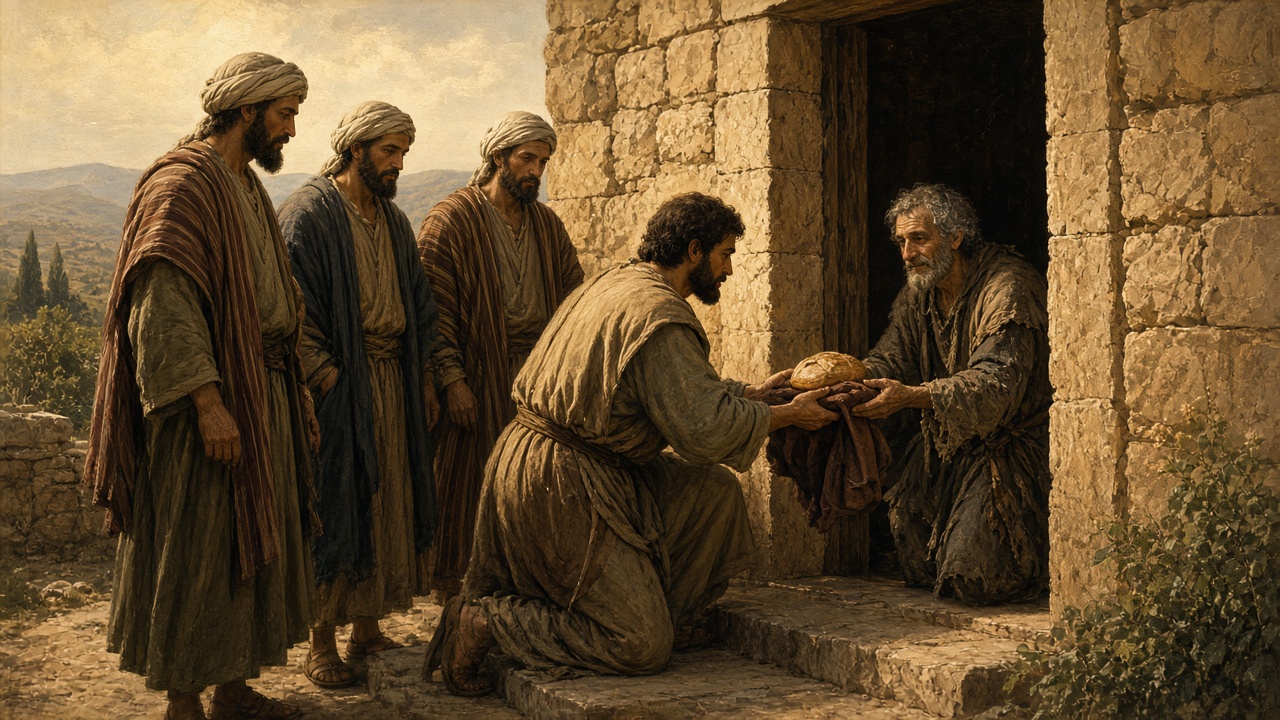
Children of God and brotherly love
- The warning not to be like Cain recalls Adam and Eve's firstborn, a tiller of the ground, whose brother Abel followed a pastoral life. They presented offerings: Abel's, of the firstlings and the fat of his flock, was accepted as more excellent, and Cain, whose offering was of the fruit of the ground, became very angry. The letter says Cain belonged to the evil one and murdered Abel because his own deeds were evil and his brother's were righteous.Sources: Cain · the Bible text itself
- In this chapter, hating a brother is treated as murder: everyone who hates his brother is a murderer, and eternal life does not reside in a murderer. Love is known because Jesus laid down his life for us, and the readers are told they ought to lay down their lives for their brothers.Sources: the Bible text itself
- The children of God are distinguished from the children of the devil by practicing righteousness and by loving one's brother. The message heard from the beginning is that we should love one another, and God's commandment is to believe in the name of his Son, Jesus Christ, and to love one another as he commanded.Sources: the Bible text itself
Notes written with AI assistance from open sources (Theographic Bible Metadata, CC BY-SA 4.0; Easton’s Bible Dictionary, public domain) and reviewed before publishing.
Credits and license for this translation
Biblija tu limba Rrãmãnã
Portions of the Holy Bible in the Aromanian prestige dialect spoken in central and southern Albania.
copyright © 2024 The Word for the World International
Language: Armãneashti/Arumanisht
Contributor: The Word for the World Europe
Bibla Aromaneshti Frasherot dit Arbenishi
The Word for the World International 2024
www.twftw.org
Aromaneshtli Frasherot easti un din dialectili a limbaljei proto-latine balcanica tsi s-greashti ma multu tu teritorlu a Republicaljei dit Albania, tu Nordul Grecie, tsi s-acljeama Epiru shi tu niscants locurili a Republicaljei dit Nord Machidunia etc. Armanjilji dit Albania, dit Nord Machidunia poati s-lu ghavaseascu textul scriat.
Aromanian Frasherot Bible of Albania
Aromanian Frasherot belongs to the dialects of the Proto-Latin Balkanic language spoken mainly in the territory of the Republic of Albania and of Northern Greece, which was called Epirus and in some other pockets in the Republic of North Macedonia, etc. Aromanians from Albania, and the Republic of North Macedonia can read and understand the printed text.
Bibla Arumune Frasherot e Shqiperise
Arumanishtja Frasherote iu përket dialekteve te gjuhes proto-latine ballanike te folur të folur kryesisht në teritorin e Republikës se Shqiperise dhe te Greqise Veriore, qe quhej Epir dhe ne disa xhepa te tjere ne Republiken e Maqedonise se Veriut etj. Arumunët e Shqiperisë, te Republikës se Maqedonise se Veriut mund të lexojnë dhe kuptojnë tekstin e shtypur.
This translation is made available to you under the terms of the
Creative Commons Attribution Share-Alike license 4.0.
You have permission to share and redistribute this Bible translation in any format and to make reasonable revisions and adaptations of this translation, provided that:
You include the above copyright and source information.
If you make any changes to the text, you must indicate that you did so in a way that makes it clear that the original licensor is not necessarily endorsing your changes.
If you redistribute this text, you must distribute your contributions under the same license as the original.
Pictures included with Scriptures and other documents on this site are licensed just for use with those Scriptures and documents.
For other uses, please contact the respective copyright owners.
Note that in addition to the rules above, revising and adapting God's Word involves a great responsibility to be true to God's Word. See Revelation 22:18-19.
2025-07-02
Source: http://ebible.org/rup/ · eBible.org