Luke 5
Rote Dela Alkitab · Tap a verse to see its cross-references.
Ara puꞌa rala uꞌu hetar
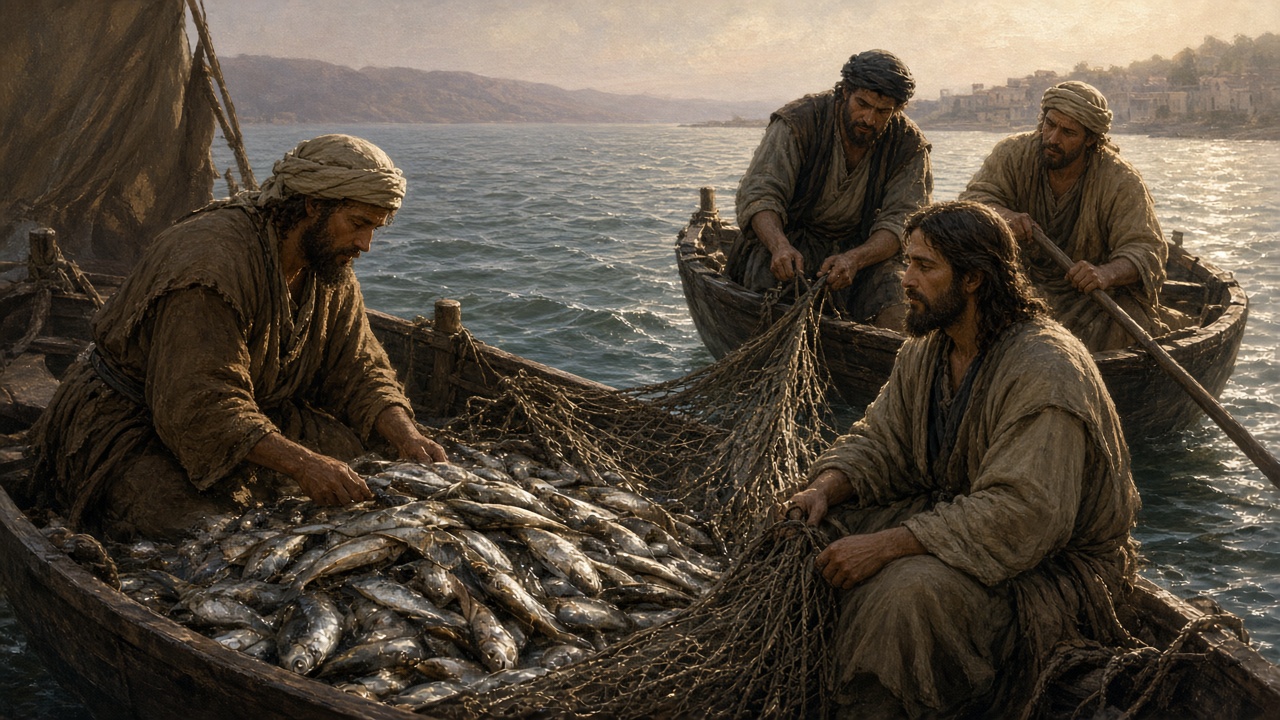
1Lao esa, Yesus nanori atahori ra sia dꞌano Galilea suun. Atahori hetar rema rae rena Lamatualain Hara-liin. Losa ara rakaseseti heo rala Yesus. 2Deka naa, hambu manatasi ra raisi puꞌa nara sia madꞌaꞌ ata. Boe ma Yesus nita ofa rouꞌ rua mananafuꞌ sia naa. 3Ofaꞌ naa ra Simon enan esa. Boe ma Yesus hene nisiꞌ Simon ofan, ma noꞌe e tola ofaꞌ nisiꞌ oe romaꞌ mbei. Basa ma Ana endoꞌ nanori atahori hetar naa ra.
4Ana nanori basa, ma olaꞌ neu Simon nae, “Simon! Misiꞌ mamana romaꞌ mbei fo nggari puꞌat sia naa. Te dei fo hei hambu uꞌu hetar.”
5Te Simon nataa nae, “Papa dei! Hai puꞌa tetembaꞌ sa teme-ao, te nda mala uꞌu boaꞌ esa sa boe! Te huu Papa maꞌo naa ena, de, au uꞌondaꞌ sobꞌa.” 6Boe ma ara raꞌondaꞌ puꞌat. Leleꞌ rae lea baliꞌ ata neu, puꞌat a sofeꞌ noꞌ a uꞌu, losa puꞌat a sii mbei ena. 7Boe ma Simon randu nonoon mana sia ofaꞌ laen fo rema tulun se. De ara ao uꞌu ofaꞌ rala reu, de ofa karuaꞌ naa ra sofeꞌ roꞌa uꞌu, de raeꞌ a molo. 8Simon nonoo manatasi nara, Yakobis no Yohanis, naeni Sabadeus ana nara, ara o sia naa boe. Ara o titindindiꞌ a, huu rala uꞌu hetar seli. Leleꞌ Simon Petrus nita saa mana dadꞌiꞌ naa, ma ana sendeꞌ lululanggan sia Yesus matan nae, “Au ia, atahori mana tao sala-kiluꞌ naen seli ena. Dadꞌi malole lenaꞌ Lamatuaꞌ afiꞌ deka-deka mo au fai.”
Te Yesus nataa nae, “Simon! Afiꞌ duꞌa nae-nae dalaꞌ naa, huu Au ae pake nggi. Hei ia, biasa sangga uꞌu. Te ia na Au unori nggi sangga atahori fo tungga Au.”
11Basa ma ara lea tuteꞌ ofa nara madꞌaꞌ ata reu. Boe ma ara lao hela basa saa-saa nara, fo tungga Yesus.
Lamatuaꞌ Yesus naꞌahahaiꞌ atahori mana mamahedꞌi kusta sa
12Sia kamboꞌ sa, Yesus nandaa no atahori sa hedꞌi kusta ndule ao na. Leleꞌ ana nita Yesus, boe ma neu sendeꞌ lululanggan ma beꞌutee sia matan losa rae a. Boe ma nae, “Amaꞌ, e! Tulun au dei! Au bubꞌuluꞌ, Amaꞌ bisa muꞌuhahaiꞌ hedꞌi ngga ia. Sadꞌi Amaꞌ nau. Naa fo atahori sudꞌi boe melumudꞌu au fai.”
13Boe ma Yesus loo liman de nggama e. Boe ma olaꞌ nae, “Au nau! Hai leon! Olaꞌ basa ma, hedꞌi kusta mopꞌo neuꞌ ena mia atahori naa aon. 14Boe ma Yesus olaꞌ fee nesenenedꞌaꞌ neu e nae, “Musunedꞌa malolole! Ho hai ena, te afiꞌ mufadꞌe esa boe! Ho musi tungga baꞌi Musa parendan dei. Dadꞌi muu sia malangga agama leo, fo ana paresaꞌ ao ma, naa fo ana nahine hedꞌis ma hai tebꞌe ena, do hokoꞌ. Basa na, ho musi mendi tutunu-hohotuꞌ moꞌe makasi, fo basa atahori bubꞌuluꞌ oi, ho hai tebꞌe ena.”
15Mae Yesus ai o, nda doo sa ma dudꞌuit soꞌal koasa Na naa, nenedꞌui-bꞌenggaꞌ sia bee-bꞌee. Dadꞌi atahori ra akaꞌ nonggo-nonggo rema rae rena E nanori se. Boe ma Ana naꞌahahaiꞌ atahori hetar mia hedꞌis mataꞌ-mataꞌ 16Te Yesus o hii dinggoꞌ Aon mia atahori hetar, fo neu hule-oꞌe sia mamana rouꞌ.
Lamatuaꞌ Yesus naꞌahahaiꞌ atahori mamaluꞌuꞌ sa
17Lao esa, Yesus nanori atahori sia ume sa. Leleꞌ naa hambu atahori mia partei agama Farisi ro meser agama hira, rema rena E. Ara rema mia kambo-kamboꞌ sia propensi Galilea, propensi Yudea, ma kota Yerusalem. Lamatualain fee koasa neu Yesus fo naꞌahahaiꞌ atahori mamahedꞌiꞌ ra. 18Leleꞌ naa, hambu atahori hira ndoro rendi atahori mamaluꞌu sa sia radꞌat sa ata. Ara sangga dalaꞌ fo ro atahori mamaluꞌuꞌ naa nisiꞌ Yesus fo naꞌahahaiꞌ e. Te ume naa sofeꞌ no atahori ena, de raꞌasusuuꞌ rala reu, te nda bisa sa. Naa de, ara rendi atahori mamaluꞌuꞌ a ume ata neu. Boe ma ara ofe randola ume a sinin, de raꞌondaꞌ atahori mamaluꞌuꞌ mana sia radꞌat ata naa. Ara raꞌondaꞌ e, nisiꞌ atahori hetar taladꞌan nara, nandaa no Yesus matan. 20Yesus nita ma nahine nae, ara ramahere Eni bisa naꞌahahaiꞌ sira nonoon. Boe ma Ana olaꞌ neu atahori mamaluꞌuꞌ naa nae, “Ana, ngge! Au fee ambon neu sala mara ena.”
21Rena Yesus olaꞌ naꞌo naa, boe ma atahori Farisi ro meser agama ra mulai ratatane rae, “Heꞌe! Akaꞌ Lamatualain mesaꞌ ne naꞌena hak fee ambon neu atahori sala-kilu nara. Te eni ia, seka, de tao aon onaꞌ Lamatualain! Ia, neꞌemutis!”
22Te Yesus bubꞌuluꞌ rala nara. De Ana olaꞌ nae, “Taꞌo bee de hei duꞌa mae Au ia, olaꞌ neꞌemutis? 23Au ia, Atahori Matetuꞌ a. Au uꞌena hak fee ambon neu atahori sala-kilu nara. Mete ma Au ufadꞌeꞌ a atahori mamaluꞌuꞌ ia ae, ‘Au fee ambon neu sala mara ena’, hei nda mita Au koasa ngga saa sia raefafoꞌ ia sa. Te mete ma Au ae, ‘Fela leo! Haꞌi mala radꞌat ma fo baliꞌ.’ Mete ma ana fela neuꞌ ena, hei feꞌe mita koasa Ngga. Naa de, Au ae uꞌuhahaiꞌ atahori mamaluꞌuꞌ ia, naa fo hei o bubꞌuluꞌ, Au uꞌena hak fee ambon neu atahori sala-kilun.”
Boe ma Ana heoꞌ mbali atahori mamaluꞌuꞌ a, de olaꞌ nae, “Mumburiꞌ leo! Haꞌi mala radꞌat ma, fo lao baliꞌ ume muu!”
25Aiboiꞌ ma, atahori naa fela nambariiꞌ sia atahori hetar mata nara, de haꞌi nala radꞌat na. Boe ma ana lao baliꞌ no koa-kio Lamatualain. 26Rita taꞌo naa ma basa atahori mbo-mboꞌ a. Boe ma ara soꞌu rananaru Lamatualain naran rae, “Lamatualain manaseliꞌ, o! Faiꞌ ia, hita tita dꞌala manaseliꞌ no mata ao tara ena!”
Lamatuaꞌ Yesus noꞌe Lewi fo tungga Eni
27Nda doo sa ma, Yesus dea nema mia ume naa, ma nita atahori mana edꞌa bea sa endoꞌ sia mamana edꞌa bea na. Atahori naa naran Lewi. Boe ma Yesus noꞌe nae, “Uma tungga Au!” 28Lewi rena nala, ma ana fela neuꞌ ena, lao hela basa-bꞌasaꞌ e sia naa, de neu tungga Yesus.
29Basa ma, Lewi tao fefetas fo noꞌe Yesus neu sia umen. Ana o noꞌe nonoo mana edꞌa bea nara, ro fuiꞌ ra, fo rema ra fefetas. 30Te hambu atahori partei agama Farisi hira, ro meser agama ra, oꞌolaꞌ Yesus ana dedꞌenu nara rae, “Taꞌo bee de hei endoꞌ mia mo atahori nda papakeꞌ ra sa, onaꞌ mana edꞌa bea ro atahori nda malololeꞌ naa ra sa? Atahori maloleꞌ afiꞌ miꞌibꞌue mo atahori mataꞌ naa ra!”
31Te Yesus nafadꞌe se nae, “Atahori mamahedꞌiꞌ memaꞌ parlu doter. Te atahori nda mamahedꞌiꞌ ra sa, nda parlu sa. 32Au uma fo mete-seꞌu atahori nda maloleꞌ ra sa. Te nda uma fo mete-seꞌu atahori mana duꞌa rae sira aon ndoo-tetuꞌ ena.”
Meser agama ra rareresi ro Lamatuaꞌ Yesus soꞌal puasa
33Basa ma, atahori mia partei agama Farisi ro meser agama ra oꞌolaꞌ mbali Yesus rae, “Taꞌo ia, Amaꞌ! Yohanis Mana Saraniꞌ a ana mana tungga nara puasa ma hule-oꞌe rakandooꞌ a. Atahori Farisi ra ana mana tungga nara o tao onaꞌ naa boe. Te taꞌo bee de Amaꞌ ana mana tungga mara akaꞌ raa rinu rakandooꞌ a? Ara nda puasa rita sa, do?
34Te Yesus olaꞌ no se nendiꞌ nekendandaaꞌ nae, “Memaꞌ hei bubꞌuluꞌ ena, mete ma hambu feta kakabꞌiꞌ, mana neu fefetas ra nda puasa sa, te raa-rinu raꞌabeta. Mete ma touꞌ mana masao feuꞌ a feꞌe sia naa, na tantu basa se raa-rinu raꞌabꞌue. 35Te dei fo lao esa, mete ma atahori feaꞌ toꞌu rendi tou mana sao feuꞌ a, na nonoo nara susa, fo ara feꞌe puasa ena.”
36Basa ma, Yesus nafadꞌe nekendandaaꞌ esa fai nae, “Nda hambu atahori haꞌi teme feuꞌ eꞌetuꞌ esa, fo tanda neu badꞌu mbara manasikaꞌ sa. Te mete ma safe badꞌu a, na teme feuꞌ naa kukundu ma badꞌu a boe sika. 37Onaꞌ naa boe atahori nda oni tua feuꞌ nisiꞌ sambat mana mbokoꞌ sa. Te mete ma sambat fanggi e, na tuaꞌ nandali hendi e. Dadꞌi tua feuꞌ musi oni neu sambat feuꞌ boe. [No taꞌo naa, Yesus nanori se nae, Eni nenori feun, afiꞌ neꞌebꞌue no atahori Farisi ra nenori mbaran.] 39Atahori mana ninu nita oe anggor mbaraaꞌ ena, nda hii ninu anggor feuꞌ sa. Huu nahine nae, “Anggor mana nenembedꞌa mbaraaꞌ naa, maladꞌan seli!”
Did you know?
Calls, Healings, and New Wine
- Jesus taught the people from Simon’s boat on the Lake of Gennesaret while the crowd pressed in along the shore. The name comes from a town of Naphtali on the western shore, earlier called Chinnereth; the plain beside the lake, noted for its fertility and beauty, was called “the Paradise of Galilee.”Sources: Gennesaret · the Bible text itself
- Simon, also called Peter, grew up in Bethsaida, on the western coast of the Sea of Galilee, and was trained as a fisherman. James and John, his partners in the other boat, were sons of Zebedee, a Galilean fisherman; Easton's Bible Dictionary (1897) infers that Zebedee had some position in Capernaum, because he had two boats and hired servants.Sources: Simon Peter · James (Son of Zebedee) · Zebedee · the Bible text itself
- The man Jesus called from the tax booth is named Levi in this chapter; in other accounts he is Matthew, son of Alphaeus, a tax collector at Capernaum. Easton's Bible Dictionary (1897) suggests that he may have taken the name Matthew in grateful memory of his call, and describes the great banquet he gave that same day as a farewell feast.Sources: Matthew · the Bible text itself
Notes written with AI assistance from open sources (Theographic Bible Metadata, CC BY-SA 4.0; Easton’s Bible Dictionary, public domain) and reviewed before publishing.
Places in this chapter
- Gennesaret · Today: El Ghuweir · 32.861, 35.507 · verse 1
- Galilee · 32.760, 35.527 · verse 17
- Jerusalem · 31.777, 35.234 · verse 17
- Judea · Today: Judea 1 · 31.777, 35.234 · verse 17
Only places identified with high confidence are shown (90% or more according to the scholarly sources compiled by OpenBible). Period map: DARE (Digital Atlas of the Roman Empire), CC BY 4.0; modern map: © OpenStreetMap contributors; places: OpenBible.info (CC BY 4.0).
Credits and license for this translation
Rote Dela Alkitab
Genesis and the New Testament in the Rote Dela language of Indonesia
Kejadian dan Perjanjian Baru dalam bahasa Rote Dela
copyright © 2016 Unit Bahasa dan Budaya
Language: Rote Dela (Dela-Oenale)
Translation by: Wycliffe Bible Translators
This translation is made available to you under the terms of the
Creative Commons Attribution Share-Alike license 4.0.
You have permission to share and redistribute this Bible translation in any format and to make reasonable revisions and adaptations of this translation, provided that:
You include the above copyright and source information.
If you make any changes to the text, you must indicate that you did so in a way that makes it clear that the original licensor is not necessarily endorsing your changes.
If you redistribute this text, you must distribute your contributions under the same license as the original.
Pictures included with Scriptures and other documents on this site are licensed just for use with those Scriptures and documents.
For other uses, please contact the respective copyright owners.
Note that in addition to the rules above, revising and adapting God's Word involves a great responsibility to be true to God's Word. See Revelation 22:18-19.
2022-03-11
Source: http://ebible.org/row/ · eBible.org