Genesis 37
Rote Dela Alkitab · Tap a verse to see its cross-references.
Yakob baliꞌ nisiꞌ rae Kanaꞌan
1Ia, Yakob se dudꞌui na. Leleꞌ naa, Yakob neu leo baliꞌ sia rae Kanaꞌan, fo maꞌahulu na, aman Isak mamana leleon.
Yusuf no aꞌa nara
2Leleꞌ naa, Yakob anan esa mia sao na Rahel, naran Yusuf. Ana too sanahulu hitu ma, no aꞌa nara reu ranea hiek-lombo ra. Aꞌa nara, anaꞌ mia Yakob sao nara, Bilha ma Silpa. Te Yusuf ia, mana nendi-nendiꞌ dedꞌeat fee ama na, soꞌal aꞌa nara.
3Bonggi Yusuf te, Yakob lasiꞌ ena. Naa de ana sue Yusuf lenaꞌ ana na laen ra. Lao esa, Yakob soo badꞌu naru meulauꞌ esa, fee Yusuf. 4Aꞌa nara rahine ama na sue Yusuf lenaꞌ, de ramanasa e seli. Ara nda nau ola-olaꞌ malolole ro e sa ena.
5Tetembaꞌ esa ma, Yusuf nalamein. De nafadꞌe meit naa neu aꞌa nara nae, “We! Hei rena dei! Au ulumein ae basa nggita paꞌa are-nggandum sia osi rala. Au are ngga nambariiꞌ ndos. Te hei are mara rambariiꞌ nduleꞌ au are ngga, ma beꞌutee neu are ngga.” Aꞌa nara rena rala ma, ramanasa e.
8Boe ma ara ai Yusuf rae, “Woi! Mbei ma ho mae dadꞌi hai malangga mana parenda ma, do?” Ara ramanasa e seli, huu nafadꞌe meit naa.
9Basa naa ma, Yusuf nalamein seluꞌ fai. De ana nafadꞌe aꞌa nara nae, “We! Au ulumein fai. Au ita relo, fulan, ma nduuꞌ sanahulu esa. Basa se beꞌutee malolole neu au.” 10Yusuf dui basa meit naa neu aman no aꞌa nara ma, aman ai e nae, “Meit saa ka naa! Ho duꞌa mae au, o inam, ma aꞌa mara ima idꞌu ei ma, do? Ho seli, ma!” 11De Yusuf aꞌa nara rambedꞌaꞌ ralaꞌ ro e. Te aman dudꞌuꞌa meit naa nakandooꞌ a.
Ara seo Yusuf nisiꞌ Masir dadꞌi ate sia naa
12Faiꞌ esa ma, Yusuf aꞌa nara rendi ama na hiek-lombo nara losa deka no kambo Sikem. 13Nda dooꞌ sa ma, ama na nae, “Yusuf e! Aꞌa mara ranea hiek-lombo deka no Sikem. De muote fo muu seꞌu se dei.”
Yusuf nataa nae, “Malole amaꞌ.”
14Boe ma ama na nae, “Muu dei, fo seꞌu aꞌa mara ro hiek-lombo nggara. Ara ona bee naa, baliꞌ mufadꞌe au.”
Boe ma, Yusuf lao hela rae Hebron moo na, de nakandoo Sikem neu. 15Losa naa, de sangga se ndule mooꞌ a. Basa ma, nandaa no atahori esa. De atahori naa natane e nae, “Ho sangga saa?’.
16Yusuf nataa nae, “Toꞌo. Au sangga aꞌa nggara. Ara mboo hiek-lombo sangga uru deka-deka ia. Toꞌo nita se boe, do?”
17Nafadꞌe nae, “Ara nda sia ia sa. Oi rae reu sia deka-deka kambo Dotan.”
Boe ma, Yusuf neu tungga aꞌa nara, losa nita se sia Dotan. 18Yusuf feꞌe sia dodꞌooꞌ, te ara rita e ena. Boe ma ara maꞌiraꞌ rae tao risa e. 19Esa nafadꞌe esa nae, “Mete dei. Malangga meit a nema ena! 20Ata tao tisa e leo, do? Basa fo honda hendiꞌ e nisiꞌ oe mates rala neu. Dei fo tafadꞌe amaꞌ tae banda fui ra raa hendi e. Basa fo ata mete meit nara, taꞌo bee!”
21Rena nala naa ma, aꞌa Ruben na sangga dalaꞌ fo nae fee ne nasodꞌa. De ana ai odꞌi nara nae, “We! Ata afiꞌ tao tisa e! 22Malole lenaꞌ ata tumbuꞌ e nisiꞌ oe mates ia rala. Sia ia mamana maꞌabambiꞌ, de atahori nda rahine sa. Sadꞌi afiꞌ tasaiꞌ raa na.” Ana olaꞌ taꞌo naa, huu ana nae mboꞌi Yusuf, fo denu e baliꞌ.
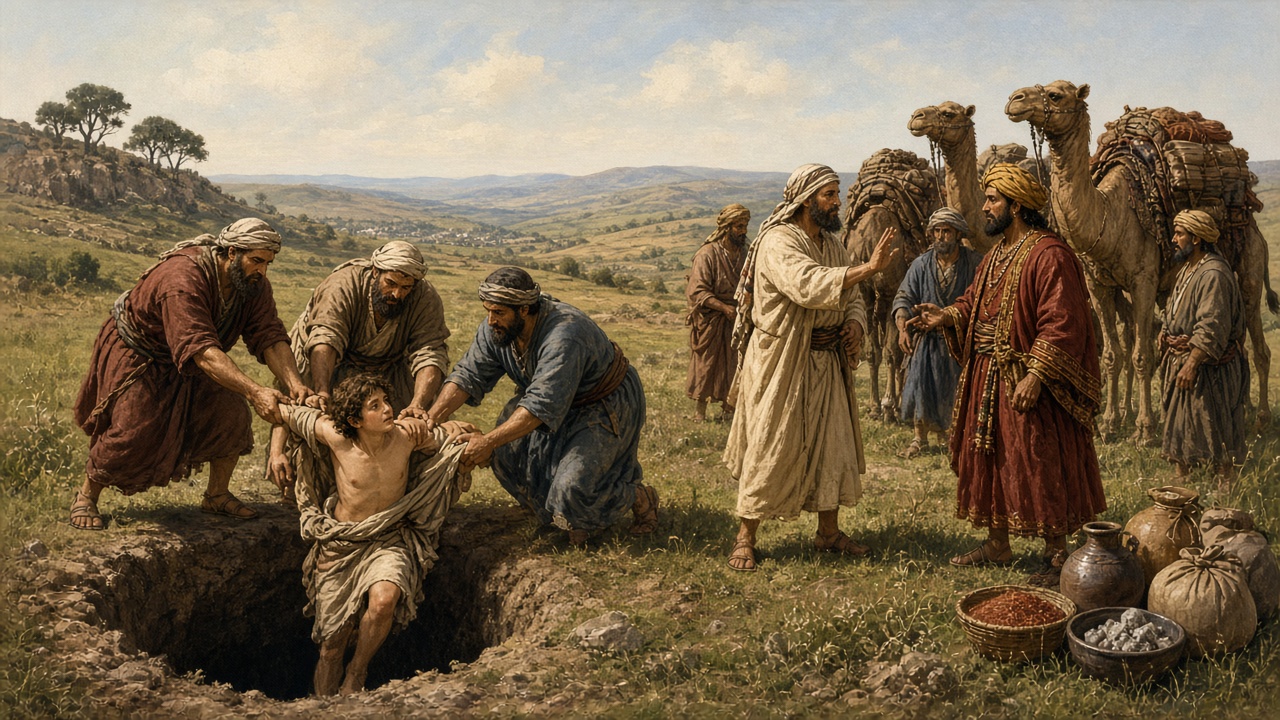
23Yusuf losa boe ma, aꞌa nara toꞌu rala e, de sidꞌa hendi badꞌu naru meulau na. 24Basa ma, ara lea dudꞌui e, de timba e oe mates rala neu.
25Basa boe ma ara baliꞌ reu raa. Ara feꞌe raa, aiboiꞌ ma, rita nononggoꞌ esa nema. Nononggoꞌ naa, banda onta nara fua bua danggan, onaꞌ hau maꞌameniꞌ, bumbu-bumbu, ma modꞌo mataꞌ-mataꞌ. Tao-tao te nononggoꞌ naa atahori Ismael mia kambo Gilead rae laoꞌ dooꞌ reu sia Masir.
26Basa ma, Yahuda nafadꞌe odꞌi-aꞌa nara nae, “Weh! Malole lenaꞌ taꞌo ia. Afiꞌ tisa e. Hita hambu saa, boe? Mae ona bee o, nda taꞌafuniꞌ tala raa na sa. 27Malole lenaꞌ seo hendiꞌ e neu atahori Ismael ra. Mae tao taꞌo bee mbali e o, eni, hita odꞌi bꞌonggi na. De afiꞌ taꞌahinaꞌ e!” Boe ma, basa se tungga oꞌola na.
28Basa naa ma, nandaa no atahori mana danggan naa ra tungga naa, Yusuf aꞌa nara lea e mia oe rala. De ara seo e neu atahori Ismael ra, no feli na doi fulaꞌ rua nulu. Basa ma, ara rendi Yusuf Masir neu.
29Ara seo Yusuf, te Ruben nda bubꞌuluꞌ sa. Leleꞌ ana baliꞌ nisiꞌ oe mataꞌ a neu, ana nggengger nala seli, huu Yusuf nese ena. De ana sisidꞌa bua na sia ao na, huu ralan susa nala seli. 30Boe ma ana baliꞌ nisiꞌ odꞌi nara nae, “Aweee! Anaꞌ a nese ia ena. Ia naa, au ae tao taꞌo bee fai?”
31Basa ma ara hala hiek esa, de haꞌi Yusuf badꞌu meulau na, de boroꞌ e neu raaꞌ. 32Haꞌi rala badꞌu fo akaꞌ raaꞌ naa, de rendi fee ama na, ma rafadꞌe rae, “Amaꞌ! Hai here mala badꞌu ia. Mete sobꞌa. Afiꞌ losa odꞌi Yusuf ena na.”
33Yakob mete badꞌu a ma, nahine neuꞌ ena. Nataa nae, “Aweee! Memaꞌ ia au ana ngga badꞌu na. Mitaꞌ mae banda fui ra raa e sia bee ena. Aweee! Au ana ngga mate ena!”
34Basa naa ma, Yakob sisidꞌa badꞌu na, de olu karon abas, huu ana susa nala seli. Boe ma ana nggaee nakandondooꞌ a anan doo na seli. 35Basa ana touꞌ ma ana ina nara rema radadale, te nda rala e sa. Ana nae, “Hokoꞌ! Au susa losa mate. Au nda bisa liliiꞌ anaꞌ ia sa.” De Yakob susa nakandooꞌ a, huu nasanedꞌa anan Yusuf mana mateꞌ a.
36Leleꞌ Yakob feꞌe susa taꞌo naa, te atahori danggan naa ra losa Masir ena. De reu seo Yusuf neu malangga esa, naran Potifar. Eni, mane Masir a malangga nanea na.
Did you know?
Joseph Sold by His Brothers
- Israel loved Joseph more than his other sons because he was the child of his old age, and he made him a robe of many colors. Easton's Bible Dictionary (1897) reads the Hebrew of Genesis 37:3 as a long, full garment with sleeves, the kind worn by the children of nobles. When the brothers saw that favor, they hated him and could not speak a kind word to him.Sources: Joseph (son of Jacob) · the Bible text itself
- Jacob sent seventeen-year-old Joseph from the Valley of Hebron to see how his brothers and the flocks were faring; they had pastured near Shechem and then gone on to Dothan. Easton's Bible Dictionary (1897) calls Dothan a famous pasture ground with two wells, identified with modern Tell-Dothan about twelve miles north of Samaria among the hills of Gilboa, and says it is mentioned on monuments in 1600 BC. There the brothers saw a caravan of Ishmaelites coming from Gilead, their camels carrying spices, balm, and myrrh on the way down to Egypt.Sources: Dothan · Gilead · the Bible text itself
- Reuben, Jacob's eldest son by Leah, tried to save Joseph from death and planned to return him to their father. Judah then persuaded the brothers to sell Joseph to the Ishmaelites rather than shed his blood. In Egypt the Midianites sold him to Potiphar, an officer of Pharaoh and captain of the guard; Easton's Bible Dictionary (1897) explains that name as 'dedicated to Ra,' the sun-god, and takes the title to mean, probably, chief of the state police, with a margin reading 'chief of the executioners.'Sources: Reuben · Judah (patriarch) · Potiphar · the Bible text itself
Notes written with AI assistance from open sources (Theographic Bible Metadata, CC BY-SA 4.0; Easton’s Bible Dictionary, public domain) and reviewed before publishing.
Places in this chapter
- Canaan · 32.767, 35.333 · verse 1
- Shechem · Today: Tell Balatah · 32.214, 35.282 · verses 12, 13, 14
- Valley of Hebron · 31.525, 35.102 · verse 14
- Egypt · 30.129, 31.308 · verses 25, 28, 36
- Gilead · Today: Gilead 1 · 32.187, 35.692 · verse 25
Only places identified with high confidence are shown (90% or more according to the scholarly sources compiled by OpenBible). Period map: DARE (Digital Atlas of the Roman Empire), CC BY 4.0; modern map: © OpenStreetMap contributors; places: OpenBible.info (CC BY 4.0).
Credits and license for this translation
Rote Dela Alkitab
Genesis and the New Testament in the Rote Dela language of Indonesia
Kejadian dan Perjanjian Baru dalam bahasa Rote Dela
copyright © 2016 Unit Bahasa dan Budaya
Language: Rote Dela (Dela-Oenale)
Translation by: Wycliffe Bible Translators
This translation is made available to you under the terms of the
Creative Commons Attribution Share-Alike license 4.0.
You have permission to share and redistribute this Bible translation in any format and to make reasonable revisions and adaptations of this translation, provided that:
You include the above copyright and source information.
If you make any changes to the text, you must indicate that you did so in a way that makes it clear that the original licensor is not necessarily endorsing your changes.
If you redistribute this text, you must distribute your contributions under the same license as the original.
Pictures included with Scriptures and other documents on this site are licensed just for use with those Scriptures and documents.
For other uses, please contact the respective copyright owners.
Note that in addition to the rules above, revising and adapting God's Word involves a great responsibility to be true to God's Word. See Revelation 22:18-19.
2022-03-11
Source: http://ebible.org/row/ · eBible.org