Genesis 2
Rote Dela Alkitab · Tap a verse to see its cross-references.
1No dalaꞌ naa, Lamatualain tao lalai no raefafoꞌ, no basa isi-oe na.
2Mbilaꞌ neu ma, ndaa no fai kahitu na, Ana hahae ao Na, huu tao nala basaꞌ e ena. 3No taꞌo naa, Ana tao fai kahitu na dadꞌi fai monaeꞌ mia fai feaꞌ ra, huu Ana tao basa ue-tatao Na ena, de fai kahitu na ma, Ana hahae ao Na. 4Lamatualain naꞌadadadꞌiꞌ lalai no raefafoꞌ dudꞌui na, taꞌo a naa.
Lamatualain naꞌadadadꞌiꞌ touꞌ no inaꞌ
4Leleꞌ LAMATUALAIN naꞌadadadꞌiꞌ lalai no raefafoꞌ a, 5nda feꞌe hambu hau-bebꞌa saa saꞌ boe, huu Ana nda feꞌe naꞌondaꞌ udꞌan sa. Leleꞌ naa, feꞌe akaꞌ a lumeꞌ a namasu mia rae fo naꞌadꞌoe raefafoꞌ. Ma nda feꞌe hambu atahori fo tao osi sa. 7Dei de LAMATUALAIN haꞌi rae mbei, de tao dadꞌi atahori. Ana fuu ani-hahaeꞌ tungga mbana ndola na, ma atahori a nasodꞌa tuteꞌ a.
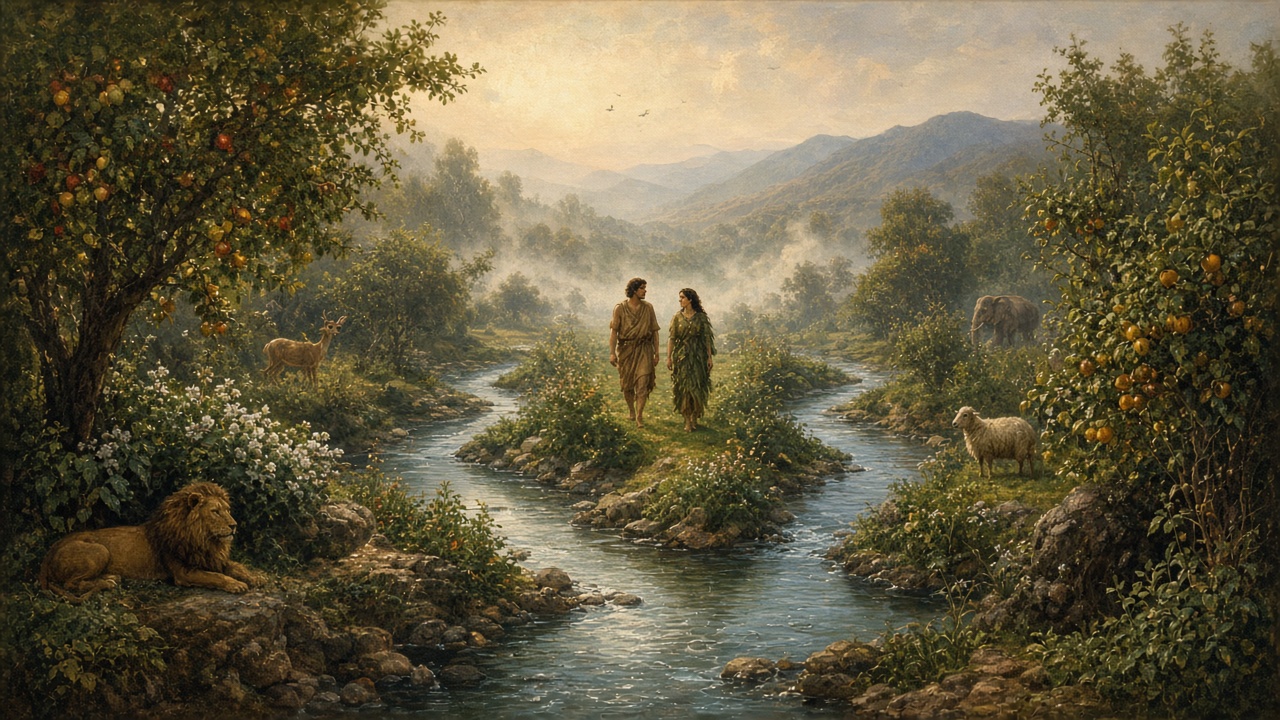
8Basa ma, LAMATUALAIN tao osi esa mia rae Eden seriꞌ rulu, de Ana fee atahori a leo sia naa. 9Ana naꞌadadadꞌiꞌ hau huuꞌ maloleꞌ mataꞌ-mataꞌ sia osi a, fo atahori a naa no maladꞌaꞌ. Ma Ana o tao hau huuꞌ mataꞌ rua sia osi a taladꞌa na. Mete ma atahori raa hau esa boa na, ara rasodꞌa rakandoo. Te mete ma ara raa hau esa ka boa na, ara rahine bee maloleꞌ ma bee deꞌulakaꞌ.
10Hambu loe sa nandali mia osi a, de dea neu. Loe naa, masaranggaaꞌ haa. 11Ranggaꞌ kaesa na, naran Pison. Ranggaꞌ naa nandali rereoꞌ rae Hawila. Sia naa, hambu lilo naeꞌ. 12Lilo naa ra meuꞌ. Sia naa o hambu hau raa maꞌameniꞌ ma fatu makahadꞌoꞌ. 13Ranggaꞌ karua na, naran Gihon. Ranggaꞌ naa nandali rereoꞌ rae Kus. 14Ranggaꞌ katelu na, naran Tigris. Ranggaꞌ ia, dadꞌi tadꞌaꞌ sia rae Asyur seriꞌ rulu. Ma rangga kahaa na, naran Efrat.
15LAMATUALAIN fee atahori a leo sia Eden, fo tao mataꞌ neu osi a. 16Ma Ana parenda e nae, “Ho sudꞌiꞌ a mua hau boaꞌ saa mia basa hau huuꞌ sia osi ia. 17Te akaꞌ na, afi mua hau boaꞌ mia hau huuꞌ mana fee nggo muhine bee maloleꞌ ma bee deꞌulakaꞌ. Mete ma mua, naa, mate nggo.”
18Basa ma, LAMATUALAIN olaꞌ seluꞌ nae, “Nda maloleꞌ sa atahori ia nasodꞌa mesaꞌ ne. De Au ae tao fee ne, nonoon esa fo ndaa no e.”
19Leleꞌ naa, LAMATUALAIN ao nala rae mbei, de tao banda ma mbuiꞌ mataꞌ-mataꞌ. Ana nendi se risiꞌ atahori a, fo nanara se. Boe ma, atahori a nanara se, esa-esaꞌ no nara na. Te ana nda feꞌe hambu nonoon sa.
21De LAMATUALAIN fee atahori a sungguꞌ nasambeta, de haꞌi nala rui aiusu na esa. Dei de, Ana mbalu baliꞌ bisu a. 22Ma Ana tao ruiꞌ naa dadꞌi inaꞌ, de fee neu atahori a. 23Atahori a nita inaꞌ a ma, ana nae,
“Ia dei, fo ndaa no au!
Rui na o, onaꞌ au rui ngga boe.
Ma ao sisi na, onaꞌ au ao sisi ngga.
Huu eni dadꞌi mia touꞌ, naa de au babꞌae e ‘inaꞌ’.”
24Huu naa, touꞌ musi lao hela ina-ama nara,
fo nasodꞌa ralaꞌ esa no sao na,
te ruꞌa se dadꞌi esa ena.
25Leleꞌ naa, ruꞌa se maꞌaholaꞌ, te ara nda mae saꞌ.
Did you know?
Adam, Eden, and the Four Rivers
- Adam, meaning “red,” is a Babylonian word and the ordinary name for a human being, with the same sense in Hebrew and in Assyrian. It was given to the first man. He was formed from the dust of the ground—hence the name—and God breathed into his nostrils the breath of life.Sources: Adam · the Bible text itself
- A river flowed out of Eden and divided into four headwaters: the Pishon, the Gihon, the Hiddekel, and the Euphrates. Some identify the Pishon with the Phasis or the Halys, others with the Indus, the Ganges, or still other rivers; the Gihon has been identified with the Nile, and others regard it as the Oxus, the Araxes, or the Ganges. The Hiddekel is the Tigris, called by the Accadians the river of Idikla; Gesenius understood the name as “the rapid Tigris.”Sources: the Bible text itself · Pison · Gihon · Hiddekel
- The site of Eden, the garden in which the first parents lived, has been discussed more than almost any other geographical question. It has been placed in Armenia, in the region west of the Caspian Sea, in Media, near Damascus, in Palestine, in southern Arabia, and in Babylonia. Easton's Bible Dictionary (1897) seeks it along the Tigris and the Euphrates of western Asia, in the land of Shinar, or Babylonia.Sources: Eden
Notes written with AI assistance from open sources (Theographic Bible Metadata, CC BY-SA 4.0; Easton’s Bible Dictionary, public domain) and reviewed before publishing.
Places in this chapter
- Assyria · 36.359, 43.153 · verse 14
- Euphrates · Today: Euphrates River · 31.004, 47.442 · verse 14
- Tigris · Today: Tigris River · 31.004, 47.442 · verse 14
Only places identified with high confidence are shown (90% or more according to the scholarly sources compiled by OpenBible). Period map: DARE (Digital Atlas of the Roman Empire), CC BY 4.0; modern map: © OpenStreetMap contributors; places: OpenBible.info (CC BY 4.0).
Credits and license for this translation
Rote Dela Alkitab
Genesis and the New Testament in the Rote Dela language of Indonesia
Kejadian dan Perjanjian Baru dalam bahasa Rote Dela
copyright © 2016 Unit Bahasa dan Budaya
Language: Rote Dela (Dela-Oenale)
Translation by: Wycliffe Bible Translators
This translation is made available to you under the terms of the
Creative Commons Attribution Share-Alike license 4.0.
You have permission to share and redistribute this Bible translation in any format and to make reasonable revisions and adaptations of this translation, provided that:
You include the above copyright and source information.
If you make any changes to the text, you must indicate that you did so in a way that makes it clear that the original licensor is not necessarily endorsing your changes.
If you redistribute this text, you must distribute your contributions under the same license as the original.
Pictures included with Scriptures and other documents on this site are licensed just for use with those Scriptures and documents.
For other uses, please contact the respective copyright owners.
Note that in addition to the rules above, revising and adapting God's Word involves a great responsibility to be true to God's Word. See Revelation 22:18-19.
2022-03-11
Source: http://ebible.org/row/ · eBible.org